Annuals That Pollinators Love

Conservation biologist Douglas Tallamy [Nature’s Best Hope, 2019] urges us to use our gardens to help fight looming threats to life on Planet Earth, two being shrinking agricultural land and loss of habitat for our vital pollinators. How can we use our little plots to impact such huge issues while also beautifying our landscapes? Dr. Tallamy assures us that our combined efforts can go a long way toward correcting both problems. So, this winter as we pore over gardening catalogs, we who have enlisted in the cause of supporting pollinators should pay extra attention to seed and plant descriptions, looking for evidence of plentiful pollen and nectar supplies for bees, butterflies, hummingbirds, etc.
One small way to focus is by looking for colorful, pollinator-friendly annuals to incorporate among the perennials, herbs, vegetables, native wildflowers, etc., in our garden plans. Annuals that are both ornamental and beneficial include easy-to-grow cosmos, marigolds, sunflowers, coreopsis, salvias, and zinnias. Some can be obtained as nursery starts, while all can be seeded directly into the soil. With proper care, especially deadheading, they can provide color and pollinator food for a season. Their flattish, daisy-like flower heads make rich pollen and nectar supplies easily accessible to bees (the most important pollinators), butterflies such as Monarchs and Swallowtails, and certain flies. [On zinnias, for example, pollen and nectar sources make up a yellow center, easy for pollinators to spot, except perhaps for showy fully double varieties that tend to bury the food supply.]

Plant breeders tempt us every year with exotic cultivars and hybrids of familiar annuals. These promise color and interest, but many fail to feed pollinators. The features that supply rich pollen and nectar may have been weakened or bred out. For example, pollen-free sunflowers touted for cut flower arrangements may be colorful but are useless to pollinators. Cultivars bred from flowers that are normally flat and daisy-like instead may have dense pom-poms that look quirky and cute but make pollen and nectar too difficult for bees and butterflies to reach. Unless a new variety promises great benefits, tried and true standards may be the best bets for pollinators.

A four-year research project by University of Minnesota Extension (2015-2018) studied more than 30 annual varieties and identified the following nine as the most popular with pollinators… (click on the newsletter cover for the full article)
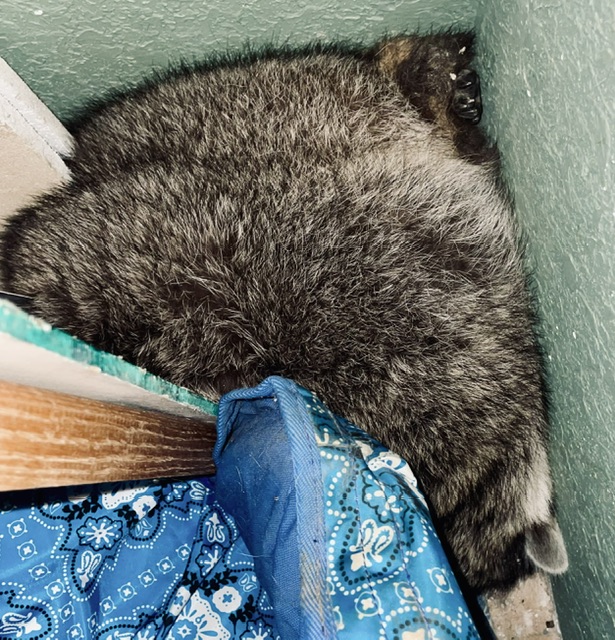
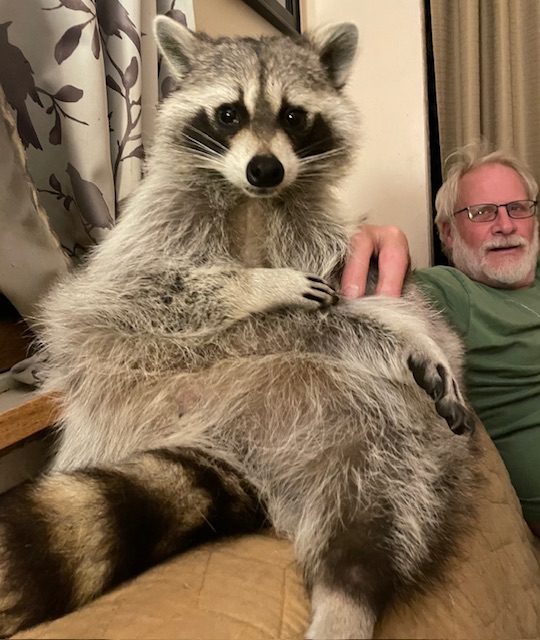
Introducing Emerson in the Library

Author Sterling North published the book
Rascal in 1963. It’s an autobiographical story
about industrial and economic changes,
wilderness being lost to industry, and a young
boy raising a baby raccoon. The antics of the
animal help alleviate the boy’s fear for his
brother who is a soldier at war.

I remember reading Rascal and desperately wanting a raccoon as my best friend. A lot of people did. We read it and watched the Disney movie based on the book. For most, the later parts of the story, where the growing animal
became destructive in captivity, just didn’t sink in. When an orphaned raccoon did come into my life, my dad was there to intervene.

The wild animal did not become a pet. There was a creek nearby with crayfish. We taught him to catch and eat them. He built strength by climbing trees. He grew a warm coat. As the days passed, we saw him less frequently. One day in December, I saw him along the creek, as I did most days. He hesitated on the path, then turned slowly away, huffing. It was like a switch turned and he was one of the wild things again.

There are more rural residents now, and fewer opportunities to slowly release a rehabilitated animal into the wild. Unless you are trained and licensed to do so, it’s against the law to contain a wild animal. Not only is it illegal, it’s unhealthy for humans and wildlife. Raccoons are especially tricky. They imprint on people very, very easily. There are licensed wildlife rehabilitators who work only with raccoons because these animals take so much time, resources, and territory to “rewild.” And there are certain parts of Ohio where it isn’t legal at all to rehabilitate a raccoon.

The Quarry Farm does not rehabilitate wildlife. When people call here, saying that they have a) a baby bird/rabbit/raccoon/squirrel or b) an injured wild animal, we a) tell them to put it back and/or b) provide contact info for someone else. We do possess educational permits from the State of Ohio for a few non- releasable wild animals that serve as ambassadors for their kind. We have the training to care for them—six years of it before we were allowed to house a Virginia Opossum. That is how Emerson the Raccoon came to live here.
Last spring, we were asked if we were in a position to care for an 8-year-old male raccoon named Elvis. He had quite a backstory. Long-story-short, the raccoon came here in a cage. His mother was shot and killed before she could teach him how to be wild and free. He grew up in a house, and indoors is what he has always known. While a long-ago head injury and neutering tempered the more destructive nature of his kind, he still had a full set of teeth and was absolutely terrified. His diet had to be altered as well, from a reliance on people-food to fruits, veggies, protein bites and absolutely no more potato chips. It took several weeks of coaxing and a name change before Elvis became Emerson, king of the tallest bookcase, keeper of squeaky toys (unless Quinn the Fox steals them), and puller of earlobes. Thankfully, he was litterbox-trained when he arrived and never misses.

Emerson dips his sensitive hands* in his water bowl,“seeing” the grapes and carrots that we drop in. It’s thought that water contact increases a raccoon’s tactile ability. His wild counterparts do the same in streams and ponds. The only other thing that he has in common with wild raccoons is his appearance. Emerson has always lived his life completely contained and will continue to do so. At least he will help us teach people more about how to co-exist with these intelligent, curious animals.

*For more information: https://northernwoodlands.org/outside_story/article/ raccoons-hands

Rippling lines

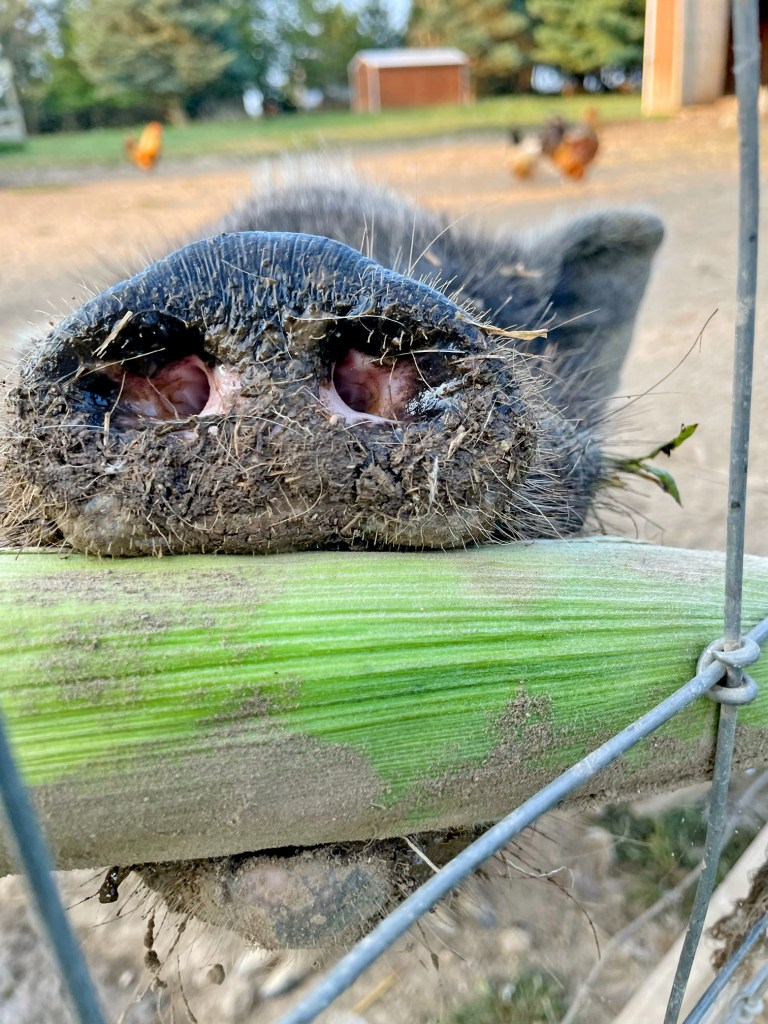
Bob’s special breakfast: Hilty sweetcorn

There isn’t much opportunity to travel for us. Someone (someones, ideally) must be on hand who can carry 5-gallon buckets in winter when the water hose is detached and who can suggest to a 700-pound, heat-prostrated pig that she shouldn’t block the paddock gate but rather get up and plunk herself in the cool mud wallow. Someone(s) must know the various bird and mammal personalities well enough to convince them to go in at night and how to distribute breakfast the next morning so that everyone gets enough. It takes a small village, one that doesn’t have a whole lot of residents.

Occasionally, we are able to be away; two of us together. Just a few nights ‘away ‘abroad’ are enough to remind us why we choose to live here in the middle of braying, crowing, wallowing, and leaf whispers. It’s good to return to this place where the cricket frogs still sing in Spring and screech owls screech and make guttural whoops in Fall. They do that last thing, you know. It took us the longest time to figure out that the same little owl with the high-pitched warble also growls.

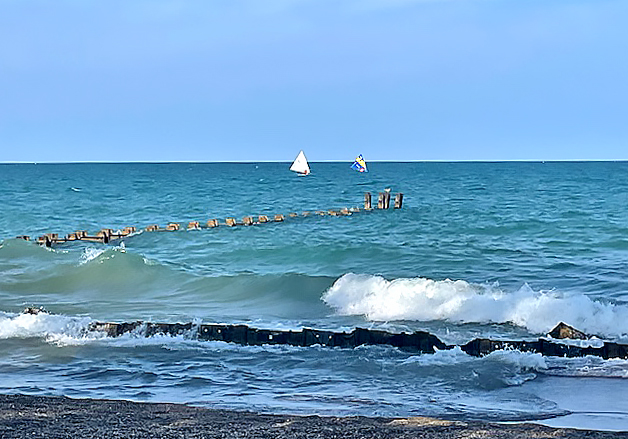
Lake Michigan at Millard Park

Last Friday, we piled stuff in the car and drove to visit family and an art festival in Chicago. Chicago seems a world away from our one-lane rural road, but it’s only slightly longer than a trip across the width of Ohio. Our route through Indiana featured 3 hours of very dry corn fields before Gary, IN brought us to the Skyway bridge to Illinois (complete with a troll on either side to pay.) The Democratic National Convention had ended the night before, but that traffic was joined by incoming patrons of 2 art festivals (including ours), a world music fest and a tattoo extravaganza. After two hours of Friday evening on I-94, we dipped our sweaty fingers and toes in cool, clear Lake Michigan at Millard Park.

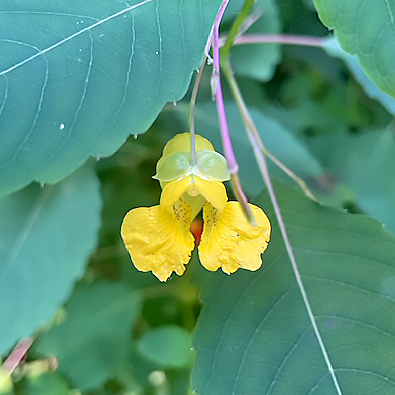
Yellow Jewelweed
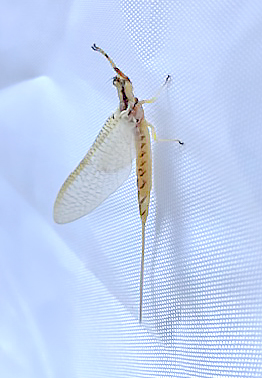
Mayfly

Millard Park, as well as other Chicago-area parks, bike paths, and train right-of-ways are undergoing habitat restoration. There are signs informing pedestrians that the Wingstem, Cup Plant, Joe Pye and Iron Weed planted along the paths are part of a concentrated effort to restore the natural balance of the region. The gardens surrounding mansions and bungalows are planted with riots of native purples, magentas and golds rather than specimen cultivars mulched to the stem as is commonly done in Northwest Ohio. The deep roots of those native plants are part of an effort to restore health to soil and to filter impurities from Lake Michigan’s watershed. The lake itself entertains, bathes, and quenches the people, animals, birds, and insects that live there. Deep in the ravine road to Millard Park, orange and yellow touch-me-not Jewelweed camouflages multimillion-dollar home drainage systems.

The same plants live on The Quarry Farm. Goldfinches burst from the riot of color planted along Chicago Transit Authority’s Purple Line just as they do next to Red Fox Cabin. Jewelweed pods pop from a dragonfly’s touch along Cranberry Run. The more Jewelweed the better. Its natural astringent powers stop the itch of poison ivy that it grows alongside.

Many of us Midwest/Easterners also experience the late summer emergence of cicadas. A couple of weeks ago, My Steven worried that he hadn’t heard them much recently. Two broods emerged in Illinois this year, including in Chicago. This is the first time these two specific broods have co-emerged since 1803. The first brood thrummed above the streets and sidewalks in June. They suffered from over-active libidos when Massospora cicadina—a puppeteer fungus that rivals the post-apocalyptic mushroom heads featured in “The Last of Us”—replaced about a third of each insect’s body, including the parts that fuel reproduction. Currently, the city is being serenaded by the second brood. On the ride home, I heard a news report about these cicadas’ eggs are being invaded by Oak Leaf Itch Mite populations. The mites are always around. They normally invade other insect eggs housed in the galls on oak leaves. But the mites are having Chicago field days this summer. They feast on the eggs of some trillion Brood XII and Brood XIX cicadas. The frenzied mites fall from the trees and keep munching. Tasty humans are advised to wear long sleeves rather than spray.

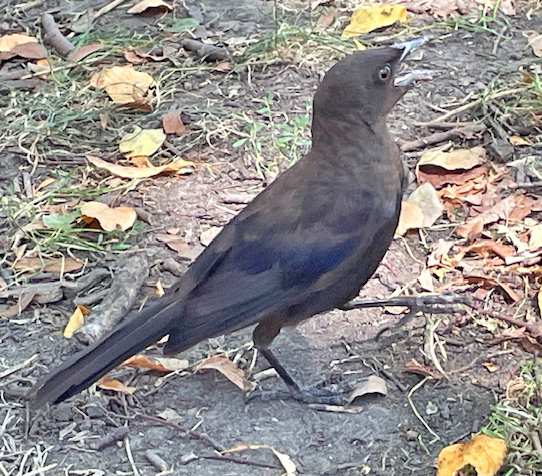
Juvenile Grackle hunts for cicadas
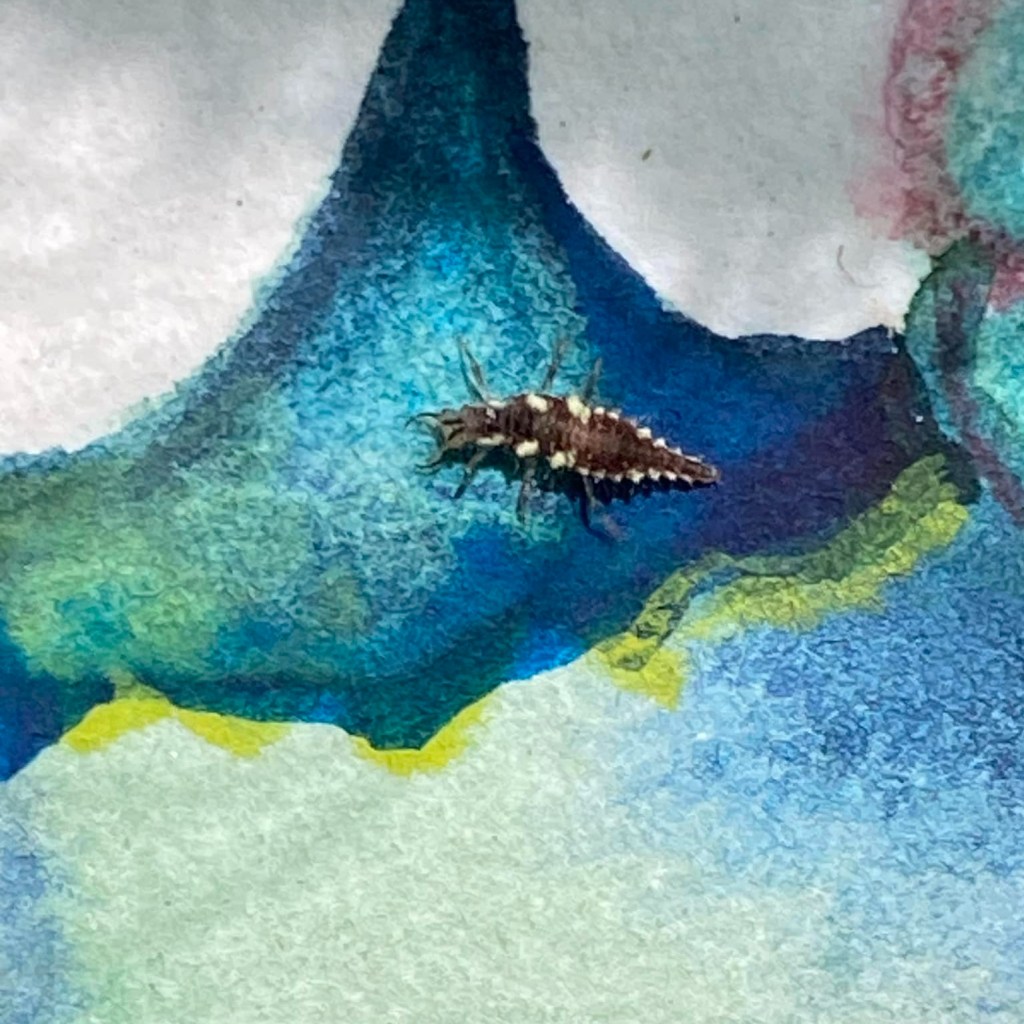
A beneficial, art-enthusiastic Red-lipped Green Lacewing (larva)

But spray they do. As we shaded under American Hackberry trees at the Bucktown Arts Fest, a citronella candle burned in the park oval. A juvenile Grackle hopped in and out of artists’ tents, dismembering and eating cicadas every few feet. He hopped over to the candle, tried to perch on the rim and, shrieking, scurried under an awning. He was chased back out. The chaser sprayed a stream of DEET up and down their thighs, complaining of insect bites. A dead Assassin Beetle larva—a beneficial insect—fell from the air onto my watercolor paper.

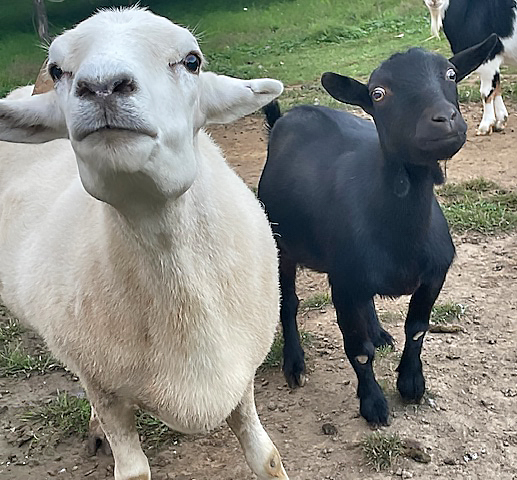
Willy and Pluto

We drove through our front gate on 7L on Monday evening. Our bellies were still full of deep-dish Chicago pizza and 7-layer halva. It was hot and sticky and cicadas were singing in the nature preserve. Quinn screamed and wagged her tail. Steve collected tufts of shed fox fur that she left in her wake and we remembered why it’s good to get away and come home again.

Total eclipse is just one week away

Chris Brown’s 7th Grade Science students from Glandorf Elementary visited The Quarry Farm on March 15 to demonstrate how to safely view the April 8 total solar eclipse and to make a solar eclipse viewer from a cereal box, as well as one made out of a paper towel roll. Videos of the students are posted to The Quarry Farm YouTube Channel and Facebook page. The videos, recipes and posters were also designed by the students and those are shared on Facebook. The farm animal sanctuary residents provided video commentary.

Debbie Leiber, Deb Weston and David Seitz have been working hard to keep the trails clear, what with all of the high winds dropping branches from treetops. They have been harvesting bush honeysuckle trunks which are made into hiking sticks throughout the year. The Quarry Farm is part of Toledo’s Imagination Station Ambassador program. As such, we were provided with lesson plans, solar eclipse glasses and photo-sensitive beads that will change color during totality. Those beads will be available for registered participants to string on the handles of hiking sticks during our April 8 “Total Eclipse on the Prairie” program.

March 1 was a bit chilly starting out, but a good day to work in the woods, according to David Seitz. He posed here next to one of the mammoth, invasive bush honeysuckle shrubs that he has been removing from the nature preserve for five years and counting. He does a brushcutter sweep periodically to keep fast-growing seedlings from filling back in. This gives native wildflowers and trees a chance to grow in their place. Dave has also cut scores of wild grapevine and poison ivy that pull down and siphon energy from the native trees.

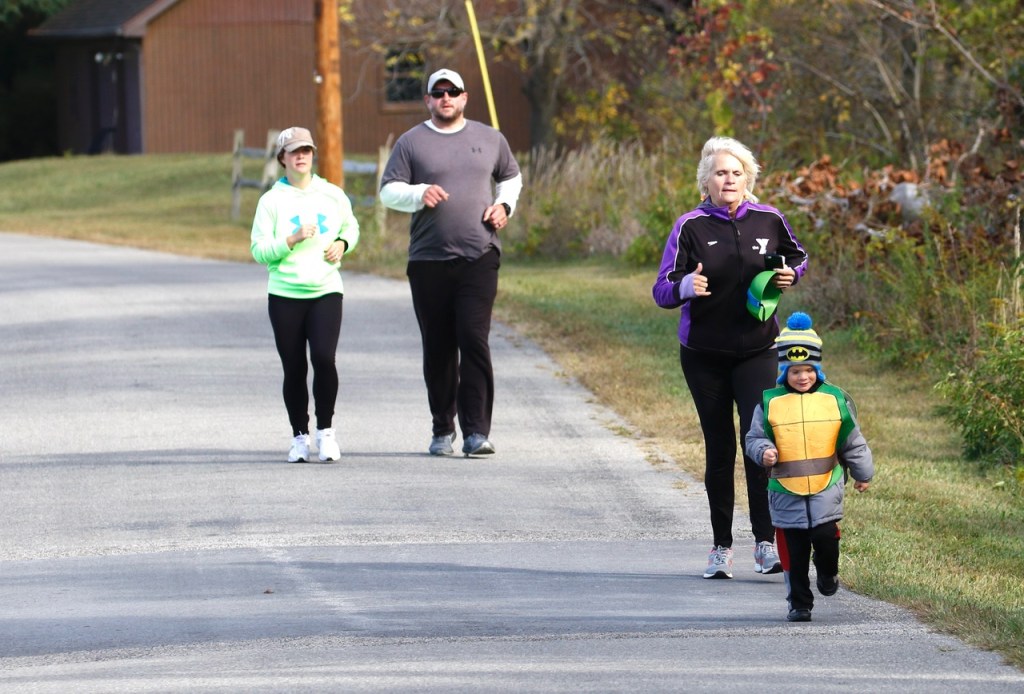
2023 Photo Finish

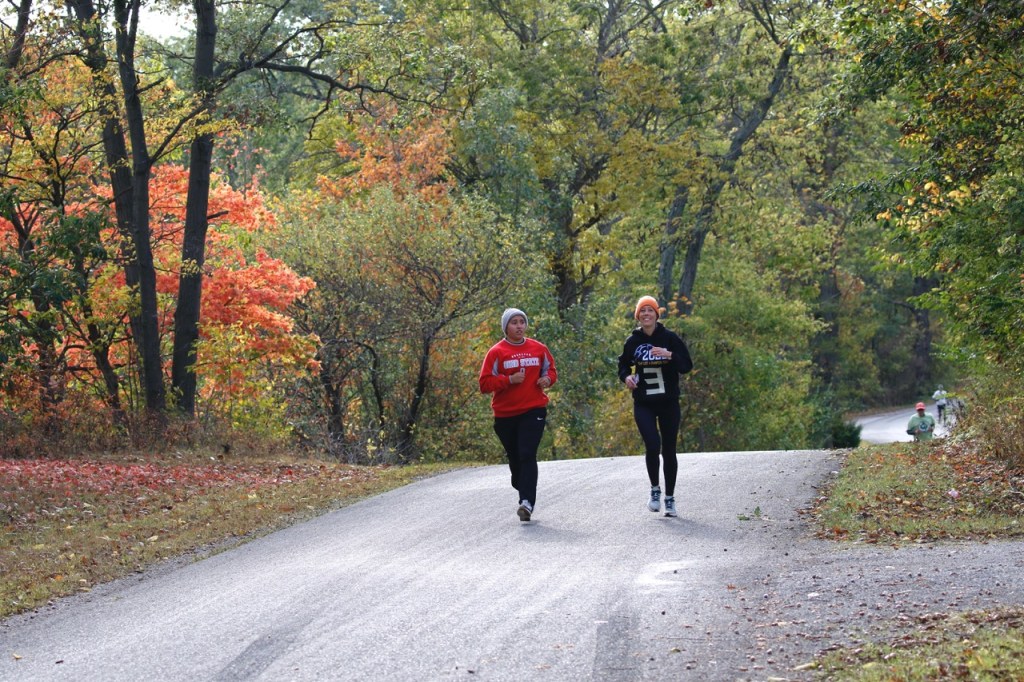
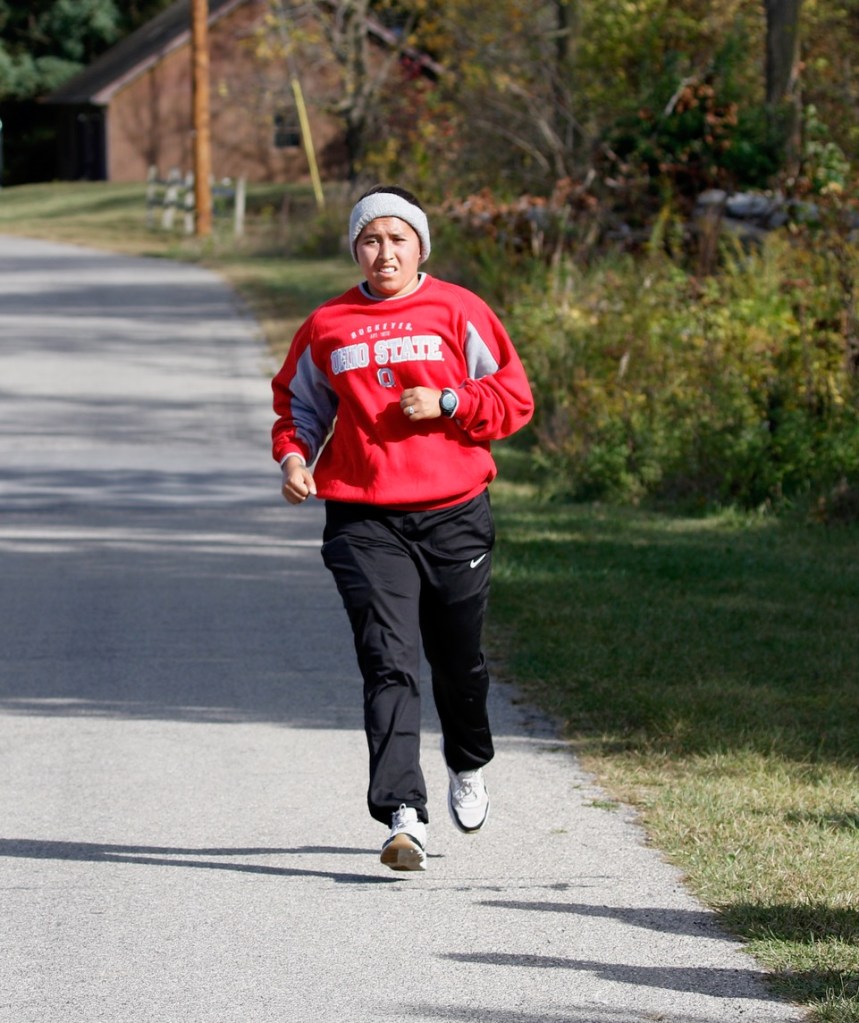
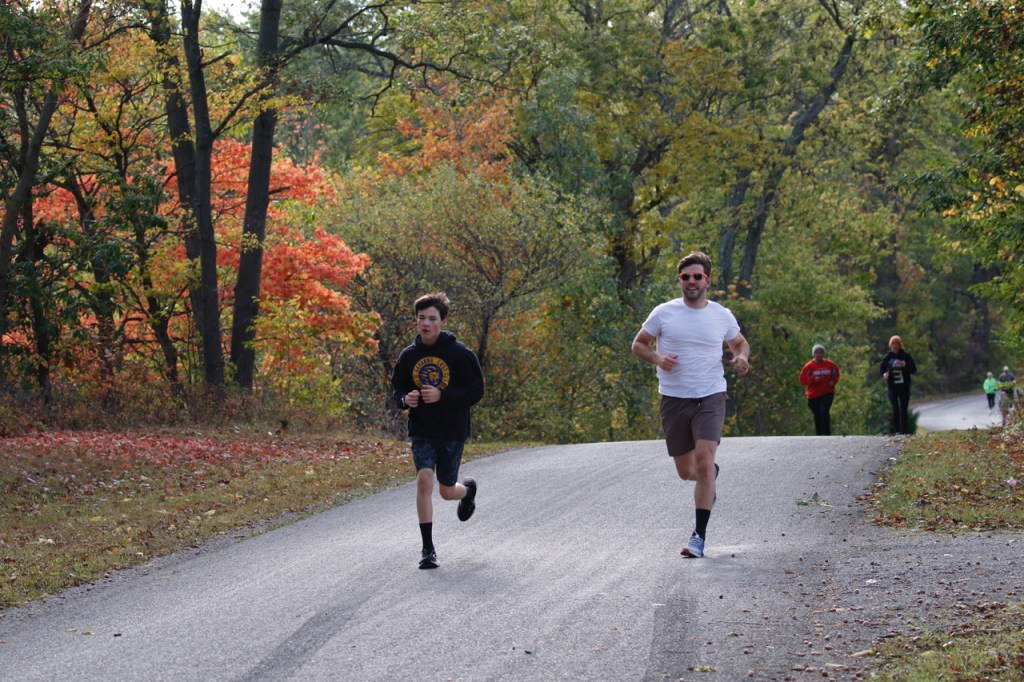
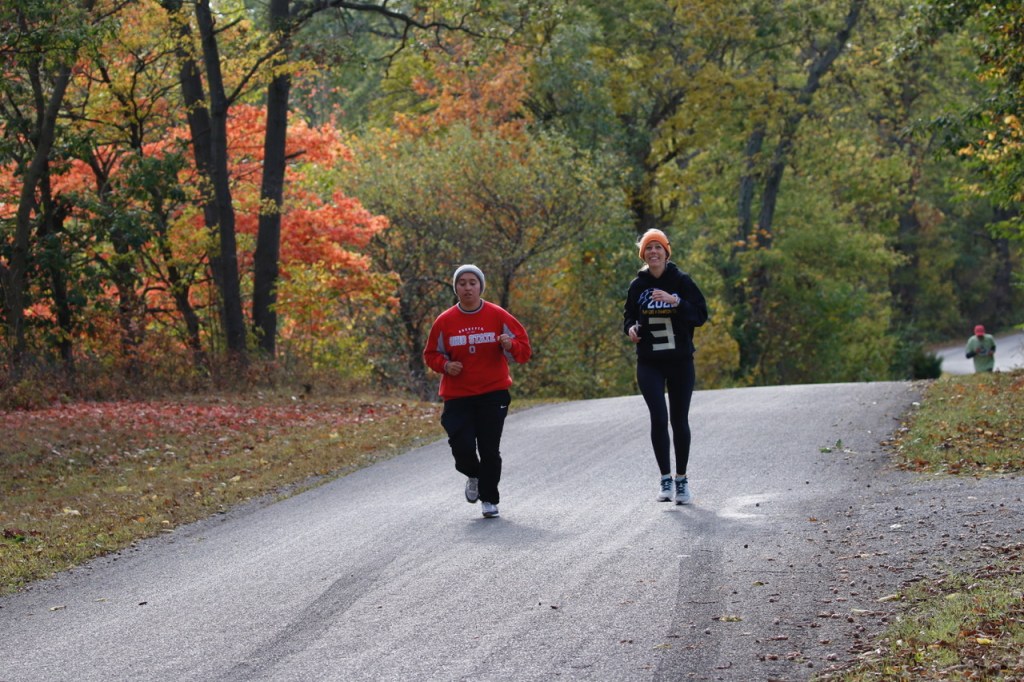
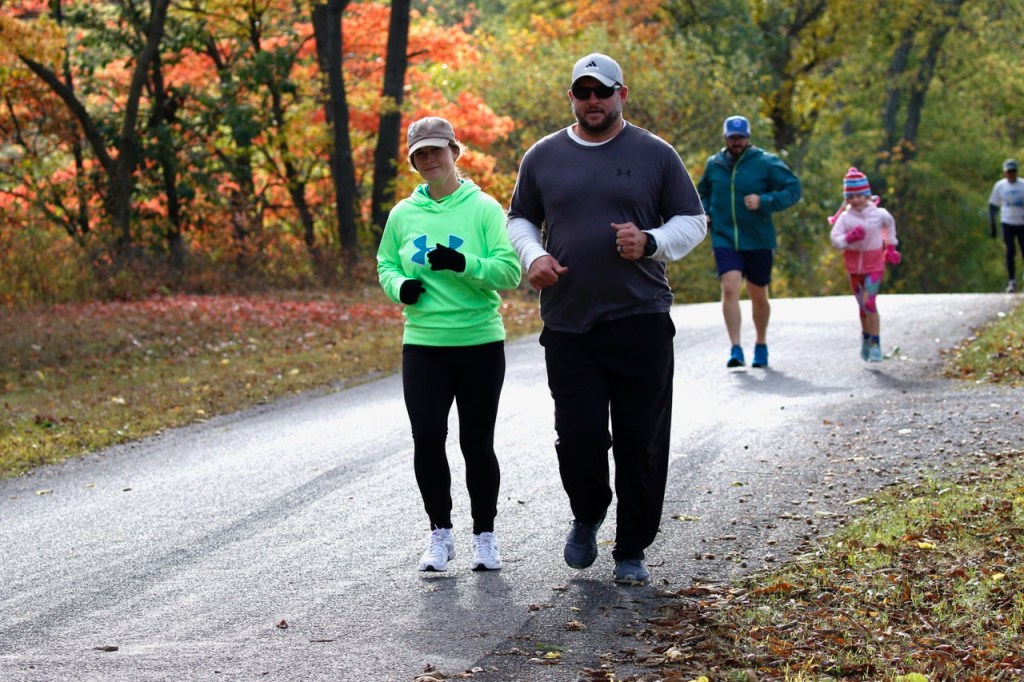
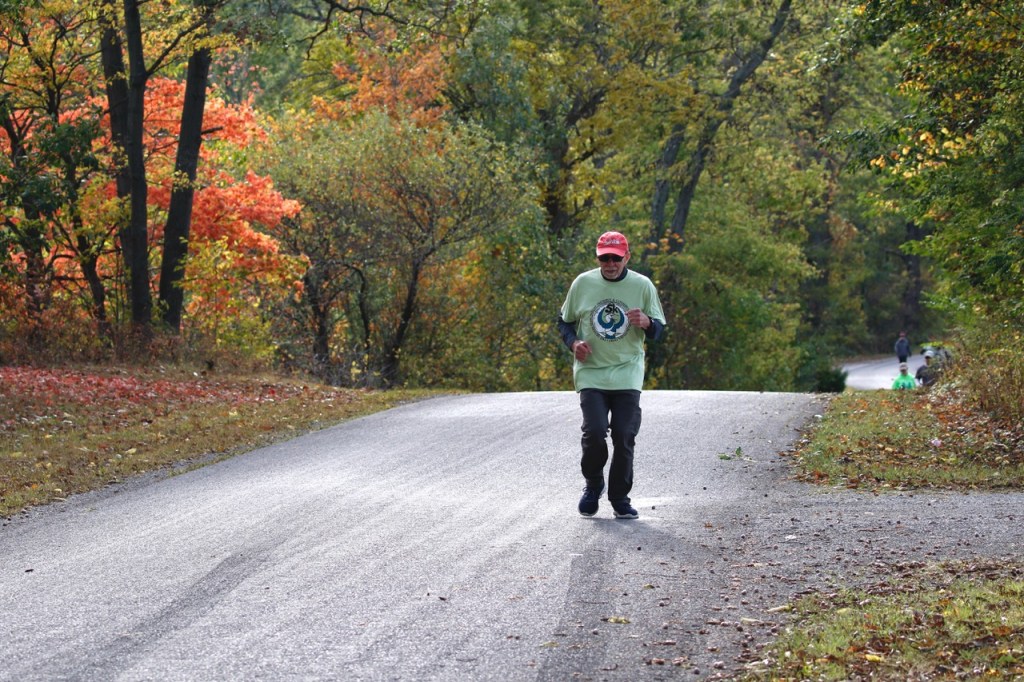
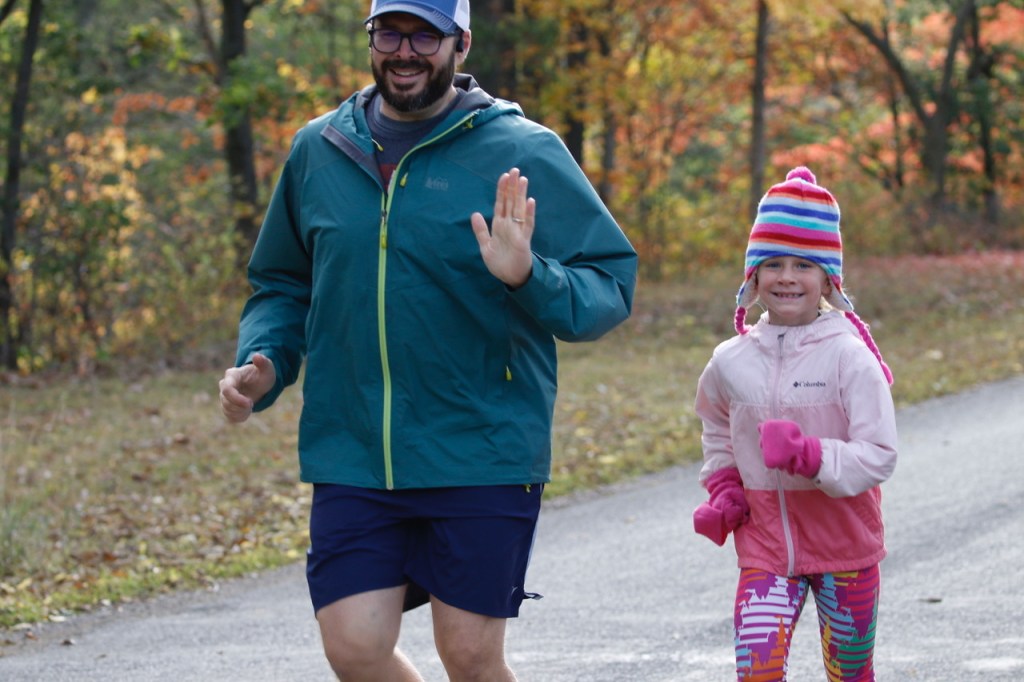
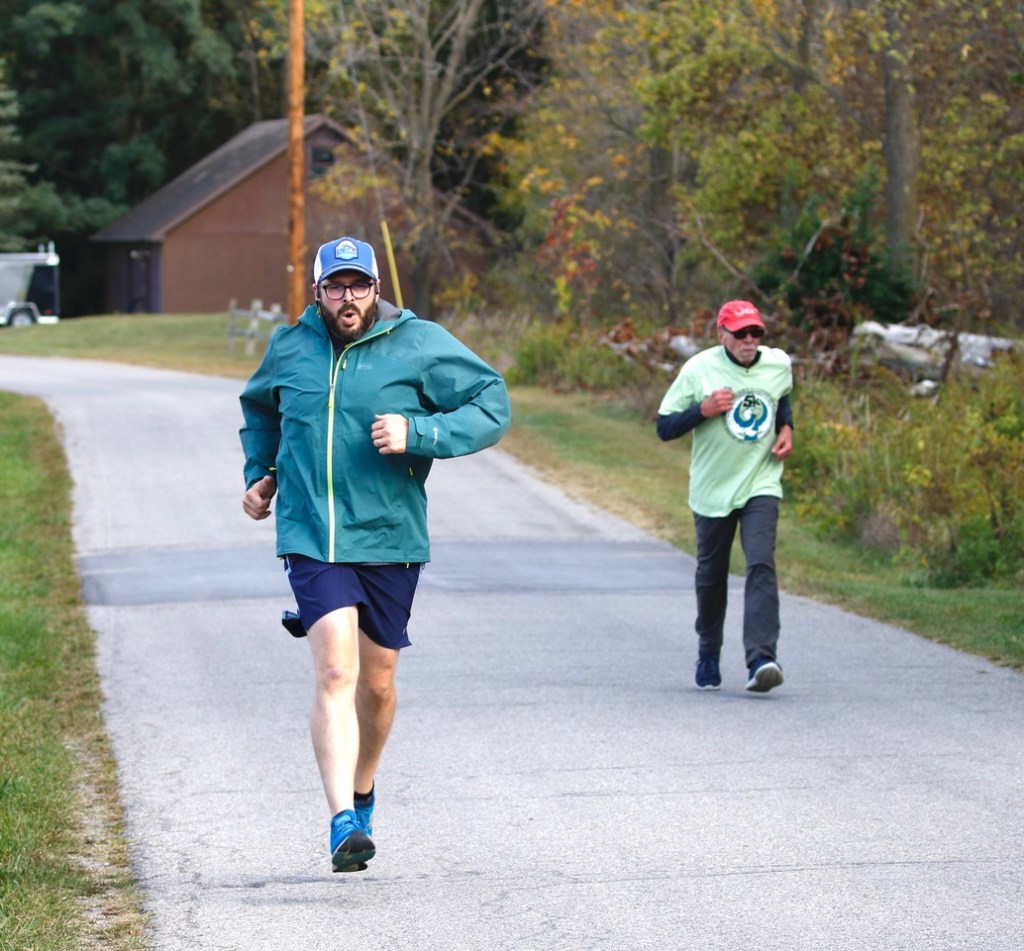
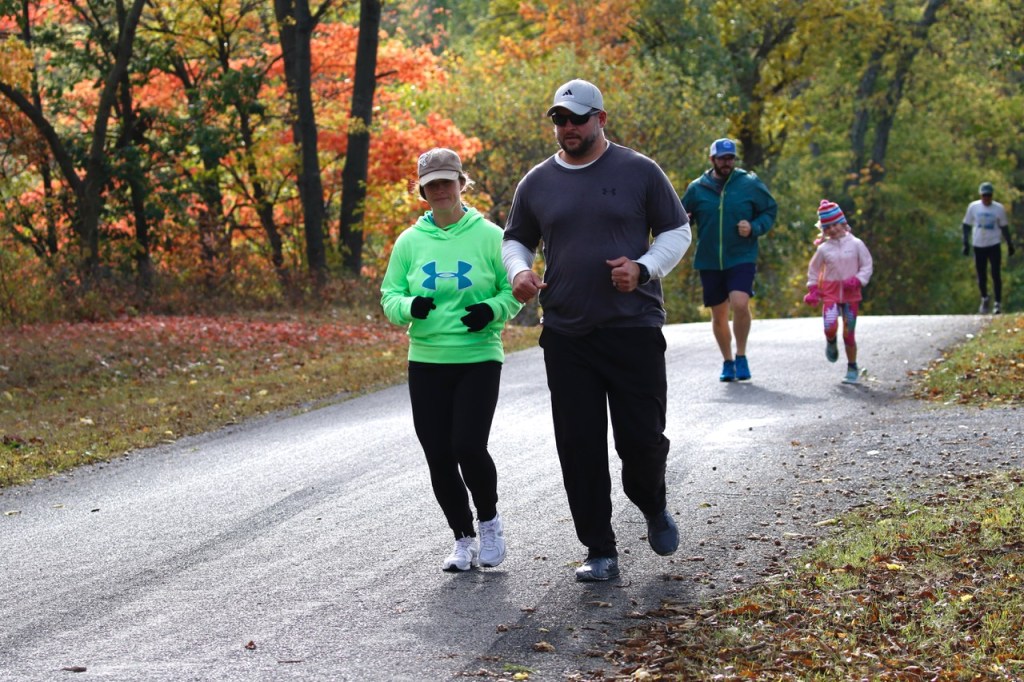
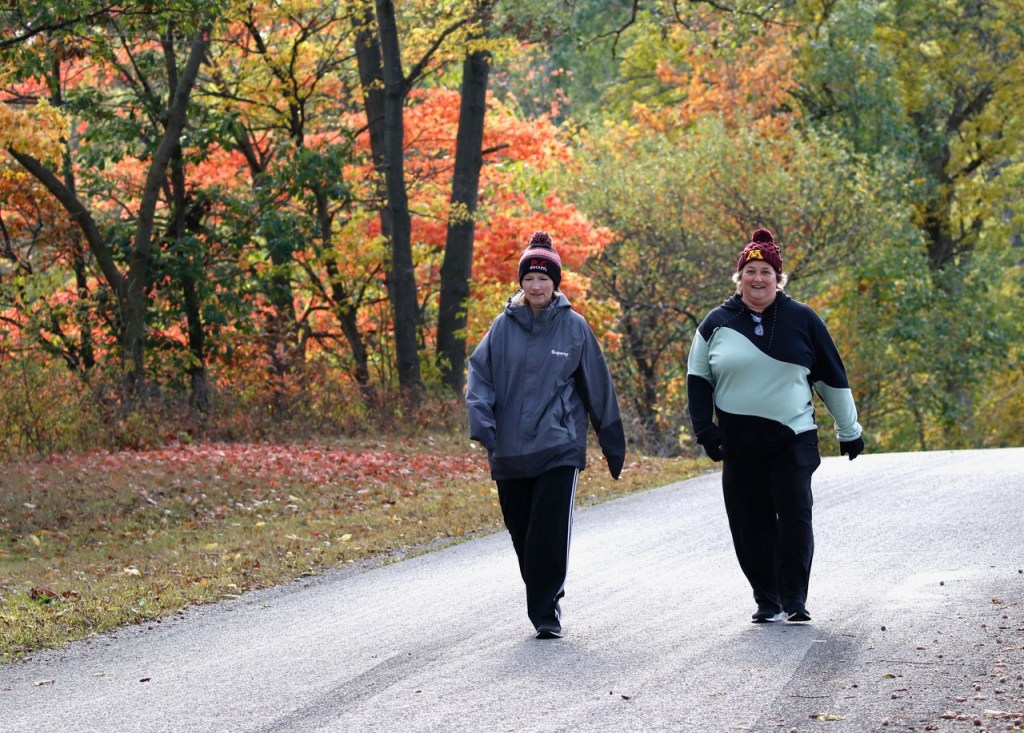
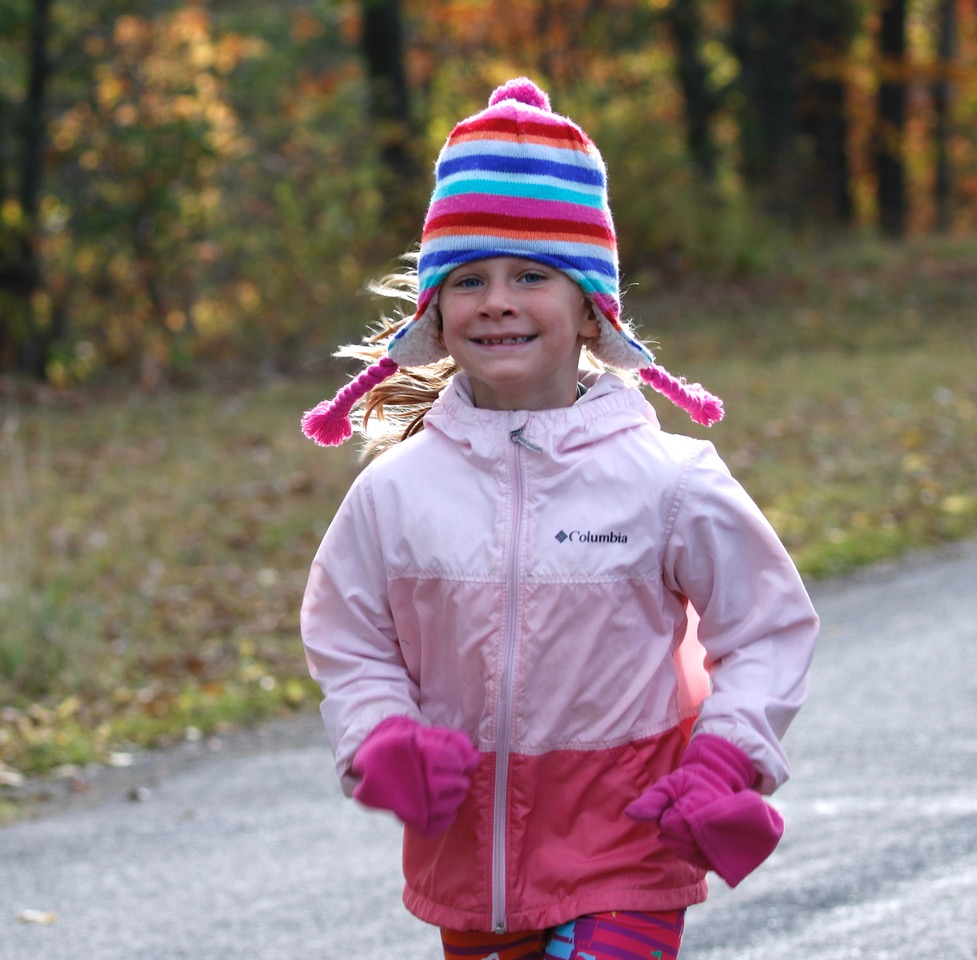
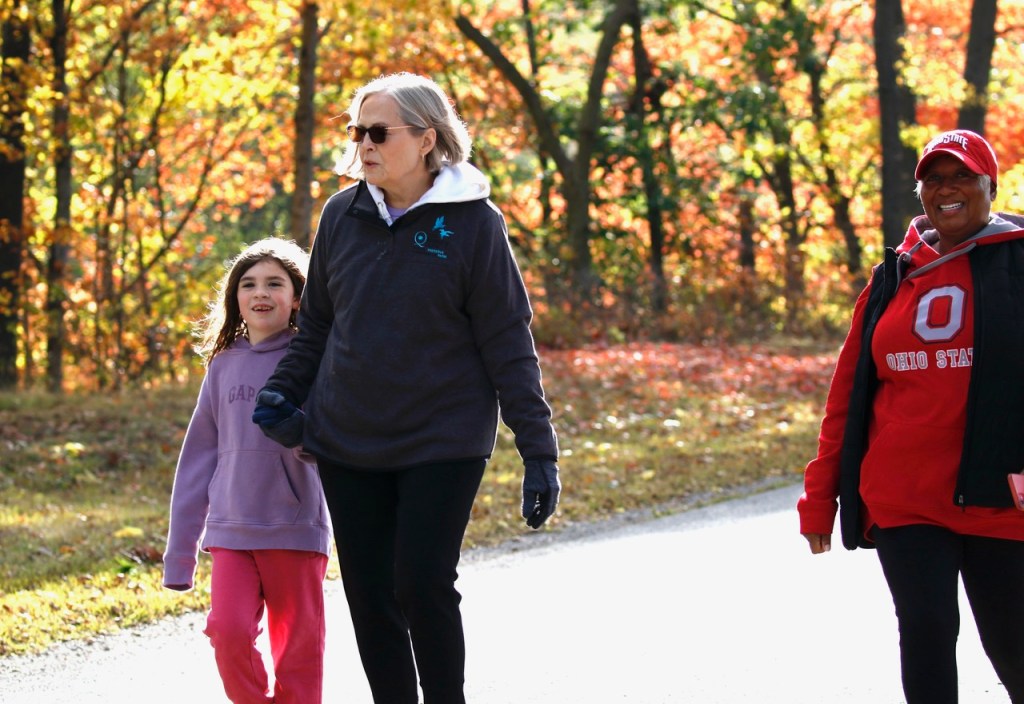
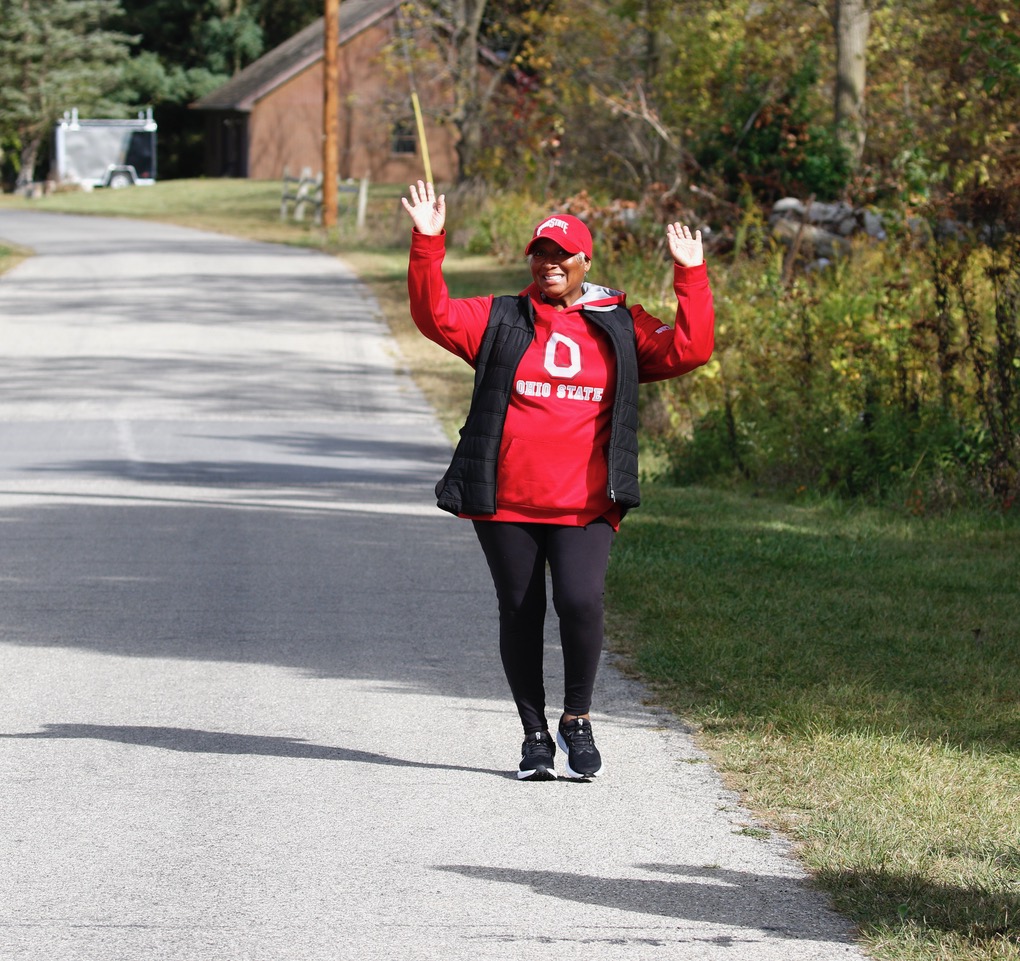
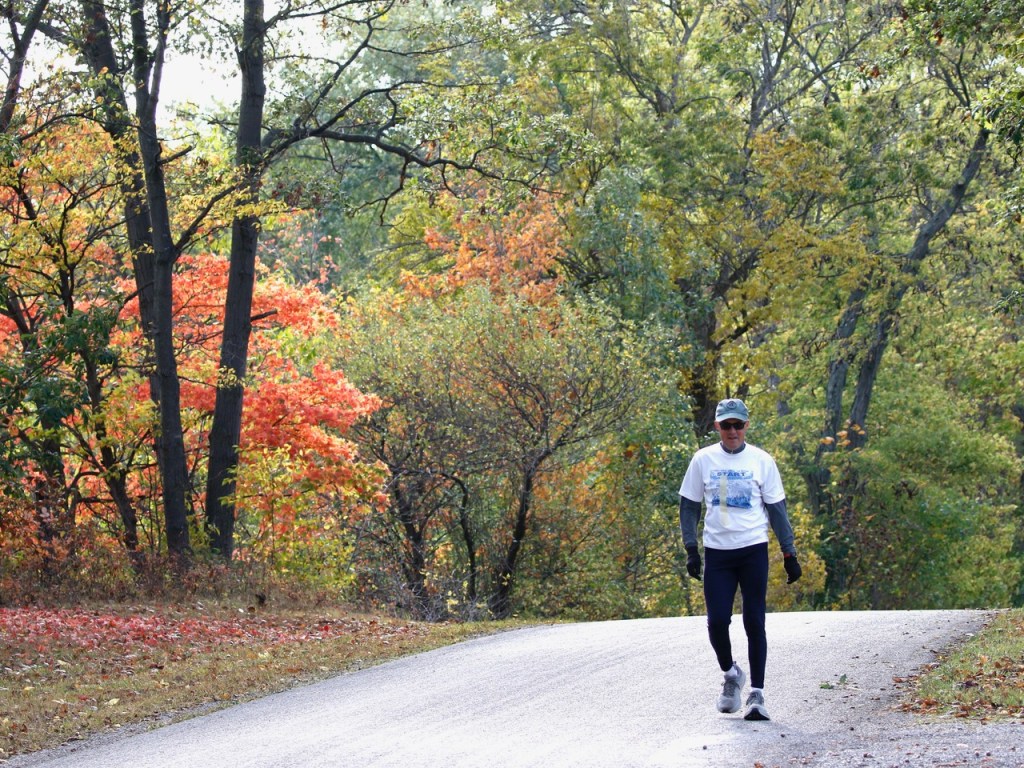
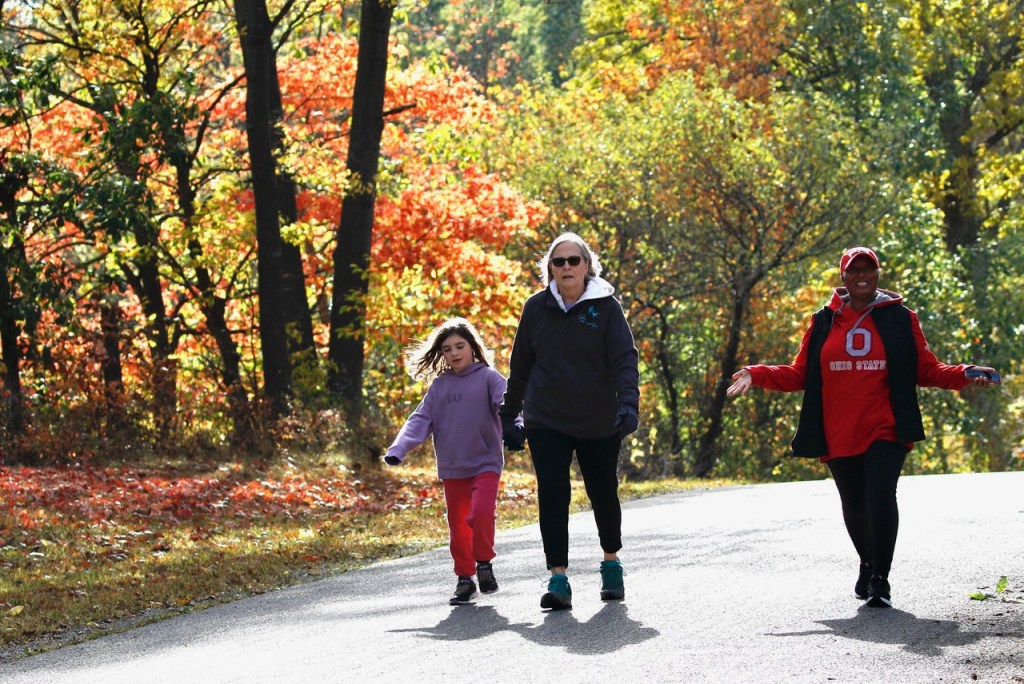
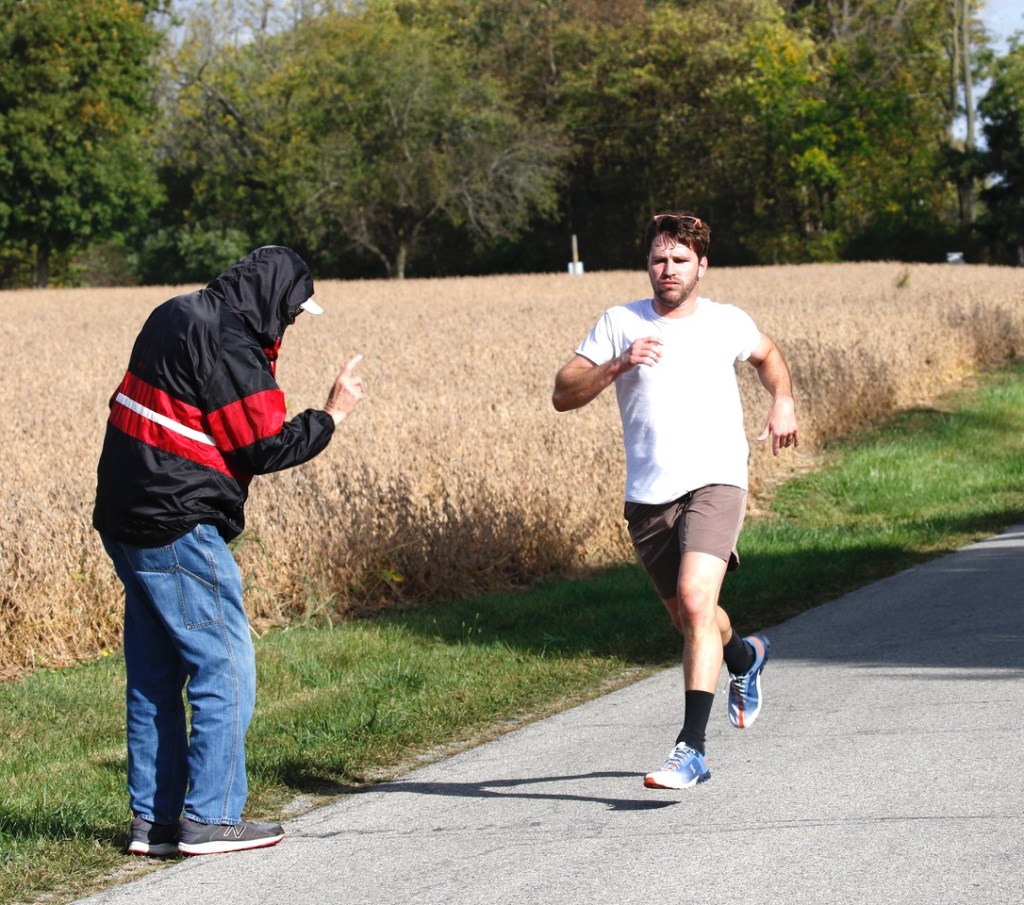
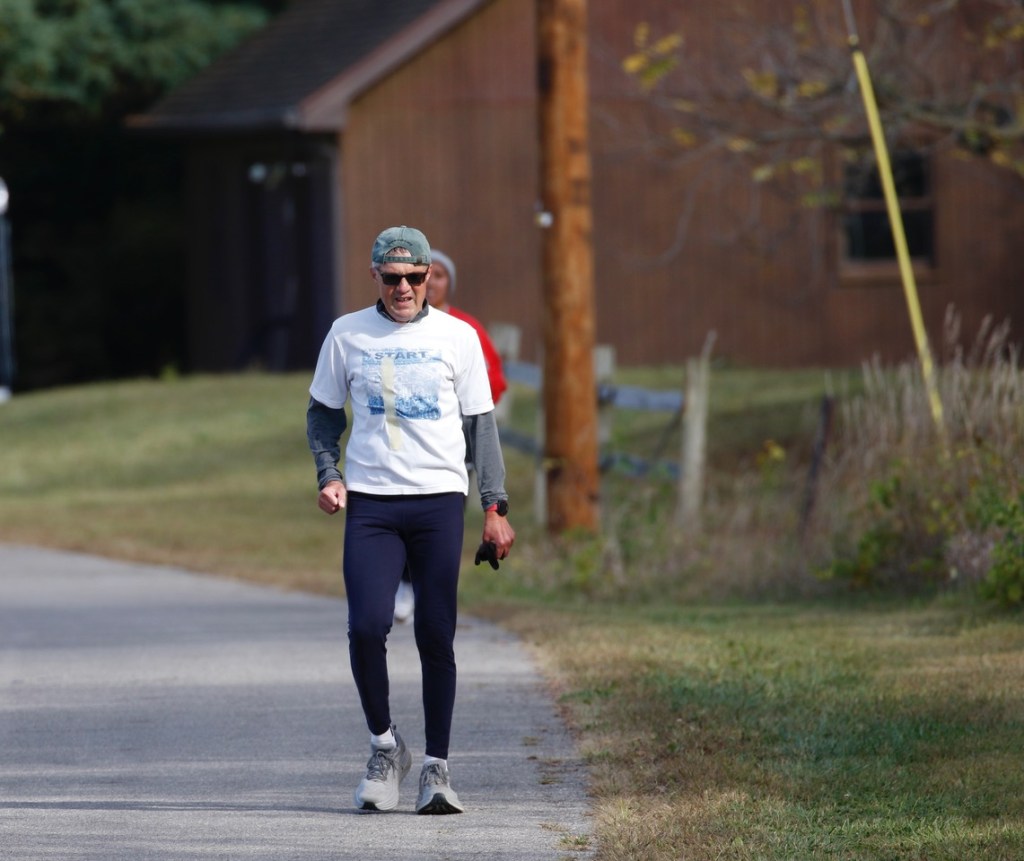
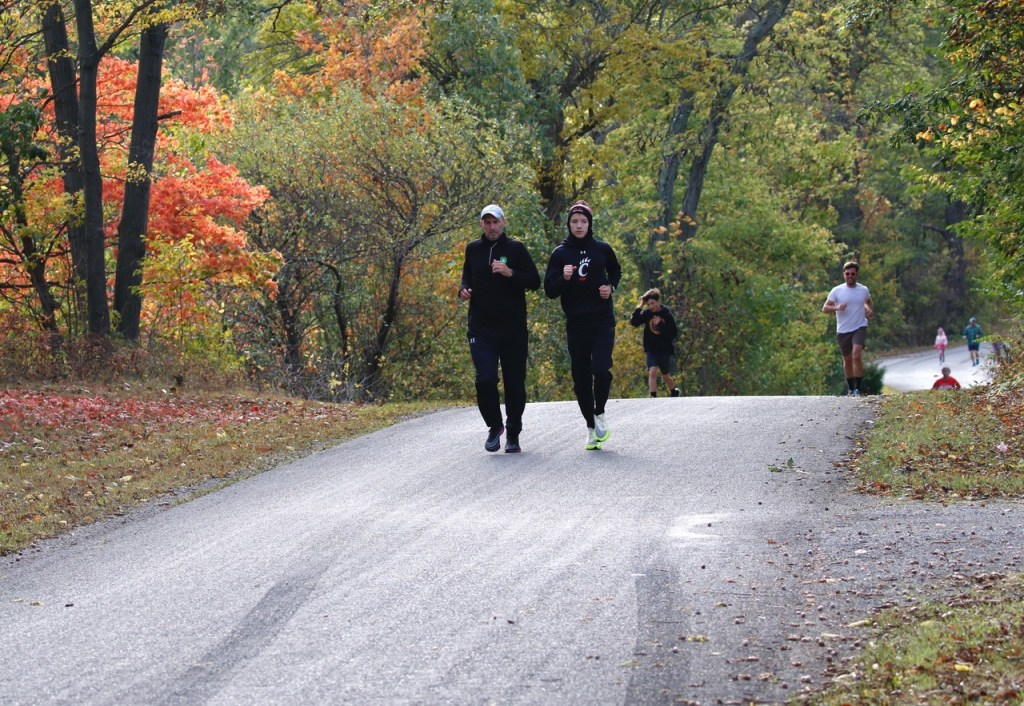
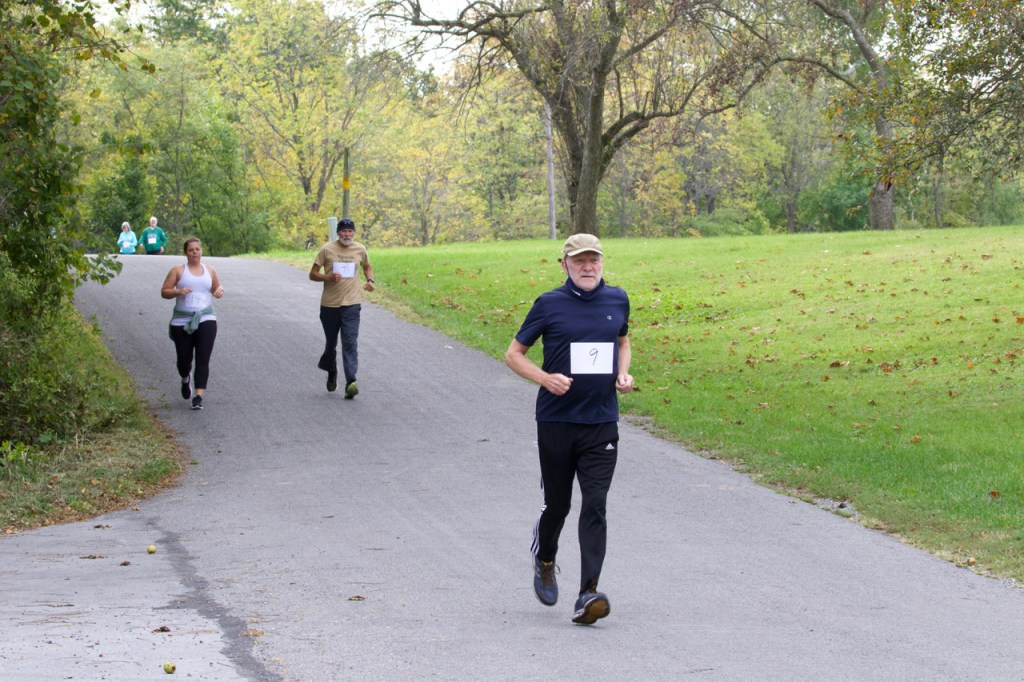
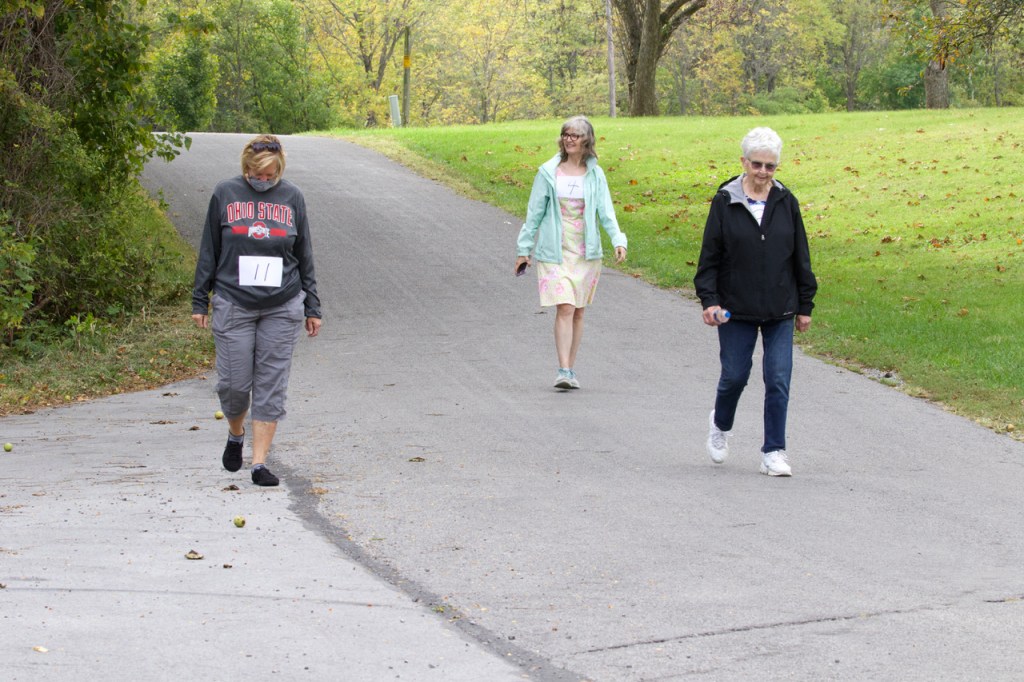
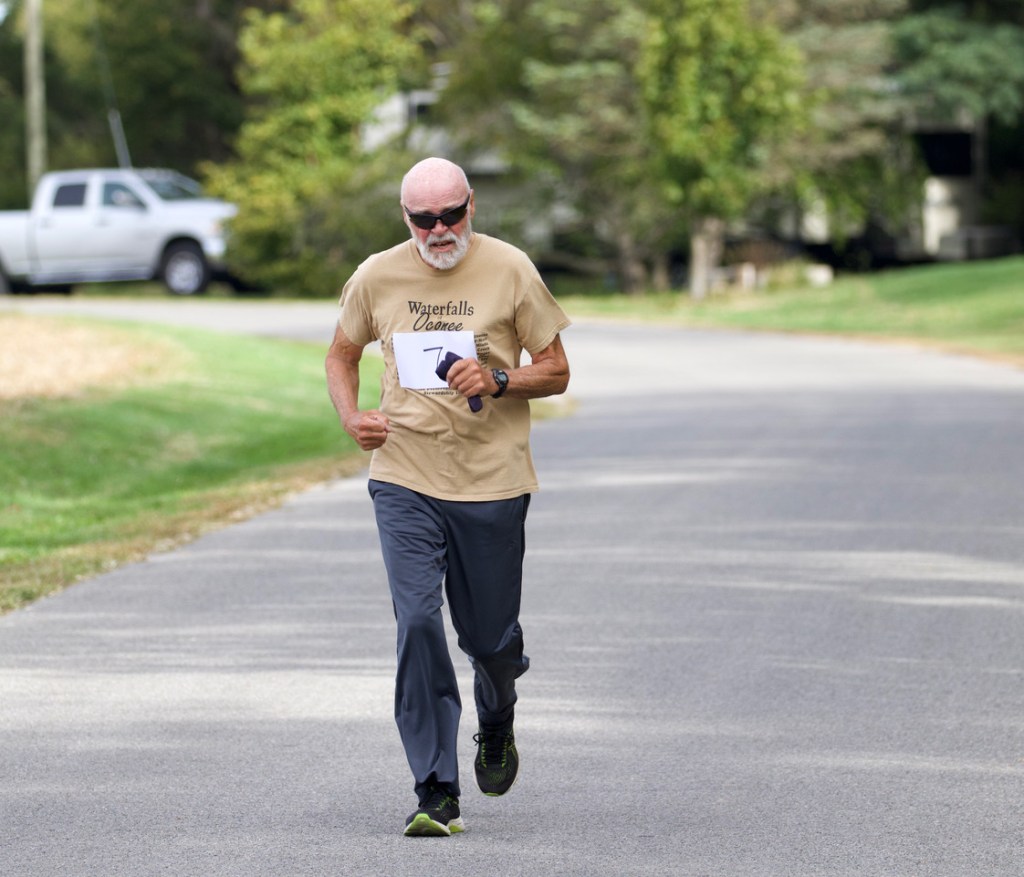
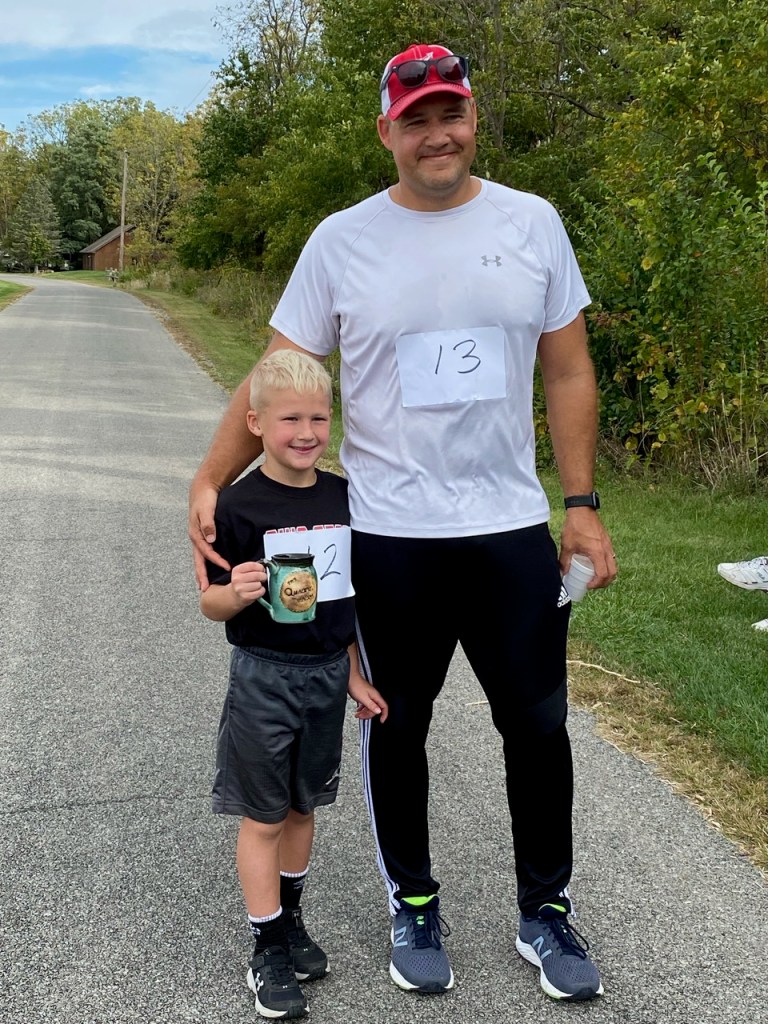
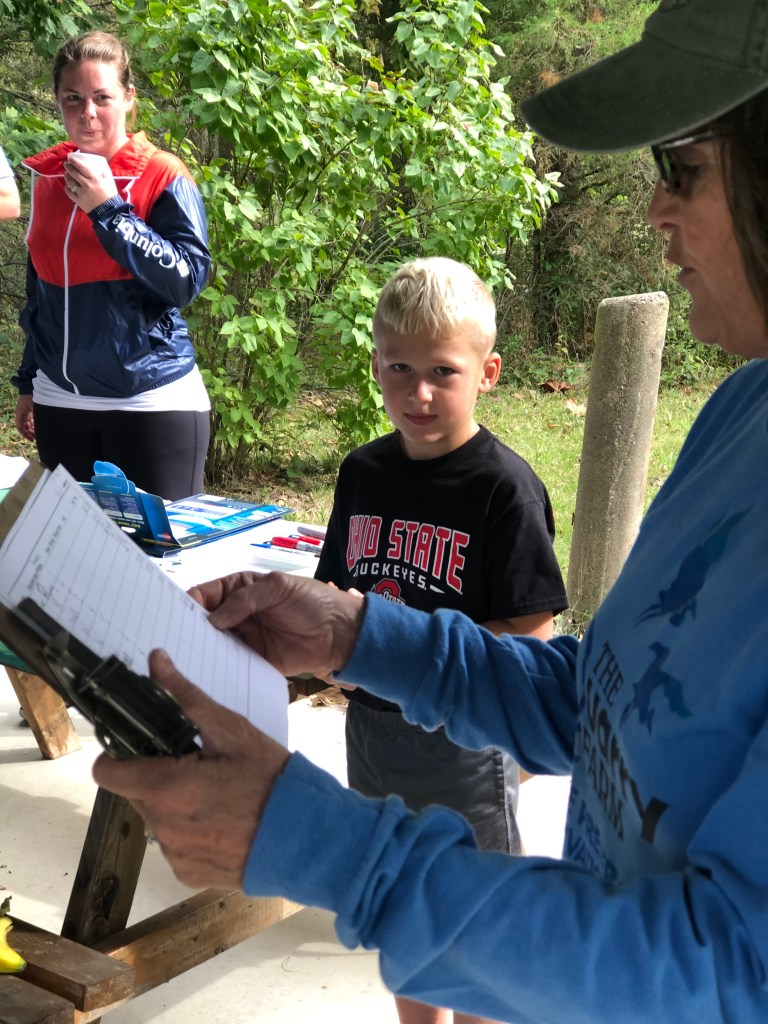
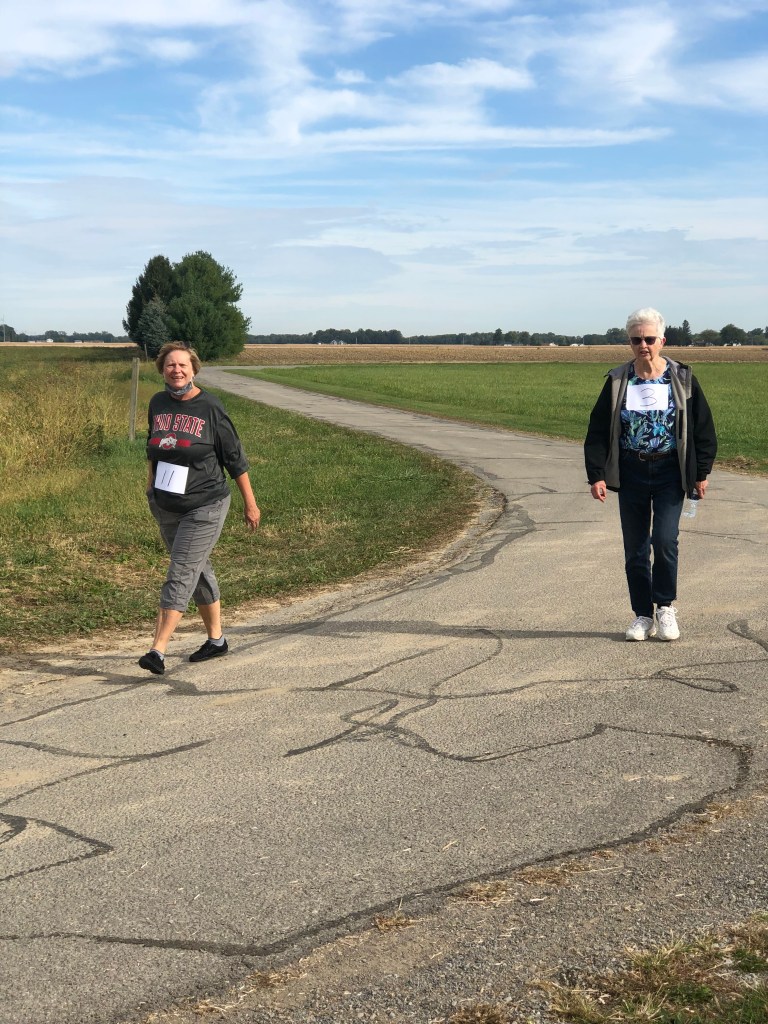
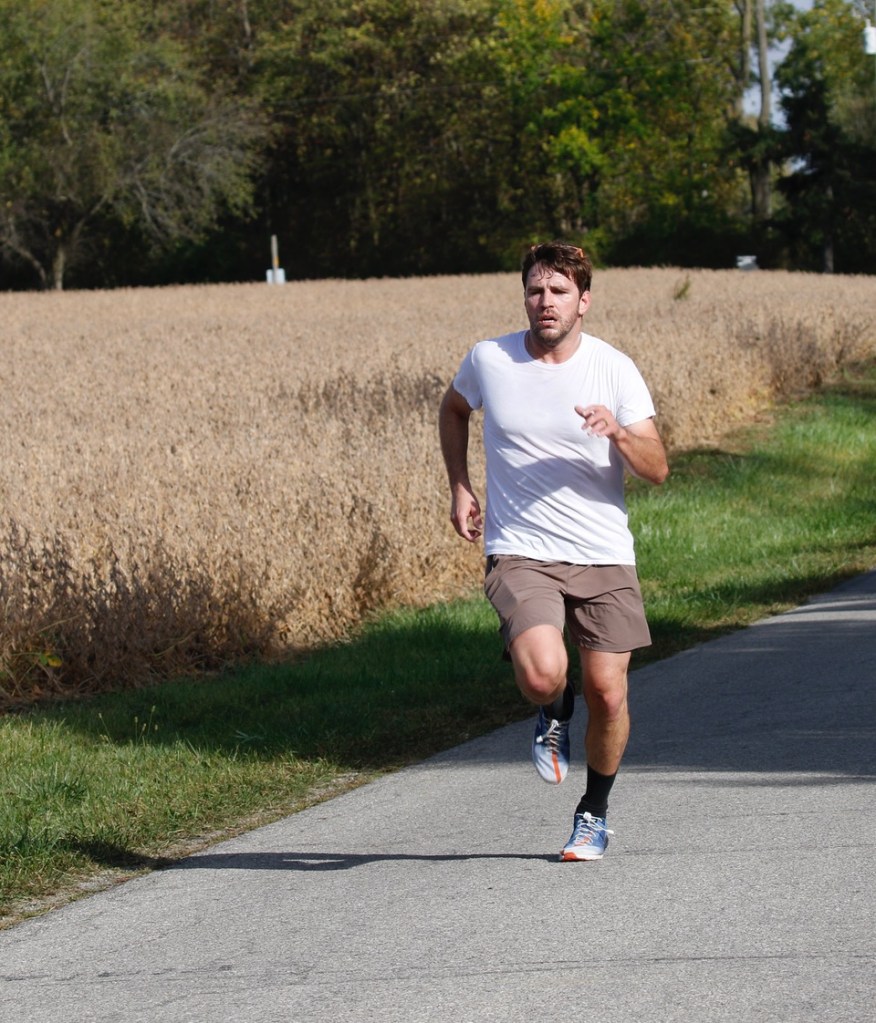
The 8th Annual Quarry Farm 5K crossed the starting line on the first truly chilly, windy day of autumn 2023. Two days ago it was hot and dry. Good running and walking weather blew in overnight, dropping temperatures at least 20 degrees and changing leaf color.

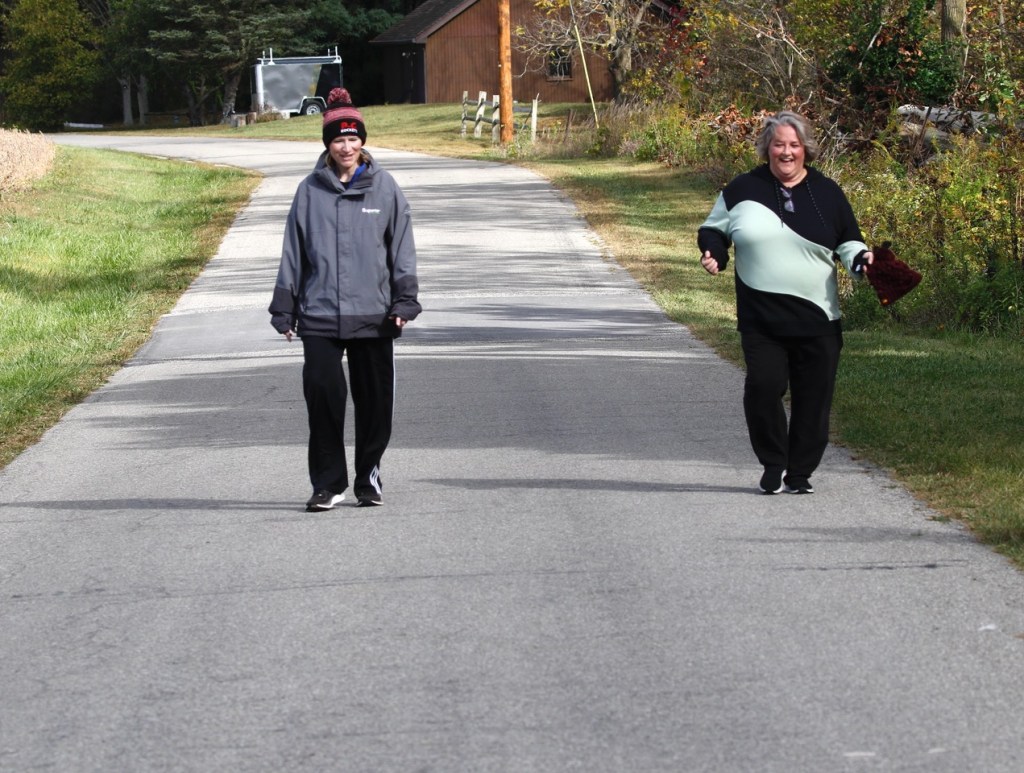
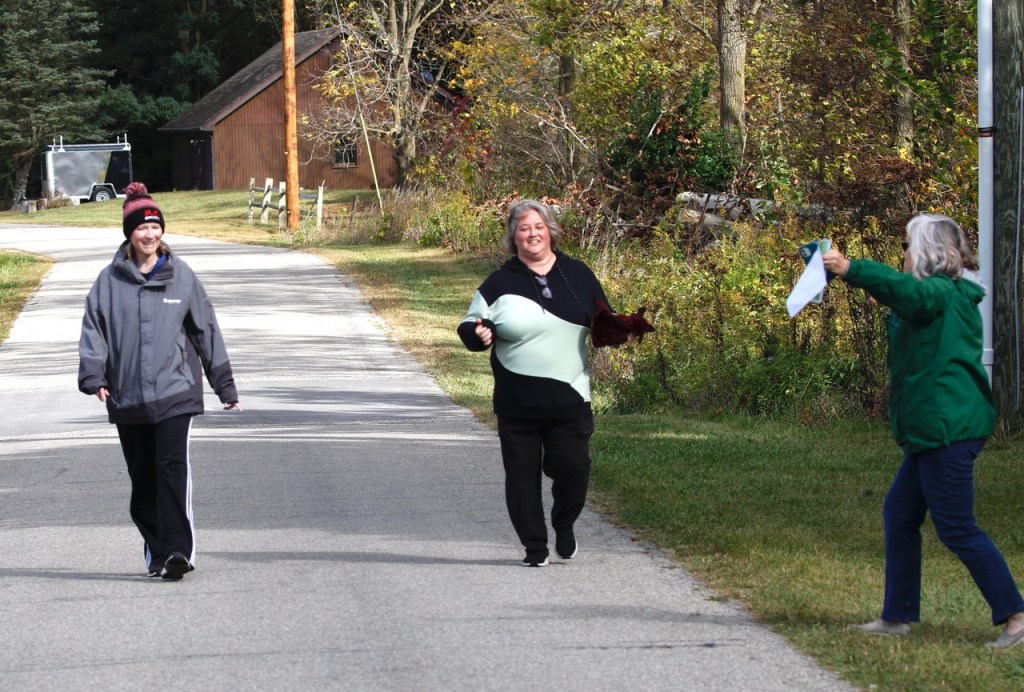
Runners and walkers headed into strong westerly gusts then unzipped their jackets and sweatshirts at the halfway point to float with the wind to the finish. Phil Buell came in first for men, with his son Adam on his heels. Susie Ricker was the first woman 5Ker. Casey Walker was the first walker. An anonymous mini Teenage Mutant Ninja Turtle won the children’s division.

Deb Weston and her camera captured the morning. Much-needed rain has settled in for the afternoon, making this a good time to curl up with hot tea, a blanket and a bunch of fall fundraiser photos.

Speaking up for moles (again)

Overheard: “The moles are tearing up my yard/bulbs/flowers/stones/!”

This article appeared in the Winter 2017-2018 issue of The Quarry Farm newsletter. It bears repeating. Your, and our, yard is better for the presence of moles.

Not long ago after autumn rains had softened the baked lawn around Red Fox Cabin, little volcano-shaped mounds erupted here and there, heralding the arrival of moles. Moles don’t alarm me because their burrowing hasn’t seemed to cause lasting damage in the garden. However, convinced that the humans on a nature preserve should be knowledgeable about their fellow inhabitants, I went online to learn more about moles.

Members of the family Talpidae, moles are found in most parts of North America, Europe and Asia. Seven species live in the U.S., the Eastern Mole being common in our region. They are 5 to 7 inches long, larger than shrews and voles. Males are called boars; females are sows; and the young are pups. A group is a labor (perhaps because they are so industrious?). They are carnivores, not herbivores. Their diet is primarily earthworms, grubs, and the occasional mouse, but not our garden plants. Once they have eaten the food in one area, they move on.

Moles are amazingly adapted to a subterranean life. They can distinguish light from dark but not colors. Although their eyesight is dim, their hearing and sense of smell are so acute that they can detect prey through many inches of soil. They have large, powerful, outward-pointing front legs and claws for pushing dirt aside as they “swim” through soft, moist earth. They are able to disappear from rare ventures to the surface in 10 seconds flat, to tunnel 1 foot in 3 minutes and to run through established tunnels at about 80 feet per minute. Their short, velvety fur is non-directional, causing little resistance as they move rapidly through tunnels. (Their soft, dense pelts once supported a thriving moleskin industry.) Moles can survive in their low-oxygen environment underground because they can tolerate the high carbon dioxide levels in the exhaled air they reuse. Their saliva paralyzes prey, which they store, still alive, in underground “larders” for future consumption. Moles can detect, capture, and eat their prey faster than the human eye can follow.

Moles make 2 types of tunnels: feeding runways close to the surface where the molehills pop up and permanent tunnels about a foot or more underground, leading to a nest about 2 feet deep. What might look like the work of many moles can be the product of one busy tunneler.

Moles are solitary and highly territorial, coming together only to mate. Breeding season runs from February to May. From 2 to 5 pups are born after a 1-month gestation, and leave the nest 30 to 45 days later in search of their own territories. Although tunnels may overlap, moles avoid each other and will attack and even fight to the death when they meet.

Many online gardening experts write about moles in terms of their being destructive pests that must be eradicated. They suggest many methods of doing so: poisons; traps that choke, spear, slice or confine for removal; buried repellants like broken glass, razor blades, or thorny branches; or natural, more humane repellants like plantings that smell bad to moles (daffodils, alliums, marigolds, castor beans, etc.), castor oil drenches; and reducing lawn watering that could force moles close to the surface.

However, I lean toward a smaller set of gardening experts represented online who believe that moles are more beneficial than destructive. Rather than taking offense at molehills, they point out that moles improve soil by loosening, aerating and fertilizing, and the cones subside quickly. Any soil that has been lifted off roots can be pressed down again with a foot. Moles receive the blame for plant damage caused by chipmunks, mice and voles, and generally receive little credit for destroying lawn grubs. I myself would rather let moles eat pesky soil-dwelling larvae than chase moles out by spreading harmful poisons to kill the grubs. In the view of one expert, Roger Mercer, “Moles aren’t all bad. In fact they’re 99% good.” As a 15th century saying goes: “Do not make a mountain out of a mole hill.”

—The Gardener at The Quarry Farm

5K 2021

This morning at 10 a.m. EST, skies were blue and a west windy breeze made for good running/walking conditions for this year’s Quarry Farm 5K. Participants passed Birder Deb who played the theme from Rocky at the Mallaham Bridge. They navigated through one goodly gust of soybean dust kicked loose from a harvesting crew, turned around at the halfway point where Rita called out split times, then returned to cow bells at the finish line.

FIrst Run Finish, Men: Frank Ordaz
First Run Finish, Women: Erin Firch
First Walker Finish, Men: Jay Shapiro
First Walker Finish, Women: Lois Seitz
First Child Finish: Titus Haselman
First Team Finish: Lois Felkey, Phyllis Seitz, Susan Seitz

There is rain this afternoon to tamp down the bean dust. Still a few oatmeal/white chocolate/dried apricot cookies, too (but not many). Much thanks to everyone who came out in support of a beautiful day and what we do.

pecking Order

Animals have their own way of doing things. We have ours and they have theirs, “we” being “humans” and “they” being “everything else” that understand each other as we bumble about convinced that we do, too.

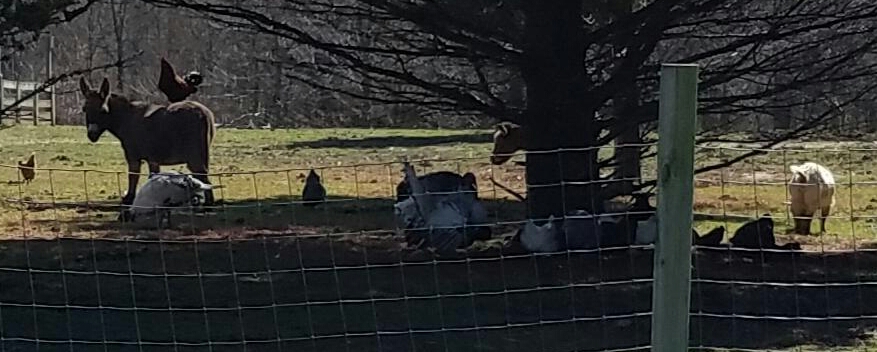
The farm animal sanctuary residents eat their breakfast each morning then go about their day. We often go about our day thinking little of what they are doing. If it’s hot, as is ridiculously so now, they find shade. The mammals disappear in the bottom land, under the trees, to graze or to roll on the cool spring-fed earth. The birds chase insects across the yard. But each day, at the same time says Neighbor Casey, they meet under the same white pine in the south pasture. They gather for a half-hour, give or take, then the crowd disperses.

Sometimes there’s a crowd, perhaps enough that the meeting can be called to order with a quorum met.

PANDORA–Important announcements regarding Covid… latest news and precautionary steps when dealing with humans. (April 3, 2020, Casey reporting)

Sometimes it’s the Pecking Order, pecking order.

PANDORA–Agenda discussion: Food distribution and perching assignments. Open discussion and complaints regarding the new turkey referred to as Bruce. (May 17, 2021, Casey reporting)

Another year on and “we” still don’t know what’s really going on. But we can try, and enjoy ourselves in the process. I’m pretty sure that Casey’s right about Bruce being a topic of conversation, anyway.

Blowing 2020 out of the water

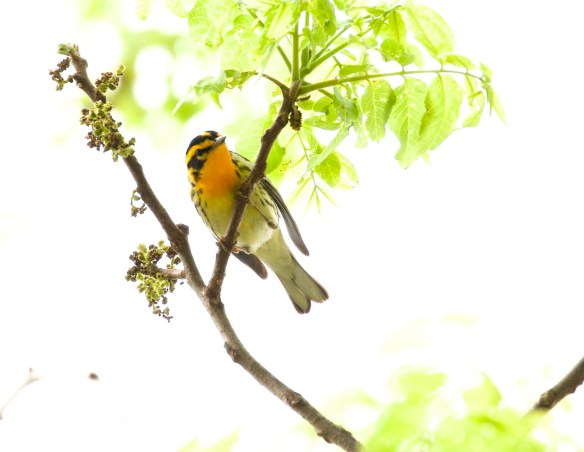
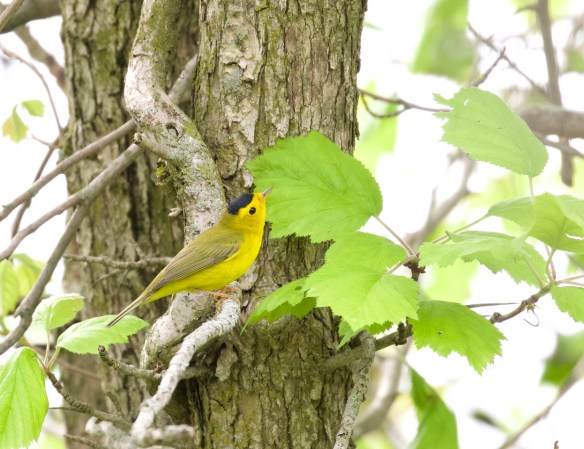
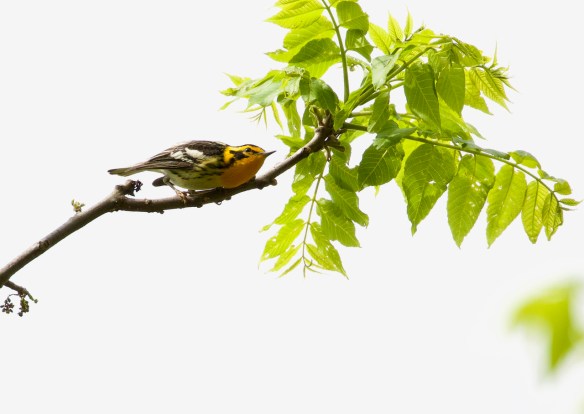
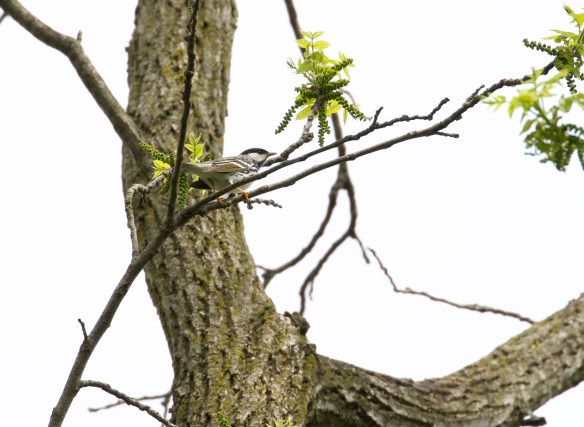
“Last year on May 20th we had 56 species and on the 21st we had 57.  Today we chewed those numbers up and spit out an overwhelming 68 species.  A phenomenal 18 warbler species and The QF is now at 134 species which is 2/3 of the species seen in Putnam County.  The Wilson’s Warbler, Yellow-breasted Chat and the Canada Warbler are all new just since Saturday.  We saw 2 Wilson’s Warblers on the tree line way back in the prairie area and 2 Green Herons fly from the quarry.  One of the best birding days of my life. The light wasn’t good for photos, but I got a new one of the Wilson’s Warbler, a couple of Blackburnian Warblers and a Blackpoll Warbler.”

A Fanciful Walk on the Plain

Click to Download the Spring 2021 Newsletter

It’s a chilly, breezy spring afternoon, and I’m crossing the Cranberry Run bridge. lugging a flat of purple violets dug up from the garden around Red Fox Cabin. I’m headed for the floodplain to the north between our Quarry-turned-wetland-pond and Riley Creek. As I follow the trail around the northwest corner of the Quarry, bullfrogs erupt noisily from the bank and plop-plop-plop into the water. Out in the shallow depths of the Quarry several beds of flags are pushing up spiky leaves. Their clear blue flowers will come later. On both sides of the path Spring Beauties are blooming, small and delicate.


Farther north on the trail, the Spring Beauties are sparser and the soil looks washed. Floodwaters flow down Cranberry Run from the south to cover this area at least once a year, draining slowly into Riley Creek. It’s here on the floodplain that I’ve come to plant some violets and see what might be starting to grow this spring. That’s of special interest because for years dense, spreading thickets of bush honeysuckle and multiflora rose, as well as wild grapevine tangles have effectively shaded out most vegetation. Until now.


As a result of David Seitz’s hard work this past year, the invasive scrub that had smothered the plain is now the stuff of several enormous brush piles, some given names for fun like the Giant Turtle Pile and North Turtle Pile. These mounds are providing wildlife cover, while sunlight filtering through the branches of hackberries, bitternut hickories, and sycamores will bring dormant seeds to life—for better or worse perhaps, considering what may have settled out of floodwaters and lain in wait for sunshine. The coming months will tell. Today I’m seeing tufts of grass and sedges and wispy sprigs of bed straw that may soon cover the ground like green froth—and twine around ankles.


As I head back down the trail, violets all planted, I imagine a time when they’ll form a purple carpet lifting above tall grasses. I imagine Dutchman’s Breeches, Jack-in-the-Pulpits, Trilliums, Jerusalem Artichokes, Heliopsis, and other native plants migrating to the floodplain. I envision myself transplanting more native plants and flowers to the woods. I picture the native trees that Anne is going to plant soon grown tall and sheltering. Several times, I spot an enemy near the path and stoop to yank a leafy honeysuckle seedling.


—The Quarry Farm Gardener