Just ask

Lavender was one of several victims of a chain farm store’s new retail chick display system. Rather than an open-air enclosure system, this new system took up less retail floor space by stacking the live products in an enclosed space. The stack was a high-rise; a chick skyscraper with no open windows to vent the ammonia produced by heated chick feces. We saw one little chick beating its beak on the upper layer’s window. All the other chicks on that level were dead. The chicks on lower levels were dead or slowly dying. We were given permission to help clear the dead and purchase the living for $1. The farm store reverted to the one air system at all of their locations, at least in Northwest Ohio.

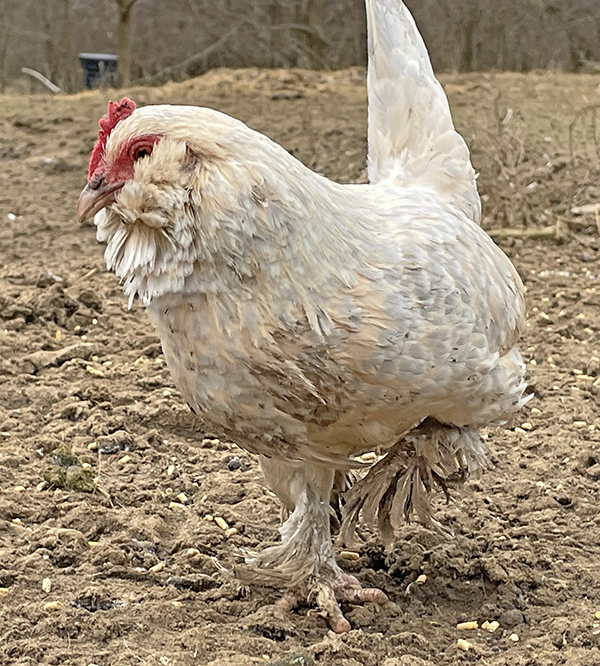
Three of the chicks that came to the farm animal sanctuary survived. Sidney, a Silkie Rooster, and Speckles, a calico Bantam hen, are tight buddies. Lavender, so-named for her muted violet-and-pearl plumage, keeps her own counsel. She is what is referred to as a “fancy”, with swirls of feathers booting her little feet. She flits in and out of the standard flock of hens and roosters, dodging under their feet for breakfast. This system works well for her in summer and fall. In wet spring and soupy winter mud and slush, her feathered boots cake and weight her down. Breeders are not known for their practicality.

Last year, her fancy footwear became so clogged that we had to soak them in warm water, trim her foot feathers and keep her indoors to allow her to eat and sleep in dry warmth. Once she recovered, we reintroduced her to the flock and she wanted nothing to do with humans beyond feeding time. Last week, Steve saw her hiding from one of the younger roosters. Lavender hopped up to Steve and chattered. She allowed herself to be picked up. Steve saw that her foot feathers were boggy. He took her inside, soaked her feet, trimmed and dried her feathers and set her outside. She hopped away to rejoin the flock and is not currently seeking human interaction other than at mealtime.

Click on the cover above to download your copy of The Quarry Farm Winter 2024 newsletter.

2023 Photo Finish

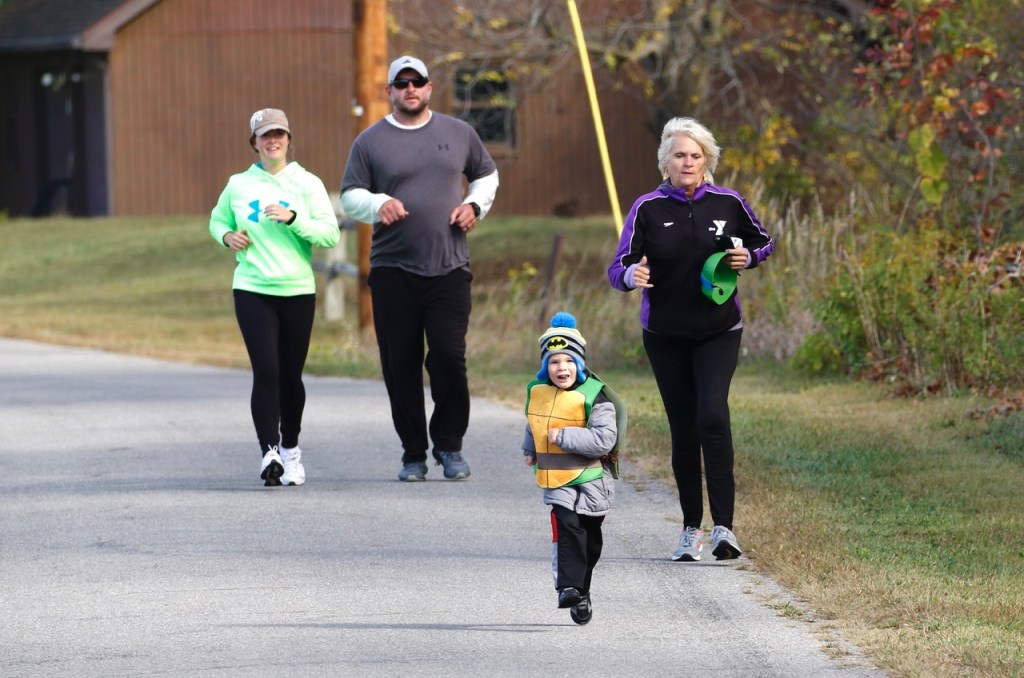
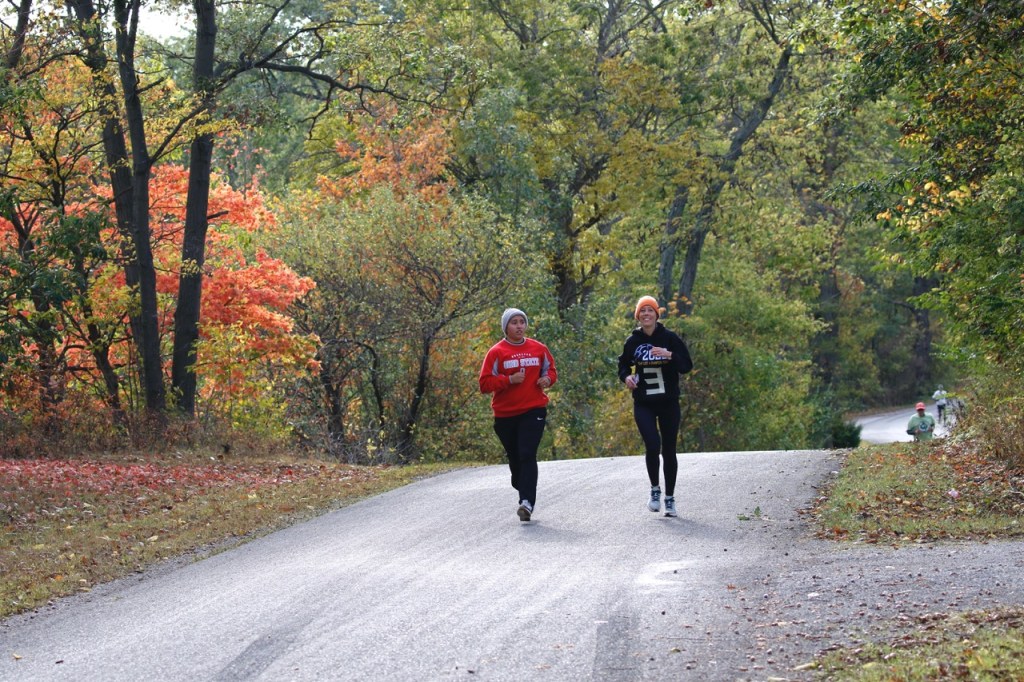
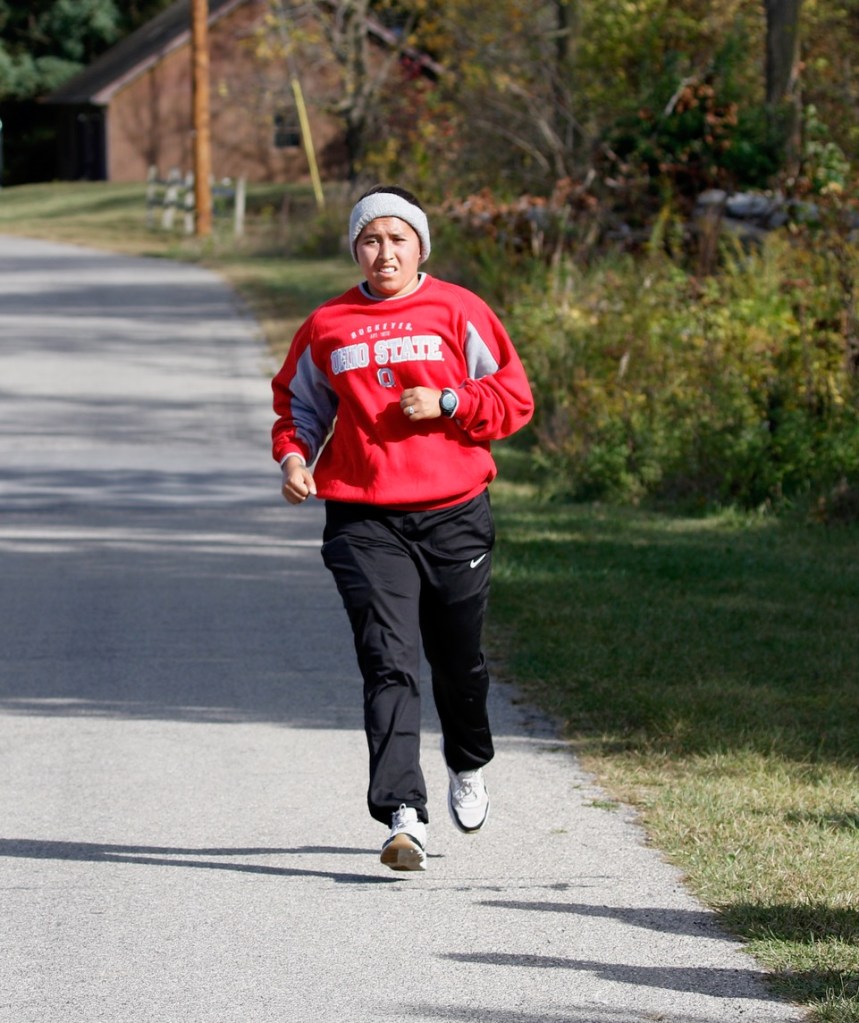
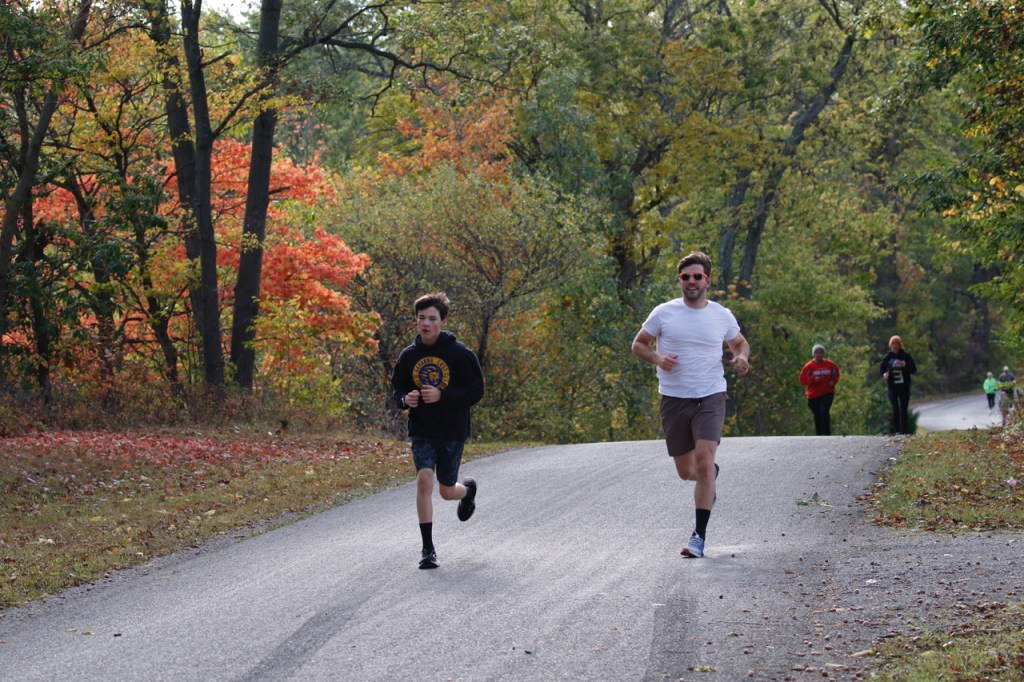
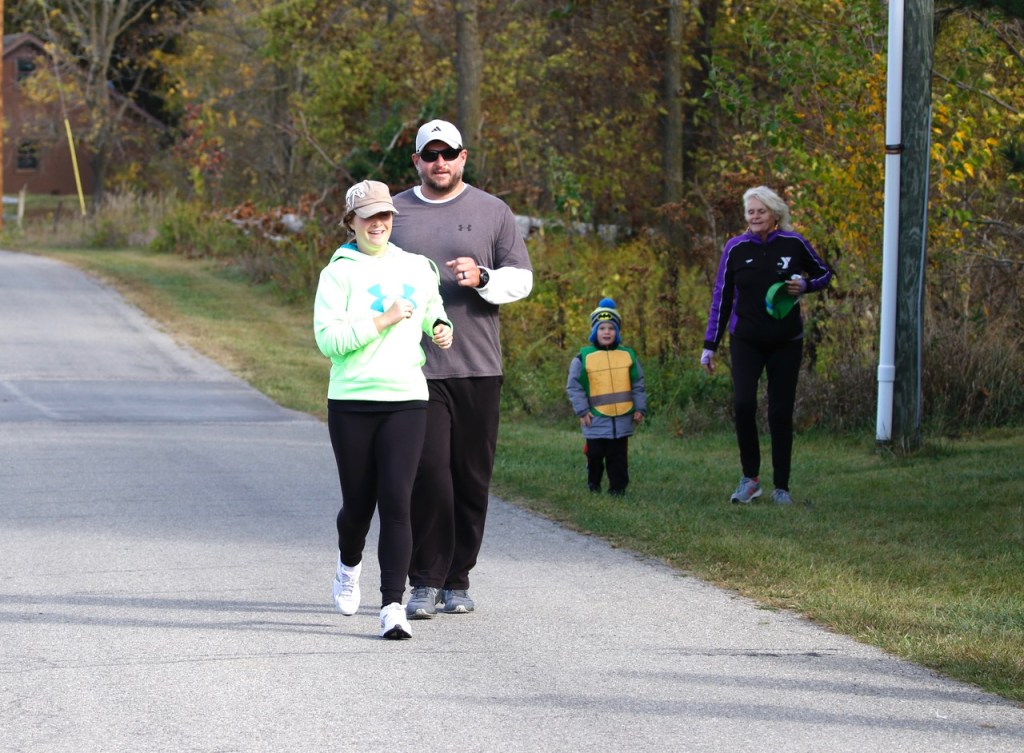
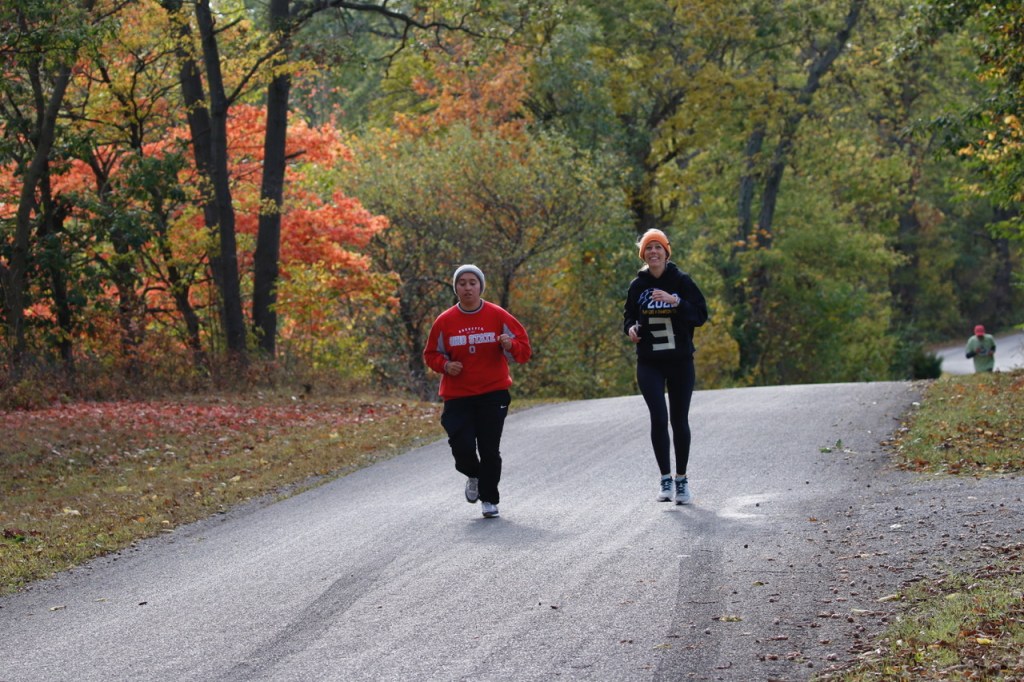
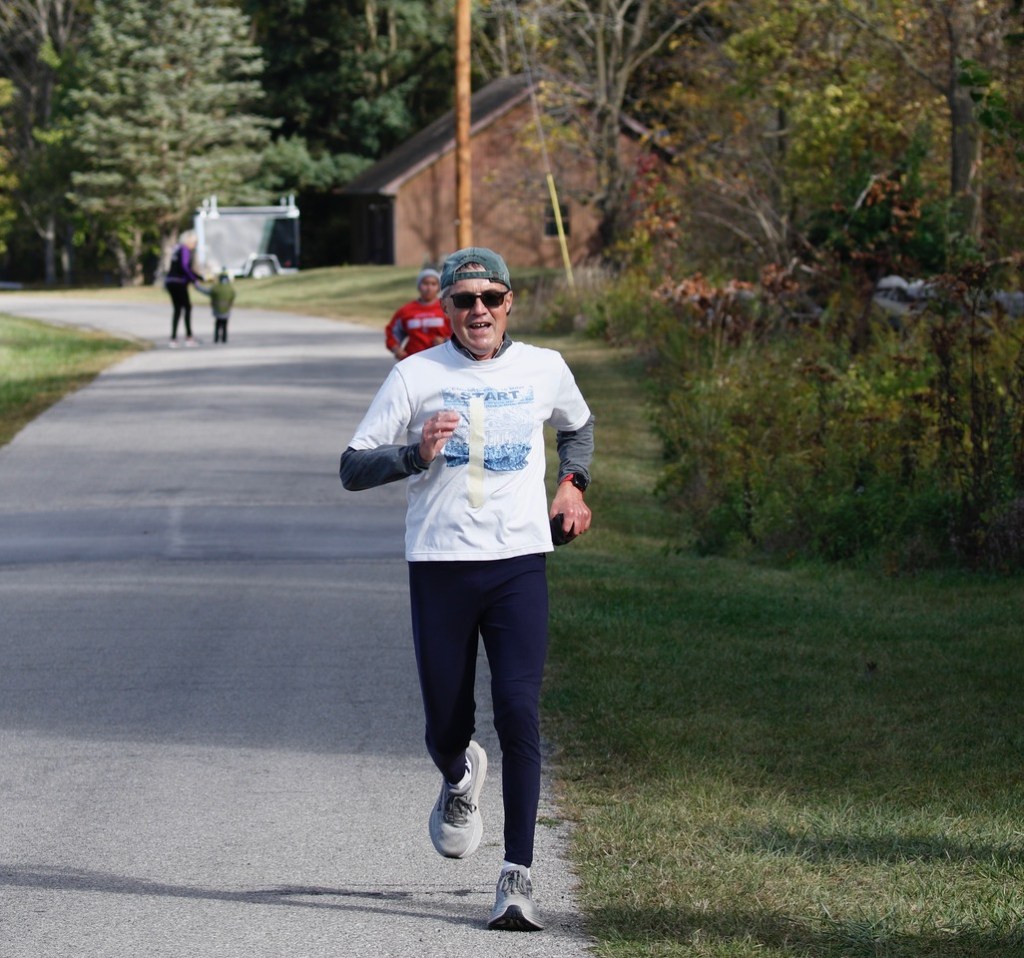
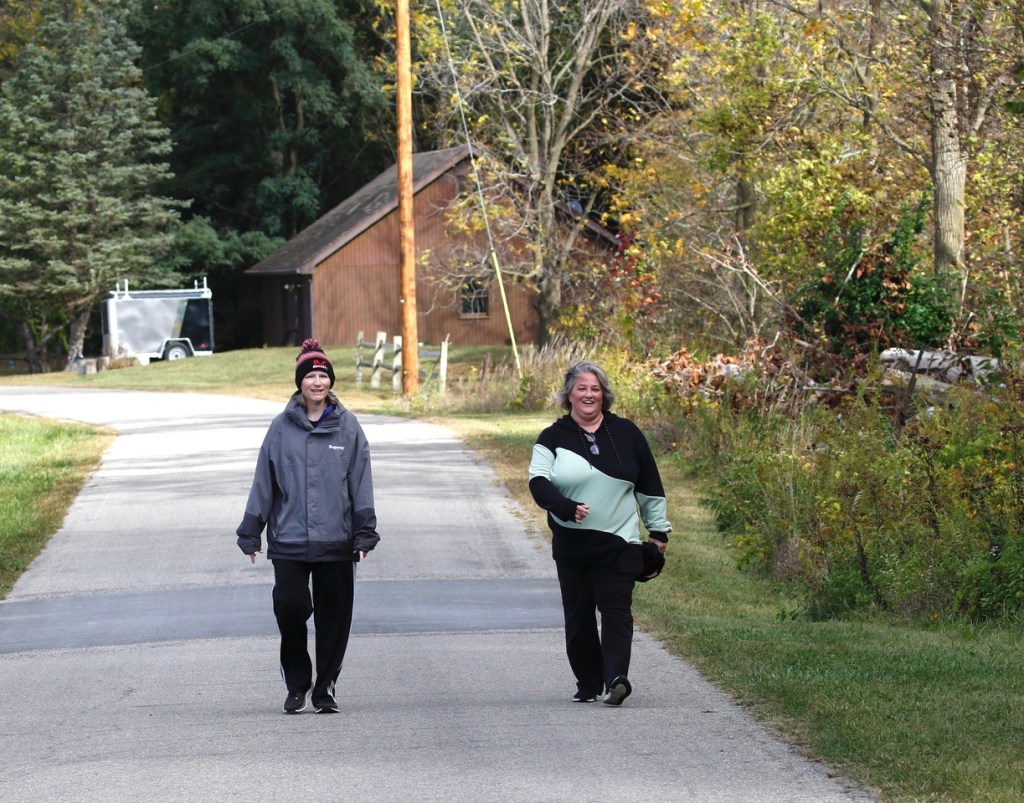
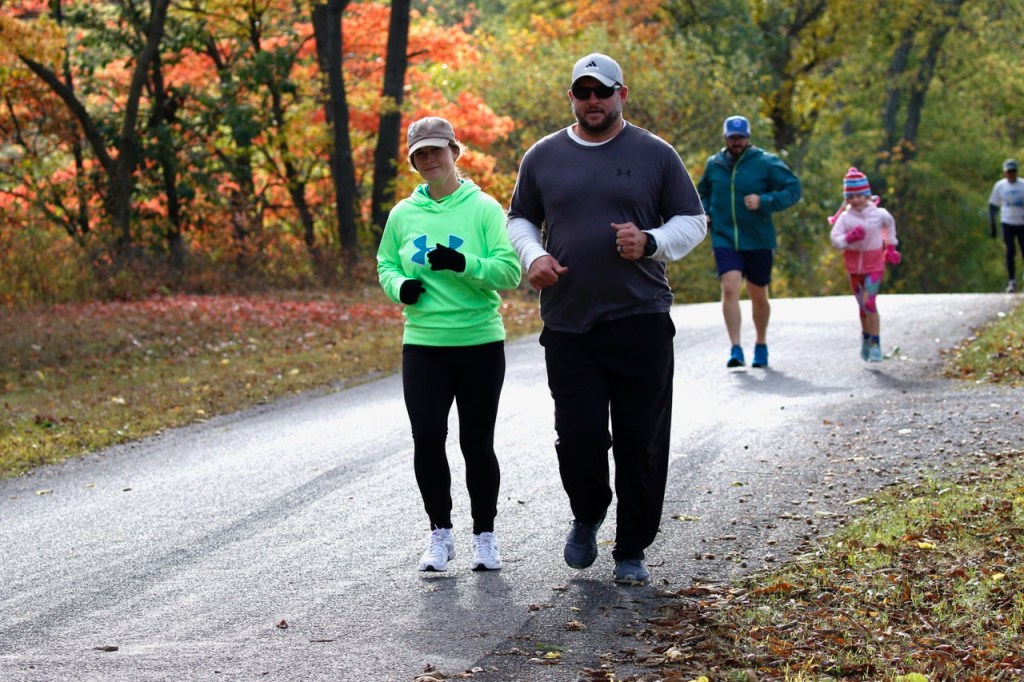
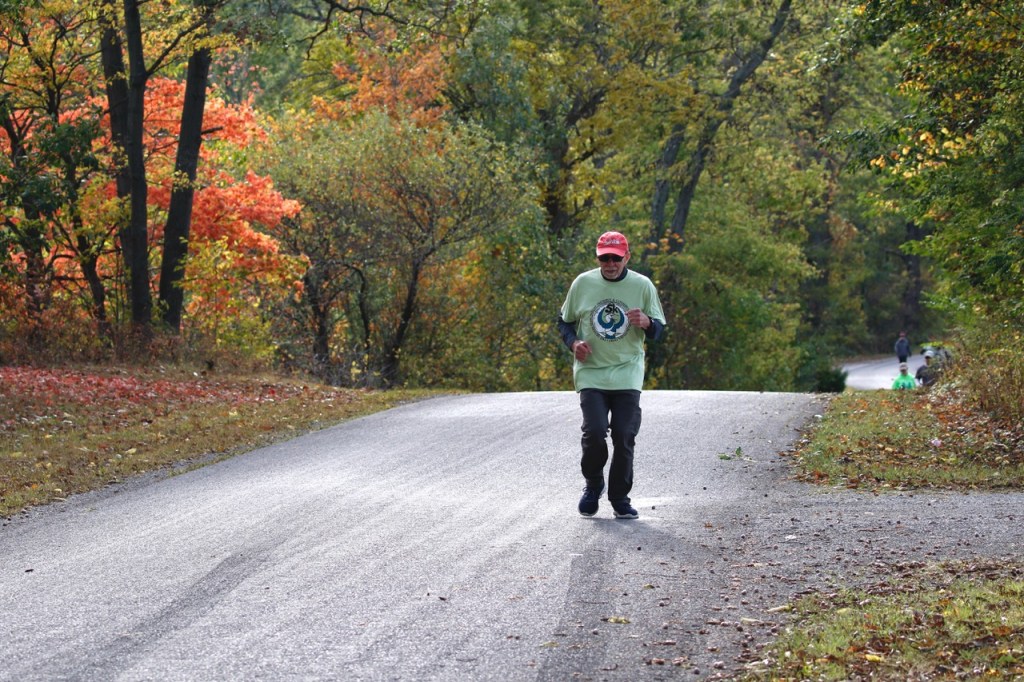
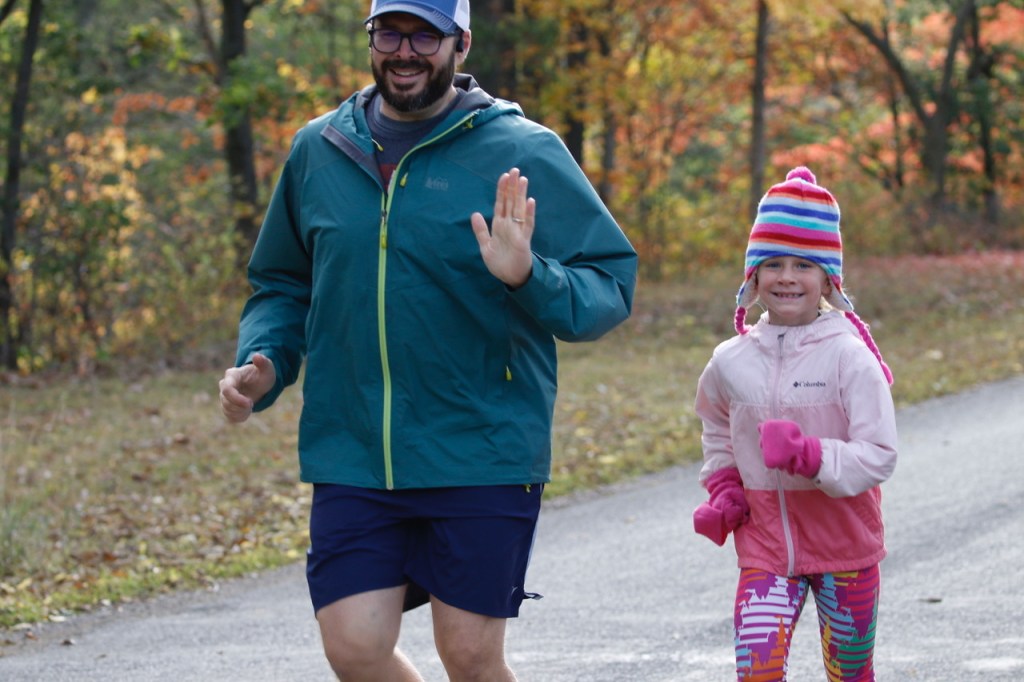
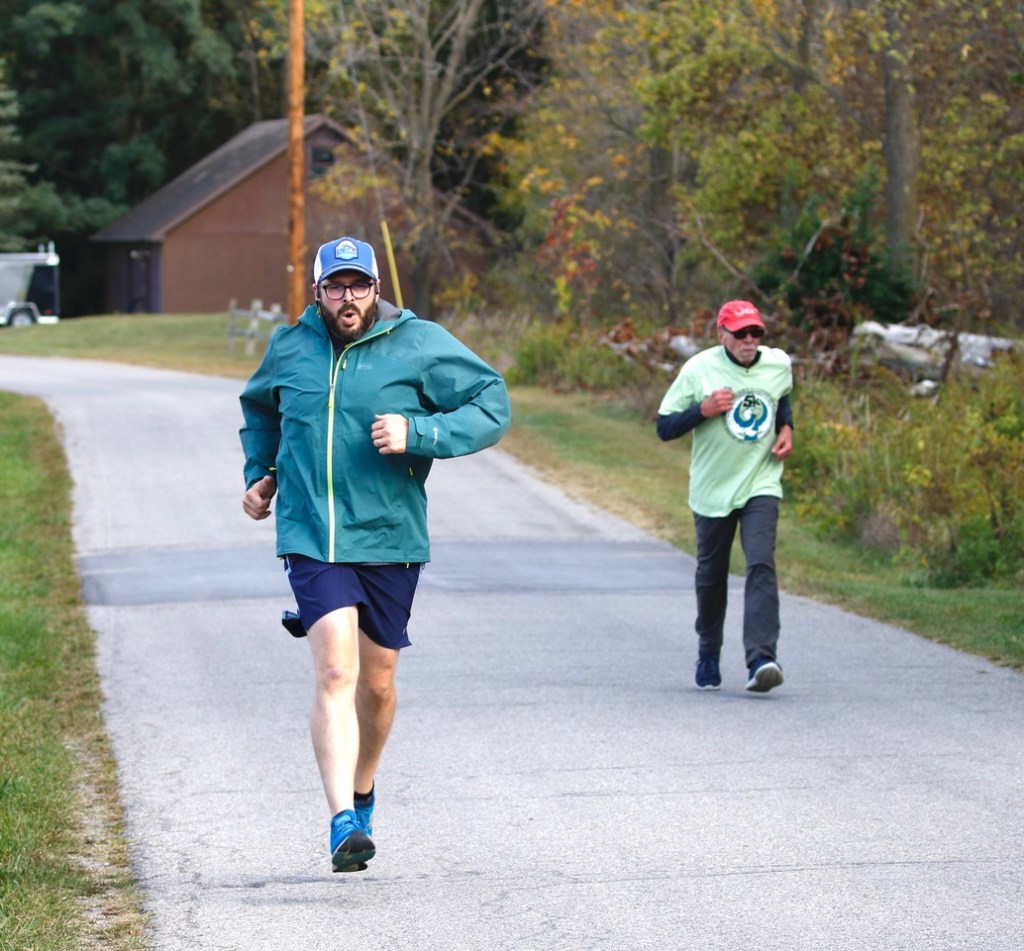
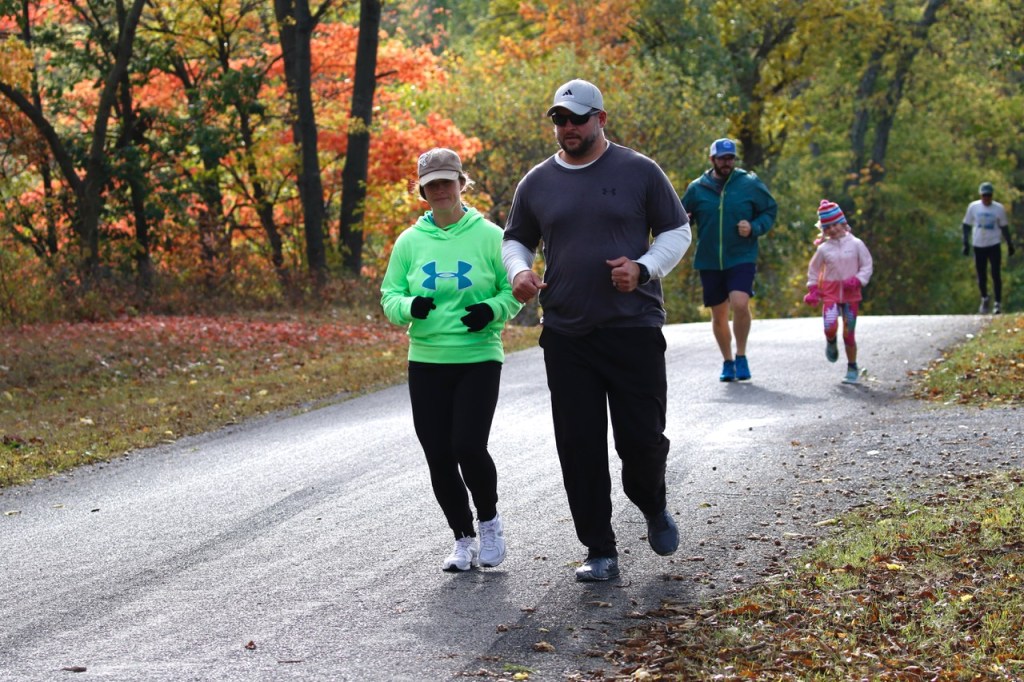
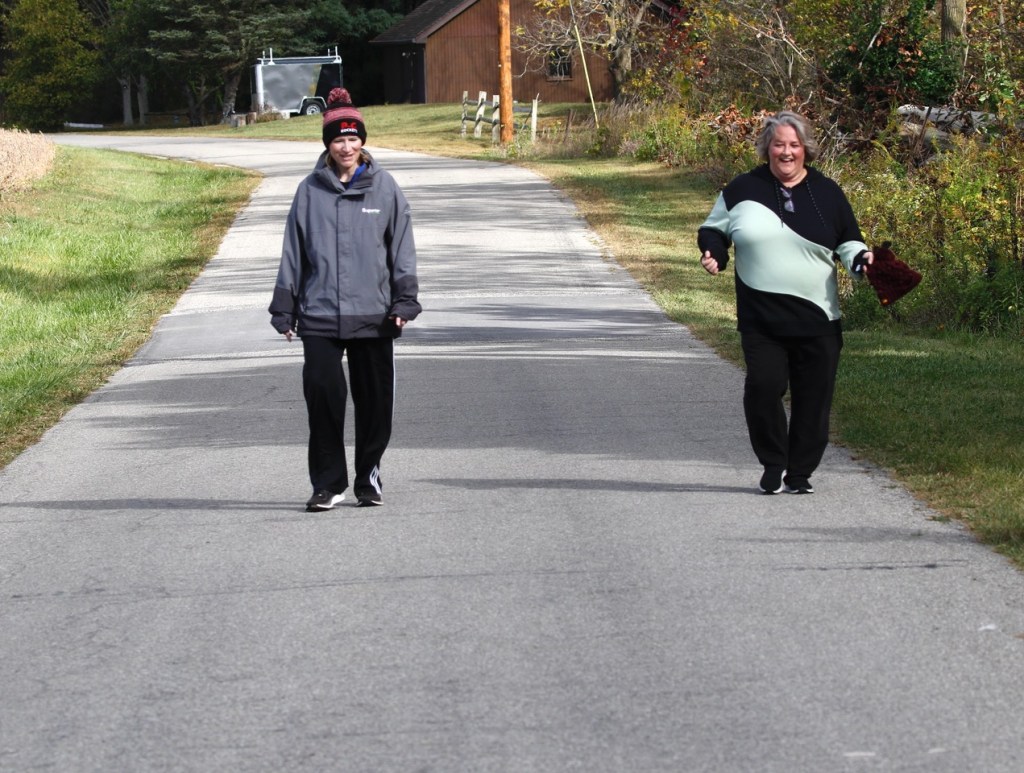
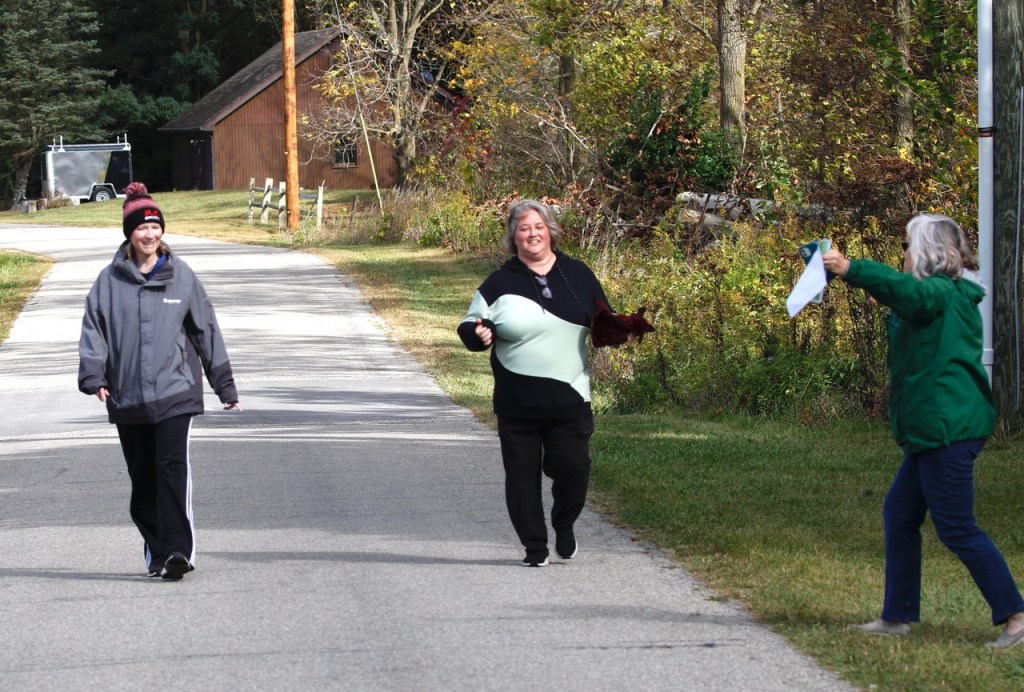
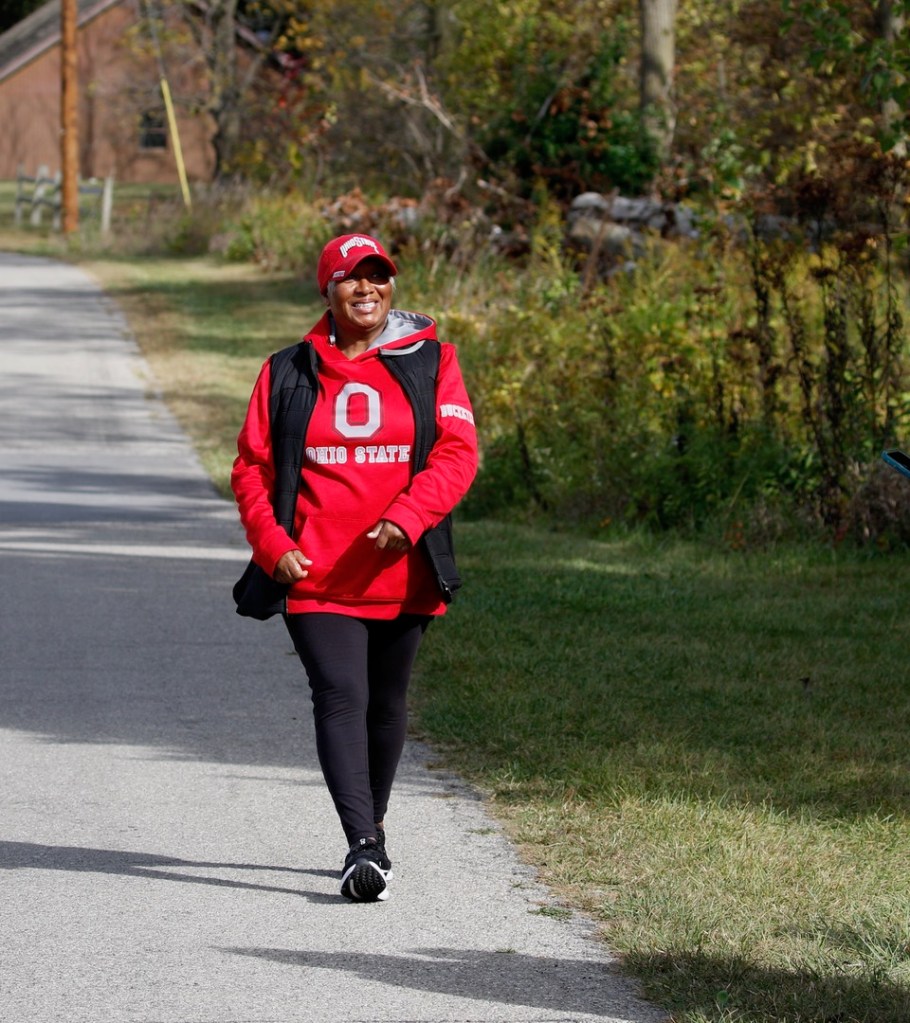
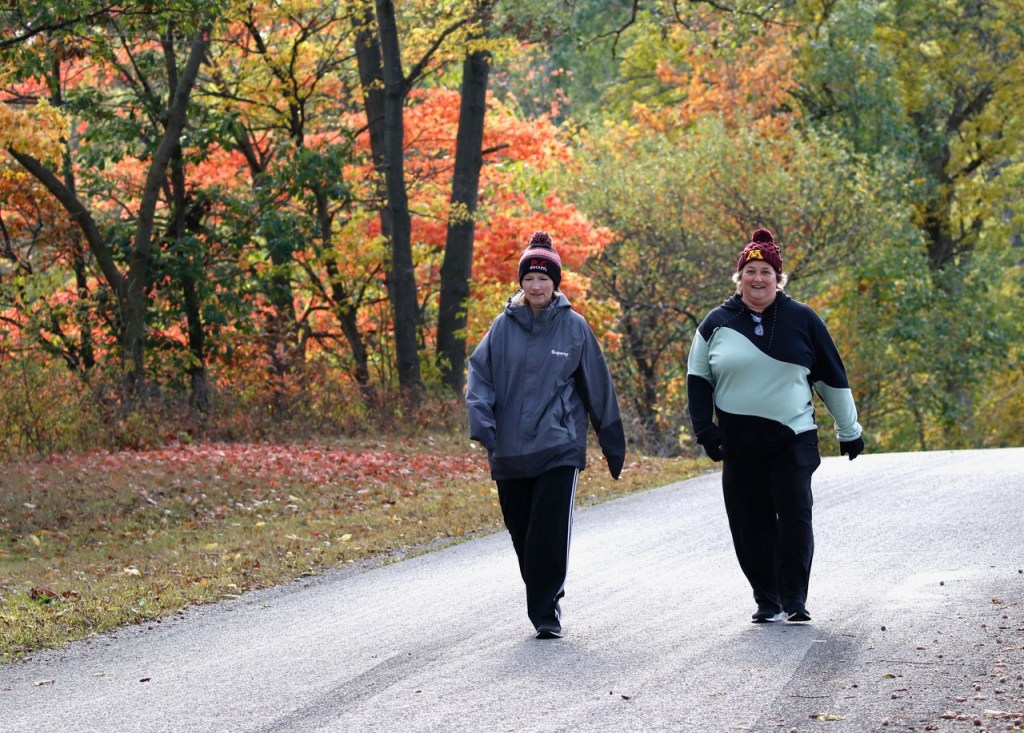
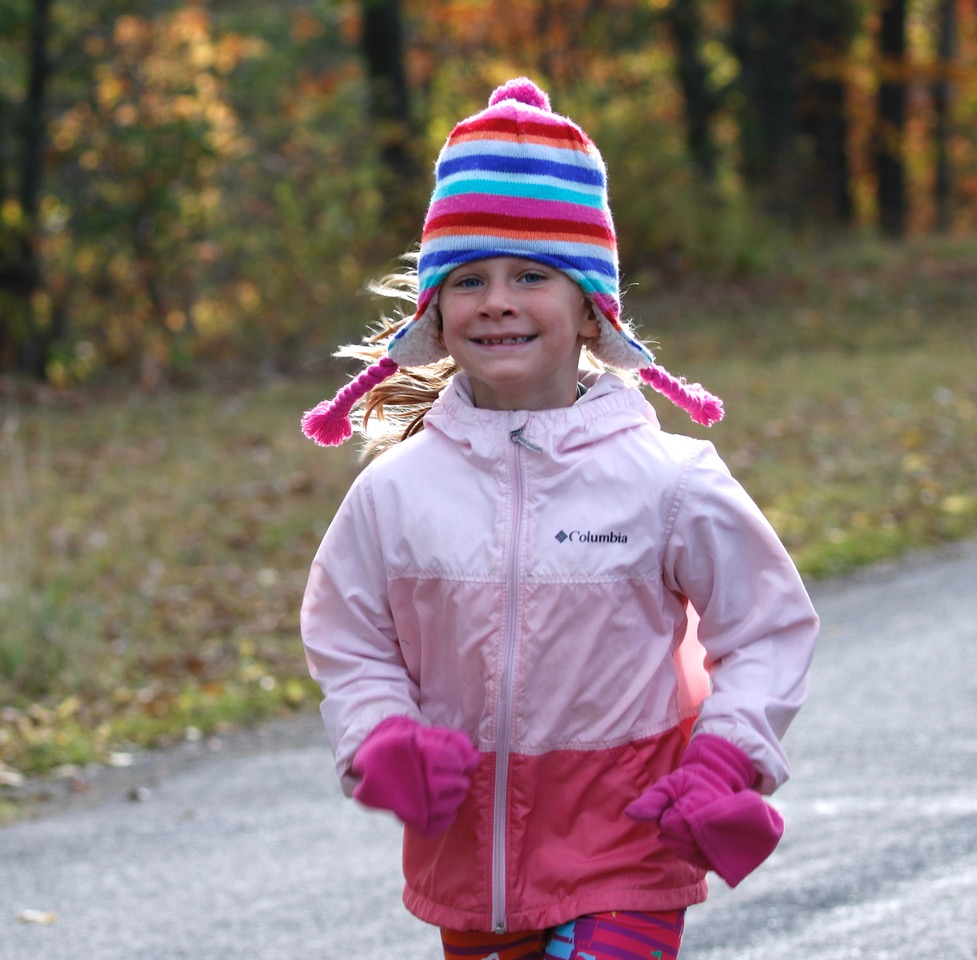
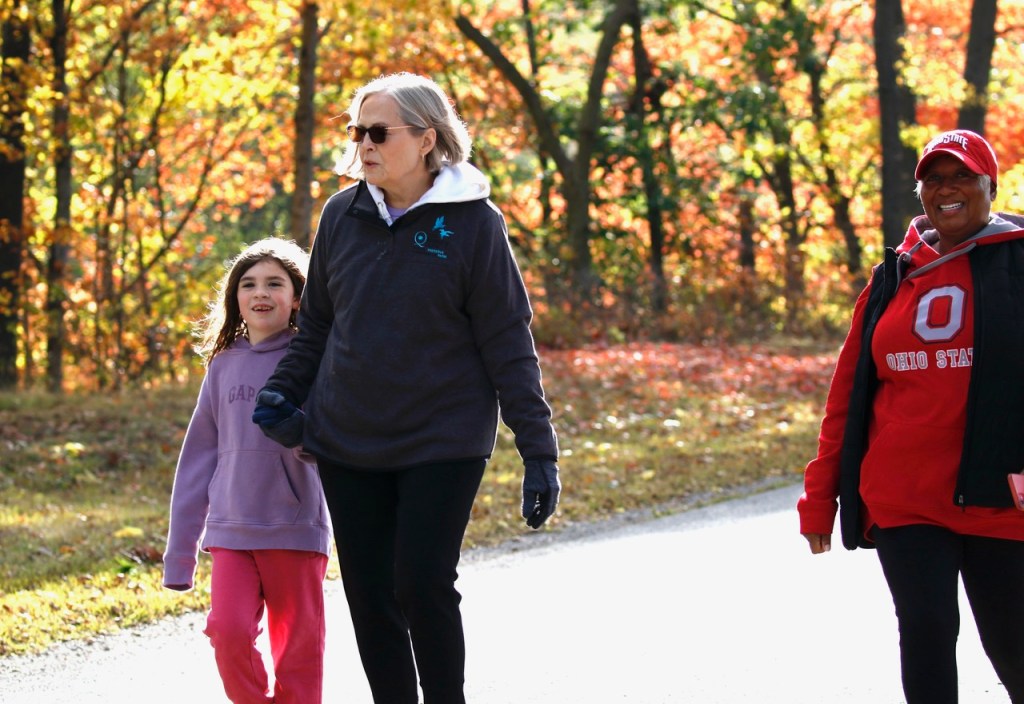
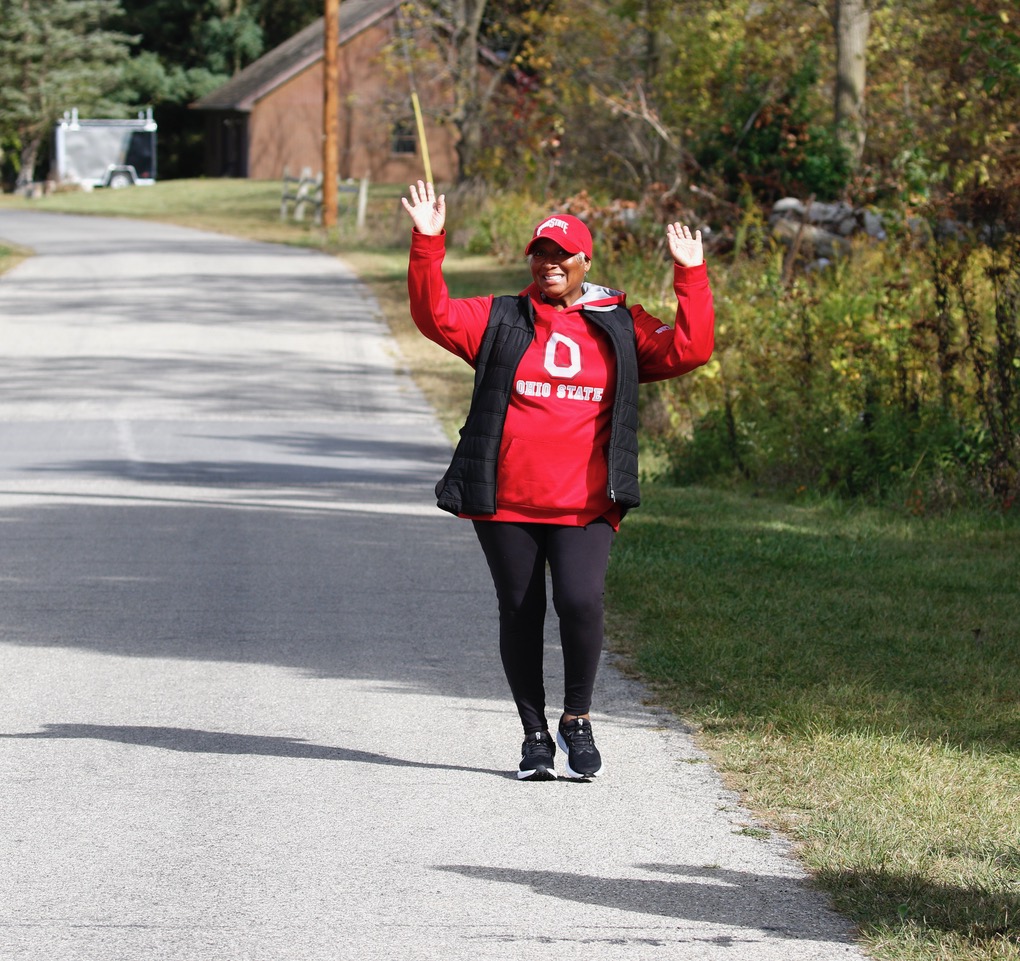
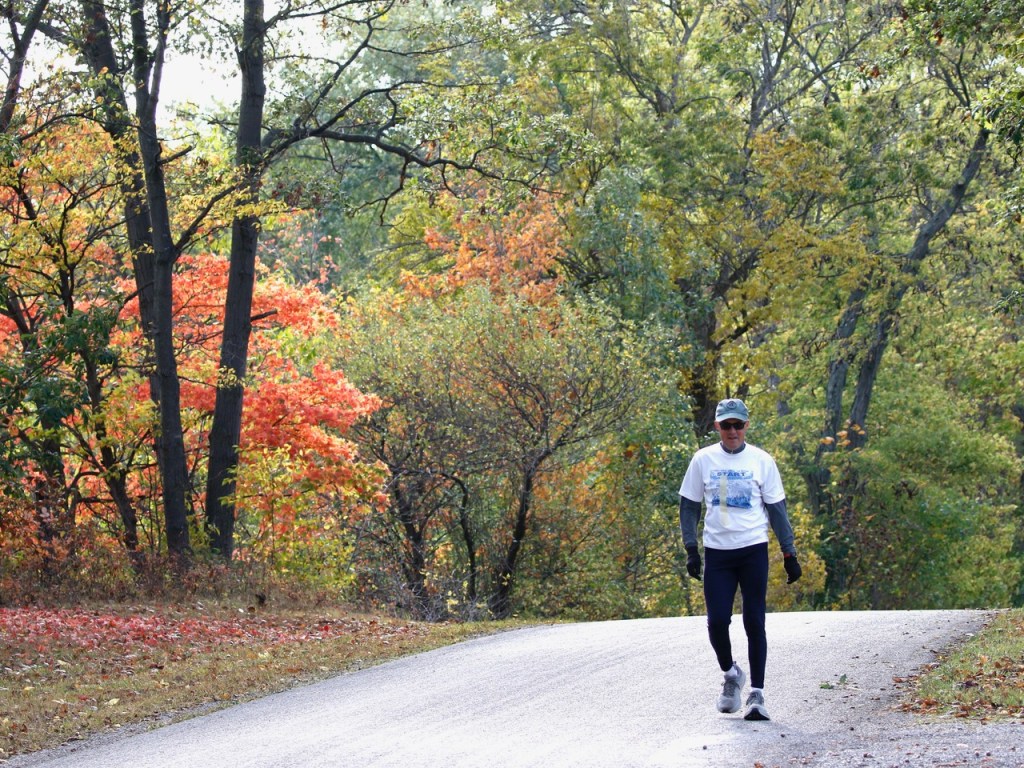
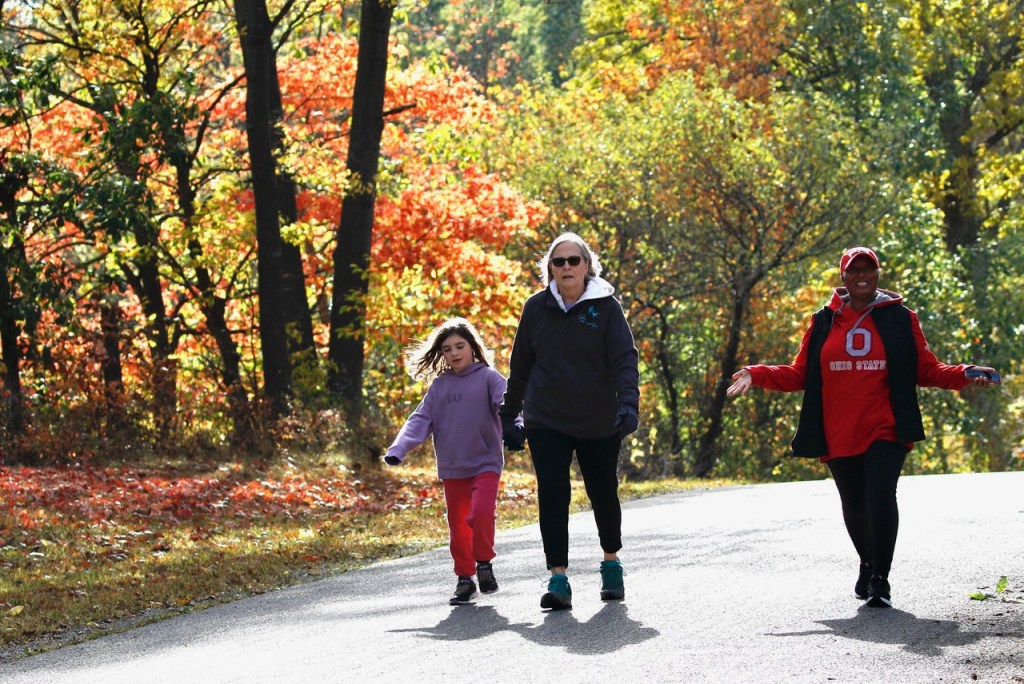
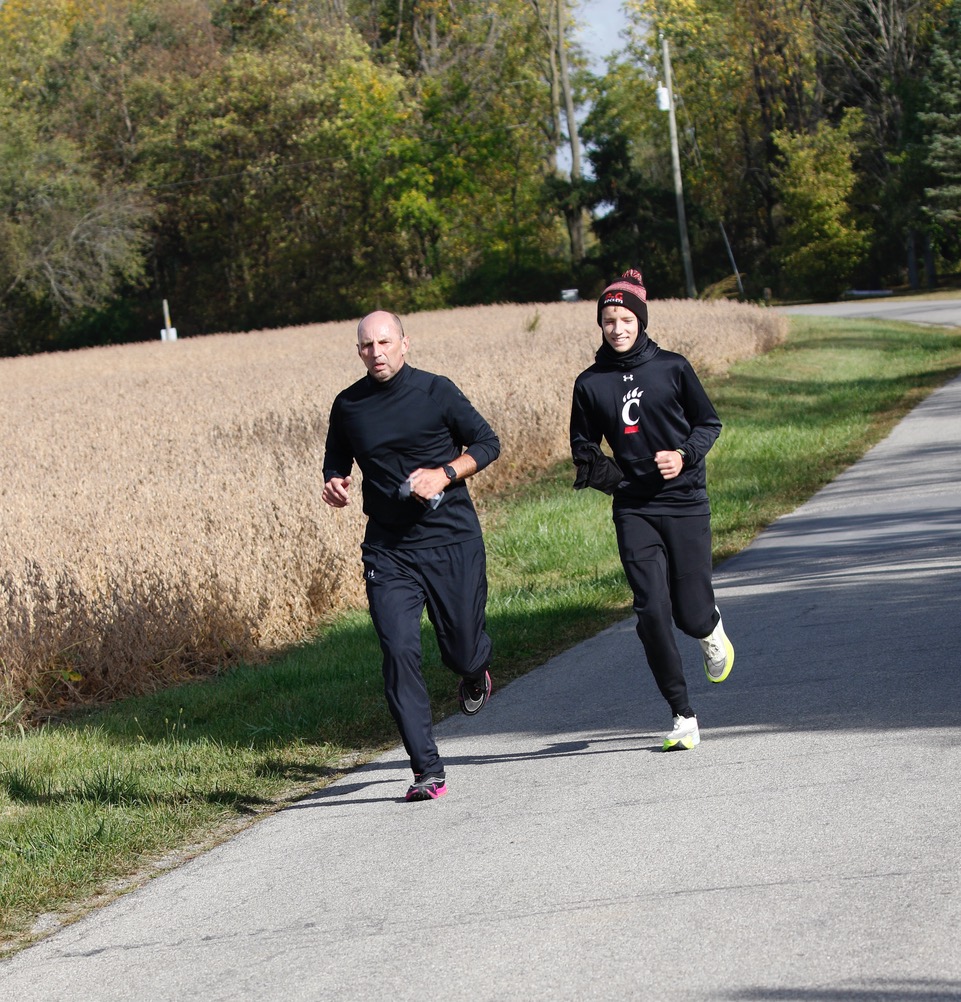
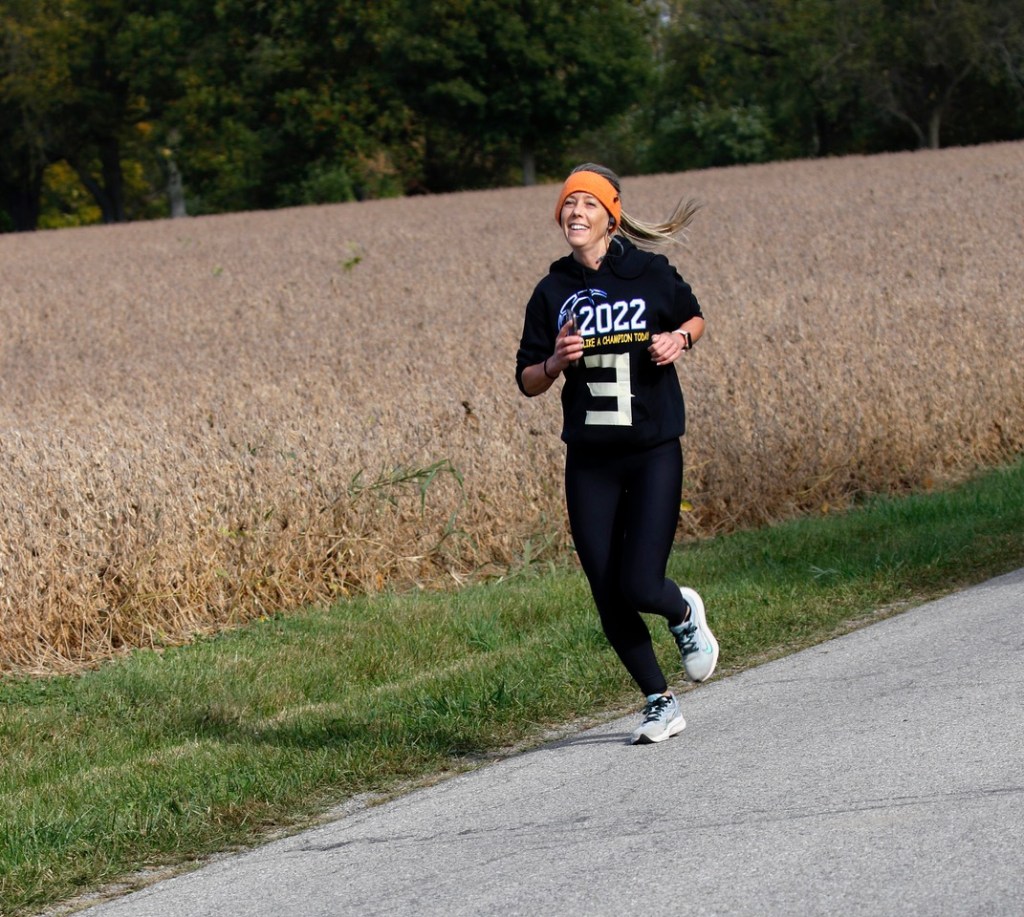
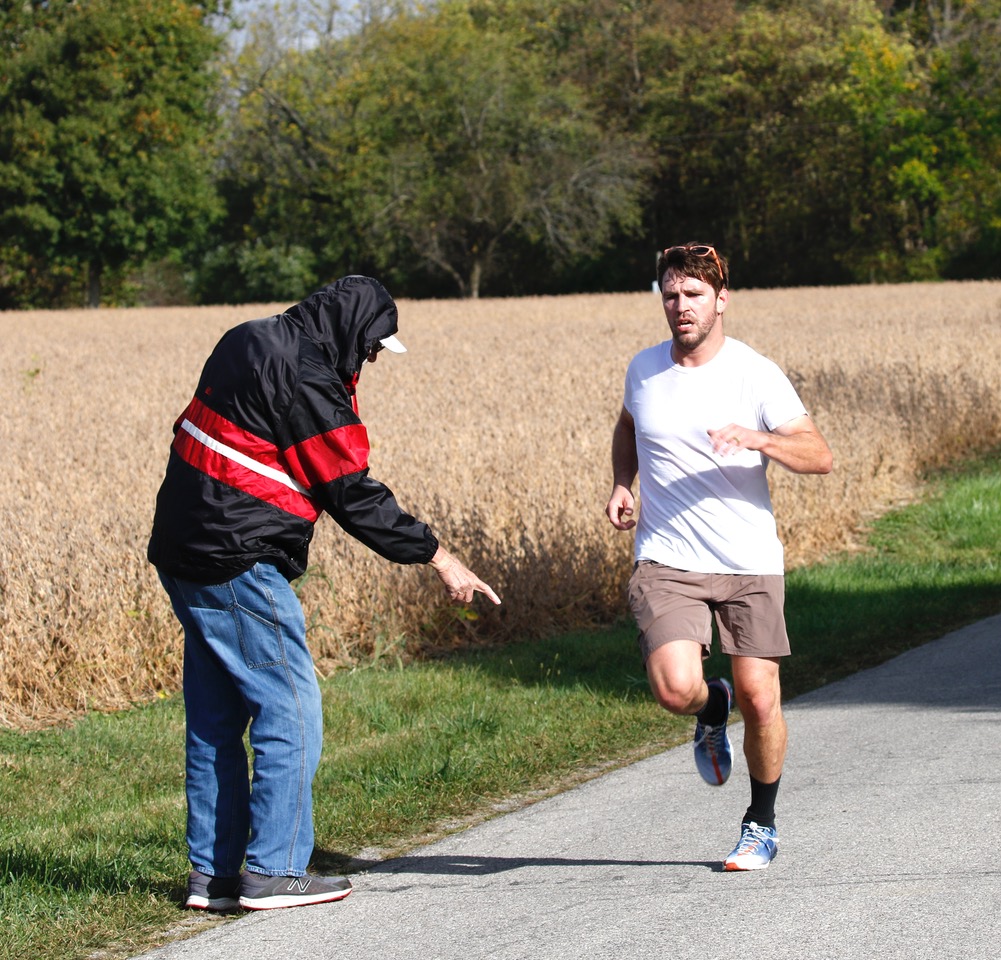
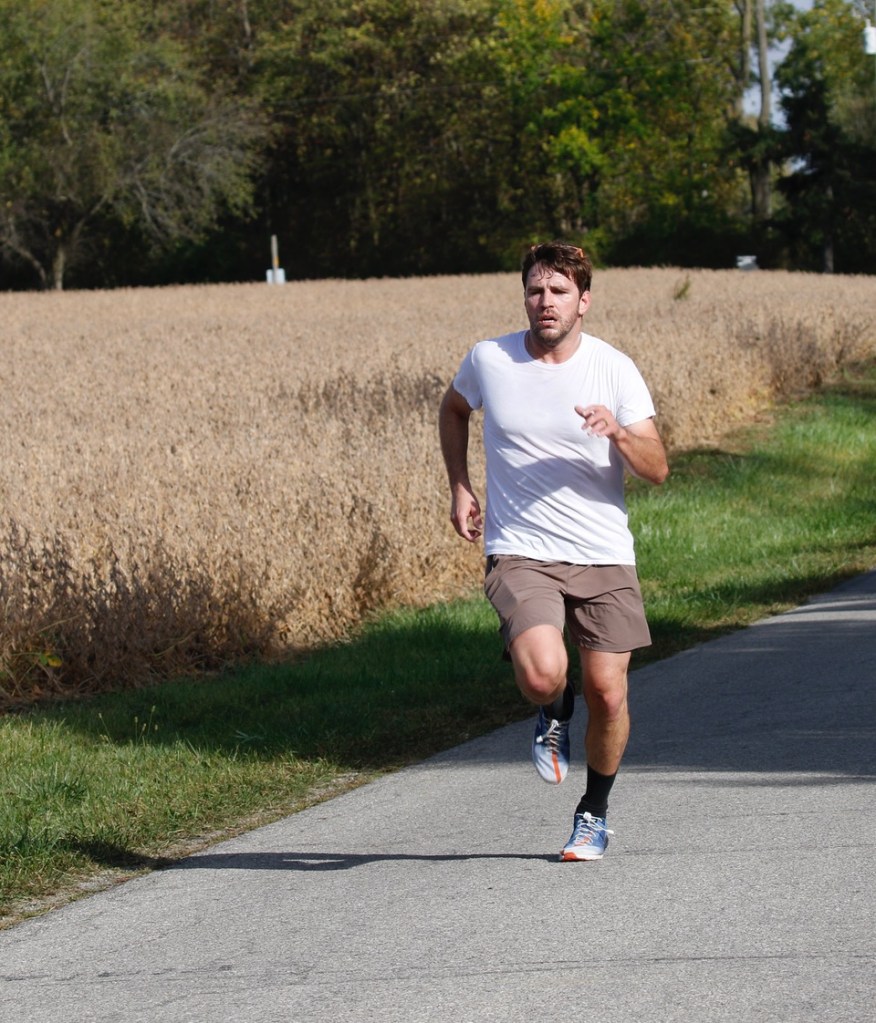
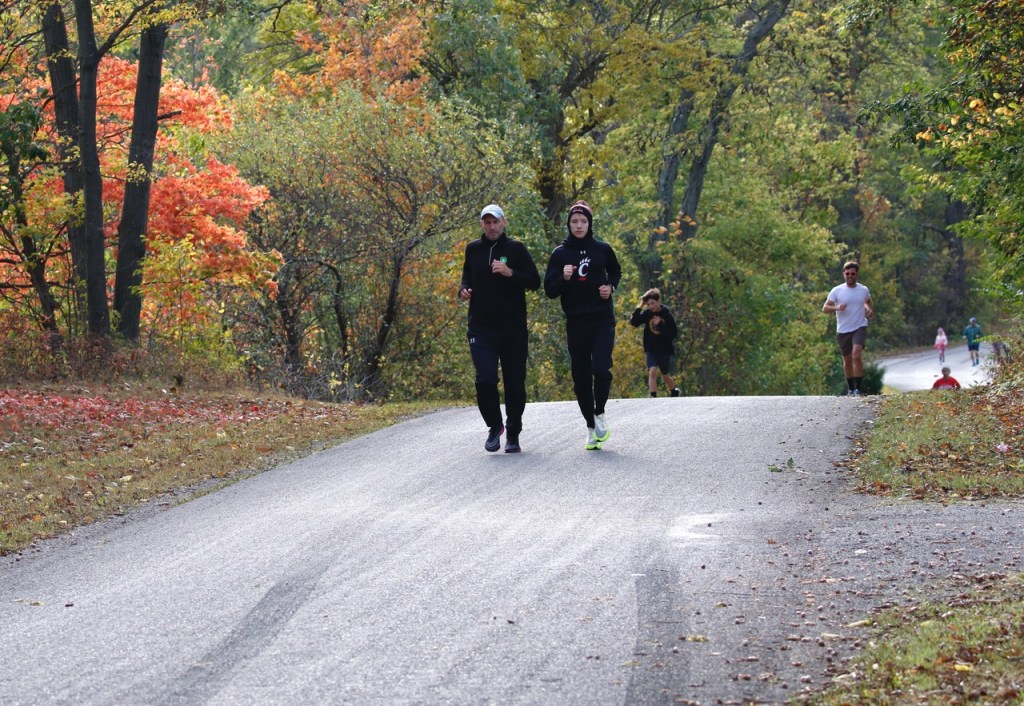
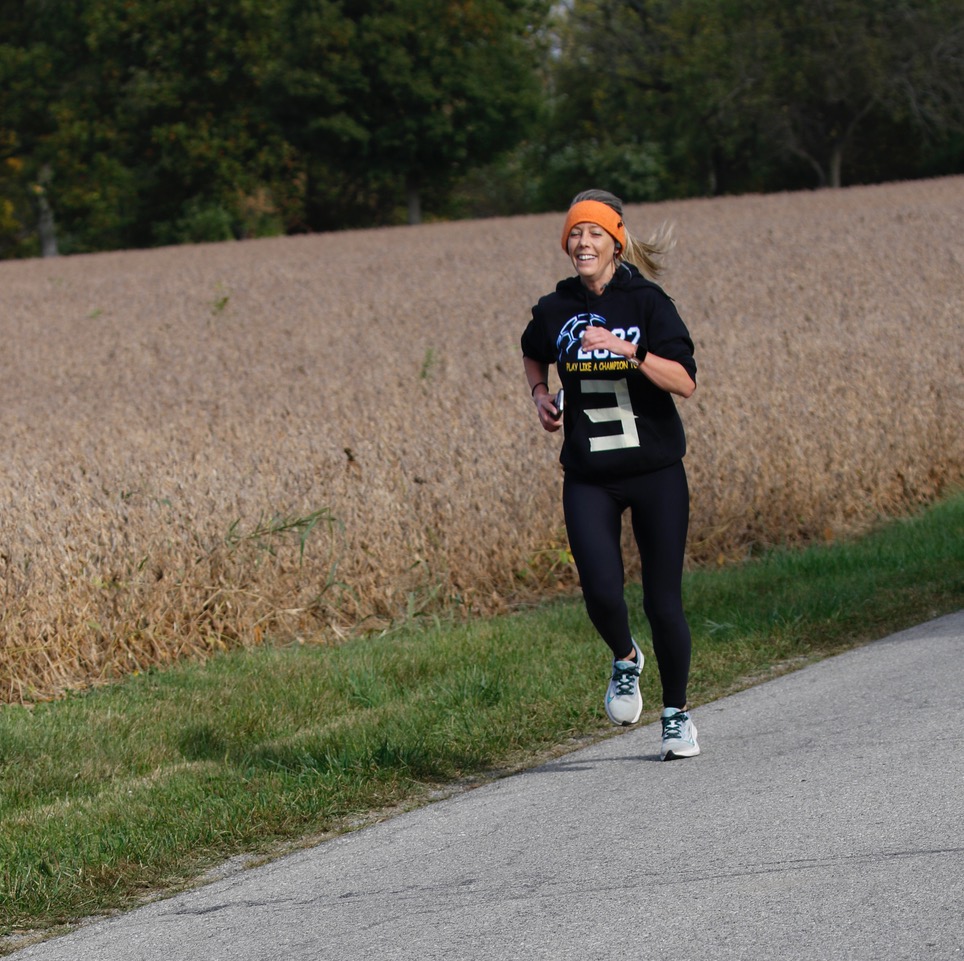
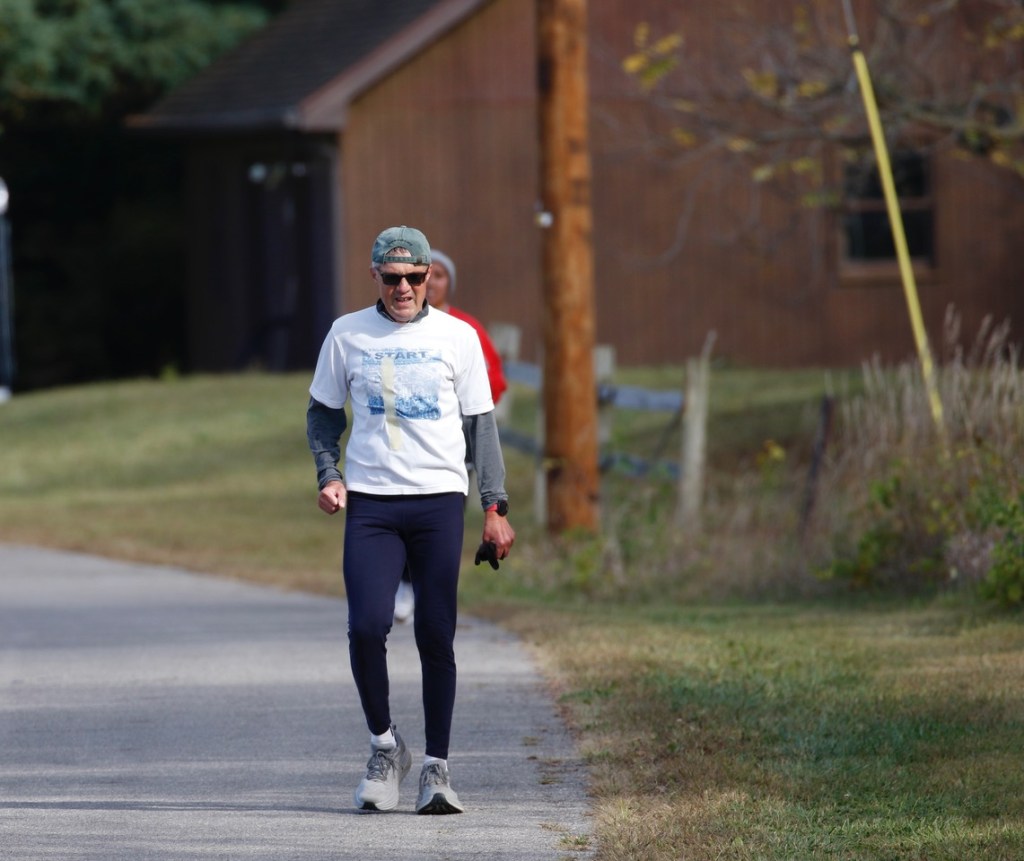
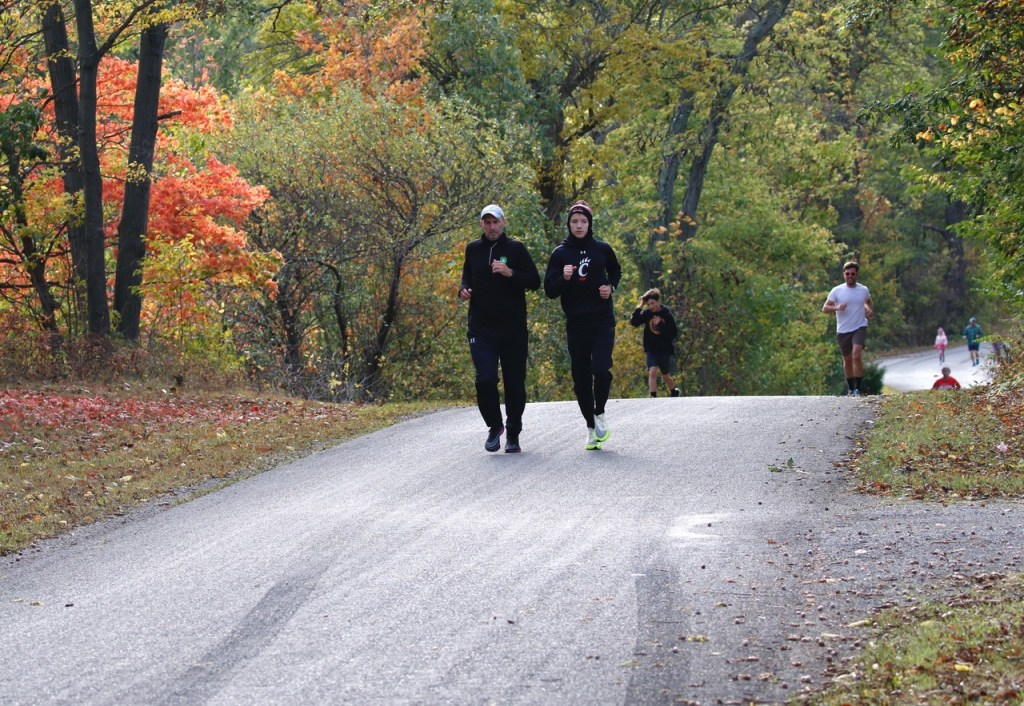
The 8th Annual Quarry Farm 5K crossed the starting line on the first truly chilly, windy day of autumn 2023. Two days ago it was hot and dry. Good running and walking weather blew in overnight, dropping temperatures at least 20 degrees and changing leaf color.

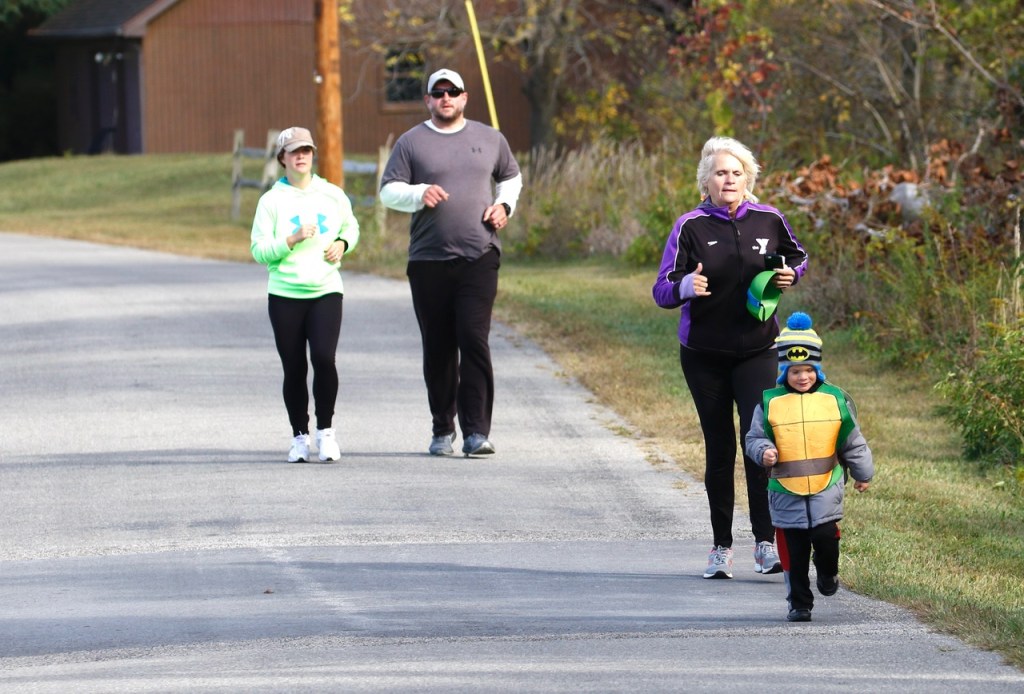
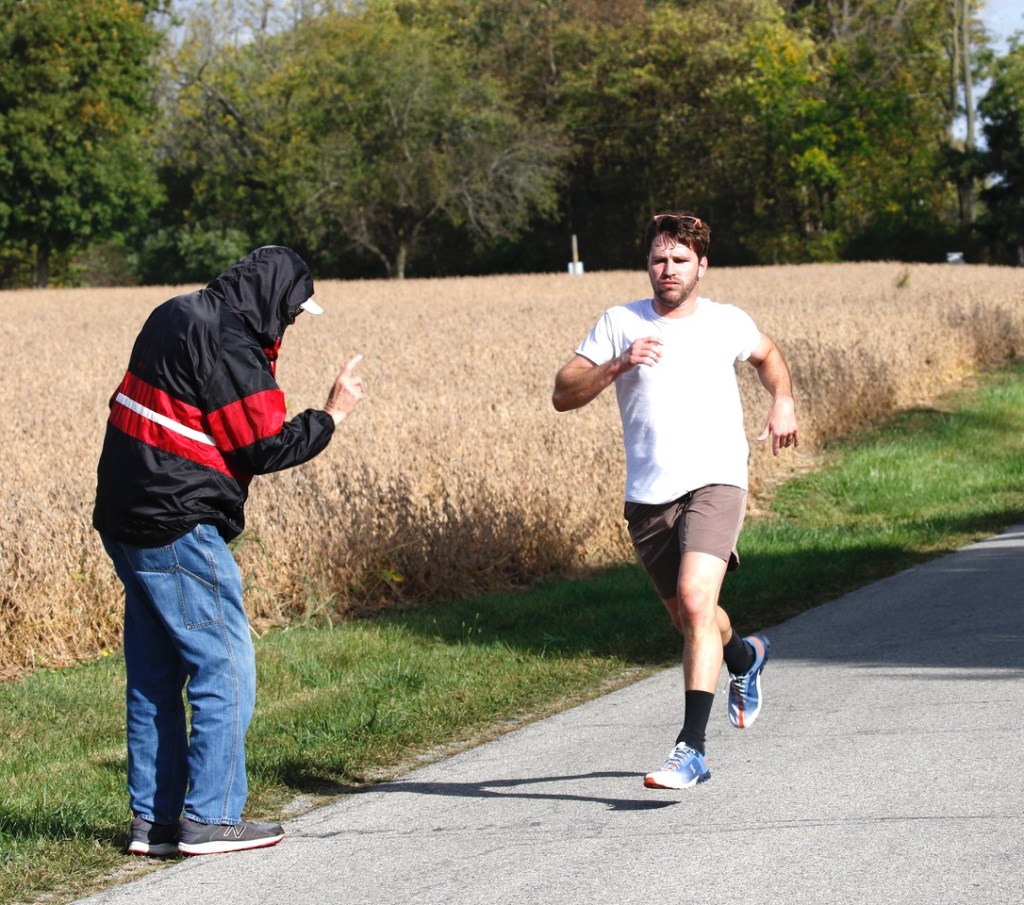
Runners and walkers headed into strong westerly gusts then unzipped their jackets and sweatshirts at the halfway point to float with the wind to the finish. Phil Buell came in first for men, with his son Adam on his heels. Susie Ricker was the first woman 5Ker. Casey Walker was the first walker. An anonymous mini Teenage Mutant Ninja Turtle won the children’s division.

Deb Weston and her camera captured the morning. Much-needed rain has settled in for the afternoon, making this a good time to curl up with hot tea, a blanket and a bunch of fall fundraiser photos.

Avian Selfie

When someone refers to you as ‘bird-brained’, or you feel like laying the description on someone else, consider that Birder Deb discovered this excellent self-portrait while walking the nature preserve trails today. She and Birder David hiked this morning to see what birds are migrating through or settling in ahead of next Saturday, October 14 and the October Big Day event.

“We had 5 warbler species today, all around the perimeter of the prairie,” she shared. “Common Yellowthroat, Palm Warbler, Pine Warbler, Black-throated Green and at least 15 Yellow-rumped.  Saw more sparrows today.  White-crowned, White-throated, Swamp, Song, Lincoln’s and Field Sparrow.  One Yellow-bellied Sapsucker followed us around the prairie.” 

A total of 38 species—pretty good for October. Join us next Saturday at 9 a.m. with your best walking shoes.

Pluto’s long road to recovery

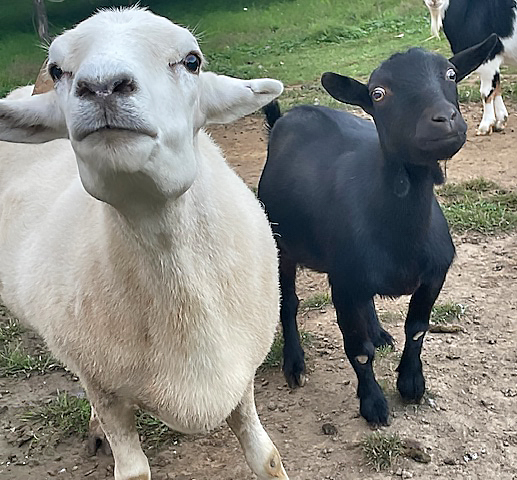
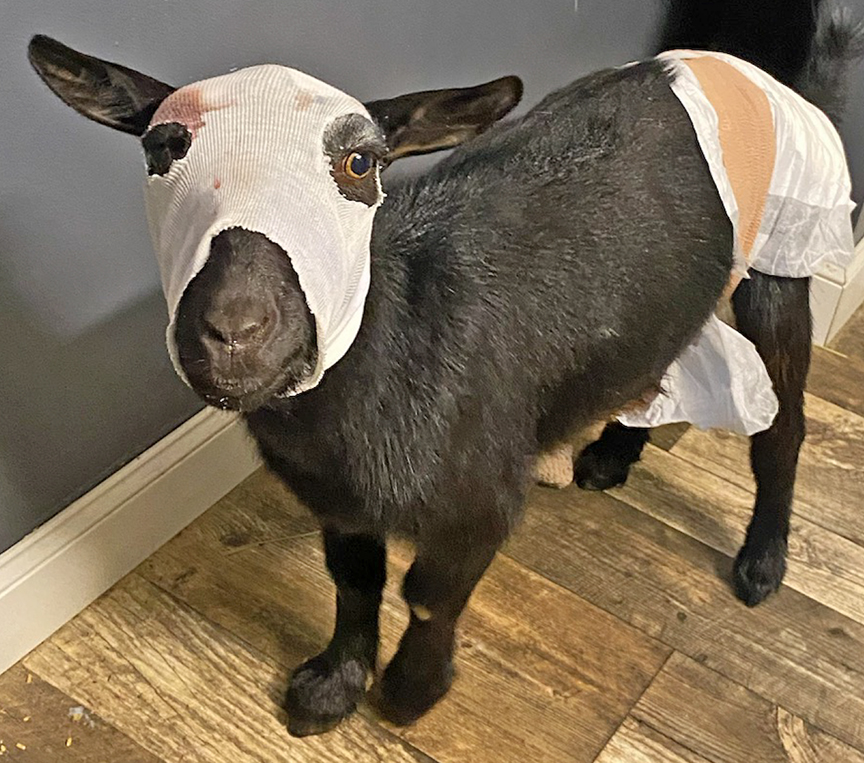
Four Nigerian Dwarf goats joined the farm animal sanctuary herd a few years ago, bringing the group to six sweet, spirited individuals. Three were more equipped to back their head-bumps with full sets of curved horns.

Horns protect the herd from predators by allowing goats to butt predators and knock them off their game. This isn’t so much an issue here in the sanctuary. More often, it’s the goaty way to establish a pecking order. Horns also have blood vessels within them that help regulate body temperature. Here they have water and shade in summer and quilted waterproof goat coats for winter’s coldest.

Unfortunately for one of the three with their own personal cornucopia, his curving horns grew into the side of his face. On August 8, it was determined that Pluto’s horns should be surgically removed by a veterinarian. This resulted in great pits in his skull, exposing his sinus cavities. A few days afterward, we had to make an emergency run to Ohio State Veterinary Hospital in Marysville to prevent spread of infection. His cranium must be cleaned, disinfected and bandaged twice a week, well into the holiday season. If you would like to help fund his recovery, all donations to The Quarry Farm Nature Preserve & Conservation Farm are tax-deductible.

For more about the other, more joyous things that happened here in this summer, as well as upcoming events, click on and download the Fall 2023 newsletter cover. Buddy will be happy to see you.

There’s a hole in the bucket

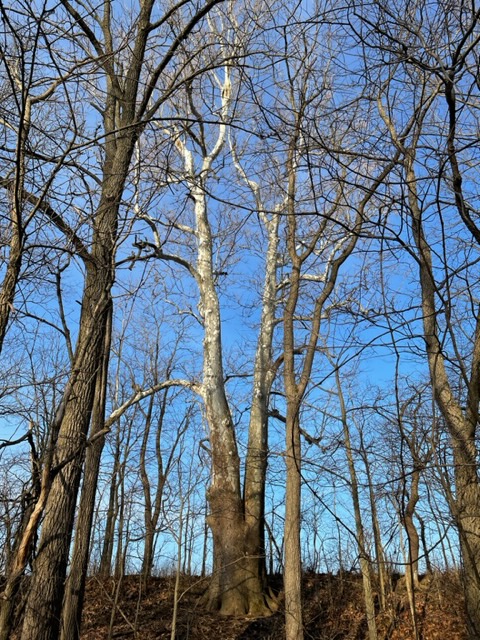
Twin sycamore trees stand tall on the west ridge above the quarry wetland. They have since the quarry was not yet a wetland, before channelization of Cranberry Run led to sediment-loads of eroded streambank and field being deposited steadily into its bed. The twins are two trees that grew together into what is known as a multi-trunk tree. As the trees got larger the trunks fused together (called grafting) and looked more like a tree with low branch structures.  If you were to cut these down they would show multiple sets of growth rings, confirming separate trees. 

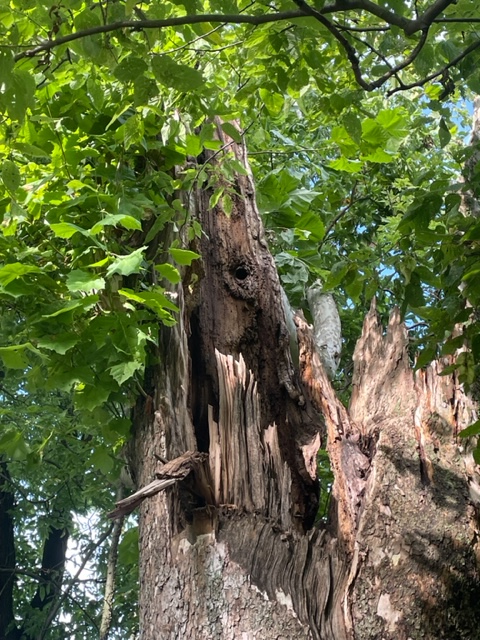
As of this morning, little effort need be made to see these growth rings. Earlier this spring, the southern twin was twisted in a swirling night storm, breaking the trunk about five feet from its ground base. The top fell east, laying down to span Cranberry Run with the tip of its crown in the quarry. David Seitz engineered the crown removal and left the remains of “Moby Dick” on the slope for wildlife shelter and visitor commentary. In the early hours of today, the northern-most edge of a large, powerful storm system blew in, tossing silver-sided cottonwood limbs and leaves, refilling Cranberry Run and felling the northern twin in the opposite direction over Road 7L. There is no help for that but disassembly and removal.

Baltimore Orioles nested in the canopy of the twin trees. Raccoons wintered in the hollows of the southern trunk and Eastern Fox Squirrels scolded from the branches above. Artists photographed and painted portraits of the twins for their distinctive bark and silhouette. They were majestic by daylight and ghostly in moonlight.

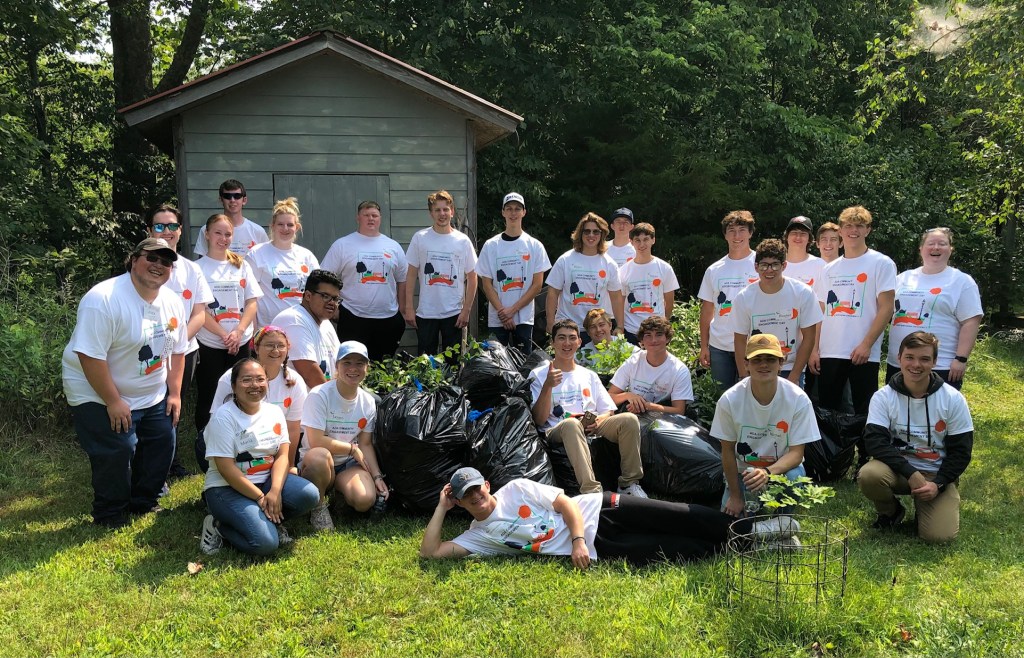
The southern twin—the bigger of the two—is sporting a thick crown of new green branches. Its roots are viable. There is, however, a hole in the view and heart of this place, for now. Just last weekend, 2023 ACE Day participants from Ohio Northern University volunteered here, sealing picnic tables and pulling bagfuls of amur honeysuckle to make way for native plants and trees. We’re thinking that one tree will be an American Sycamore, one strong single-trunk, on the slope above the creek.

Ohio Northern ACE Day participants made way for more native trees (like a strong single-trunk American Sycamore) and plants on August 19, removing amur honeysuckle by the bagful. They also sealed chairs and picnic table in the pavilion—the better to enjoy the sounds and sights.

Spring into Summer

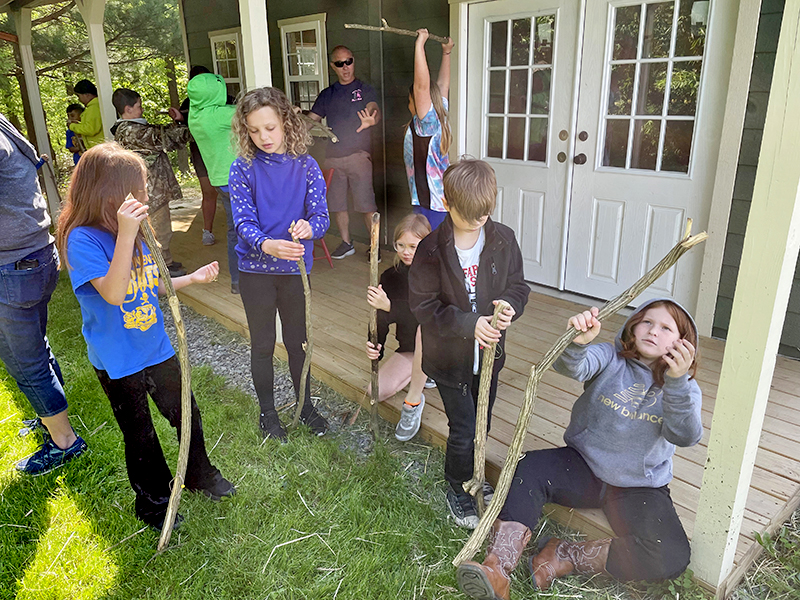
The Spring field trip season was hopping with onsite visitors and road trips to offsite presentations. Matt Hanneman, Cubmaster for the Glandorf Cub Scout Pack 229, brought his troop to earn their hiking badge on April 11. Recent flooding resulted in sightings of displaced shrews and hungry Great Horned Owl calls. Continental Elementary School third grade students arrived on May 12, most for the first time. They traveled by yellow bus across Putnam County at the urging of Charlene Finch. Charlene and her Continental Junior Gardeners were some of our first visitors after The Quarry Farm became official. We took The Quarry Farm on the road on May 15, or at least a snapshot thereof. Miller City-New Cleveland School rounded out their elementary program year with the theme “School is Wild” and we visited, along with Estella the Virginia Opossum and Amur honeysuckle hiking sticks finished by Deb Weston for each teacher.

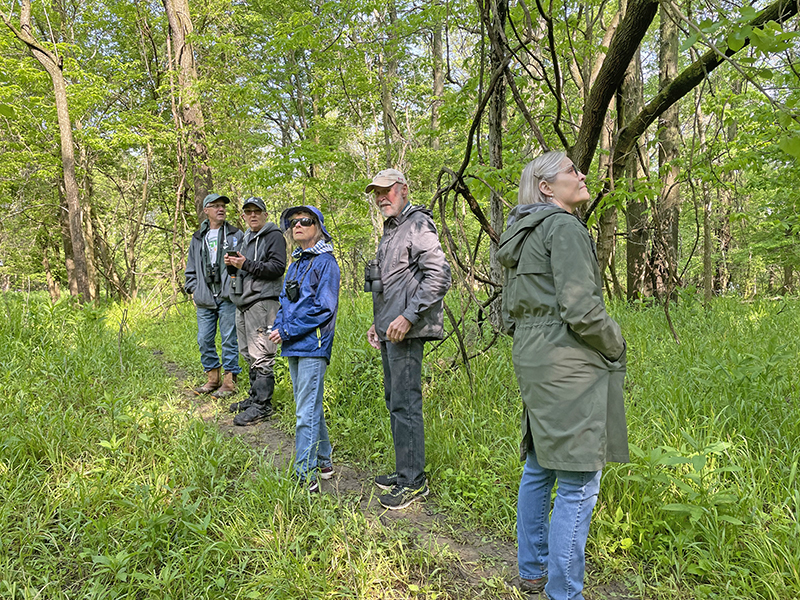
The May 20 Spring Migration Bird Hike resulted in 44 species observed in the nature preserve, including the addition of a Mourning Warbler to our eBird.org list of species. The days leading up to the hike were full of song, although the early spring foliage gave the birds plenty of places to hide. It’s a good thing that David Smith speaks bird. David and Deb Weston recorded 56 species the day before the hike. Eleven were migrating warblers.

For the first time we shared space with Into the Wild LGBTQIA+ at the Findlay Pride Resource Fair on June 3. We removed invasive honeysuckle the day before and used all 50 trunks to make hiking sticks there at Riverside Park.

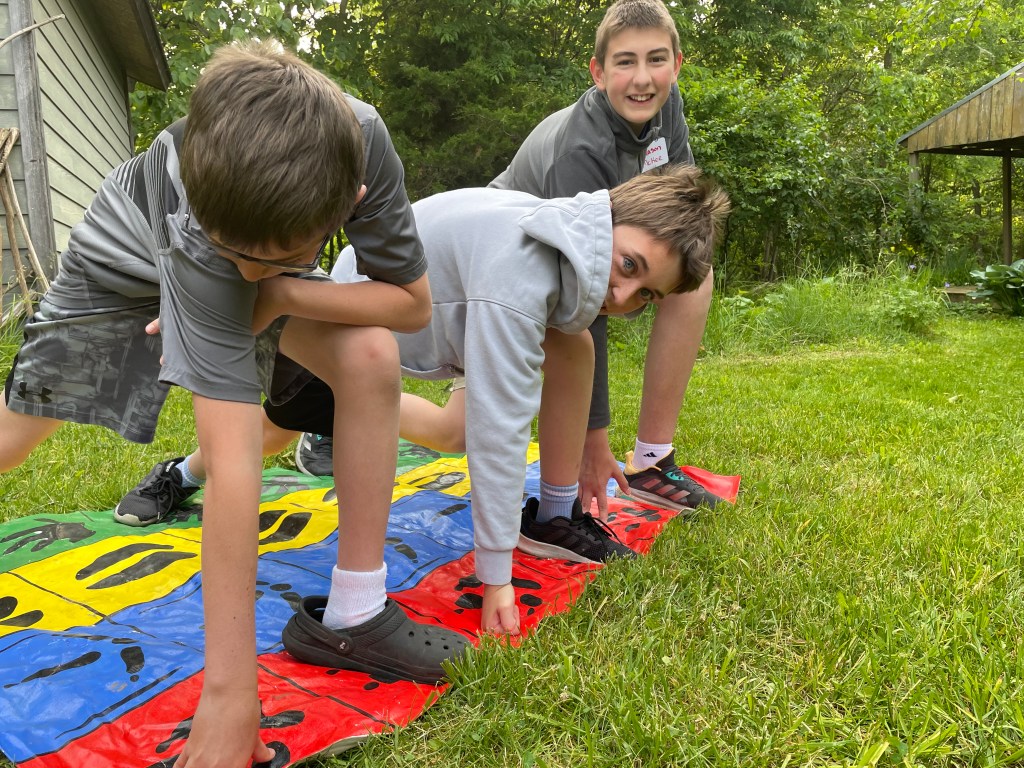
Putnam County Educational Service Center scheduled a summer camp geared toward Grades 5–8 here on June 6. Campers made hiking sticks and discussed aquatic insect adaptations before wading into Cranberry Run and the quarry to look for the insects, fish, mollusks and crustaceans that live there.

On June 17, the pavilion was set for a tea-tasting led by Kathleen Heeter. Her presentation included a rich, flavorful history of tea and tea culture. Participants tasted four curated loose leaf teas, each paired with a selection of freshly baked items from Kathleen’s menu. Attendees also shared a display of their own tea pots and tea cups.

Last fall, Cub Scout Pack 324 conducted their annual cake auction at Findlay Zion United Methodist Church. They donated the proceeds from the auction to support the work that we do here. On June 28, over a dozen pack members hiked The Quarry Farm trails to earn a badge and visited the farm animal sanctuary residents.

There’s always a sidebar

A wood duck zig-zagged through the understory yesterday morning en route to the southeast bank of the quarry wetland. Nearly 50 third-graders, teachers and chaperones paused between Cranberry Run and the southwest bank of the quarry. Several children chatted about the possibility of crayfish in the stream and turtles sunning on snags. Others were looking to the northeast at just the right time to see the bird land briefly in an overhanging tree before it spotted humans and took off again.
The Continental Elementary School students were here on a field trip, most for the first time. They traveled by yellow bus across Putnam County at the urging of Charlene Finch. Charlene and her Continental Junior Gardeners were some of our first visitors after The Quarry Farm became official. They made the trip several times until their leader was no longer able to coordinate the group’s adventures.

Two days before we took The Quarry Farm on the road, or at least a snapshot thereof. Miller City-New Cleveland School is rounding out the elementary program year with the theme “School is Wild” and Grades K-5 are getting wild by virtually traveling to other parts of the world. A few months ago we were asked if we could work with that. “What would you think of our talking about how some plants and animals are here that shouldn’t be, like invasive bush honeysuckle and zebra mussels, and how they affect local wildlife?” I asked, and our spot on the agenda was a ‘go’.

North America’s prickly pear cactus is spreading around the Old World, while Eurasian plants like Lonicera maackii, the Amur honeysuckle are going on a joy ride here. One Miller City New Clevelander student exclaimed, “Like a Hydra!” when Rowan explained that, when you cut that honeysuckle down, 20 more grow in its place. So yes, you fine young man, the Amur honeysuckle is exactly like the mythological beast that grows back twice as many heads each time Hercules or another Greek god cuts of one head, unless someone carefully treats the stump or yanks each root hair from the ground.

We ran with the Hydra reference all day and carried it over to yesterday’s field trip. I expect that it’s here to stay.

Birder-extraordinaire Deb Weston crafts gorgeous hiking sticks from Amur honeysuckle. She collected suitable honeysuckle trunks from the nature preserve and finished one for each of the school’s K-5 teachers. Virginia Opossum, Virginia Estella represented native species in Central America and the USA, although the Virginia opossum is considered an exotic (non-native) species in British Columbia. Not much is known about its impact on the province’s native species. Maybe North America’s only marsupials are making a dent in tick populations as they wander.

Getting back to yesterday, the Continental schoolchildren made lasting leaf t-shirts from leaves collected on the hike. There were visits with the farm animal sanctuary residents.

SIDEBAR

K, like the other tagged Canada geese T, U and X that are current residents of the farm animal sanctuary, were placed here by a wildlife rehabilitation center with the hope that the proximity to wild Canada geese will light that spark within them tell them that they are wild birds. K, like T, seem to realize that Steve, who just had significant knee surgery, is an injured member of their flock who must be protected from potential predators. T has been Steve’s protector since the bird first saw Steve walk with a cane. We found out yesterday that shy K, who has only been here for a few weeks, will come out of his timid shell to keep Steve safe. After one field tripper had to high-step over a K intent on keeping the predator/student away from Steve, K was escorted into the inner paddock where he spent the remainder of the visit. And that is just one of the reasons why wild babies should left in the wild.

They began their own hiking sticks by threading cord loops through pre-drilled honeysuckle—40+ hiking sticks from just four “Hydra” shrubs. The day was dry, so some bark was peeled. Students were encourage to keep peeling to reveal the lovely woodgrains and insect trails beneath. Teacher Sharon Siebeneck invited the students to each bring something from home, a threadable something that is of value in their young lives, to thread on their cord loop. There were buttons, medallions, charms and beads. All have stories. One little girl shared hers while she arranged her leaf shirt with Rita.

“She kept showing me the bead. I could tell she wanted to tell me something but was kind of shy.” They chatted a little more. Eventually, the girl told a story that made all of us cry, with the anger and sorrow of it, and the honor that child bestowed upon The Quarry Farm by selecting that piece to for her hiking stick. The little girl once had a cat that she loved. One day the cat went outside with the dog. The dog came back but not the cat, not for a long time. When the cat did come home, it curled up on her bed. “We went to church,” she told Rita. “When we came home, the cat wasn’t acting right. My grandma looked her over and someone had shot her.” The cat died from this cruelty and the ashes are stored in that bead.

The Skinny on the Thick of It

“You’ve got to try Facebook,” they said. “It’s fun. Everyone shares pictures.” I did and lots of people did, too. Then we shared ideas. Then we shared opinions as well as other people’s opinions like they were our own. We made “friends” and we lost actual friends because it is so very easy to click without weighing the pros and cons of clicks. I did all of the above, forgetting that social media is a really handy tool and should not be a pastime, even on cold, windy, rainy days like we weathered this week. Yesterday, I found myself getting depressed over the negative back-and-forth in one private group that, over time, has devolved (in my opinion) into an airing of us vs. them and why anywhere is better than here.
I left the group yesterday and went outside to talk with the geese under the clearing sky.

The geese are indeed talking. Nine wild Canada geese landed outside the fence yesterday. The eight geese on this side of the fence noticed. There was about 15 minutes of boisterous conversation. One goose from this side of the fence flew over to join the wild flock, which is exactly what we hope for. The Canada geese here are flighted and banded with identification so their movements can be studied once they become the wild birds that they are meant to be—IF they can shake loose the strong bonds of imprinting on people.

Buddies Tim and Scott

One Canada goose that will not be flying is Tim. He’s been spotlighted in The Quarry Farm newsletter. Last Saturday, he had visitors from his hometown of Parma, Ohio. Scott cared for Tim when the goose’s mate died. He made sure that his “Buddy” had feed and open water when the flock thinned in winter. According to another visitor to the Parma pond, Tim had been hit not once but twice by the same car. And survived. And thrived, thanks to Scott.

Scott and Margaret drove from Parma to say hello to Tim. Another banded Canada goose rode along, a very large bird that is fully flighted but very imprinted on people. Spring being what it is—a season of great twitterpation among all species—the new goose came out of his crate loaded for bear. He rushed Lucy the Donkey. The goose that keeps close to Lucy took umbrage. The new goose took off and visited the neighbors about 1/2-mile south for 24 hours before returning with his feathered tail between his legs. This goose, who is identified as “K”, is minding his Ps and Qs and treating “T”, “U”, “X” and the other geese (and Lucy) with more respect.

In addition to new tall goose tales, there are stories of new bird sightings this Spring. Deb Weston and David Smith have been monitoring migration. Deb added Eastern Whippoorwill to the Hotspot list of 140 avian species documented on these 50 acres. Last week she saw a Blue-headed Vireo and is trying to catch a photo of the cheeky bird. She did get a photo of a White-eyed Vireo (above).

David Seitz continues to trek from Columbus 2-3 times per week to battle invasive shrubs, adding more bush honeysuckle limbs and trunks to the shelter piles. Last month’s flooding floated one of the pillars—two substantial tree trunks that mark the start of the floodplain trail—into the 19th-century quarrying overflow channel. David’s mind-boggling engineering engineered it back into place. By the way, that same mind engineered the whole, ancient and water-logged tree trunk from the bottom of the quarry a few years ago.

Paul and Joyce Bonifas constructed the Cadillac of composting systems in the Red Fox Cabin garden area. Paul designed it and all of the Putnam County Master Gardeners and other volunteers will add to the bins. So will whichever one of us cleans the henhouse next.

Glandorf Cub Scouts were the first group to walk the trails this season. They heard owls, spotted shrews that had been displaced during the flood and watched a bald eagle follow Riley Creek. May, June and July days are packed with school field trips, summer camps, the Summer Tea Tasting in the Gardens (June 17) and the Spring Migration Bird Hike (May 20).

Two weeks ago, a carload of loud music and shouting teens stopped along the Northwest perimeter. My hackles went up, expecting a can to go flying over the fence. Instead, someone shouted, “It’s just beautiful!” This place, the lives that depend on it, the volunteers who care for it and them and the people who want to know more about it and them are why here is a place to be.

Speaking up for moles (again)

Overheard: “The moles are tearing up my yard/bulbs/flowers/stones/!”

This article appeared in the Winter 2017-2018 issue of The Quarry Farm newsletter. It bears repeating. Your, and our, yard is better for the presence of moles.

Not long ago after autumn rains had softened the baked lawn around Red Fox Cabin, little volcano-shaped mounds erupted here and there, heralding the arrival of moles. Moles don’t alarm me because their burrowing hasn’t seemed to cause lasting damage in the garden. However, convinced that the humans on a nature preserve should be knowledgeable about their fellow inhabitants, I went online to learn more about moles.

Members of the family Talpidae, moles are found in most parts of North America, Europe and Asia. Seven species live in the U.S., the Eastern Mole being common in our region. They are 5 to 7 inches long, larger than shrews and voles. Males are called boars; females are sows; and the young are pups. A group is a labor (perhaps because they are so industrious?). They are carnivores, not herbivores. Their diet is primarily earthworms, grubs, and the occasional mouse, but not our garden plants. Once they have eaten the food in one area, they move on.

Moles are amazingly adapted to a subterranean life. They can distinguish light from dark but not colors. Although their eyesight is dim, their hearing and sense of smell are so acute that they can detect prey through many inches of soil. They have large, powerful, outward-pointing front legs and claws for pushing dirt aside as they “swim” through soft, moist earth. They are able to disappear from rare ventures to the surface in 10 seconds flat, to tunnel 1 foot in 3 minutes and to run through established tunnels at about 80 feet per minute. Their short, velvety fur is non-directional, causing little resistance as they move rapidly through tunnels. (Their soft, dense pelts once supported a thriving moleskin industry.) Moles can survive in their low-oxygen environment underground because they can tolerate the high carbon dioxide levels in the exhaled air they reuse. Their saliva paralyzes prey, which they store, still alive, in underground “larders” for future consumption. Moles can detect, capture, and eat their prey faster than the human eye can follow.

Moles make 2 types of tunnels: feeding runways close to the surface where the molehills pop up and permanent tunnels about a foot or more underground, leading to a nest about 2 feet deep. What might look like the work of many moles can be the product of one busy tunneler.

Moles are solitary and highly territorial, coming together only to mate. Breeding season runs from February to May. From 2 to 5 pups are born after a 1-month gestation, and leave the nest 30 to 45 days later in search of their own territories. Although tunnels may overlap, moles avoid each other and will attack and even fight to the death when they meet.

Many online gardening experts write about moles in terms of their being destructive pests that must be eradicated. They suggest many methods of doing so: poisons; traps that choke, spear, slice or confine for removal; buried repellants like broken glass, razor blades, or thorny branches; or natural, more humane repellants like plantings that smell bad to moles (daffodils, alliums, marigolds, castor beans, etc.), castor oil drenches; and reducing lawn watering that could force moles close to the surface.

However, I lean toward a smaller set of gardening experts represented online who believe that moles are more beneficial than destructive. Rather than taking offense at molehills, they point out that moles improve soil by loosening, aerating and fertilizing, and the cones subside quickly. Any soil that has been lifted off roots can be pressed down again with a foot. Moles receive the blame for plant damage caused by chipmunks, mice and voles, and generally receive little credit for destroying lawn grubs. I myself would rather let moles eat pesky soil-dwelling larvae than chase moles out by spreading harmful poisons to kill the grubs. In the view of one expert, Roger Mercer, “Moles aren’t all bad. In fact they’re 99% good.” As a 15th century saying goes: “Do not make a mountain out of a mole hill.”

—The Gardener at The Quarry Farm

They come

Little Lady was buried last week. She was at least 23 years of age. Her pale gray calico-ness showed up about the same time that Steve secured the last piece of lumber on the front deck. She didn’t leave the deck so we opened the door. After that, she never left the house except for vet visits and to step out and turn right back around to inside. She was ridiculously healthy, opinionated and acrobatic. We figured that she would scramble up the stairway banister or doorframe one day and check out in mid-journey one day. And that’s almost exactly what she did.

But this writing isn’t about Little Lady. Other than living in the house that sits apart from the farm animal sanctuary here, she wasn’t of The Quarry Farm. This is about what happened after she died.

We cried, grabbed a pick axe and shovel and took her body outside to bury her in the frozen ground under the white pine needles in the north corner of the pasture. She didn’t particularly like other animal company so we didn’t bury her near anyone else. We joke that someday someone will excavate this property and shudder, wondering, “Who WERE these people?” But the remains of a little cat will be there, all by themselves. The excavators may attribute some sort of deification to her.

The donkeys came first, stepping slowly up the slight incline from the lowland. Then the goats. Then Willy the three-legged sheep. And for the first time, in all the physical goodbyes that one has to make on a sanctuary, the geese came. Not Gigi and Henry the domestic Emden and China White, but the Canada Geese. They were delightful, deep flood pools in the north lowland to race-fly across. But the seven geese placed her for soft-release walked slowly up the hill, murmuring to each other with their long necks snaking out in front of them. T, the largest of the little flock, stood on Steve’s feet while I replaced the soil.

I don’t know why they always come. It’s more than out of curiosity and strange odor, of that we’re sure. When Mister Bill the Giant Goat died, everyone—every single one—gathered around his grave. One of the goats knocked the shovel and the first load of dirt out of Steve’s hand.

We bury as deep as we can in order to prevent the unsettling sight of a corpse being predated. In 20 years though, it hasn’t happened. The pine needles were scattered and smoothed over this most recent grave. I looked at it today and you would never know that the spot had been disturbed. The pigs root constantly in spring for green shoots. The chickens follow up for worms and grubs. But they have yet to touch a burial spot.

Maybe it’s the disruption in energy, neither created nor destroyed. I don’t know. I don’t know that any of us humans will ever know, because we seem to think we know it all already. But they do, simply and beautifully.

Keep making more connections. Download your copy of the Spring 2023 newsletter by clicking on the cover.