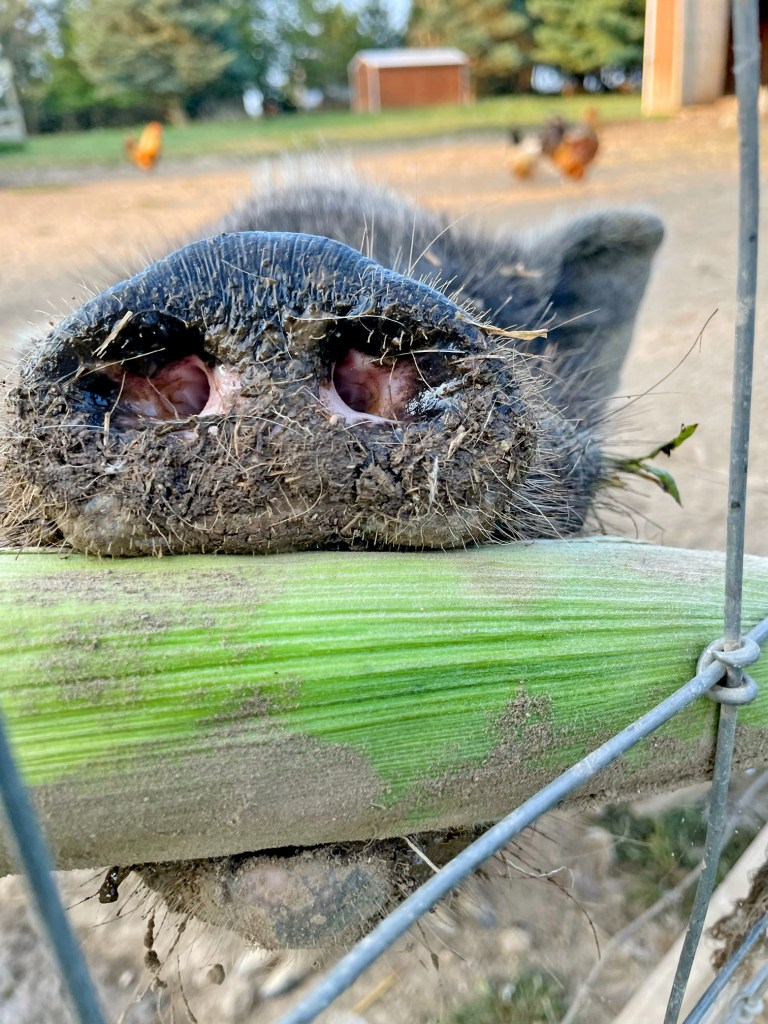
There isn’t much opportunity to travel for us. Someone (someones, ideally) must be on hand who can carry 5-gallon buckets in winter when the water hose is detached and who can suggest to a 700-pound, heat-prostrated pig that she shouldn’t block the paddock gate but rather get up and plunk herself in the cool mud wallow. Someone(s) must know the various bird and mammal personalities well enough to convince them to go in at night and how to distribute breakfast the next morning so that everyone gets enough. It takes a small village, one that doesn’t have a whole lot of residents.
Occasionally, we are able to be away; two of us together. Just a few nights ‘away ‘abroad’ are enough to remind us why we choose to live here in the middle of braying, crowing, wallowing, and leaf whispers. It’s good to return to this place where the cricket frogs still sing in Spring and screech owls screech and make guttural whoops in Fall. They do that last thing, you know. It took us the longest time to figure out that the same little owl with the high-pitched warble also growls.
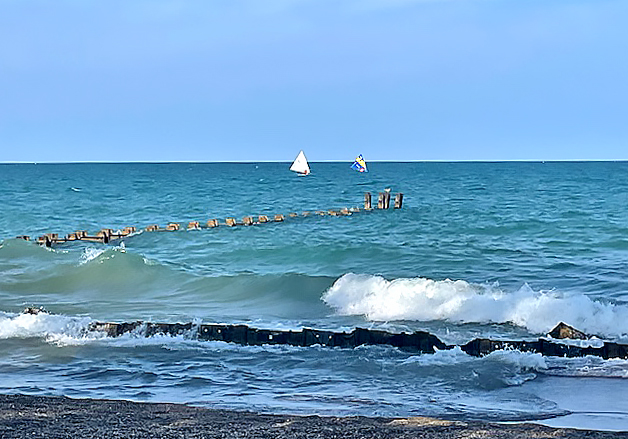
Last Friday, we piled stuff in the car and drove to visit family and an art festival in Chicago. Chicago seems a world away from our one-lane rural road, but it’s only slightly longer than a trip across the width of Ohio. Our route through Indiana featured 3 hours of very dry corn fields before Gary, IN brought us to the Skyway bridge to Illinois (complete with a troll on either side to pay.) The Democratic National Convention had ended the night before, but that traffic was joined by incoming patrons of 2 art festivals (including ours), a world music fest and a tattoo extravaganza. After two hours of Friday evening on I-94, we dipped our sweaty fingers and toes in cool, clear Lake Michigan at Millard Park.
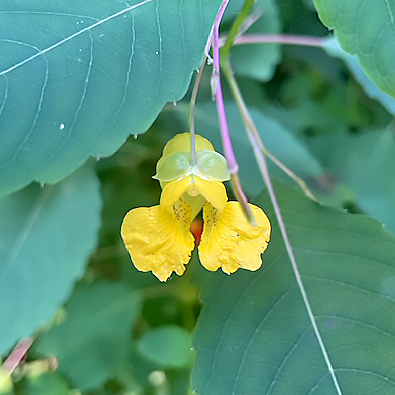
Millard Park, as well as other Chicago-area parks, bike paths, and train right-of-ways are undergoing habitat restoration. There are signs informing pedestrians that the Wingstem, Cup Plant, Joe Pye and Iron Weed planted along the paths are part of a concentrated effort to restore the natural balance of the region. The gardens surrounding mansions and bungalows are planted with riots of native purples, magentas and golds rather than specimen cultivars mulched to the stem as is commonly done in Northwest Ohio. The deep roots of those native plants are part of an effort to restore health to soil and to filter impurities from Lake Michigan’s watershed. The lake itself entertains, bathes, and quenches the people, animals, birds, and insects that live there. Deep in the ravine road to Millard Park, orange and yellow touch-me-not Jewelweed camouflages multimillion-dollar home drainage systems.
The same plants live on The Quarry Farm. Goldfinches burst from the riot of color planted along Chicago Transit Authority’s Purple Line just as they do next to Red Fox Cabin. Jewelweed pods pop from a dragonfly’s touch along Cranberry Run. The more Jewelweed the better. Its natural astringent powers stop the itch of poison ivy that it grows alongside.
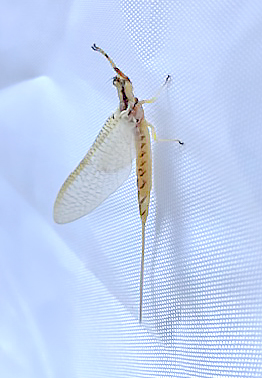
Many of us Midwest/Easterners also experience the late summer emergence of cicadas. A couple of weeks ago, My Steven worried that he hadn’t heard them much recently. Two broods emerged in Illinois this year, including in Chicago. This is the first time these two specific broods have co-emerged since 1803. The first brood thrummed above the streets and sidewalks in June. They suffered from over-active libidos when Massospora cicadina—a puppeteer fungus that rivals the post-apocalyptic mushroom heads featured in “The Last of Us”—replaced about a third of each insect’s body, including the parts that fuel reproduction. Currently, the city is being serenaded by the second brood. On the ride home, I heard a news report about these cicadas’ eggs are being invaded by Oak Leaf Itch Mite populations. The mites are always around. They normally invade other insect eggs housed in the galls on oak leaves. But the mites are having Chicago field days this summer. They feast on the eggs of some trillion Brood XII and Brood XIX cicadas. The frenzied mites fall from the trees and keep munching. Tasty humans are advised to wear long sleeves rather than spray.
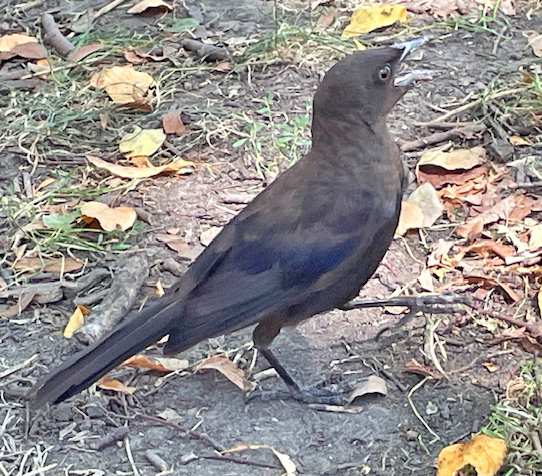
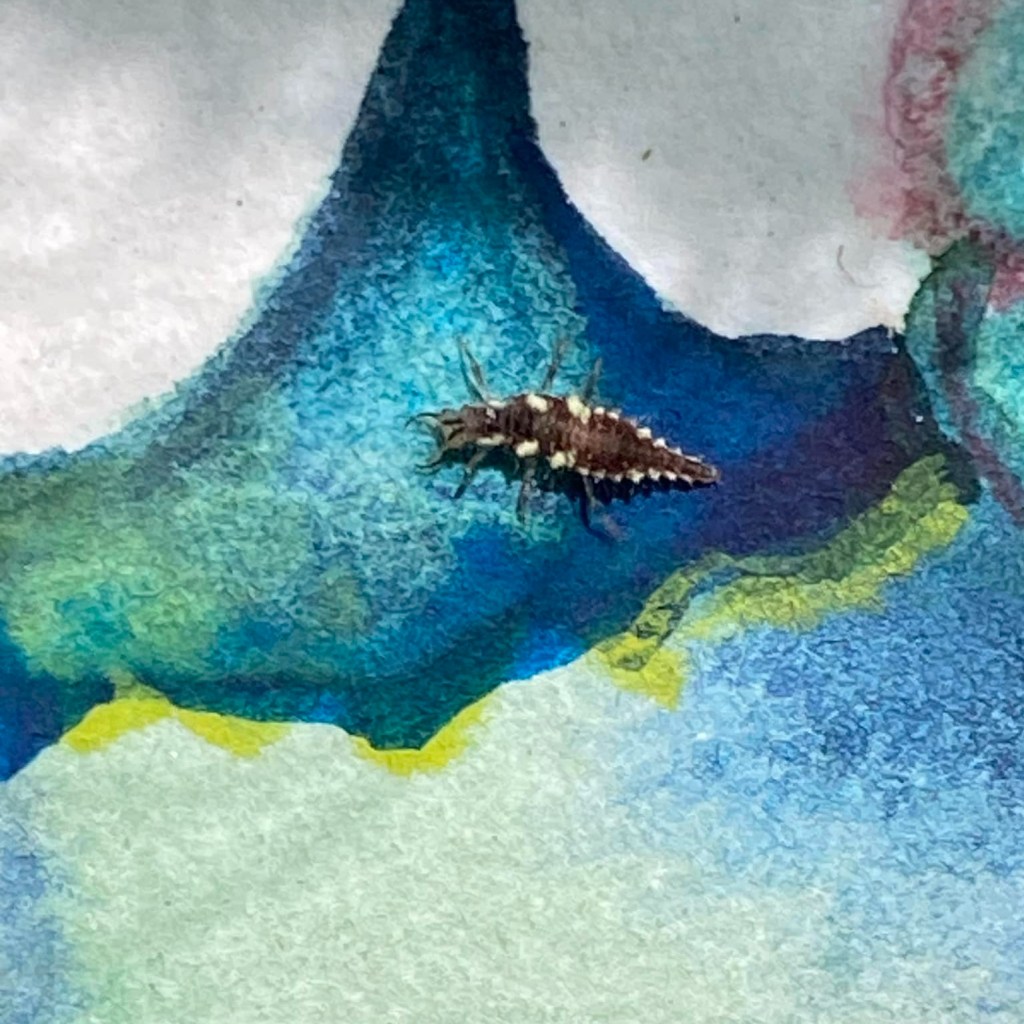
But spray they do. As we shaded under American Hackberry trees at the Bucktown Arts Fest, a citronella candle burned in the park oval. A juvenile Grackle hopped in and out of artists’ tents, dismembering and eating cicadas every few feet. He hopped over to the candle, tried to perch on the rim and, shrieking, scurried under an awning. He was chased back out. The chaser sprayed a stream of DEET up and down their thighs, complaining of insect bites. A dead Assassin Beetle larva—a beneficial insect—fell from the air onto my watercolor paper.

We drove through our front gate on 7L on Monday evening. Our bellies were still full of deep-dish Chicago pizza and 7-layer halva. It was hot and sticky and cicadas were singing in the nature preserve. Quinn screamed and wagged her tail. Steve collected tufts of shed fox fur that she left in her wake and we remembered why it’s good to get away and come home again.