Download your copy of The Quarry Farm Newsletter/Summer 2025. Our first event onsite is an herb kokedama workshop. There are four herb kokedama growing on the porch of Steve’s kitchen–they are a fresh, cool, environmentally-friendly cultural experience. And registration is now open for The Quarry Farm 2025 5K, which we have moved up to September 13. This is a major fundraiser for us. With traditional funding—grants, corporate sponsorships—fewer and farther between with ongoing unrest, we need your support more than ever. Thank you.
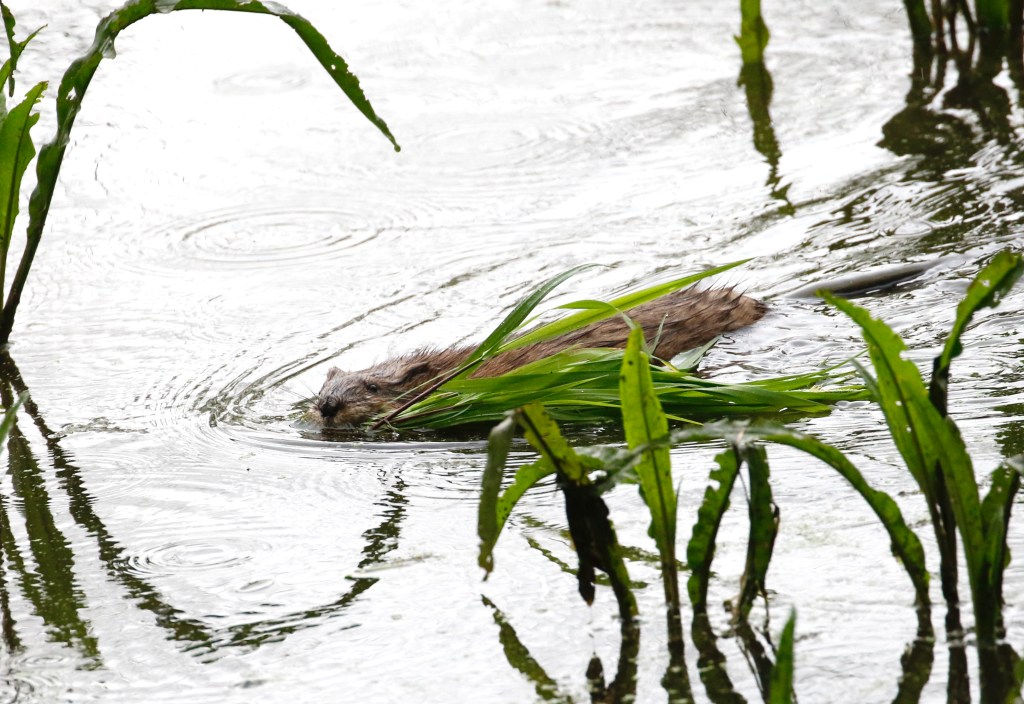
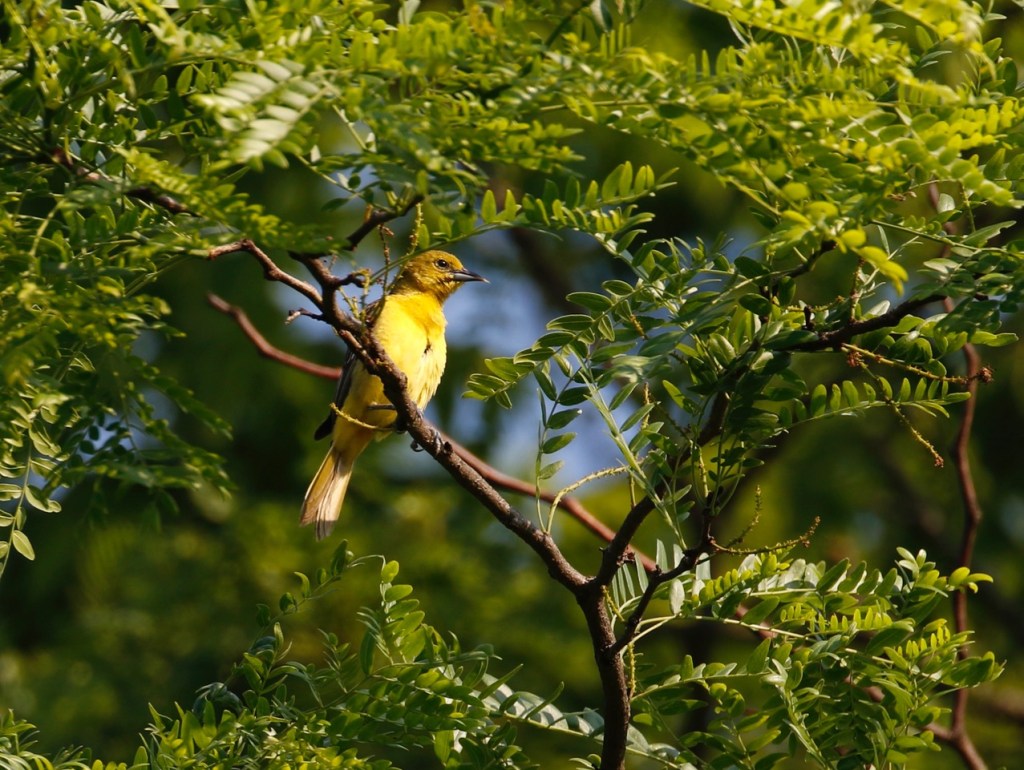
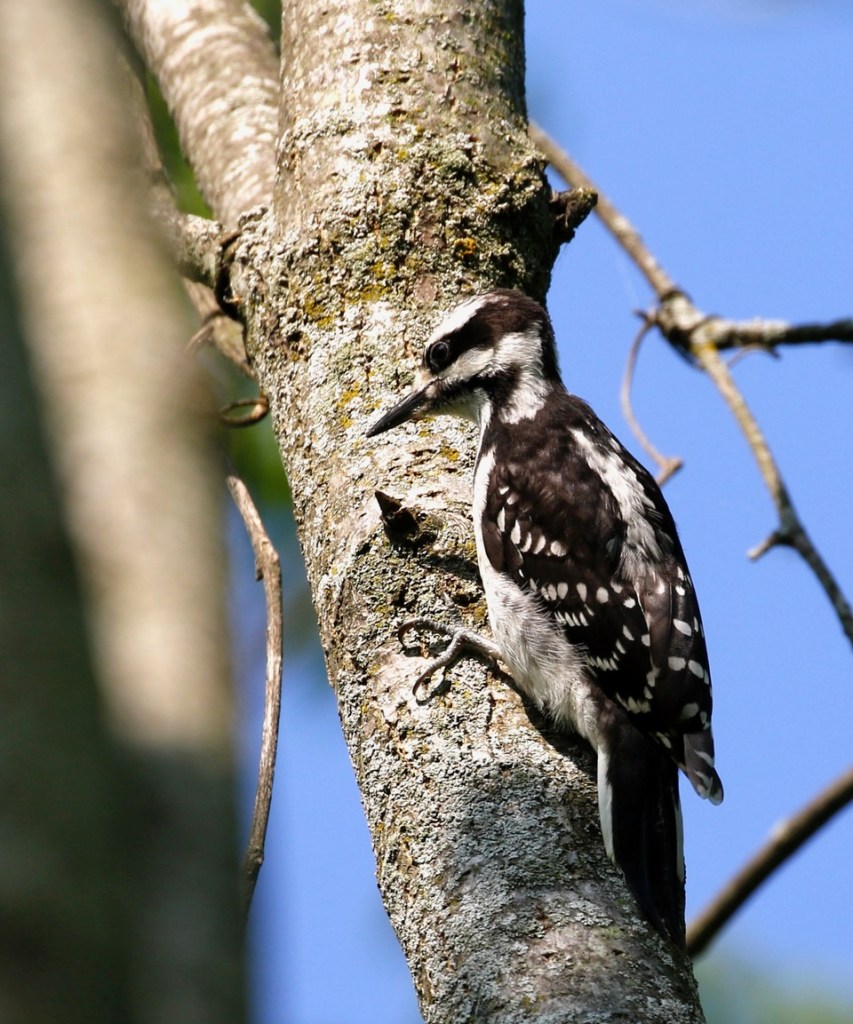
And because an 11″ x 17″, two-sided newsletter will only allow for a small selection of the photos that are captured on The Quarry Farm from season to season, here are a few Spring snapshots that didn’t fit on the pages.
Two Canada geese named Johnny and Stella introduced us to the richness of a life shared with wildlife educational ambassadors. I would say the introduction was a gentle one, and it was, until we found Stella’s body floating in their water tank. No one could tell us why. She looked fine externally. Wild animals naturally fight tooth, nail, beak, bill, and claw to stay away from humans, probably because humans are at the top of the food chain and every other species knows to keep their distance. If wild things allow humans to approach, there is something not quite right internally, in their nature or nurture. Their most natural state of being has made them vulnerable to our opposable thumbs, our intelligence, or lack thereof. A lifetime of living with other species makes me certain of the latter, especially as I write this there are military maneuvers going on in the sky outside my window.
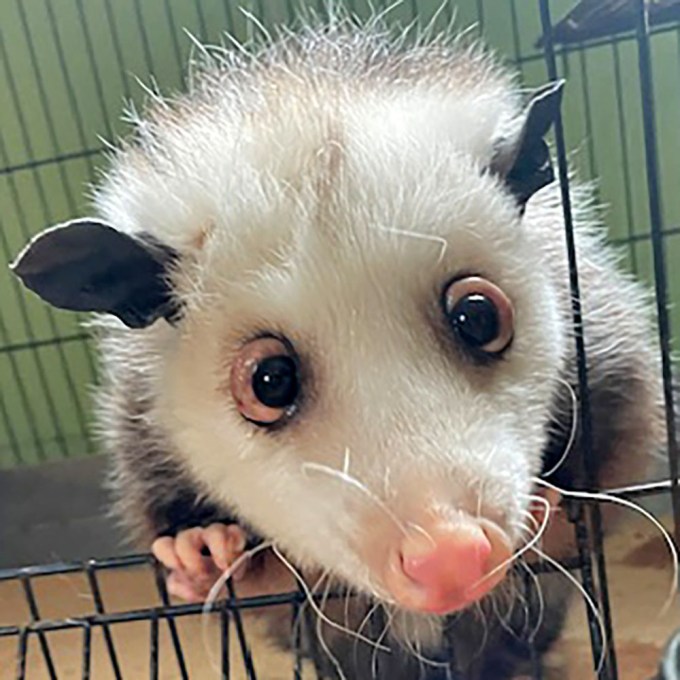
Estella
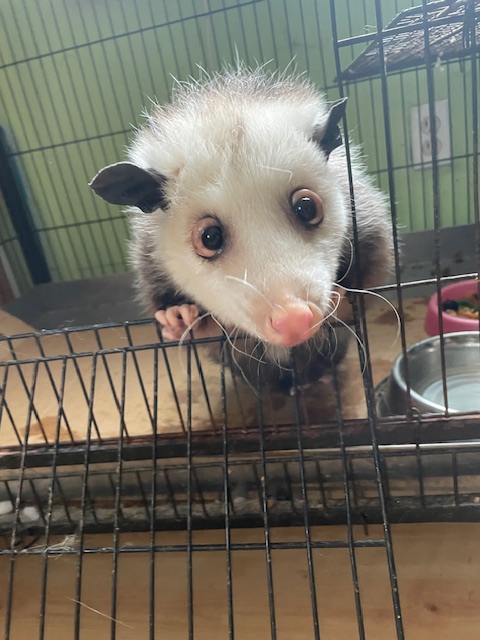
Although it is tragic thing when a wild animal can’t live safely in wildness, it is a gift to spend some part of one’s human lifetime in their company. Some live for a few years. Others for a decade or more. Right now, we often tearfully refer to the farm animal sanctuary as the geriatric home. It’s been 14 years since Johnny and Stella moved in. Many mammals and birds have lived what remained of their lives here. The last 12 months have been hard on our hearts as several friends have, as we say, “gone over the fence.” This month, as we planned for an all-day offsite event about living side-by-side with wild creatures, we intended to feature Estella the Virginia Opossum. Estella was almost 4 years old, pretty ancient for this marsupial. She died in her sleep on Sunday.
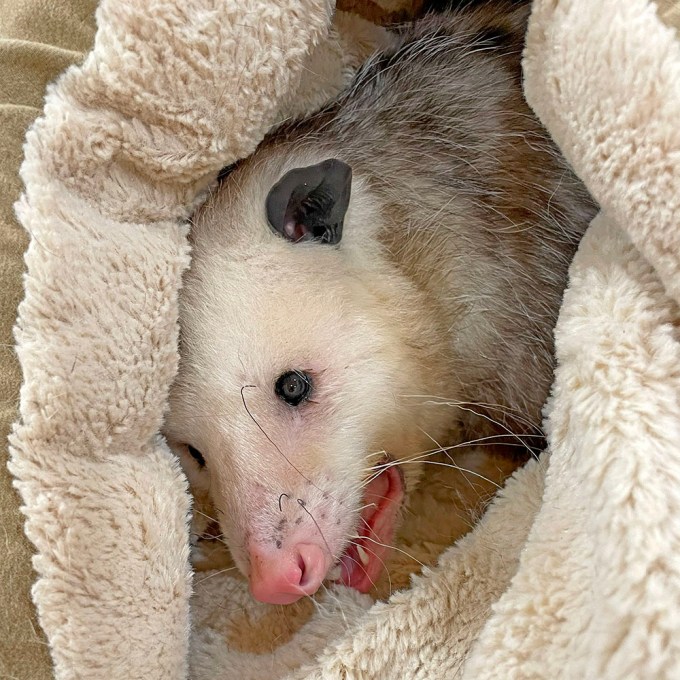
Winston
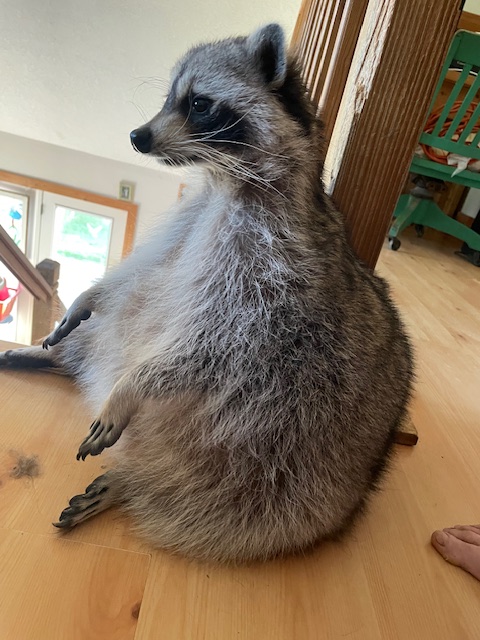
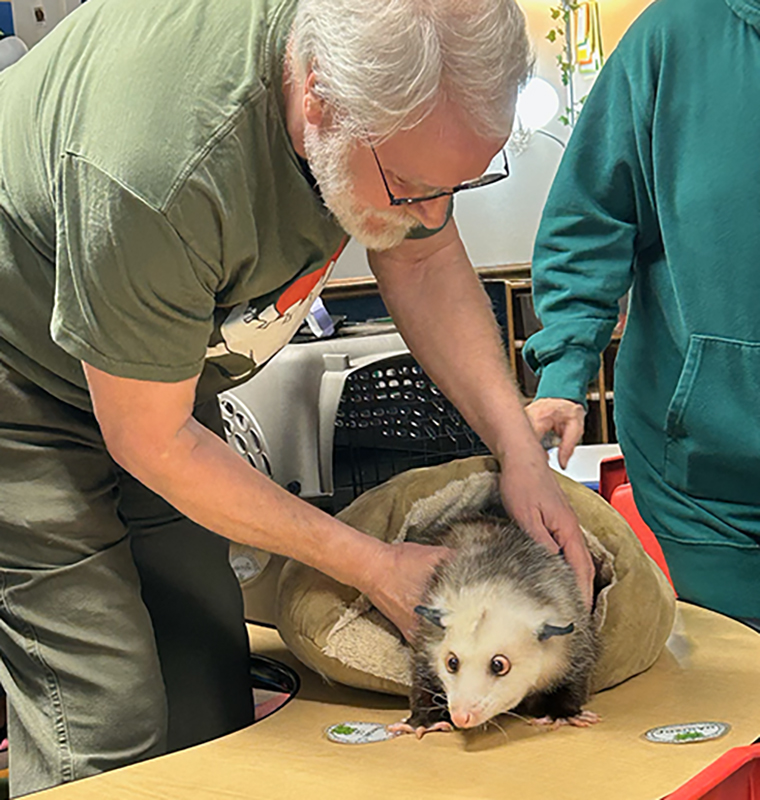
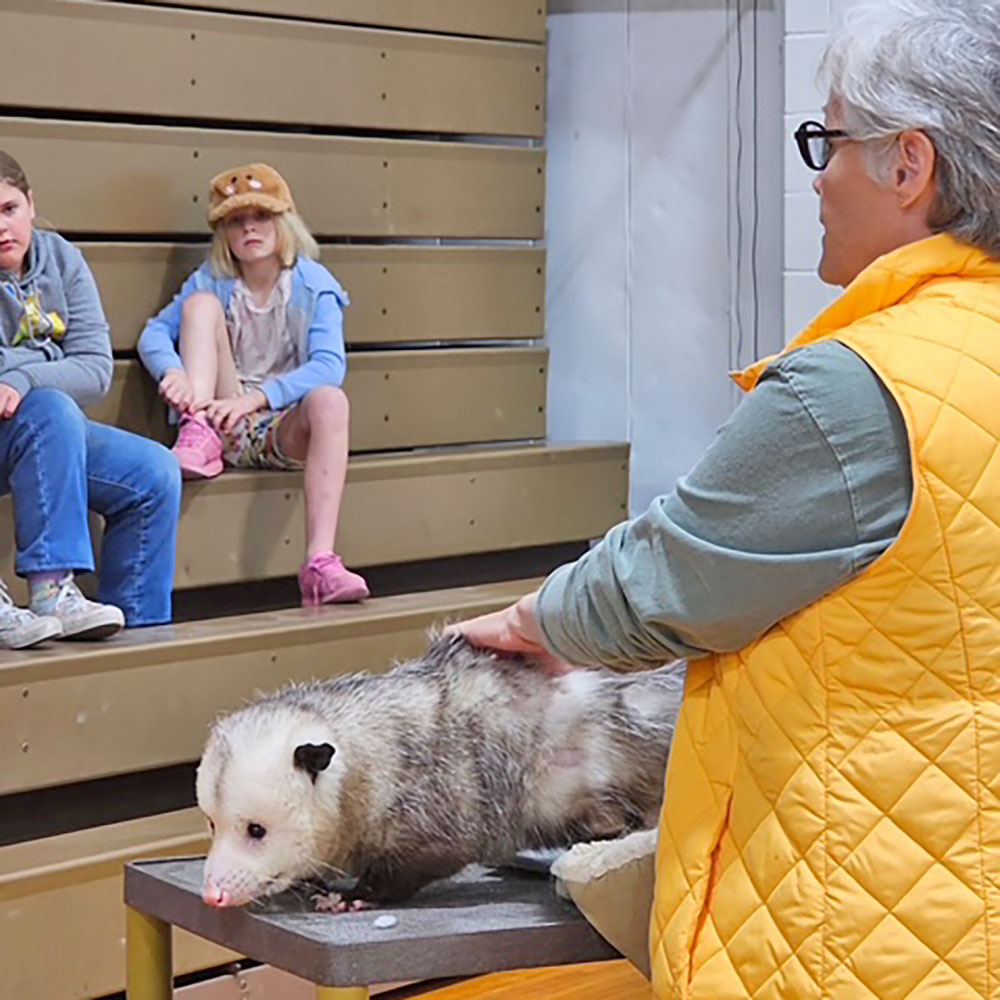
In February, while I was in Columbus for a conference, my phone pinged with a text regarding an adult male, caught-by-dog Virginia Opossum. A Proctorville wildlife rehabilitator rescued him in the Fall. Angie named him Winston, and healed his severe wounds and fought infection. He weathered several veterinary appointments and possible pneumonia. But Angie got him through. Because Winston has mobility issues and hairless scarring on his hindquarters due to his injuries, it was decided that he could have a good future as an educational ambassador. Three weeks ago, I met Angie and Winston in Columbus for adoption.
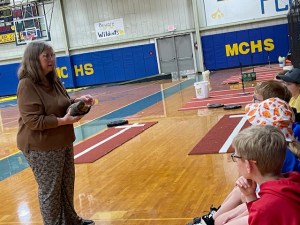
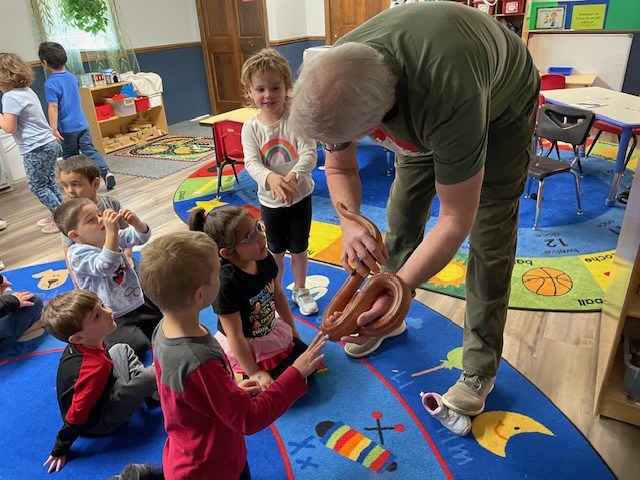
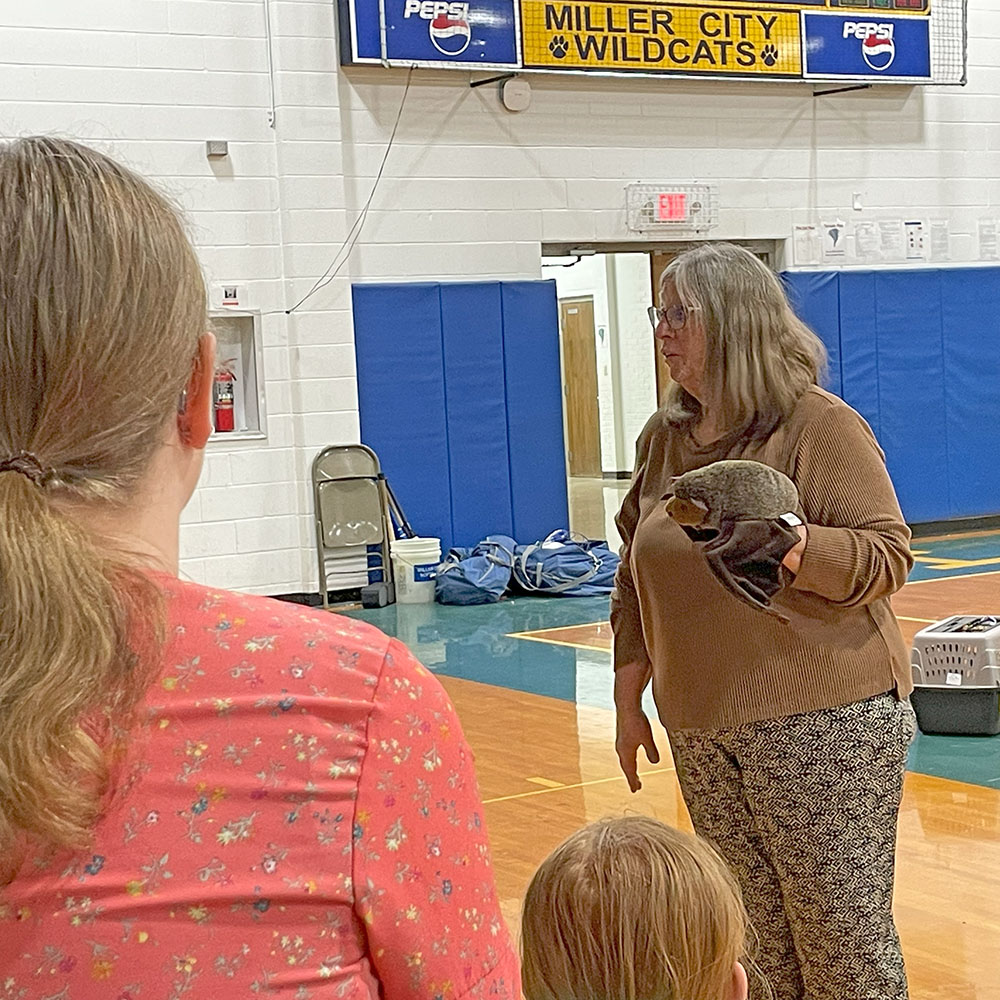
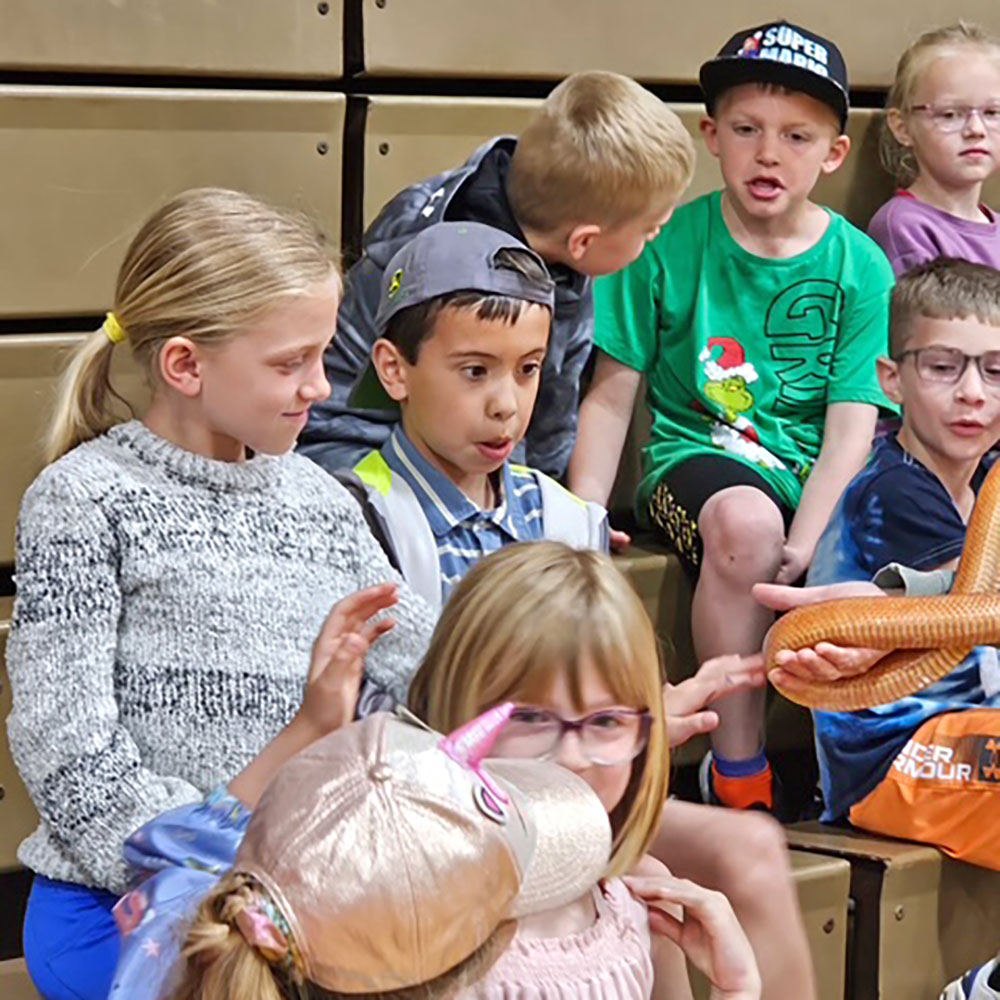
On Tuesday, May 13, Winston represented his amazing, vital species at Miller City-New Cleveland Elementary School’s “School is Cool” event. Board Member Rita used owl and bat puppets to demonstrate the horrors and harm of using traps and poisons to control wildlife. Tyree the cornsnake, all shiny coral from a recent shed, represented the benefits of encouraging snake residents on a farm and in your garden. Winston growled a bit at first, but his scars are itchy. With ongoing scritches, he settled into his ambassadorship. No one knows exactly how old Winston is, but he will be comfortable and at peace at The Quarry Farm for as long as he will give.
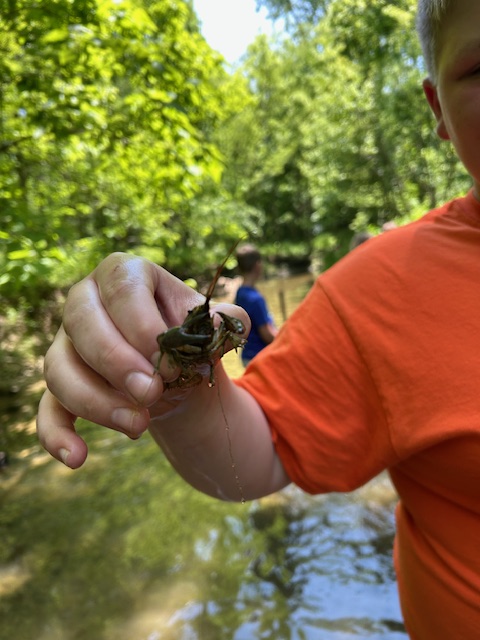
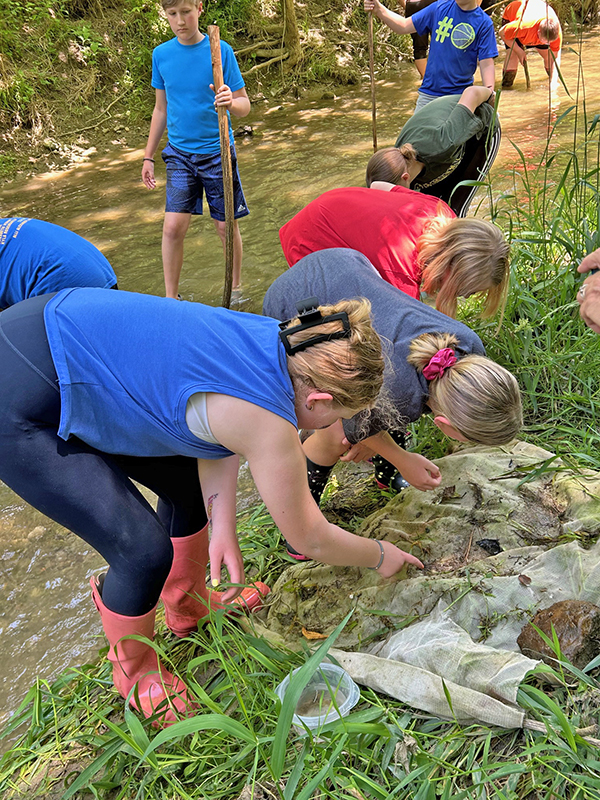
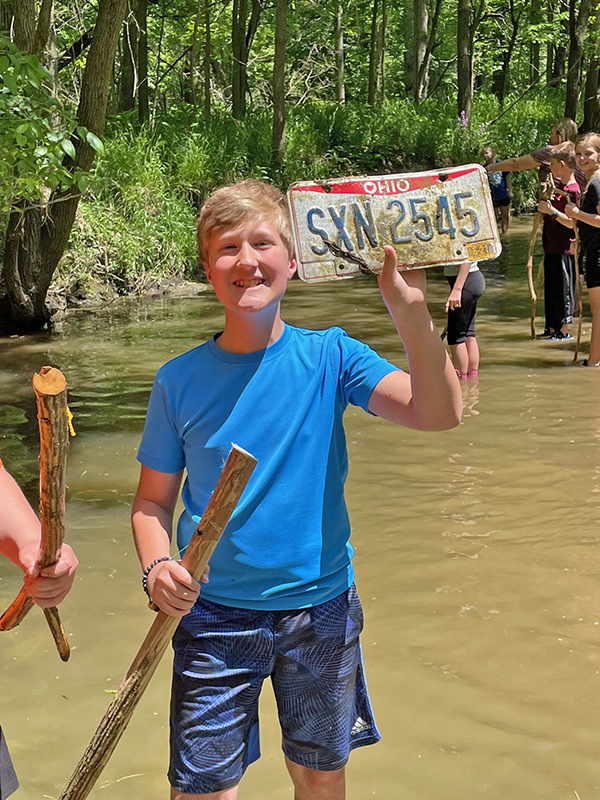
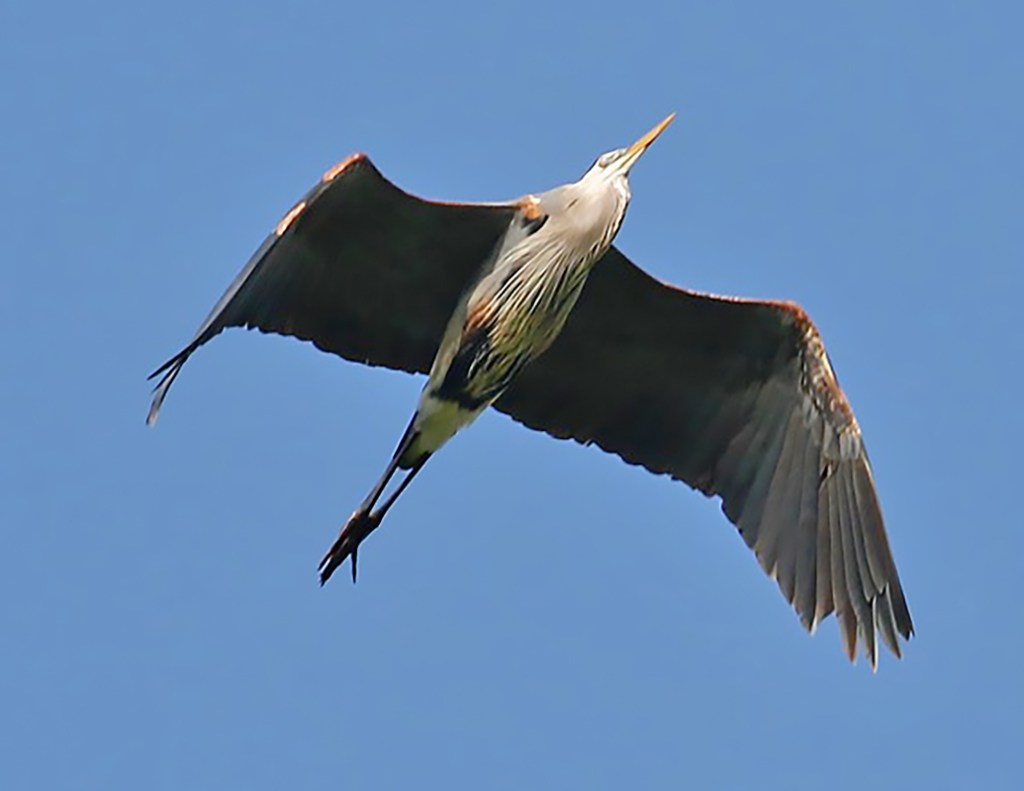
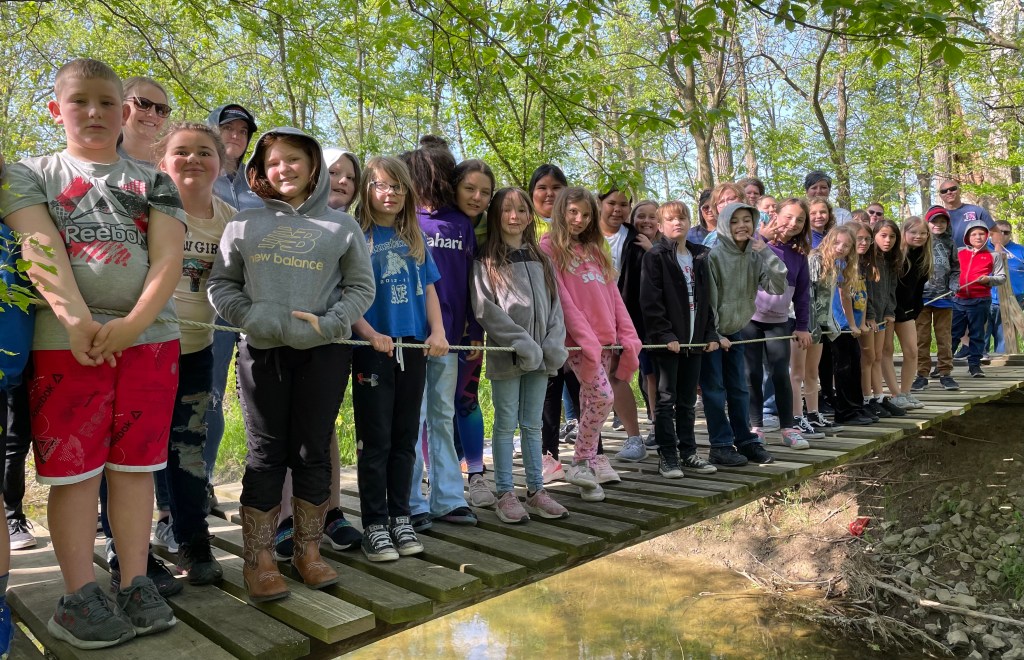
A wood duck zig-zagged through the understory yesterday morning en route to the southeast bank of the quarry wetland. Nearly 50 third-graders, teachers and chaperones paused between Cranberry Run and the southwest bank of the quarry. Several children chatted about the possibility of crayfish in the stream and turtles sunning on snags. Others were looking to the northeast at just the right time to see the bird land briefly in an overhanging tree before it spotted humans and took off again.
The Continental Elementary School students were here on a field trip, most for the first time. They traveled by yellow bus across Putnam County at the urging of Charlene Finch. Charlene and her Continental Junior Gardeners were some of our first visitors after The Quarry Farm became official. They made the trip several times until their leader was no longer able to coordinate the group’s adventures.
Two days before we took The Quarry Farm on the road, or at least a snapshot thereof. Miller City-New Cleveland School is rounding out the elementary program year with the theme “School is Wild” and Grades K-5 are getting wild by virtually traveling to other parts of the world. A few months ago we were asked if we could work with that. “What would you think of our talking about how some plants and animals are here that shouldn’t be, like invasive bush honeysuckle and zebra mussels, and how they affect local wildlife?” I asked, and our spot on the agenda was a ‘go’.
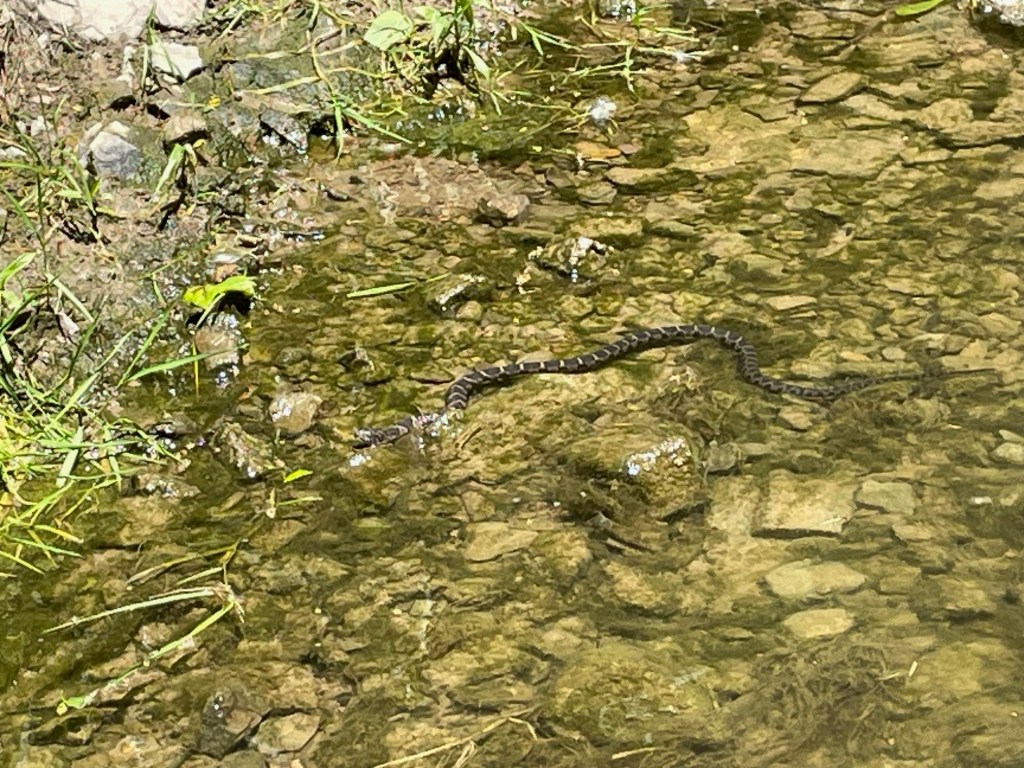
North America’s prickly pear cactus is spreading around the Old World, while Eurasian plants like Lonicera maackii, the Amur honeysuckle are going on a joy ride here. One Miller City New Clevelander student exclaimed, “Like a Hydra!” when Rowan explained that, when you cut that honeysuckle down, 20 more grow in its place. So yes, you fine young man, the Amur honeysuckle is exactly like the mythological beast that grows back twice as many heads each time Hercules or another Greek god cuts of one head, unless someone carefully treats the stump or yanks each root hair from the ground.
We ran with the Hydra reference all day and carried it over to yesterday’s field trip. I expect that it’s here to stay.
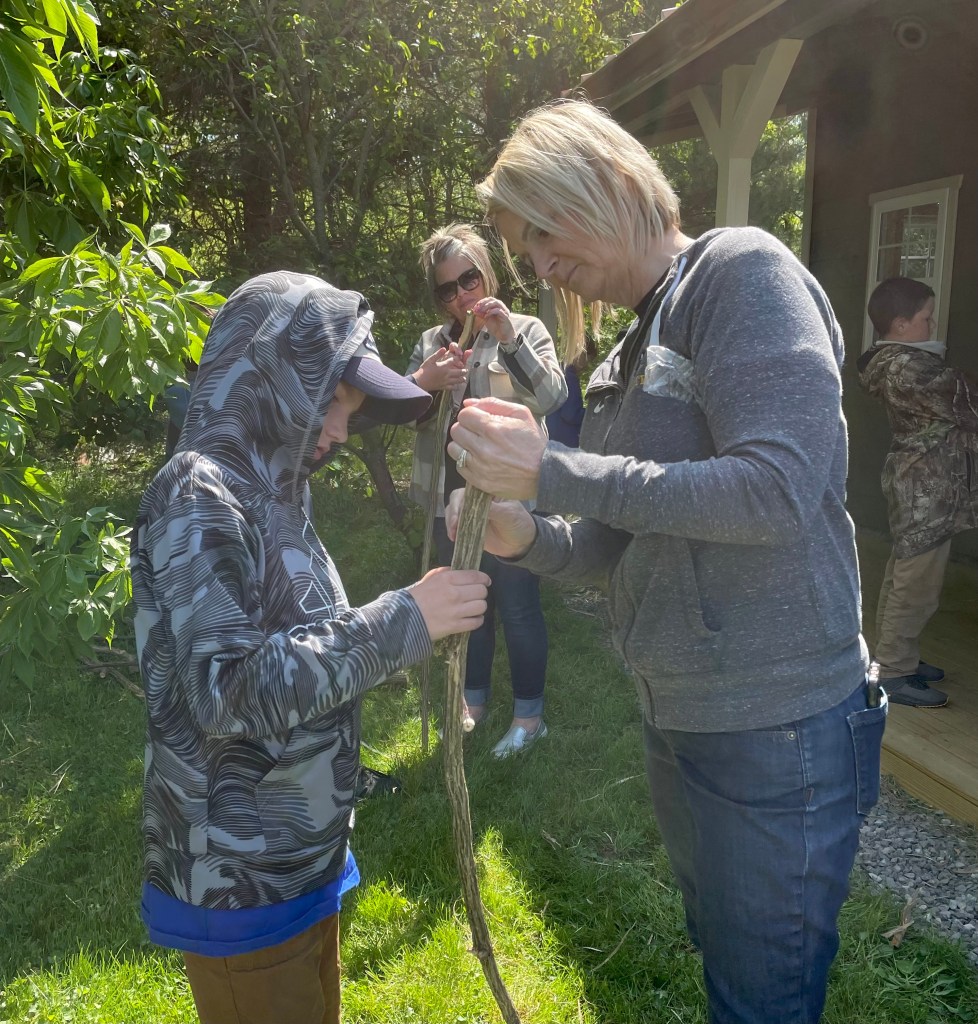
Birder-extraordinaire Deb Weston crafts gorgeous hiking sticks from Amur honeysuckle. She collected suitable honeysuckle trunks from the nature preserve and finished one for each of the school’s K-5 teachers. Virginia Opossum, Virginia Estella represented native species in Central America and the USA, although the Virginia opossum is considered an exotic (non-native) species in British Columbia. Not much is known about its impact on the province’s native species. Maybe North America’s only marsupials are making a dent in tick populations as they wander.
Getting back to yesterday, the Continental schoolchildren made lasting leaf t-shirts from leaves collected on the hike. There were visits with the farm animal sanctuary residents.
SIDEBAR
K, like the other tagged Canada geese T, U and X that are current residents of the farm animal sanctuary, were placed here by a wildlife rehabilitation center with the hope that the proximity to wild Canada geese will light that spark within them tell them that they are wild birds. K, like T, seem to realize that Steve, who just had significant knee surgery, is an injured member of their flock who must be protected from potential predators. T has been Steve’s protector since the bird first saw Steve walk with a cane. We found out yesterday that shy K, who has only been here for a few weeks, will come out of his timid shell to keep Steve safe. After one field tripper had to high-step over a K intent on keeping the predator/student away from Steve, K was escorted into the inner paddock where he spent the remainder of the visit. And that is just one of the reasons why wild babies should left in the wild.
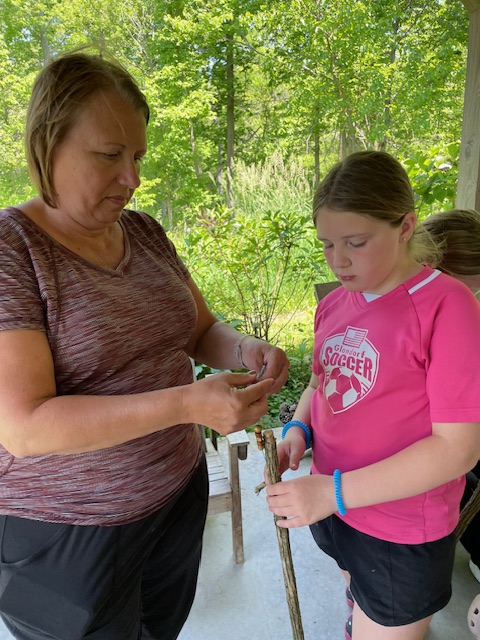
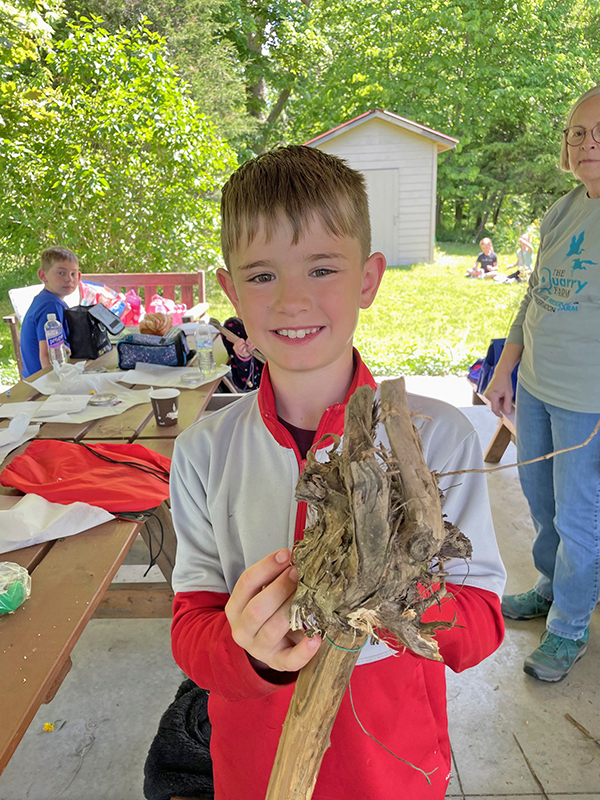
They began their own hiking sticks by threading cord loops through pre-drilled honeysuckle—40+ hiking sticks from just four “Hydra” shrubs. The day was dry, so some bark was peeled. Students were encourage to keep peeling to reveal the lovely woodgrains and insect trails beneath. Teacher Sharon Siebeneck invited the students to each bring something from home, a threadable something that is of value in their young lives, to thread on their cord loop. There were buttons, medallions, charms and beads. All have stories. One little girl shared hers while she arranged her leaf shirt with Rita.
“She kept showing me the bead. I could tell she wanted to tell me something but was kind of shy.” They chatted a little more. Eventually, the girl told a story that made all of us cry, with the anger and sorrow of it, and the honor that child bestowed upon The Quarry Farm by selecting that piece to for her hiking stick. The little girl once had a cat that she loved. One day the cat went outside with the dog. The dog came back but not the cat, not for a long time. When the cat did come home, it curled up on her bed. “We went to church,” she told Rita. “When we came home, the cat wasn’t acting right. My grandma looked her over and someone had shot her.” The cat died from this cruelty and the ashes are stored in that bead.