
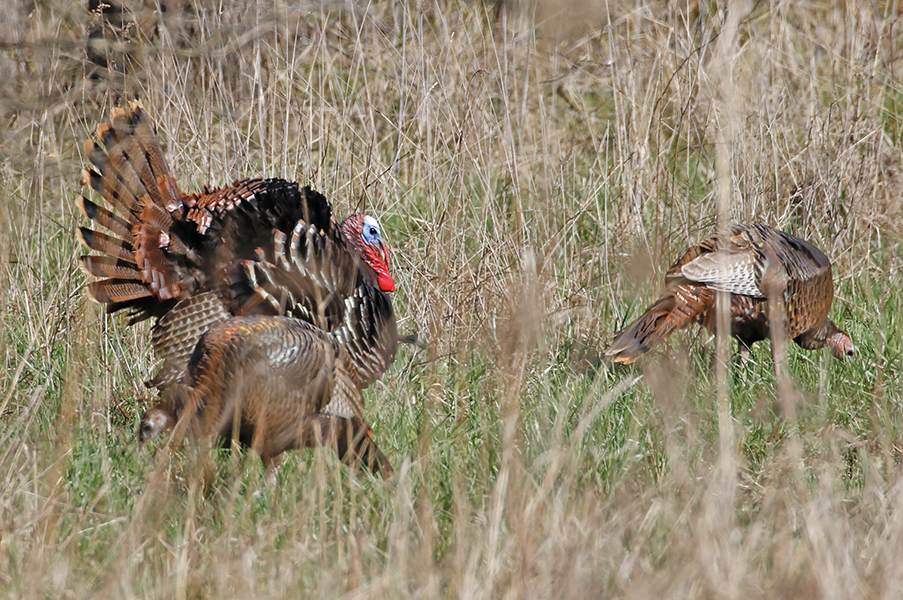
The space that is our developing prairie habitat used to be called simply “the back field.” A trail heading downhill from Red Fox Cabin, across Cranberry Run, around the quarry, up a hill, and through the woods leads to eleven acres that were tilled until 1985. The tractor path to the field skirted Cranberry Run for a stretch, where it narrowed to inaccessibility due to erosion. Farming the field had to be abandoned. A new direction for The Quarry Farm took shape: to establish a nature preserve with several distinct habitats, including a prairie in the back field.
As seeds and rootstock in the soil sprang up and spread, the field began to look a bit like a grassy prairie. There were some food sources and cover for rabbits and small animals like field mice and voles. They in turn fed predators like great horned owls, red-tailed hawks, and foxes. Seed-eating and insect-loving birds could feed and nest. In early spring, a visitor might be lucky enough to witness a mating American woodcock rise explosively into the dusk.
That early resemblance to a prairie was deceiving though. Too much of the vegetation was non-native (teasel, for example), offering too little support for native birds, insects, and small animals. In no time, the field began to fill up with honey locust, hawthorn, and black walnut seedlings (native, but unwelcome outside the adjacent woods). Multiflora rose and Asian bush honeysuckle invaded. Clearly, if The Quarry Farm was to have the prairie habitat we envisioned, management would be necessary.
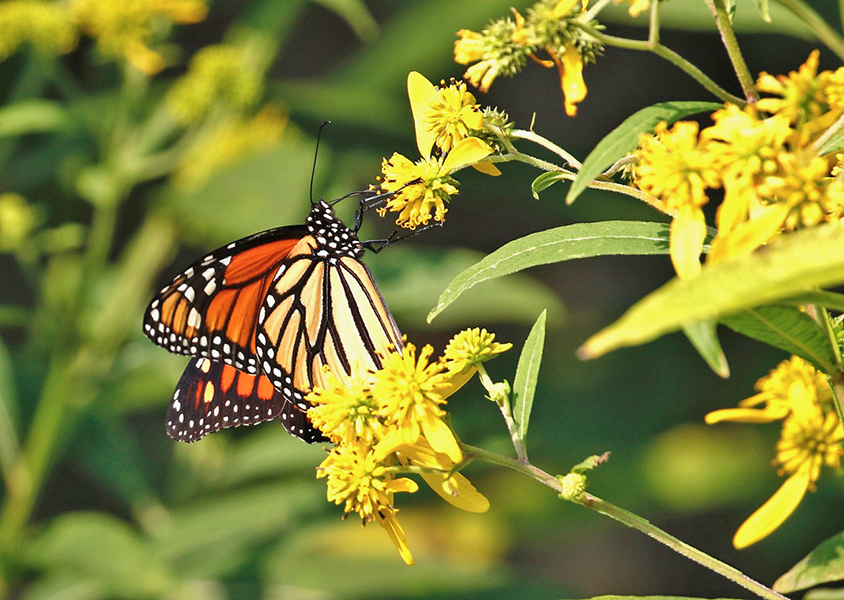
Recent years have been a learning process. We’ve tried to find the most efficient, least harmful ways to squelch invasives and non-natives so that we can eventually claim a true prairie habitat with a balanced ecosystem. Consultants have shared their expertise. Wonderful volunteers and skilled hirees have hacked, dug, and bulldozed trees; cleared ground and spread seeds of native prairie plants; and mowed spent growth to encourage the spread of native grasses and wildflowers. The search for best management practices goes on.
We know the work of developing and maintaining a distinct prairie habitat may never be done, but we’ll have the joy of providing the creatures that find a home there the best chance to thrive. And we can share it with visitors like you.


