This side of the fence

Two Canada geese named Johnny and Stella introduced us to the richness of a life shared with wildlife educational ambassadors. I would say the introduction was a gentle one, and it was, until we found Stella’s body floating in their water tank. No one could tell us why. She looked fine externally. Wild animals naturally fight tooth, nail, beak, bill, and claw to stay away from humans, probably because humans are at the top of the food chain and every other species knows to keep their distance. If wild things allow humans to approach, there is something not quite right internally, in their nature or nurture. Their most natural state of being has made them vulnerable to our opposable thumbs, our intelligence, or lack thereof. A lifetime of living with other species makes me certain of the latter, especially as I write this there are military maneuvers going on in the sky outside my window.
Estella

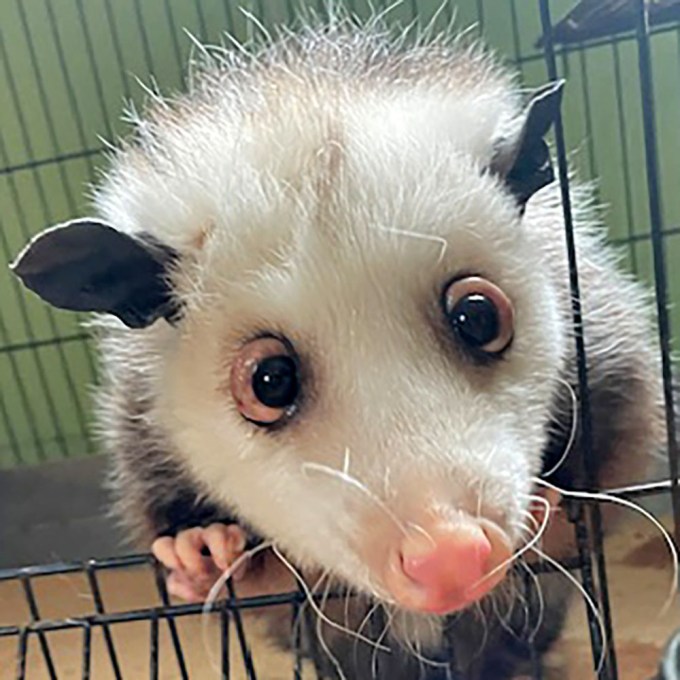
Although it is tragic thing when a wild animal can’t live safely in wildness, it is a gift to spend some part of one’s human lifetime in their company. Some live for a few years. Others for a decade or more. Right now, we often tearfully refer to the farm animal sanctuary as the geriatric home. It’s been 14 years since Johnny and Stella moved in. Many mammals and birds have lived what remained of their lives here. The last 12 months have been hard on our hearts as several friends have, as we say, “gone over the fence.” This month, as we planned for an all-day offsite event about living side-by-side with wild creatures, we intended to feature Estella the Virginia Opossum. Estella was almost 4 years old, pretty ancient for this marsupial. She died in her sleep on Sunday.
Winston

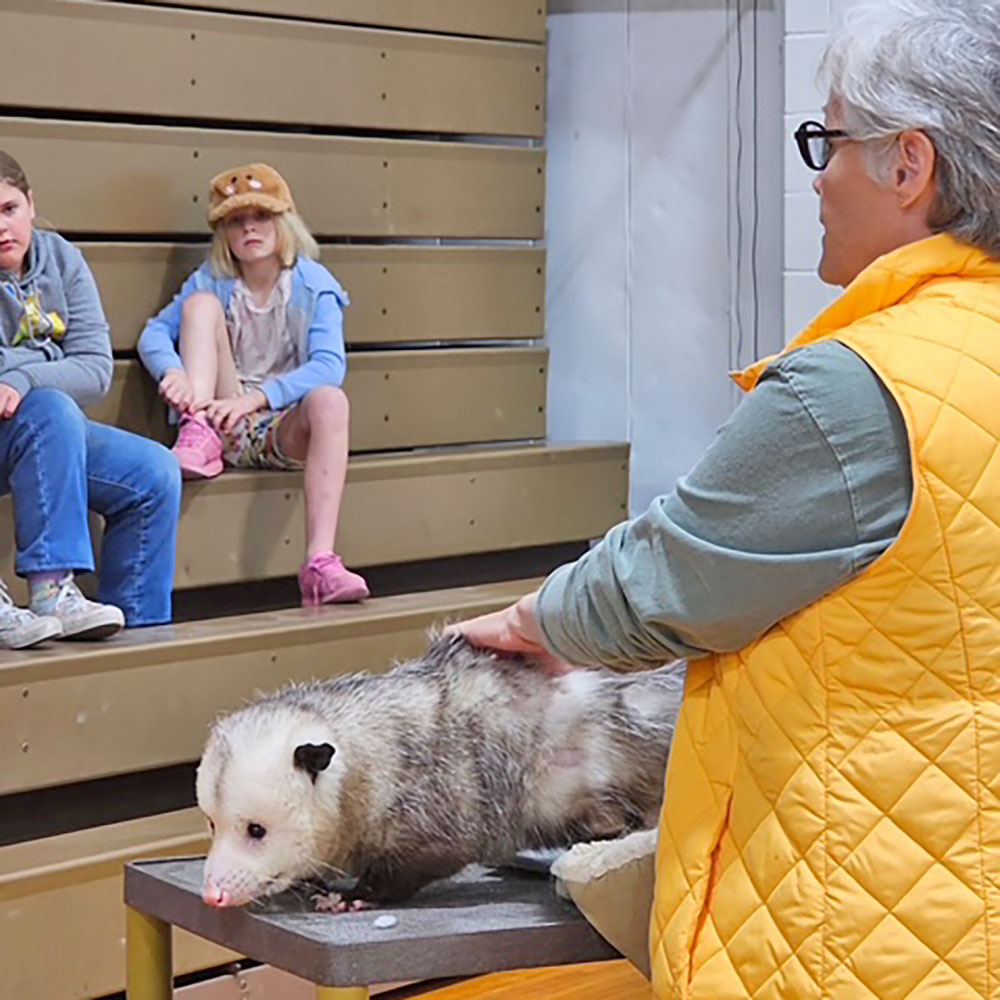
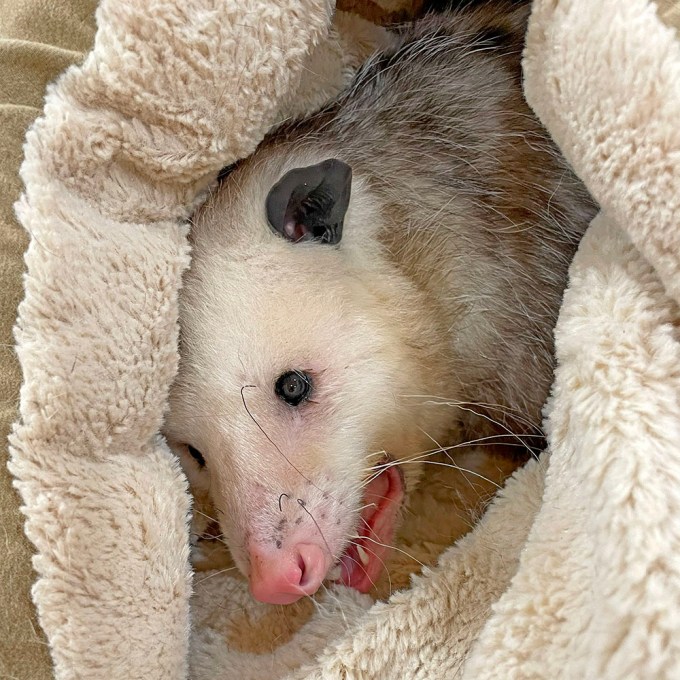
In February, while I was in Columbus for a conference, my phone pinged with a text regarding an adult male, caught-by-dog Virginia Opossum. A Proctorville wildlife rehabilitator rescued him in the Fall. Angie named him Winston, and healed his severe wounds and fought infection. He weathered several veterinary appointments and possible pneumonia. But Angie got him through. Because Winston has mobility issues and hairless scarring on his hindquarters due to his injuries, it was decided that he could have a good future as an educational ambassador. Three weeks ago, I met Angie and Winston in Columbus for adoption.

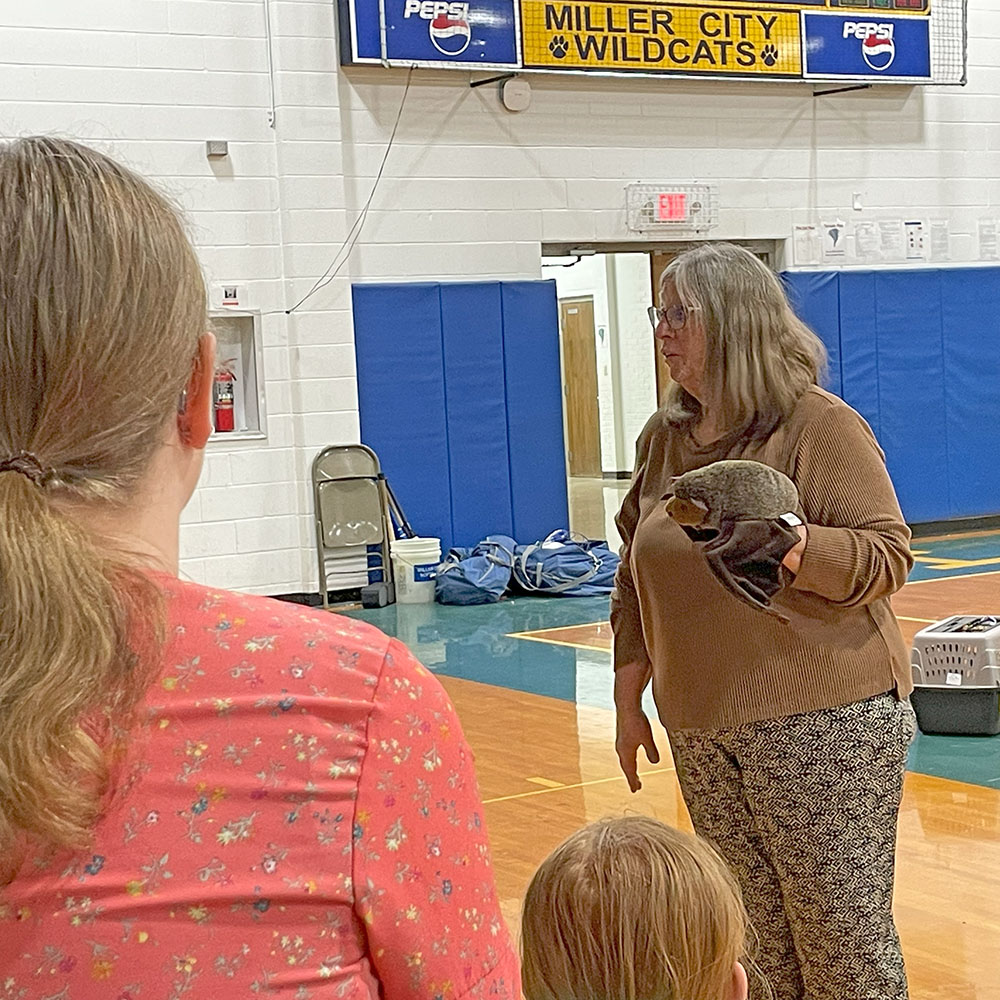
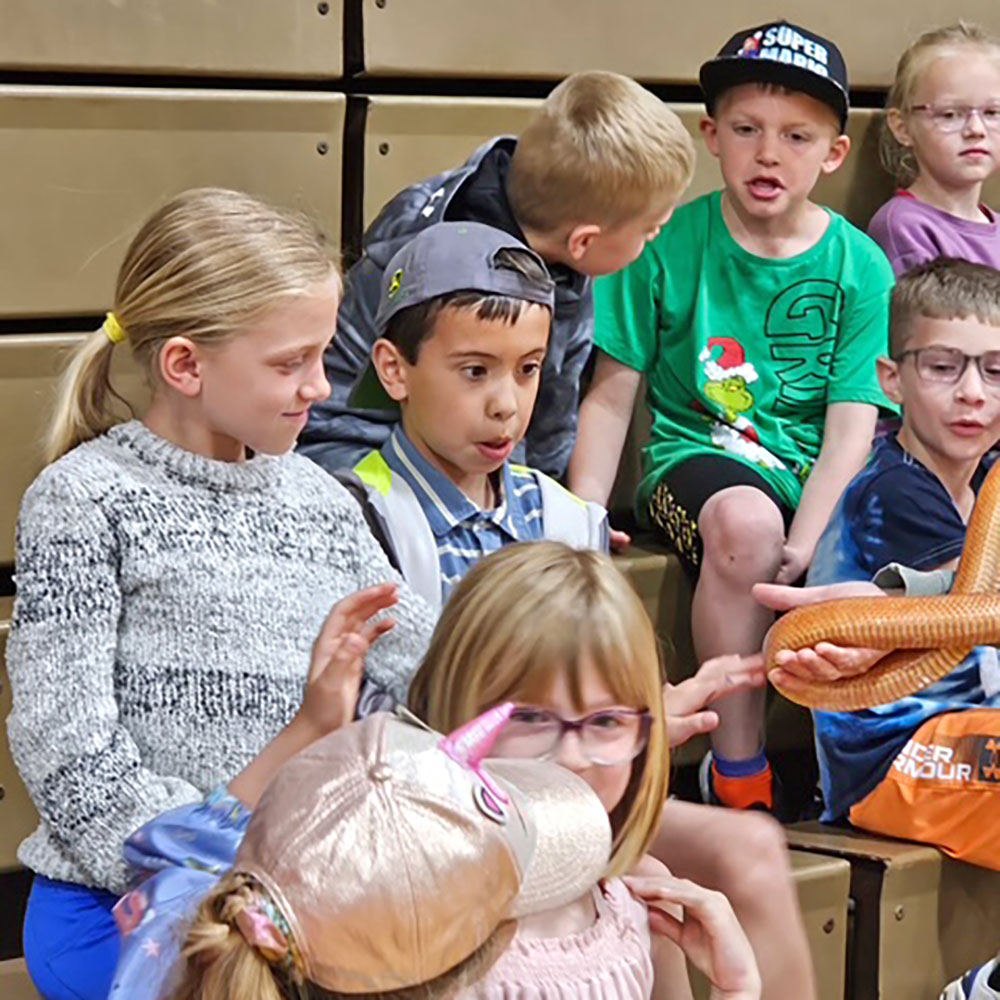
On Tuesday, May 13, Winston represented his amazing, vital species at Miller City-New Cleveland Elementary School’s “School is Cool” event. Board Member Rita used owl and bat puppets to demonstrate the horrors and harm of using traps and poisons to control wildlife. Tyree the cornsnake, all shiny coral from a recent shed, represented the benefits of encouraging snake residents on a farm and in your garden. Winston growled a bit at first, but his scars are itchy. With ongoing scritches, he settled into his ambassadorship. No one knows exactly how old Winston is, but he will be comfortable and at peace at The Quarry Farm for as long as he will give.
Spring Migration 2025

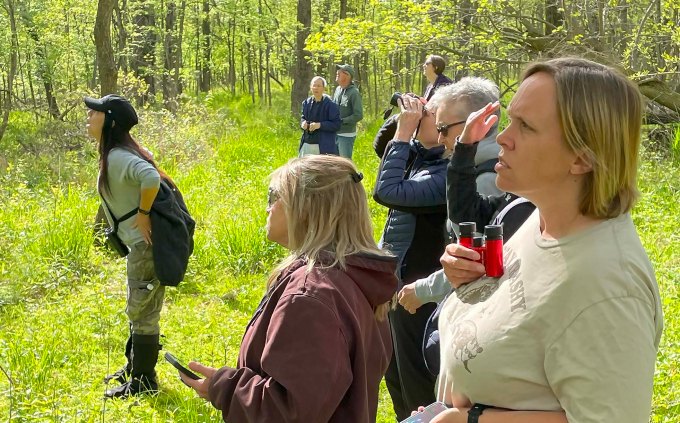
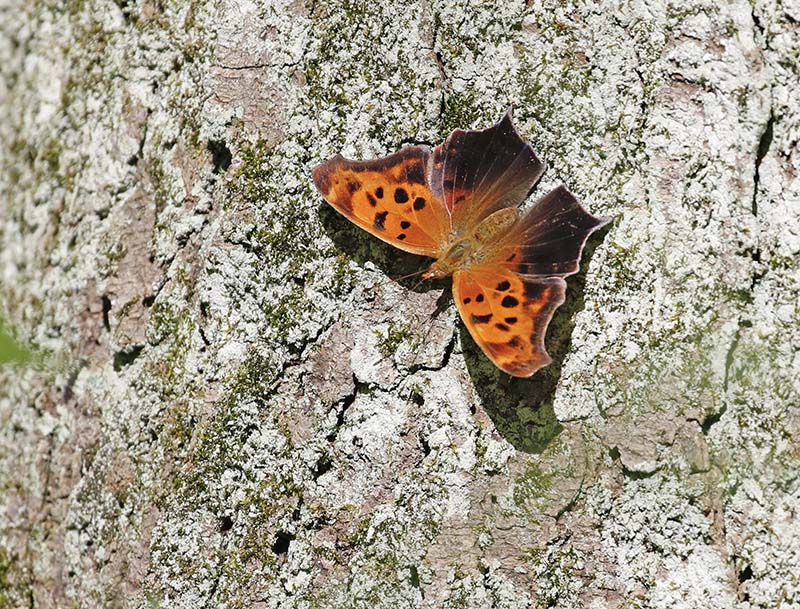
According to Birdcast, 14,526,300 birds crossed Ohio from 8:40 p.m. on May 11, 2025 through 6:40 a.m. on May 12. From 9 to 11 a.m. that Monday, participants in the annual Spring Bird Migration Hike followed the pointing fingers of Deb Weston and David Smith to catch a glimpse of brilliant spring plumage. That morning, the group documented 46 bird species in the wetlands, pollinator gardens, and upland forest of The Quarry Farm nature preserve. An enormous Question Mark Butterfly warmed its wings long enough for a good view as well.

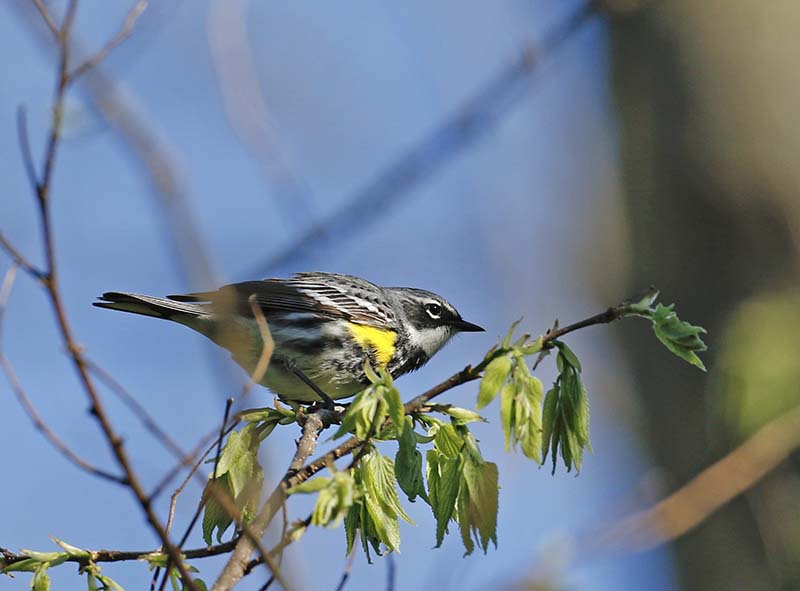
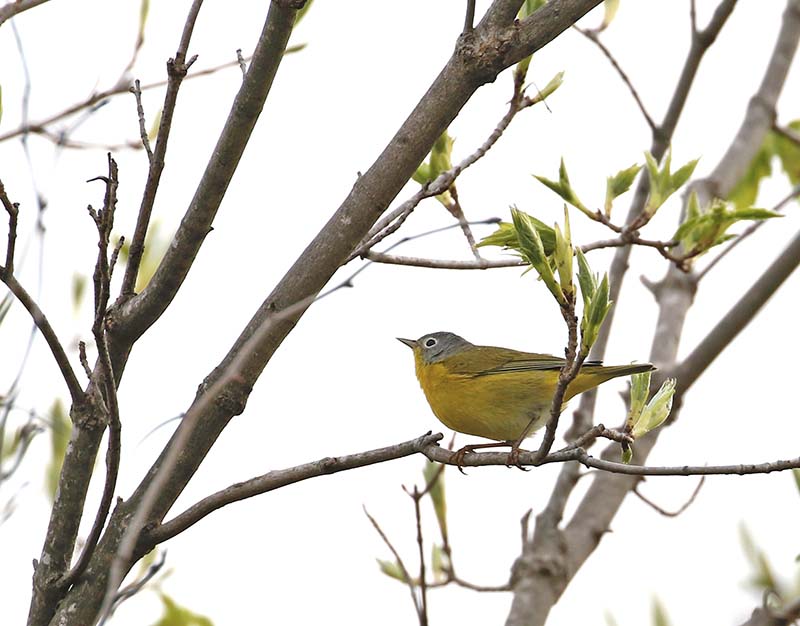
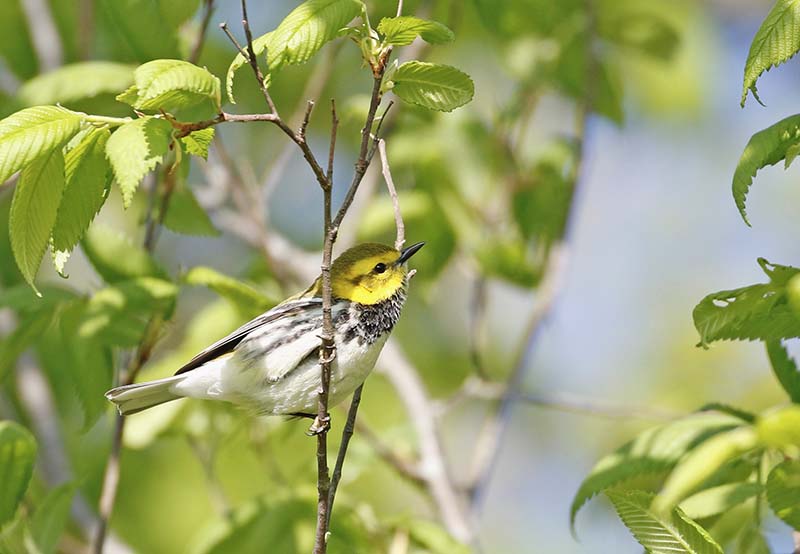
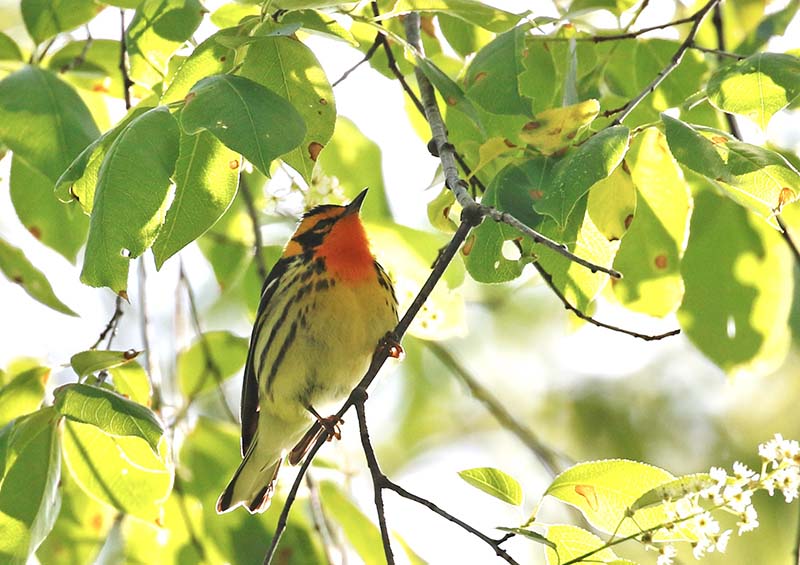
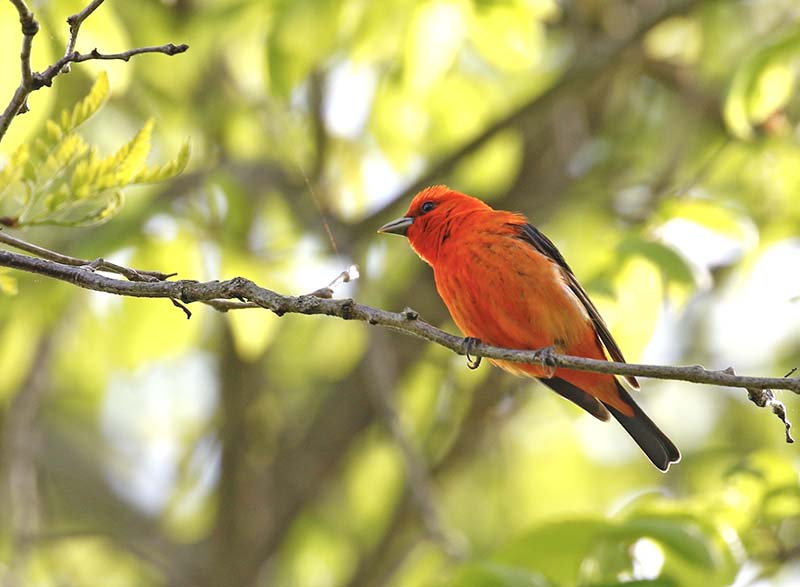
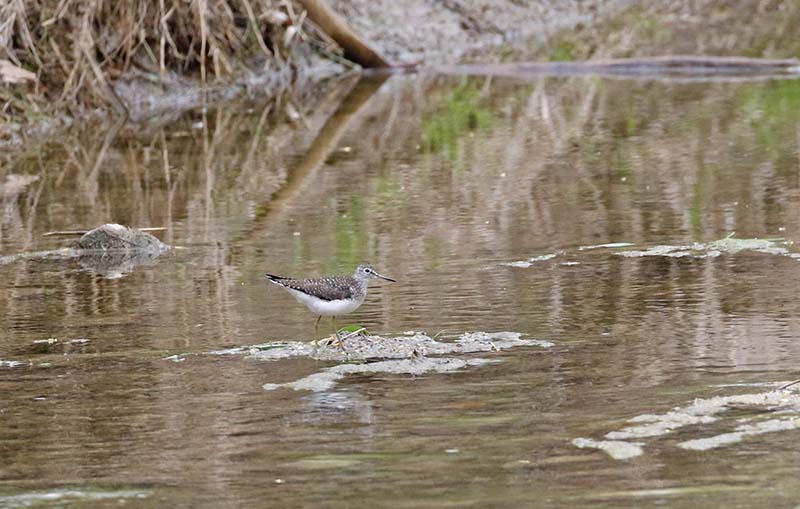
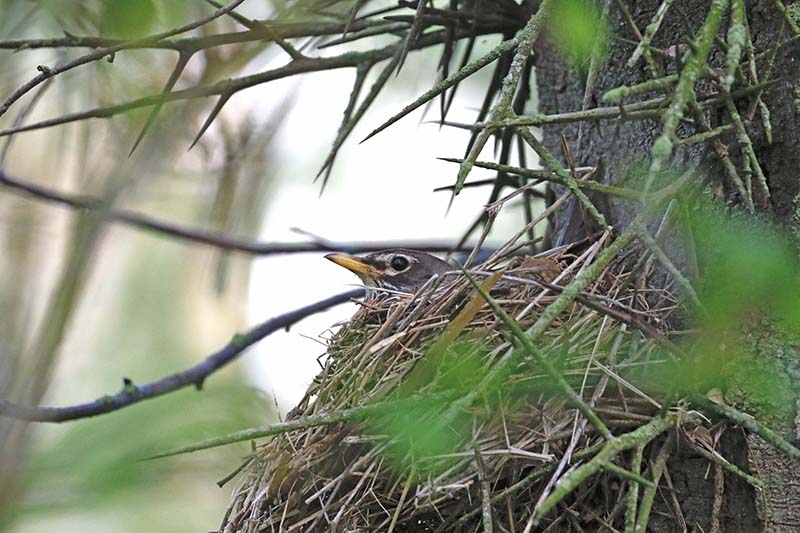
It seems that migration peaks earlier each year as the planet tries to right itself, and Deb and David try to schedule a hike date that happens before all of the migrators pass us by or settle in to nest under dense canopy. To get a good idea of what might pass through for a crowd, Deb walked the trails for days leading up to May 12 hike. She took notes…and brilliant photos.

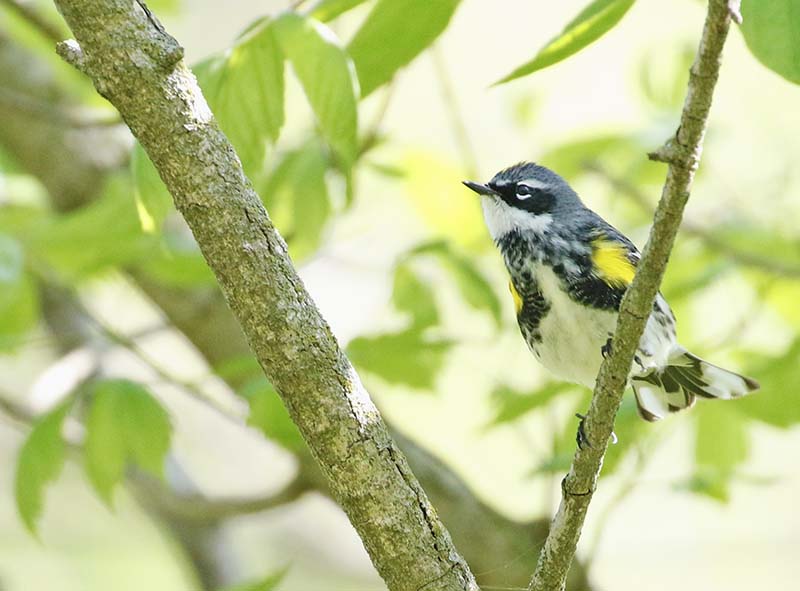
April 30: 47 species today. A juvie Bald Eagle flew over the prairie, Yellow-rumped Warblers all over the place. One Yellow-breasted Chat, 3 Orchard Oriole, Tennessee Warbler, Nashville Warbler, Yellow Warbler, Palm Warbler and Black-throated Green Warbler. Rose-breasted Grosbeak, Great Crested Flycatcher, Warbling Vireo and 13 Double-crested Cormorants flying over in a perfect V.

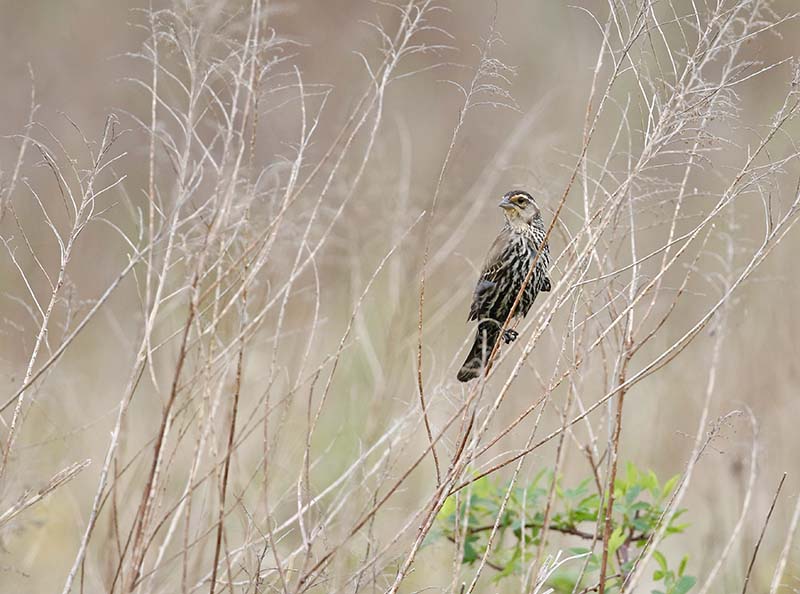
May 1: 52 species today. There was a Gray-cheeked Thrush in the garden area.  Don’t see them often and it escaped photo day.  Female Red-winged Blackbird, Nashville Warbler and Solitary Sandpiper were not so shy. 

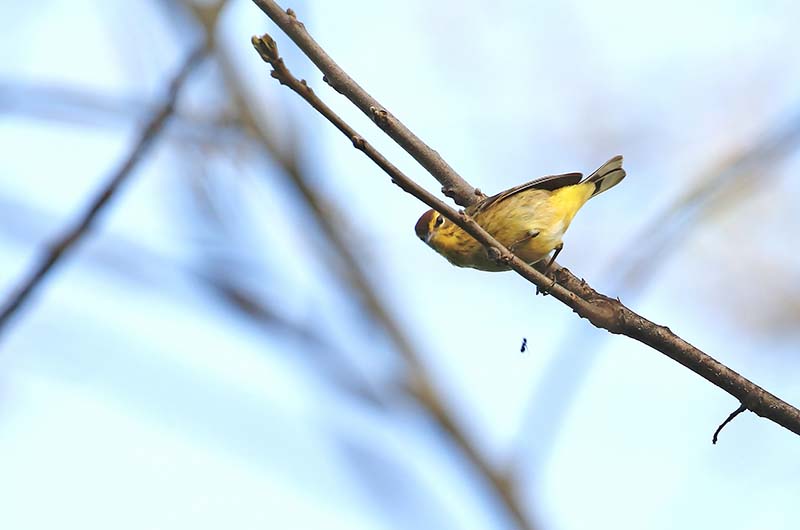
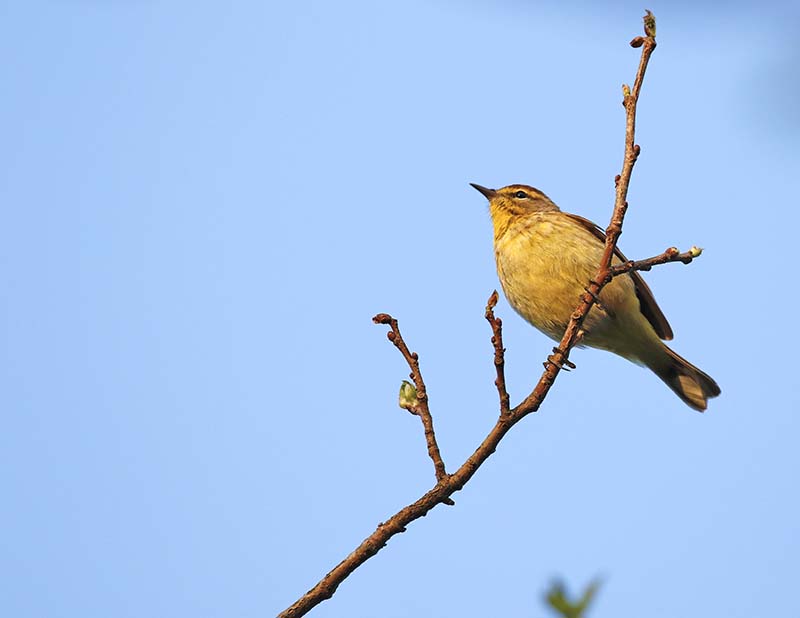
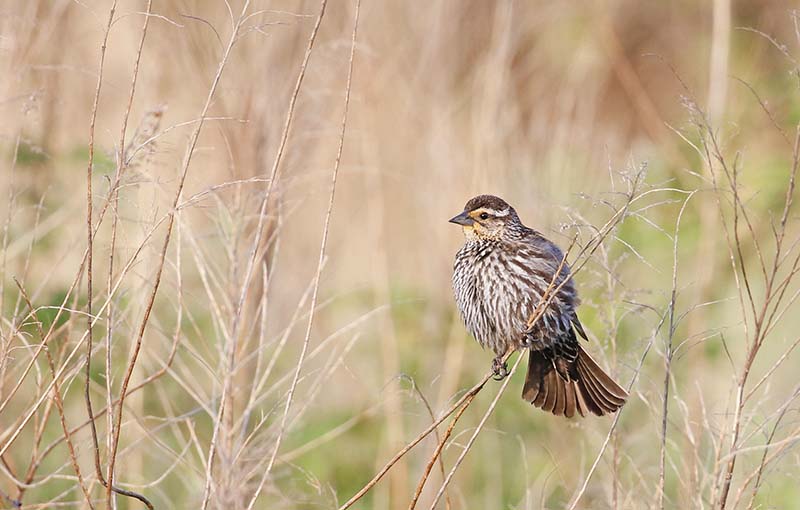
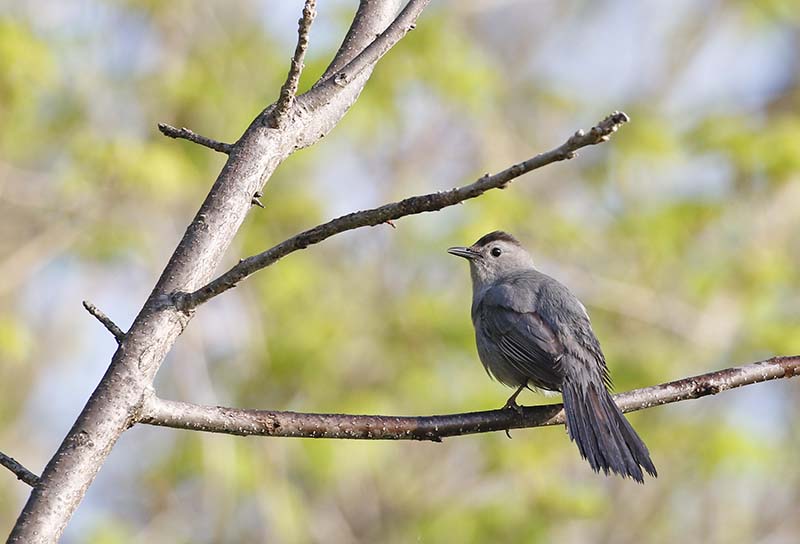
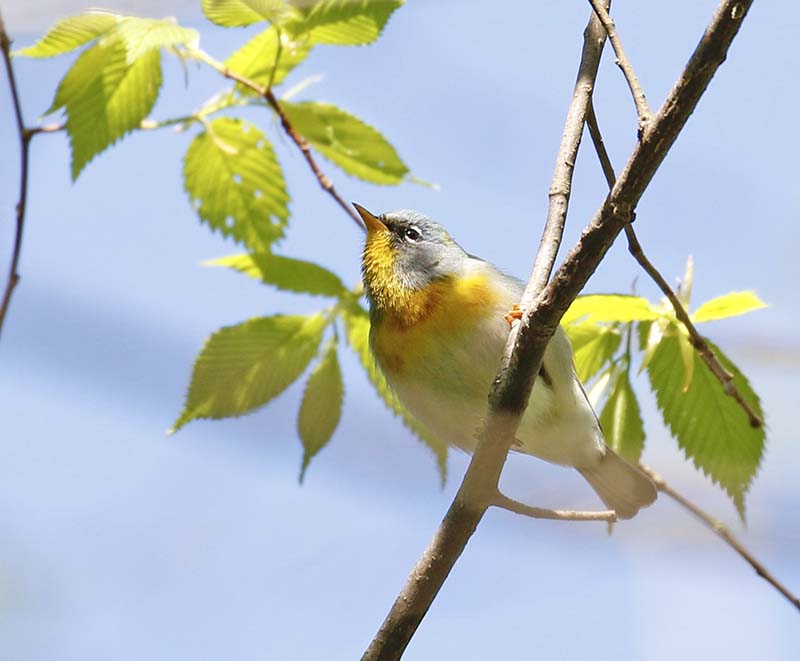
May 2: 50 species today. An American Robin on her nest every day.  2 pics of a Palm Warbler; the first one dropped its food when it saw me. Another female Red-winged Blackbird because they’re so pretty and a Gray Catbird. 3 Wild Turkey, 2 in different sections of the prairie flushed when I walked by even though they were out in the middle. Sounded like helicopter blades. Not sure if they were sitting on nests, but baby turkeys would be cute. 1 Ruby-throated Hummingbird and the biggest surprise was an Osprey sitting in a tree at the lookout point.  It took off before I could get my camera up, but was excited to see it.  Last sighting was in 2021. Warblers: Orange-crowned, Nashville, Common Yellowthroat, Northern Parula, Yellow, Palm and Yellow-rumped.

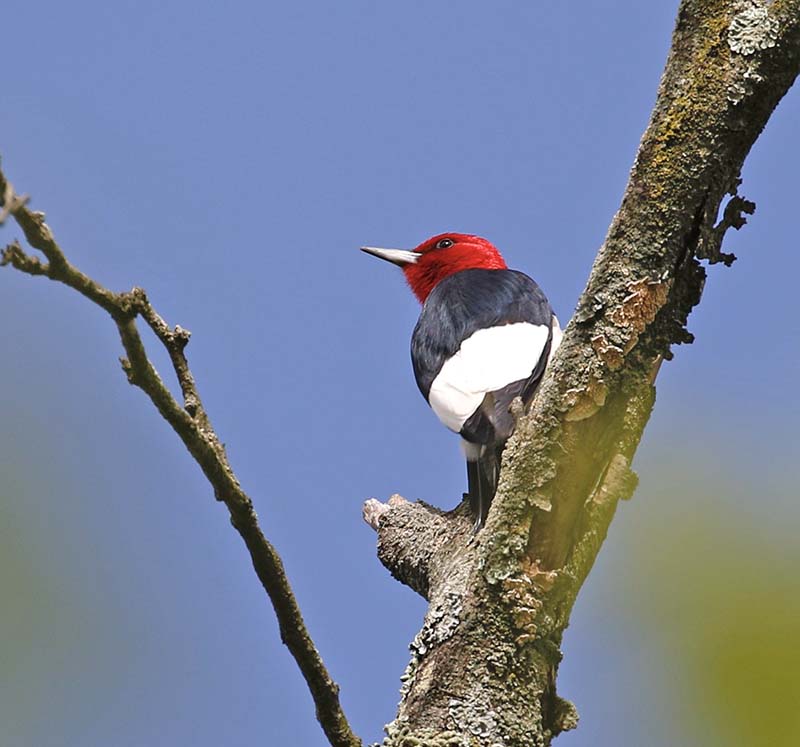
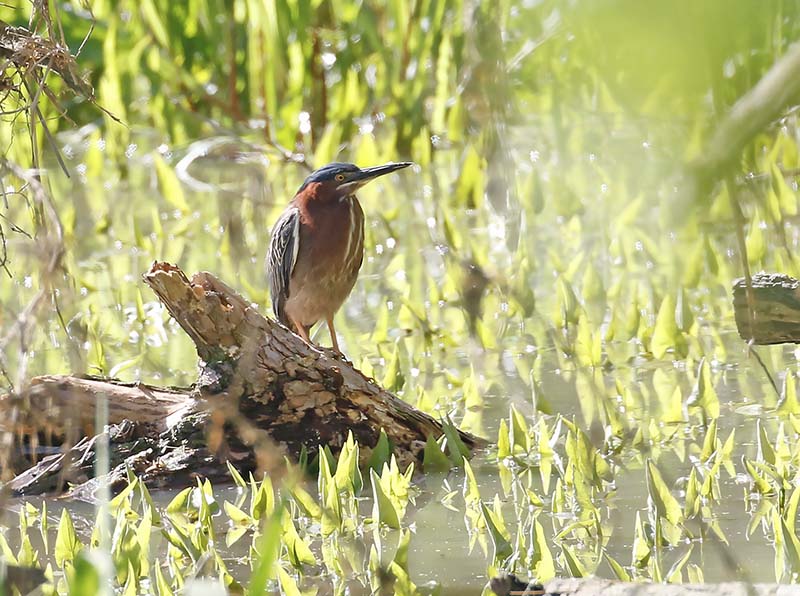
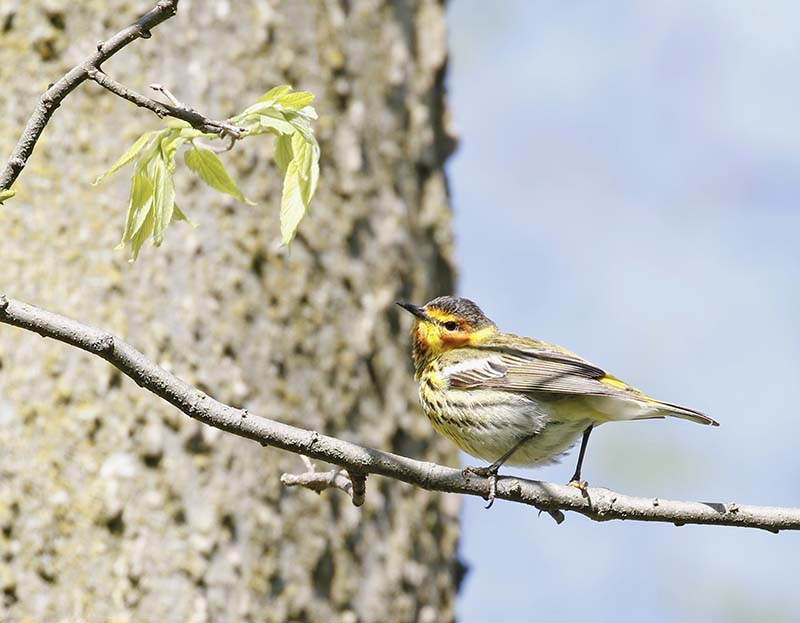
May 9: 53 species today (14 warblers) Canada Goose, Wood Duck, Mourning Dove, Green Heron, Turkey Vulture, Red-headed Woodpecker, Red-bellied Woodpecker, Downy Woodpecker, Northern Flicker, Least Flycatcher, Yellow-throated Vireo, Blue-headed Vireo, American Crow (YAY—they’re back!), Carolina Chickadee, Tufted Titmouse, White-breasted Nuthatch, Northern House Wren, Carolina Wren, Gray Catbird, Eastern Bluebird, Wood Thrush, American Robin, House Sparrow, American Goldfinch, Chipping Sparrow, Field Sparrow, Savannah Sparrow, Song Sparrow, Lincoln’s Sparrow, Swamp Sparrow, Eastern Towhee, Orchard Oriole, Baltimore Oriole, Red-winged Blackbird, Brown-headed Cowbird, Common Grackle, Ovenbird, Nashville Warbler, Common Yellowthroat, American Redstart, Cape May Warbler, Northern Parula, Magnolia Warbler, Blackburnian Warbler, Yellow Warbler, Black-throated Blue Warbler, Palm Warbler, Yellow-rumped Warbler, Black-throated Green Warbler, Wilson’s Warbler, Northern Cardinal, Rose-breasted Grosbeak, Indigo Bunting.

Birdcast noted that 24,564,200 bird species flew over Ohio last night. We will be listening for new song as they make their way north to Magee Marsh Wildlife Area where Deb will be watching with her camera and 89,999 other people.

Taking the crooked path

In one county to the east, toads and spring peepers sing in wetlands, warmed in the urban heat island. They are quiet here on The Quarry Farm. There is no hint of green as you look over the lowland treetops. Spring wildflowers have better sense than Golden-crowned Kinglet that conceal themselves as much as possible in bare treetops, calling their thin, high-pitched call to anyone that arrived a tad too early.

Tracking preying mantis cases

It was chilly enough for coats for the March 2 hike. We followed White-tailed Deer, Eastern Fox and Gray Squirrel and Wild Turkey tracks in the nature preserve. A Great Blue Heron left a nearly complete fish skeleton for us to find on the south bank of the quarry wetland. The birds were quiet, for the most part. Two days later, I counted 16 avian species in the short walk between the farm animal sanctuary and the pavilion. The temperature hit 74 degrees F. This weather is crazy. Today, the toads, salamanders and spring peepers remain burrowed deep under the quarry and oxbow water and forest floor leaf matter in anticipation of a weekend of rain and wet snow.

As the weather changes its mind, the wild and domestic animals here do not change theirs. Two weeks ago, our beloved, elderly Sophie, the best porcine educational ambassador ever, died. As always, the animals gathered around the grave until the ground was smoothed over. Donkeys Lucy and Silky had to be whispered to and hugged. Everyone slowly wandered away. Two weeks later, everyone is love-struck and besotted; infatuated and obsessed. Spring will be here officially on March 21. Spring twitterpation is now. The fostered re-wilding Canada Geese call to the wild ones on Cranberry Run. The goats bark and huff, bumping foreheads across the paddock. Patches, Pockets, Gerald, Mr. Fabulous, Caramel, Sydney and Chicken Ricky crow their rooster hearts out when American Woodcocks hurtle through the evening sky. Tom turkeys Edgar and Bernard strut their impressive stuff while turkey hen Souix does her best to avoid them. There is whole lot of “Get off my lawn!” happening this season.

Chicken Ricky and Nemo

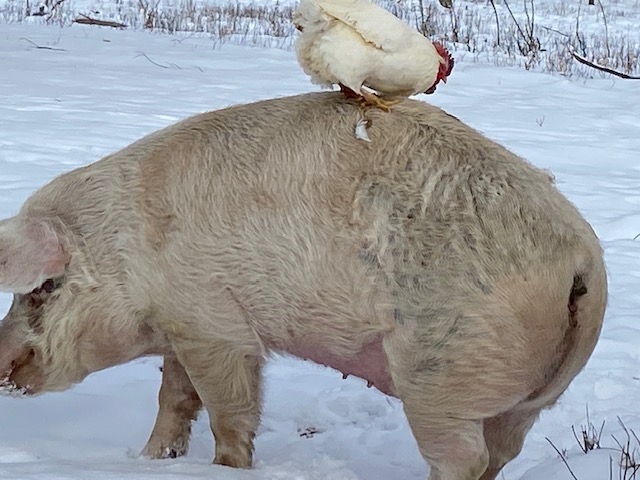
During Winter’s coldest, the chickens warm their feet by riding around on the donkeys, pigs, and goats. I’m sure the feathered spot of warmth is soothing on the mammals’ backs. In the midst of Spring chest-thumping and display, two individuals share a daily lesson of tolerance and respect. Tom Turkey Bruce has always been unsteady on his feet. he came here a few years ago after being dumped in a park. He was found spinning in circles, unable to walk more than a few steps due to probable fattening in close confinement. Canada Goose “K” (named for the tag around his left ankle) prefers the company of Bruce to the rest of the Canada geese. K keeps an eye on Bruce, making sure the two are never far apart. In the evening, K will match steps with Bruce as he makes he slow way into the barn. On Monday, Steve watched the two approach the door. Bruce waivered when he got to the steps. As he turned away from the enclosure, K reached out and gently prodded Bruce into the building before hopping in behind him.

Tim Jasinski, Wildlife Rehabilitation Specialist for the Lake Erie Nature and Science Center, was interviewed recently for the podcast Wildlife Rehabilitation: From Rescue to Release. His focus was on Canada geese. Among other things, he talked about some of their behaviors that often make them a target of human aggression. Rather than try to understand the reason for why Canada geese do what they do, we drive them away or worse. But if a stranger walks up to your child and picks them up, wouldn’t you fight bill and flapping wing to stop them?

Three weeks from now, 31.6 percent of the global human population will celebrate a man who made the ultimate sacrifice for all. We observe the time leading up to the observance by meditating on written word, coloring eggs and eating fish on Fridays, all the while arguing—warring—about who should be even our most distant neighbor. What if we share the fish, and not just on Fridays?

good morning

This morning before work (so sometime between 6:30 and 7 a.m.), Anne came in as I was going out. Well, intending to go out. She wouldn’t let me leave, wanted to show me something.

And she did.

chick

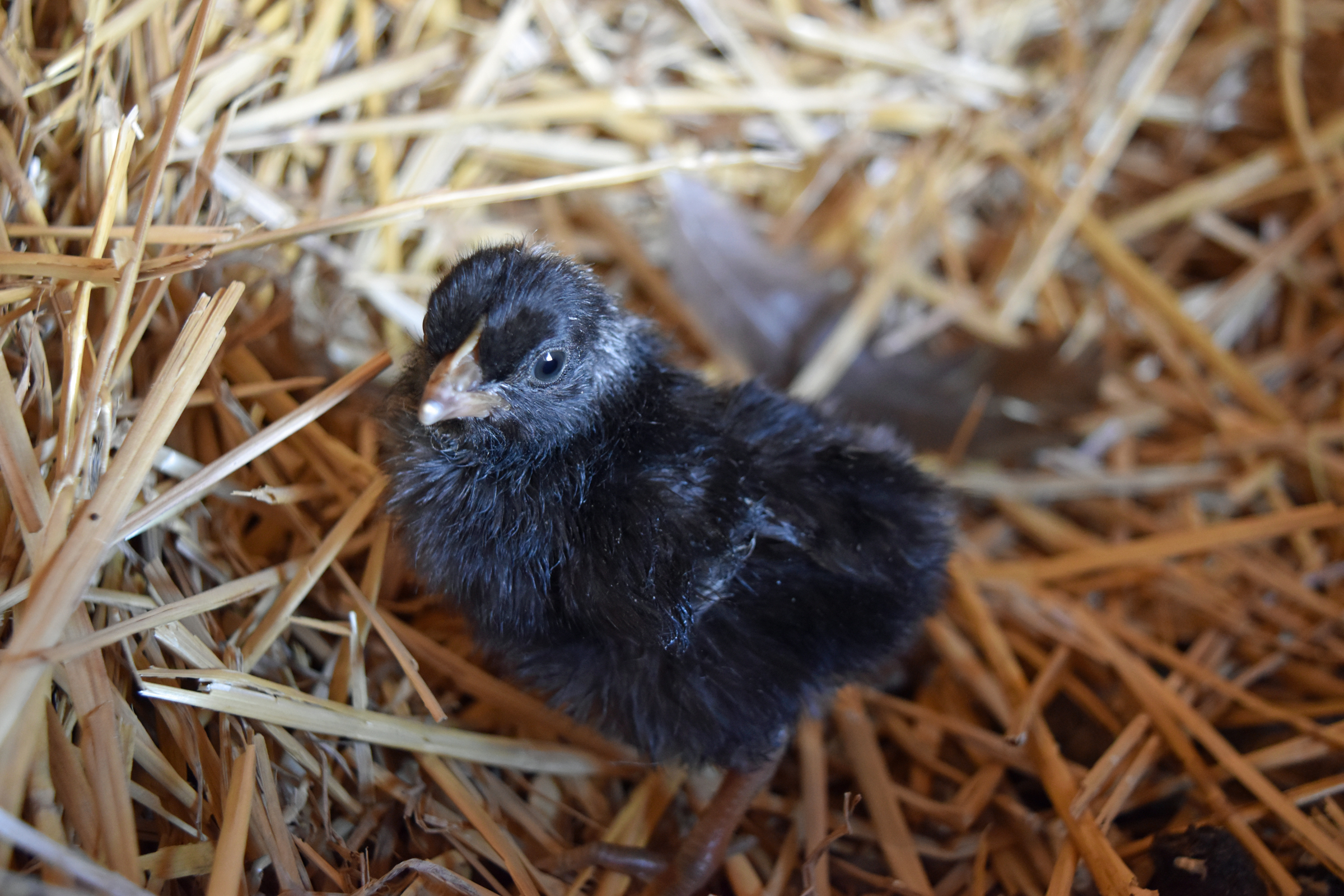
Welcome, then, to this little chick; the first live domestic birth here on The Quarry Farm.


yesterday and today

Life in the DevonianBefore The Quarry Farm in its current incarnation, with Red Fox Cabin and the gardens and a forest and the sanctuary, there was the quarry farm, pasturage for cattle and two ponies. Before the quarry farm, there was a great forest of hardwoods, oak and hickory and maple, on the very southern edge of the Great Black Swamp. Before the forest on the edge of the swamp, there was a glacier that traveled inexorably south, planing everything before it flat. Before the glacier, there was a vast, shallow, warm sea boiling with life in what we’ve come to call the Devonian Period.

And we live there now, on the floor of a sea that died some four hundred million years ago. Even so, the reality of it remains.

crinoid segmentsThe Quarry Farm isn’t simply The Quarry Farm (though, to be honest, there is little simple about it). It is also literally our home. We built here fifteen years ago and when they excavated our basement, they pulled up all manner of wonderful things; bits and pieces of what once lived here that had turned, over time, into stone. There were round chunks of coral, too big to play softball, but too small for soccer, and flat sheets of dolomite speckled with clam-like brachiopods. Later, as we began to seriously explore Cranberry Run, we found smaller pieces of coral, smoothed by time and weather and water, and tiny stone discs and columns of discs: the individual segments and broken sections from the stalks of crinoids. And all of these things were evidence of what had once been, of an ocean with strange and fantastic animals that struggled for survival before ultimately, for some at least, making their way onto land to begin a whole new aspect of life.

Everything changes. Everything evolves.

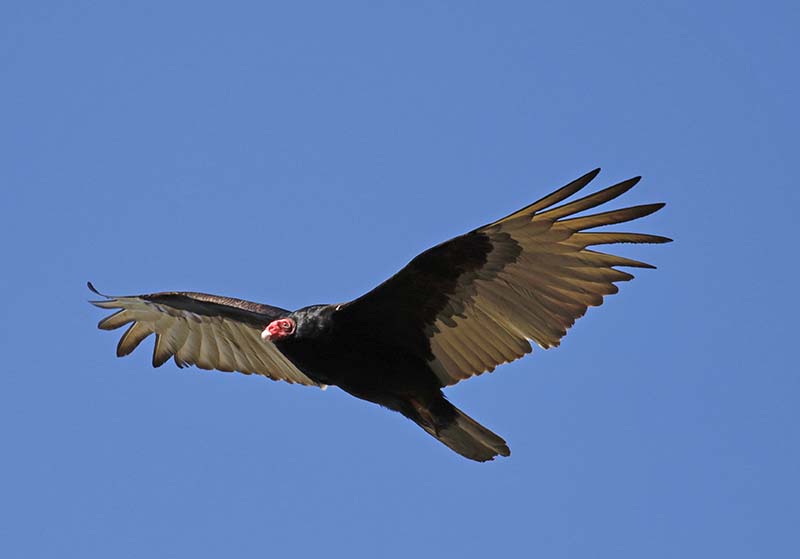
Turkey VulturesCurrent scientific theory is that present day birds are what remain of the dinosaurs, that over the course of some fifty million years, dinosaurs shrank in size and developed feathers in greater abundance (while it was once thought that only avian dinos had feathers, discoveries in the mid 1990s indicated that even non-avian species, including velociraptors, were feathered to some degree). So, the blue jay in the yard, the crows in the spare bedroom, the turkey vultures that soar over the quarry, the ducks and geese in the stream…all descended from dinosaurs. And, oh yes, the chickens.

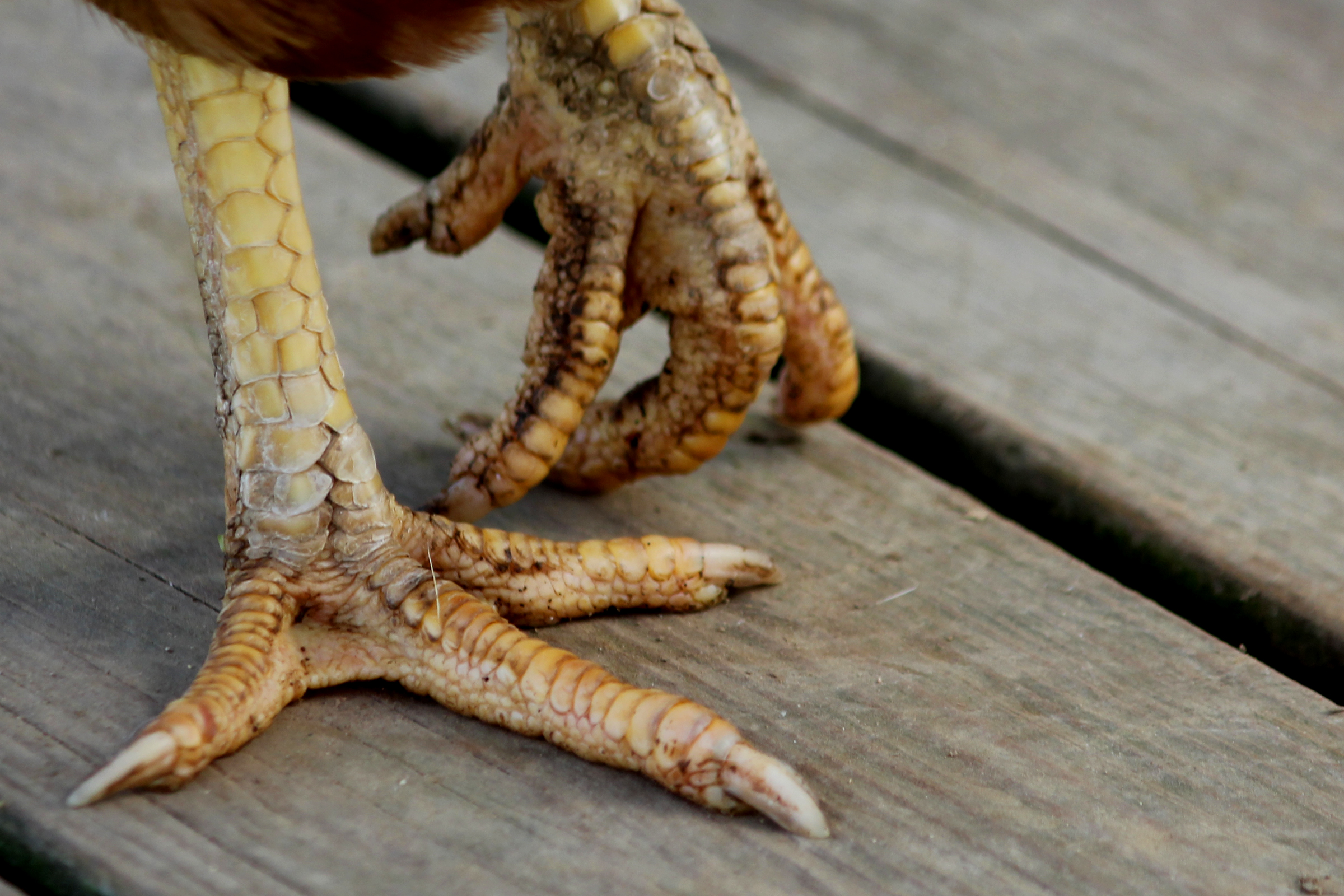
I spend a lot of time with the chickens that live here. There is something comforting about them; the nonchalant way that they roam the property looking for food, their quiet crooning. I enjoy their interactions Smart Girland I am particularly appreciative when one, or more, chooses to spend time with me, to sit beside me or in my lap and simply be. I find them calming and inspirational and a source of nearly endless fascination. As odd as it may sound, they bring me peace. Every now and again, though, they remind of me of where they come from, what they once were.

There is one hen in particular, an eighteen-month old Jersey Giant that, when we call her anything, we simply call her Smart Girl. Smart Girl will leap into the apple trees and throw fruit down. This isn’t some phenomenally new behavior; others have done it. But when she climbs, she always throws down enough apples to distract the other chickens, ducks, geese, goats and any other animal swirling about the base of the tree before throwing something down for her. She plans her actions. And, it’s possible, she hunts. On three different occasions, I’ve seen her run across the yard with a small adult bird in her beak. On a fourth, she was carrying either a small rat or a large mouse. It may be that she’s finding these animals, dead, on the ground or stealing them from a neighbor’s cat, but I can’t preclude the possibility that she is actively pursuing prey. Sometimes now, when I’m watching her as she roams the grounds of the sanctuary, I see her differently, her and the property she’s stalking.

Time travel, as it turns out, isn’t all that difficult. All you have to do is squint.

chicken feet 3