Just add fresh water

Last month we flew over Kansas on a flight west. As the plane passed over the western part of the state, we noticed big swaths of charcoal land, many field acres still actively burning. You could see smoke rising from 30,000 feet above. Cousin Mark sent me a link to an article about those fires and subsequent evacuations. A few days later we scouted for breakfast before tidepooling at Point Lobos State Nature Preserve in Central California. There was a light mist and maybe one or two drops that landed on skin. I commented to the coffeeshop owner that rain was forecast. He said, “It is raining.”
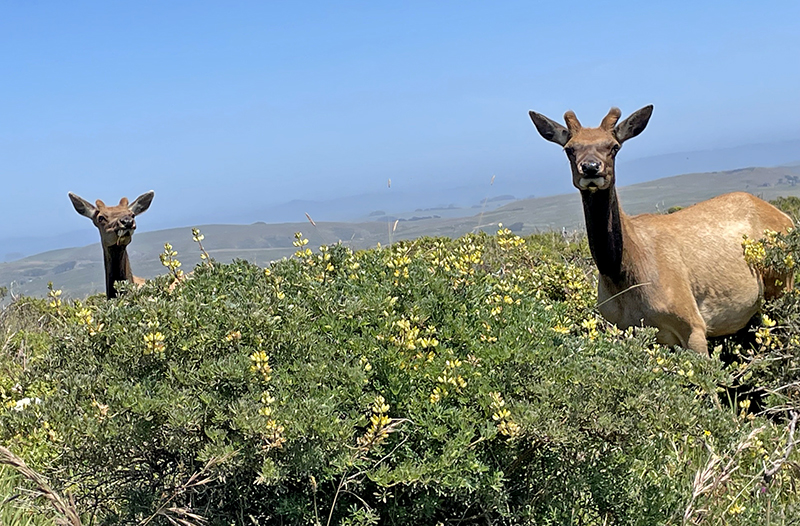
Tule Elk at Tomales Point, Point Reyes National Seashore

We drove between the Coastal Ranges where the vegetation of the subranges indicated quite clearly which would climb fastest on the posted fire-risk meters. The western-most subranges were dotted with green, even on the slopes with their back to the Pacific Ocean. To the east, the mountainsides were golden straw grasslands. The region’s native Monterey Pines and coastal willows bore burn scars but survive in their respective microclimates. Flowering radishes and other agricultural escapees are subject to rapid burning while native California Poppies, Seaside Daisy, Coast Indian Paintbrush, grasses and sage brushes step in reclaim their footing through intense restoration efforts. I was excited to see Ice Plant covering sand dunes. flowering pink and yellow. You can buy this succulent here in pricey greenhouses. Then I found out that Ice Plant was introduced to Central California for erosion control. That effort didn’t work and now Ice Plant is a west coast scourge. We have introduced aggressive Amur Honeysuckle; they have Eucalyptus trees that explode in wildfire events. We both have Poison Hemlock.
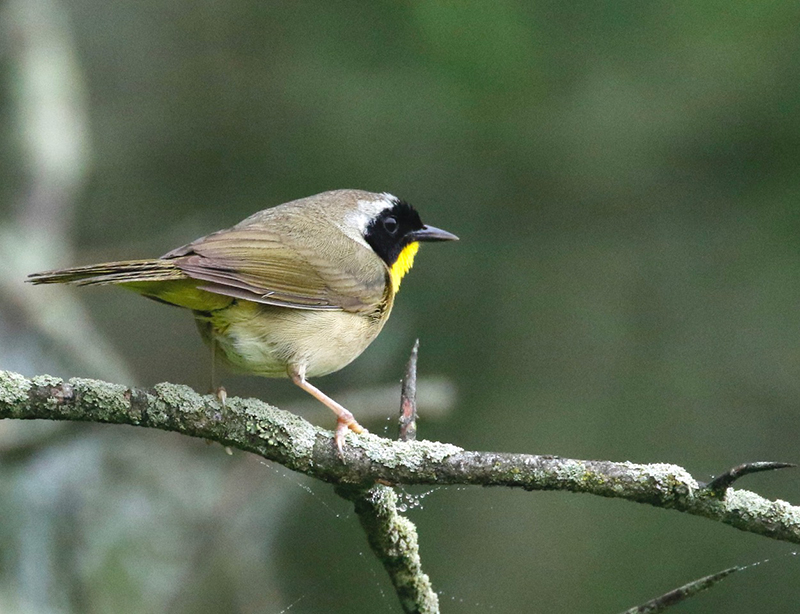
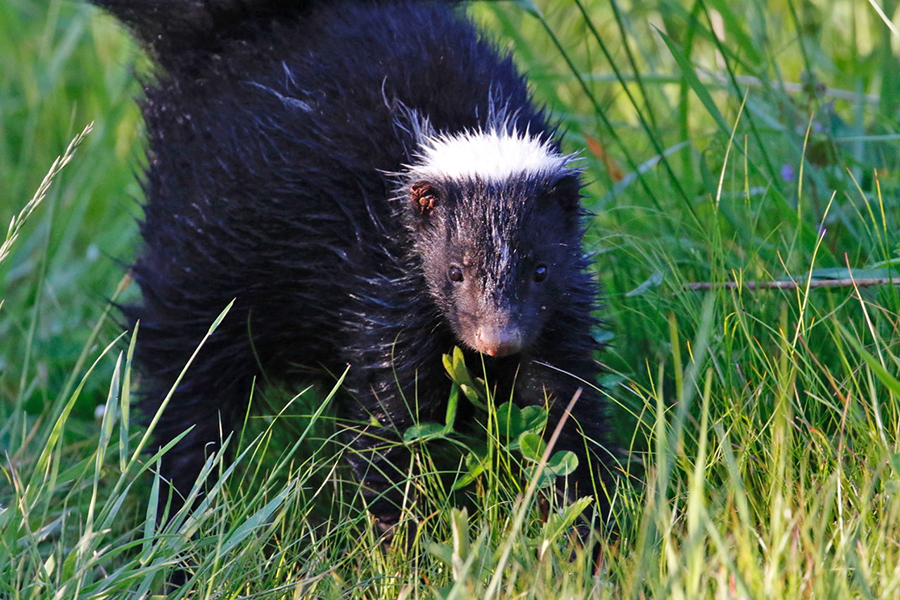
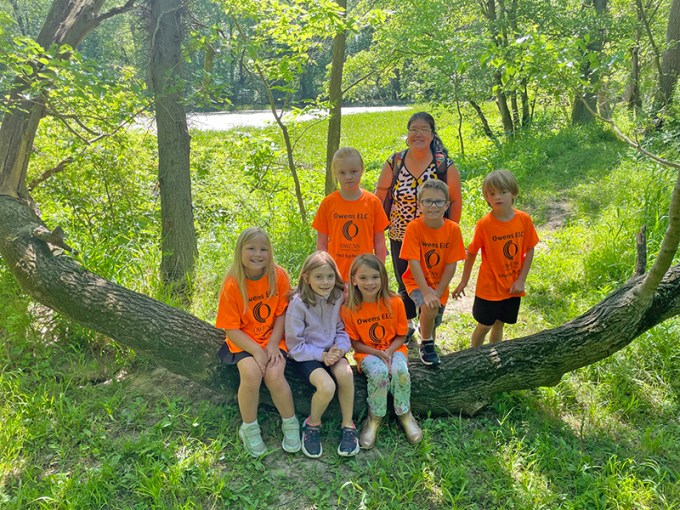
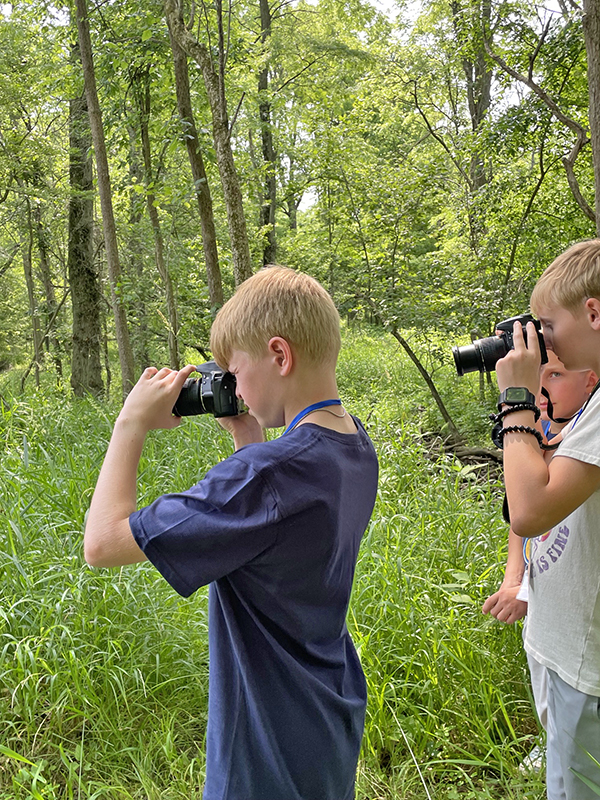
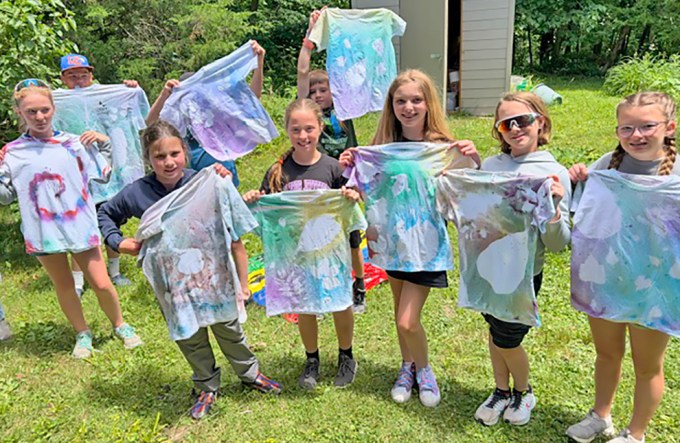
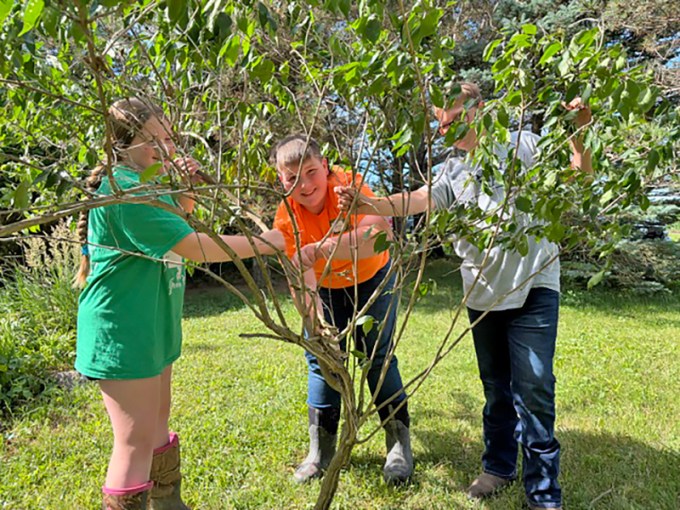
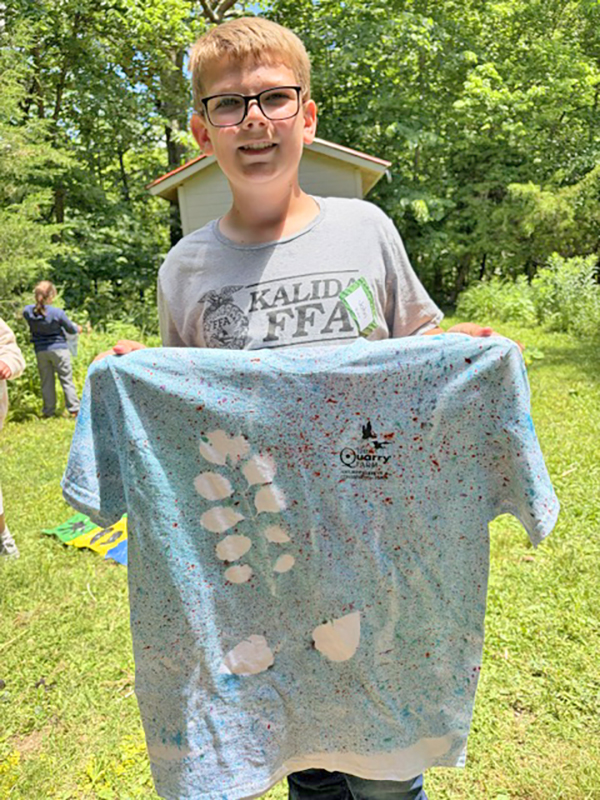
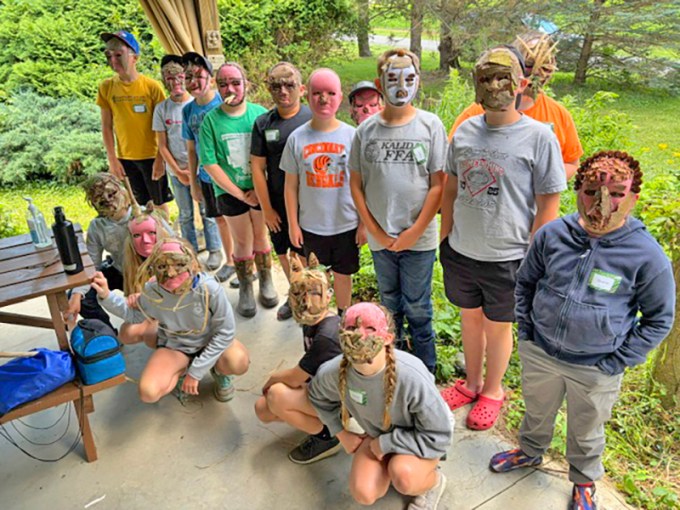
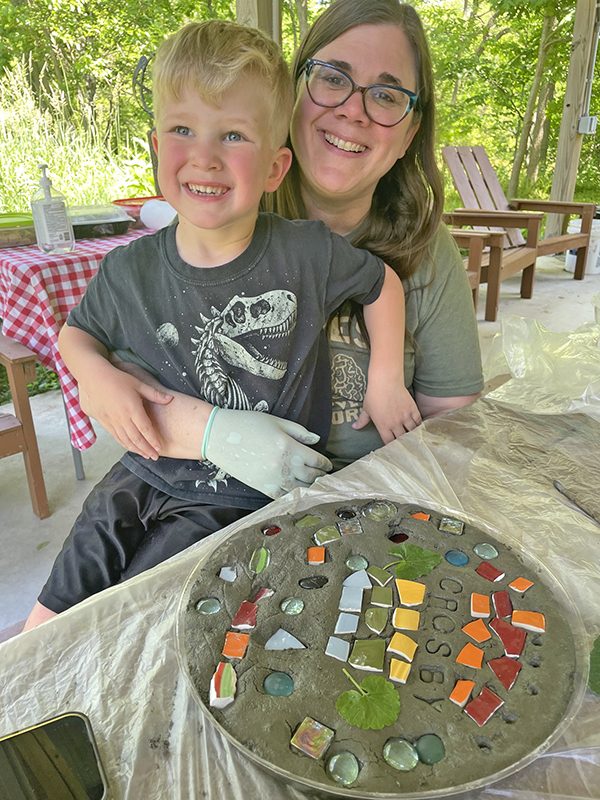
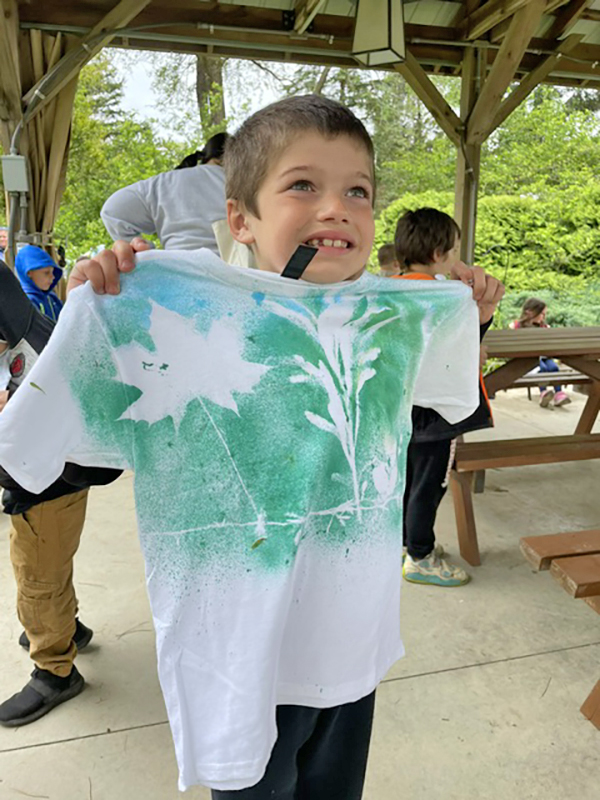
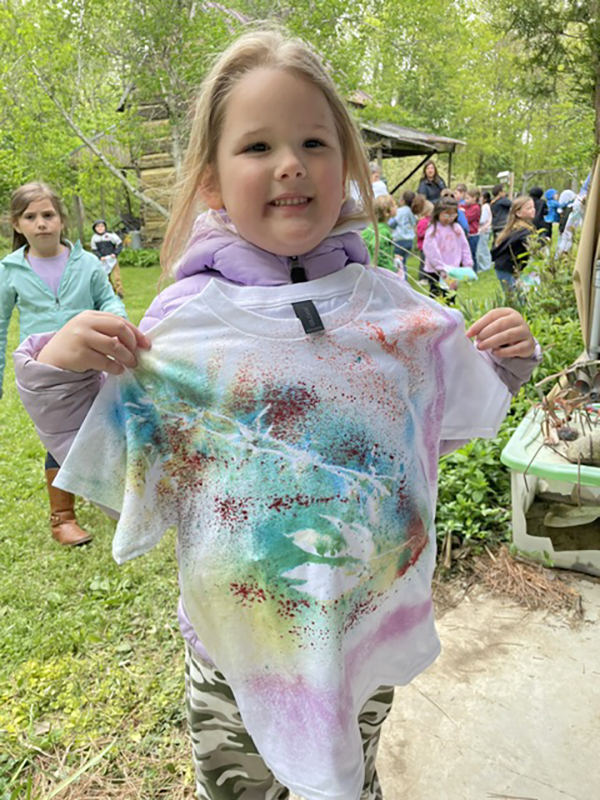
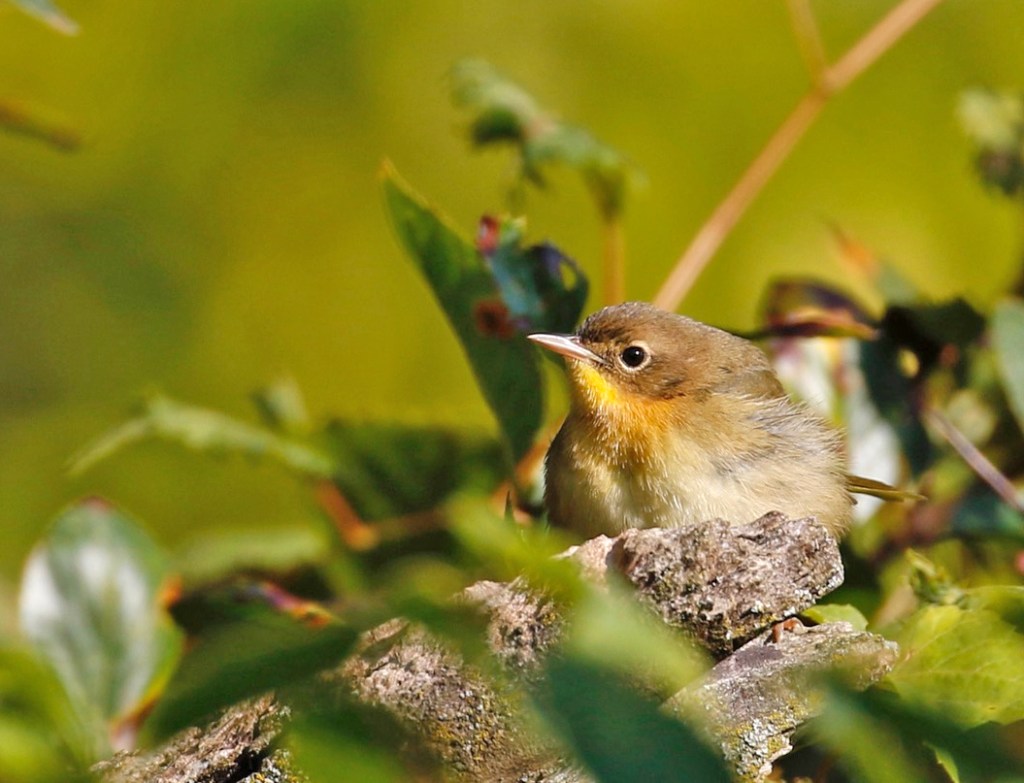
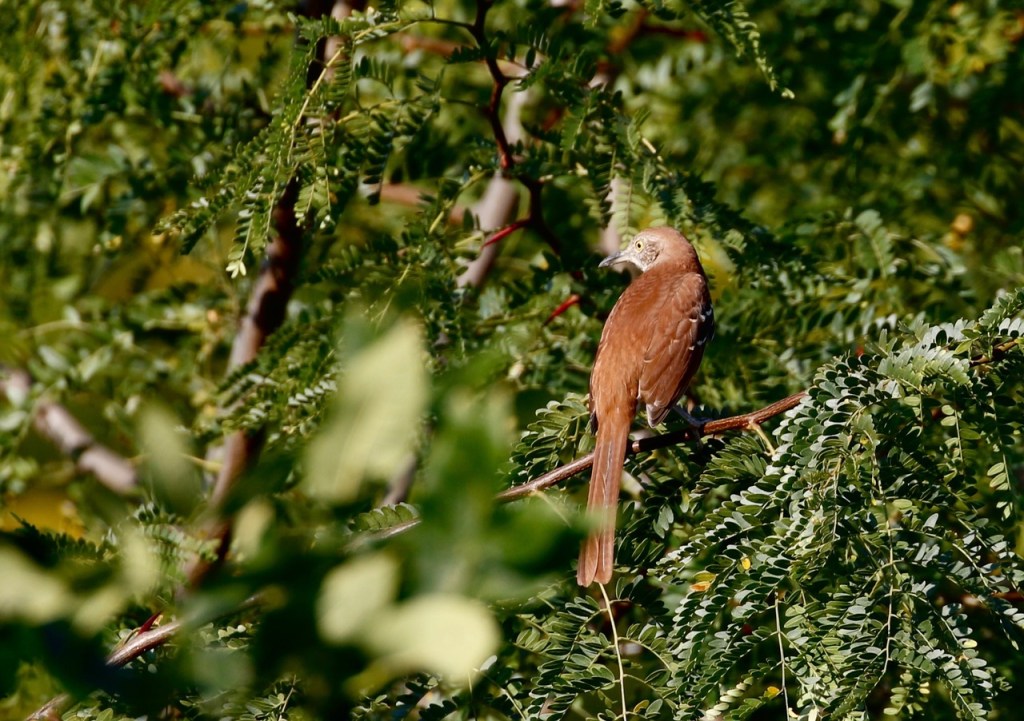
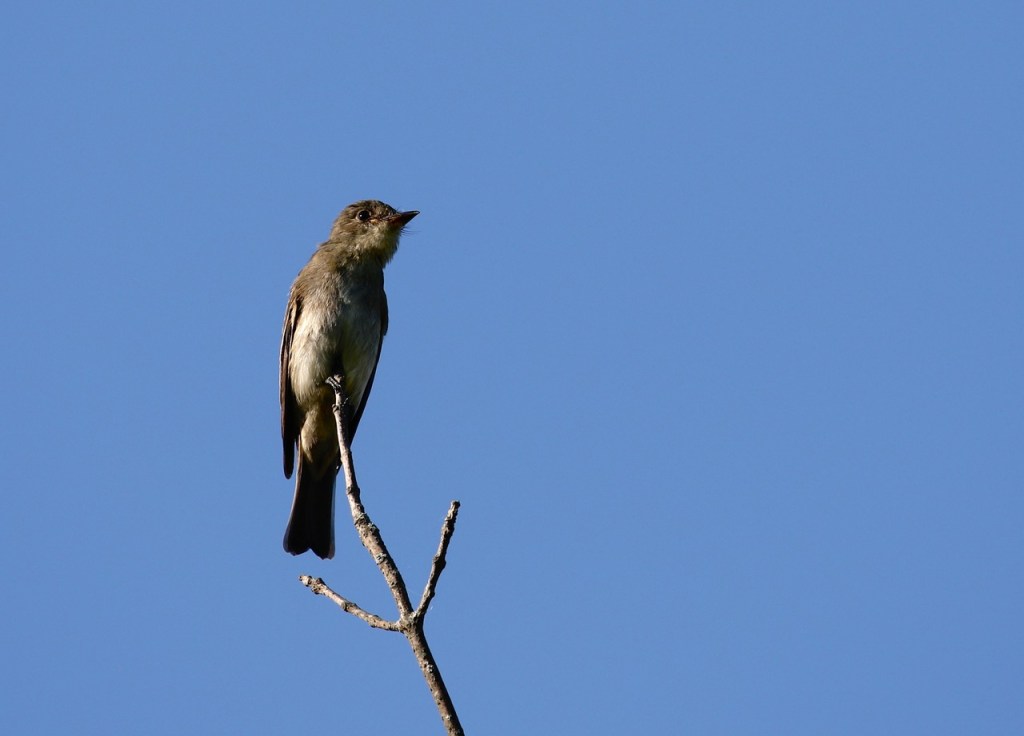
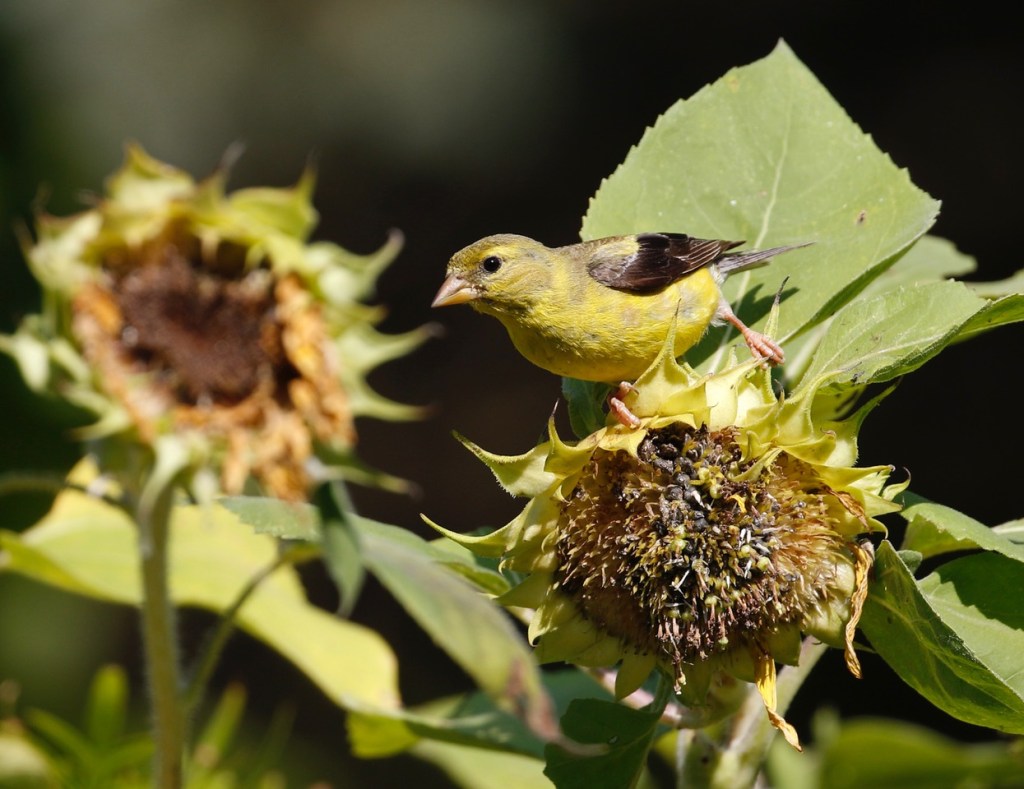
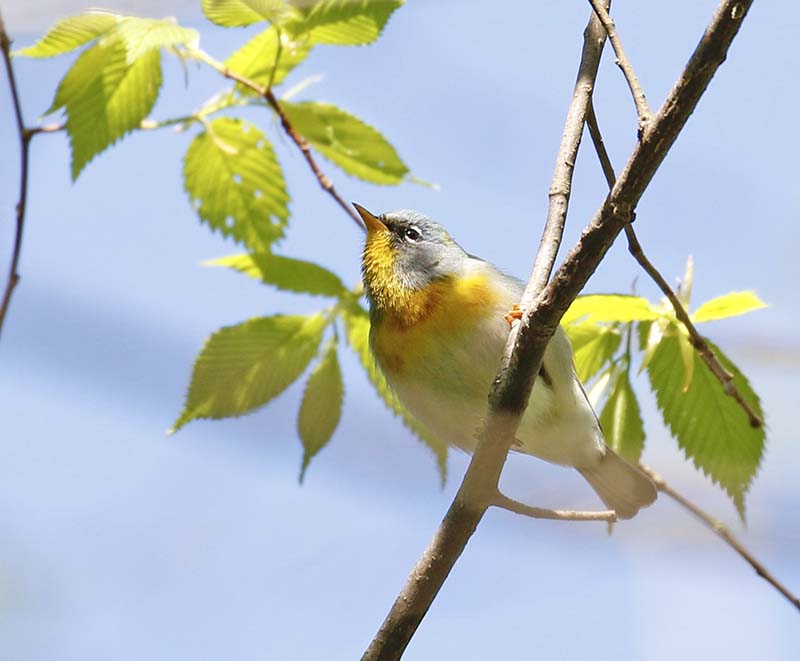
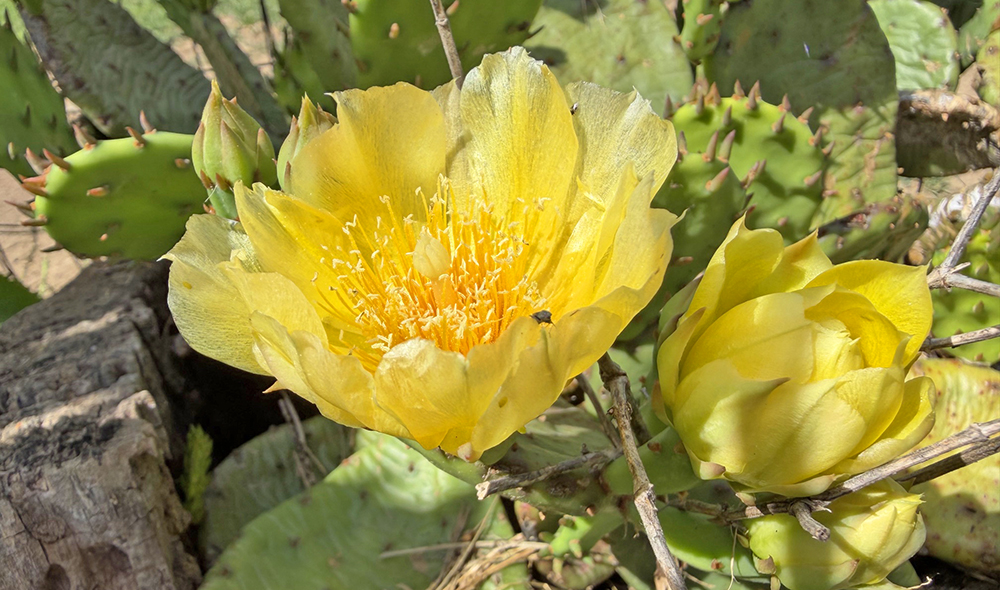
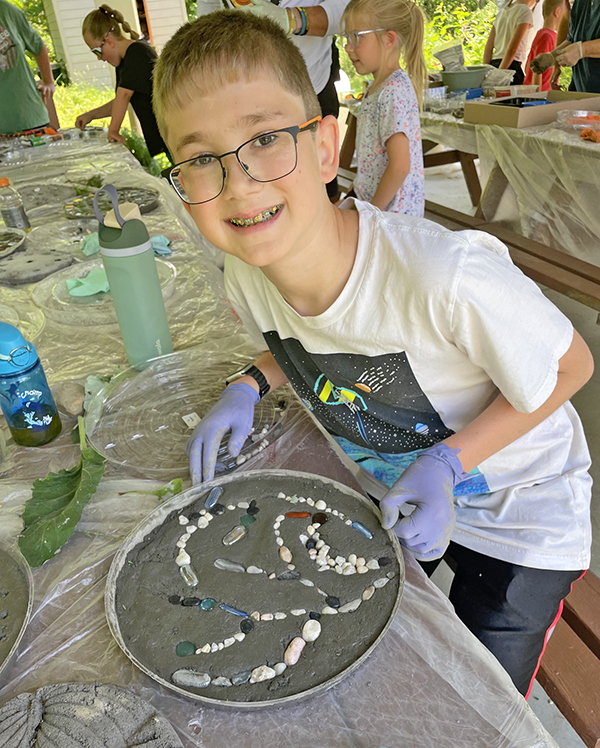
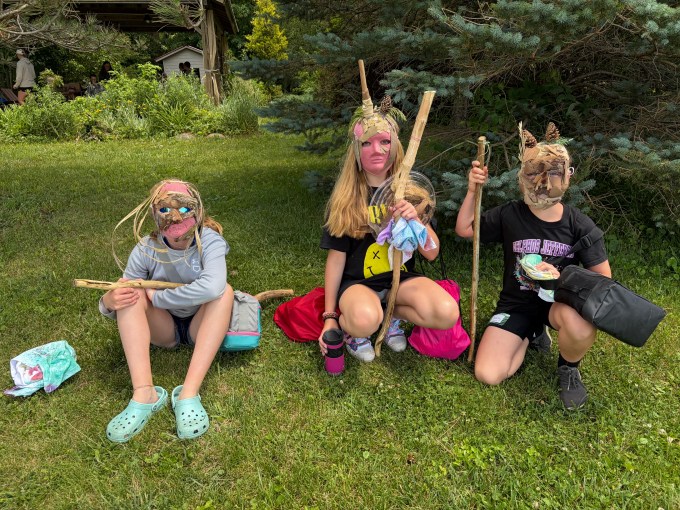
Ohio has the fresh water that California and other states covet. While we were away, our part of home received lots of rain. The vegetable garden sprouted. The Prickly Pear Cactus bloomed. The lush green that we returned to was a sight for sore eyes. The birds here squeal, chirp, and warble under cover of glossy leaves fully veined with moisture. Some show their Springtime faces long enough for Deb Weston to take photos of them. There is a skunk that sometimes joins her on the nature preserve trails. Ottawa Elementary students and Owens Community College Early Learning Center collected some of the green leaves and grasses to paint shirts with rainwater and Rit Dye. Findlay Art Camp walked the trails, took photos, and planned art projects on the trails and in the pollinator gardens. Putnam County students mixed water with vinyl patch to create steppers. Cranberry Run was full and flowing for the Putnam County Educational Service Center Summer Camp. Campers did their annual wade through the Run after hiking with honeysuckle staffs and making t-shirts and bark masks.
Last week, I visited Fort Wayne’s Foellinger-Freimann Botanical Conservatory. While others lined up to watch butterflies strain their net enclosure, I enjoyed the Desert Garden. I don’t know that I would have prior to hiking in Central California, across the sandy fissured trail of Tamales Point and appreciating the riotous succulent walled yards in Seaside. Almost every inch of California coast that we hiked, from Carmel north to Inverness, was draped in blue sky and rolling Reseda Green beauty and a wild salted Pacific. It is a different color palette for this Northwest Ohioan. A young Californian boy who was volunteering at a park restoration event overheard me say that I was visiting from Ohio. “I love Ohio!” he exclaimed. Back home, I breathe in waves of rain on this June night and know that I do, too. This place is worth staying home (most of the time) and fighting for.
Early birds

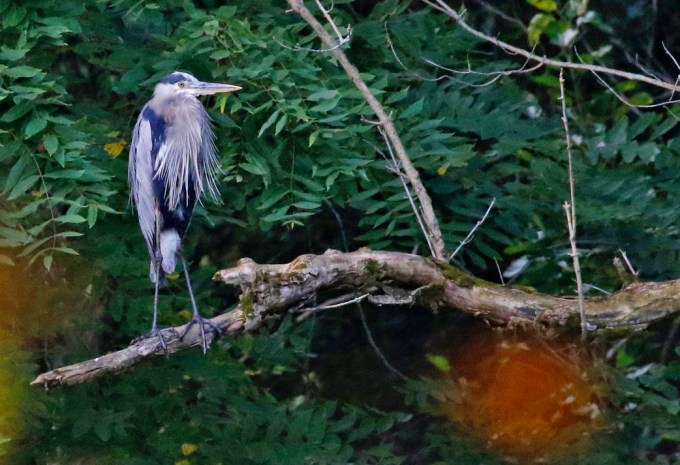
Great Blue Heron above the wetland
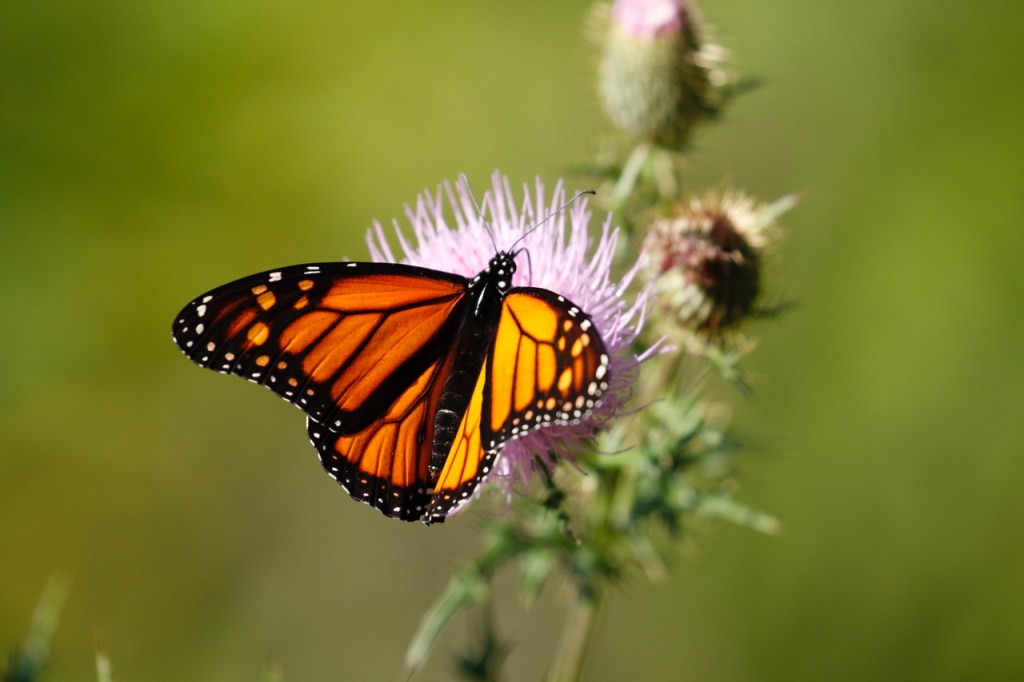
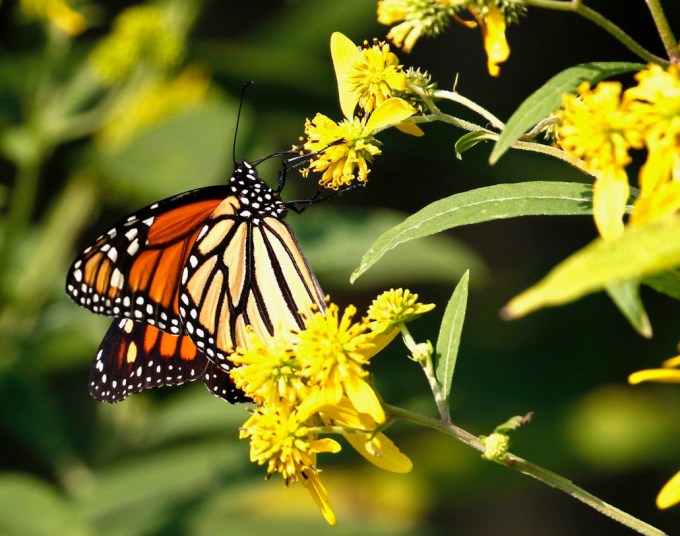
Monarch Butterfly

There is one lone cricket singing in the basement this week. The evenings are so cool now that the outdoor chorus have wrapped their bowstrings in scarves of dried grasses. Birds and butterflies are on the move, winging away early this year due to cooler temperatures. There will be no Fall Migration Bird Hike in the nature preserve this year because we missed the boat, or rather, the airship.

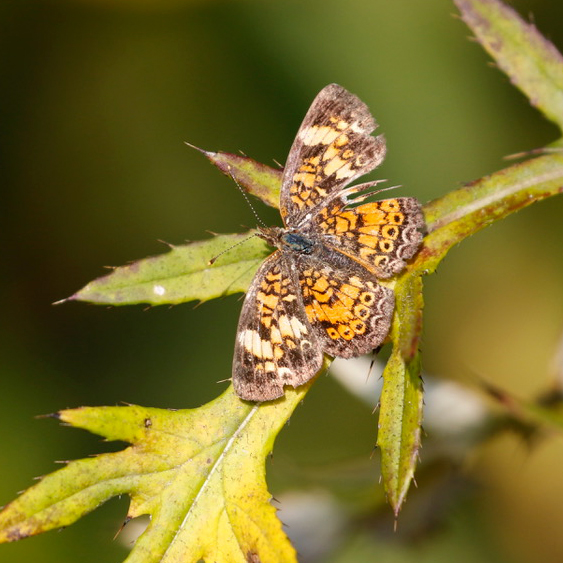
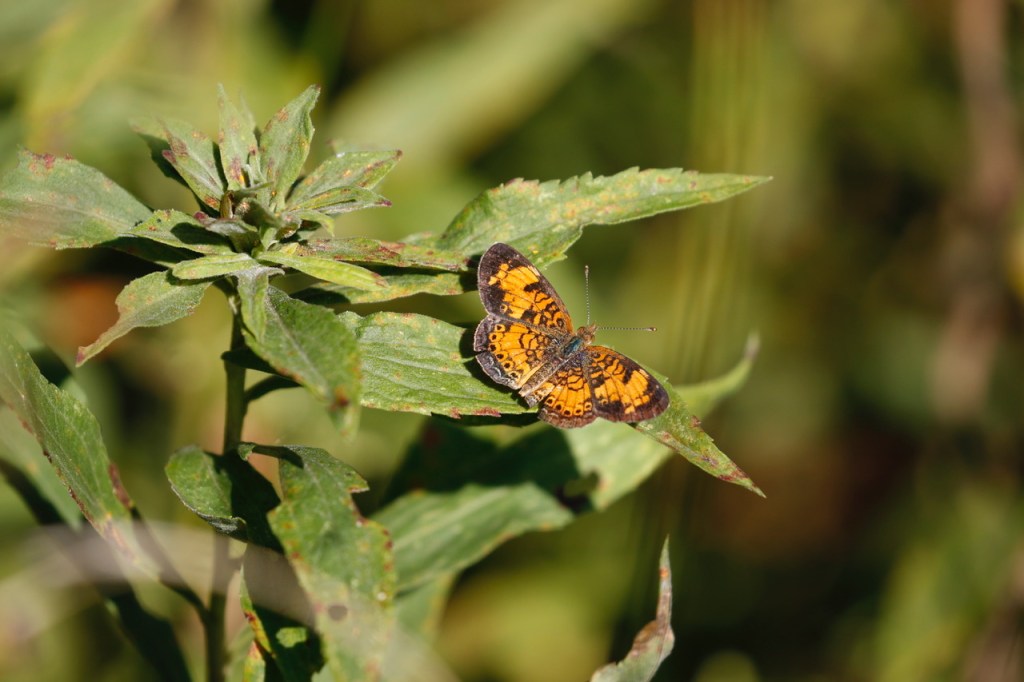
The good news is that Birders Deb Weston and David Smith grabbed their tickets in time to walk the trails and see who is passing through on their southern journey. What they found last week is that Monarch Butterflies (and one tired-looking Pearl Crescent Butterfly) were having a restorative back in the grassland prairie.

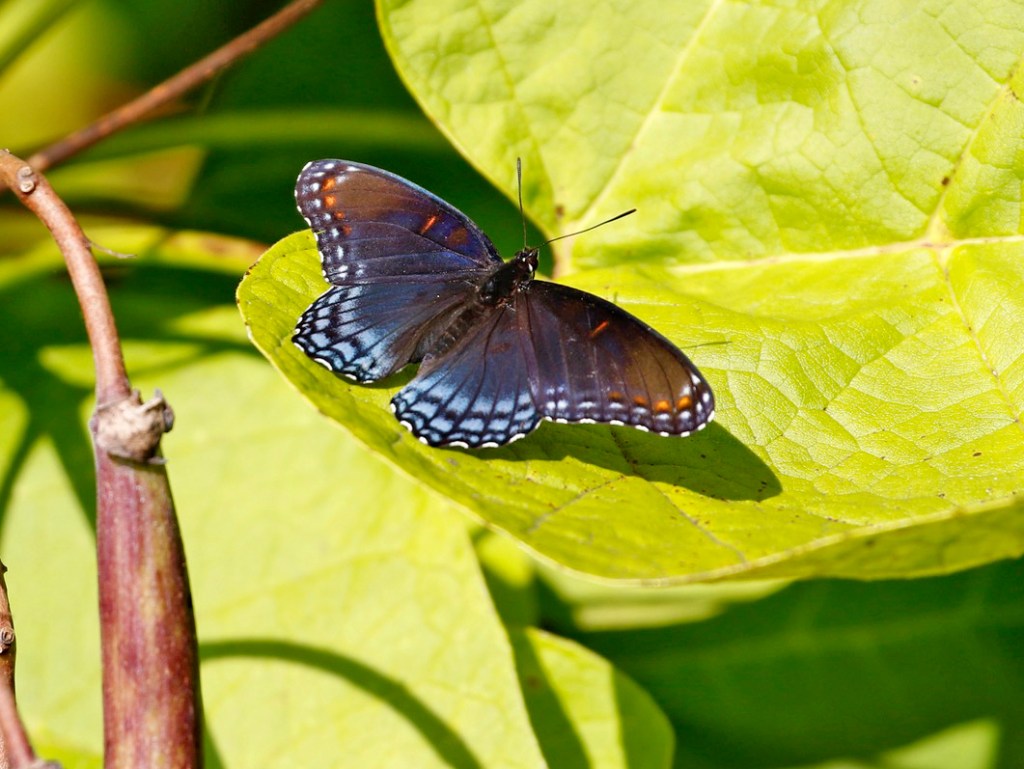
Pearl Crescent Butterfly

That same day, they documented 29 avian species, with David IDing all but a Great Blue Heron by their birdy vocalizations. Deb had her camera at the ready once David pointed them out.

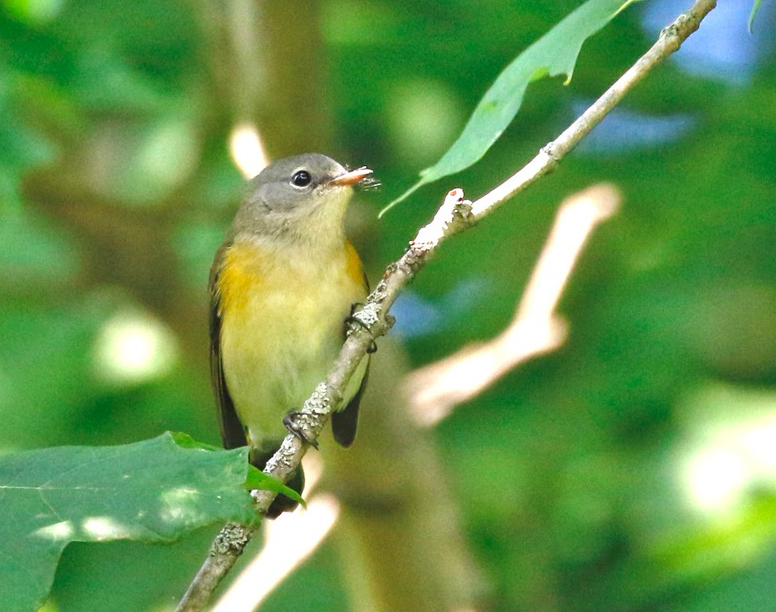
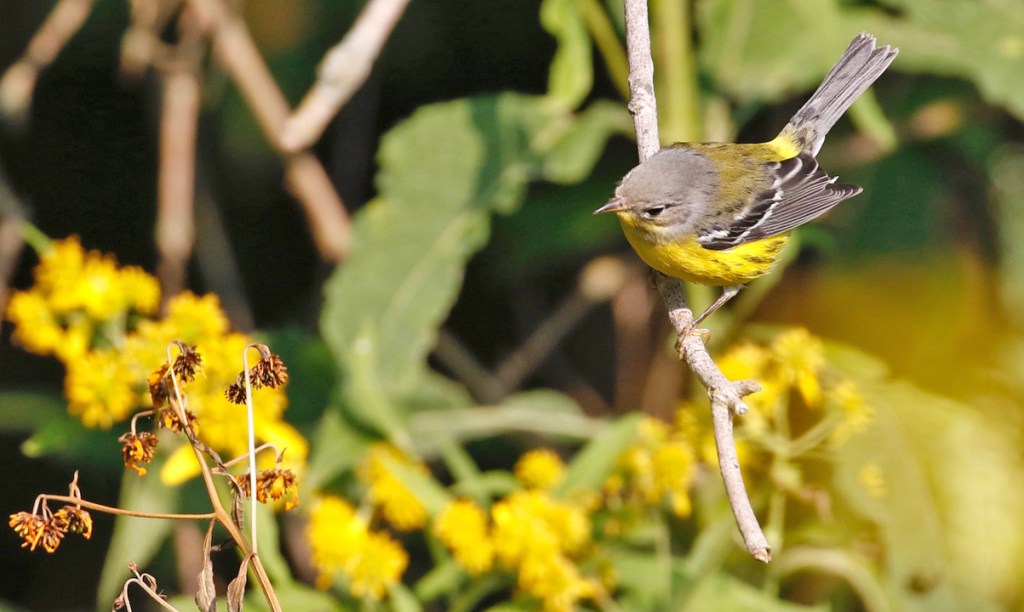
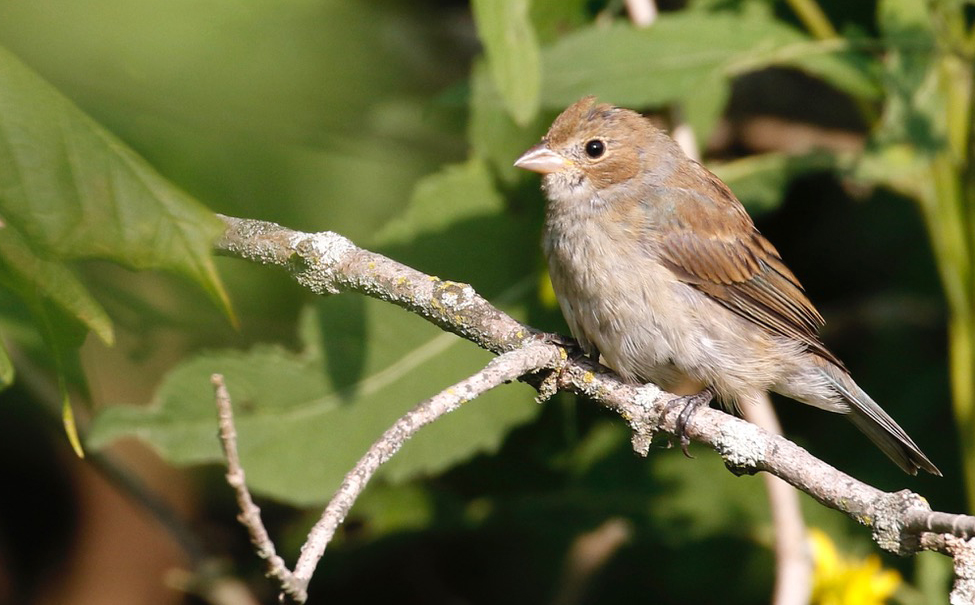
“Fall migration is completely different than spring. The birds aren’t singing and they don’t look the same,” she said. “For me, they’re in the “shakes head, beats me” category.”  In order, juvenile Indigo Bunting, Magnolia Warbler and female American Redstart. 

On Monday, the tally increased to 41 species, including short glimpses of 11 warblers. Deb is out there again today. The air is warm enough to remove a sweater now and the droughted grass crackles under foot. The Quarry Farm Birders are a stealthy bunch, though. Can’t wait to see what Deb and her camera found feeding in the goldenrod and ironweed.

Spring Migration 2025

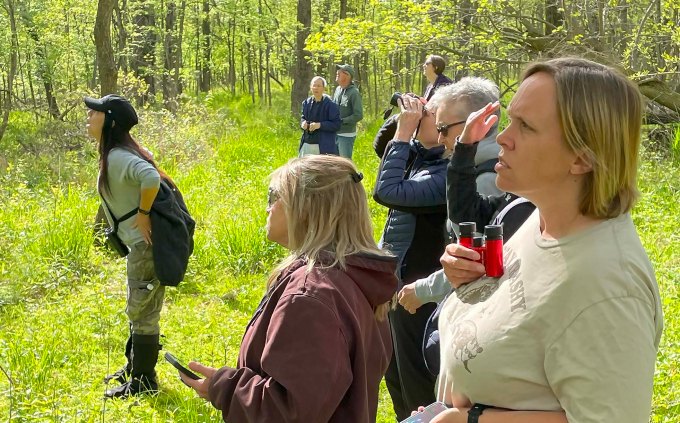
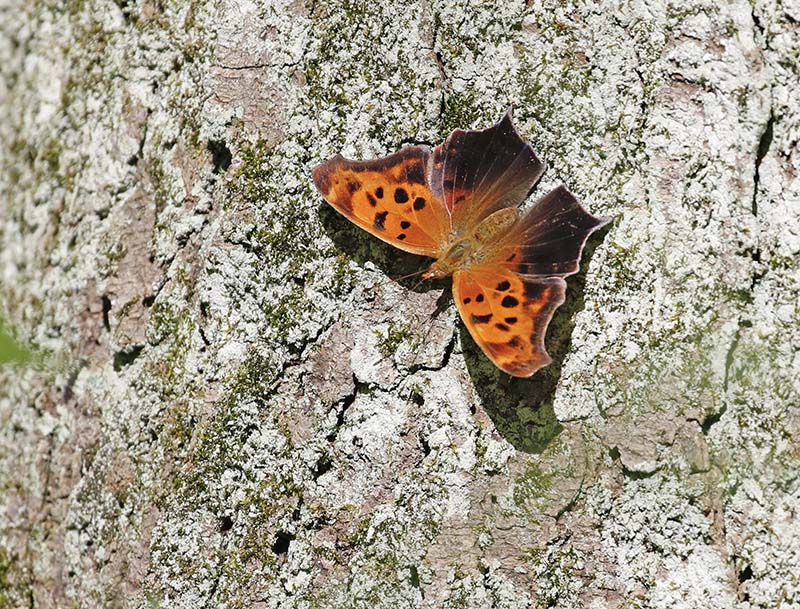
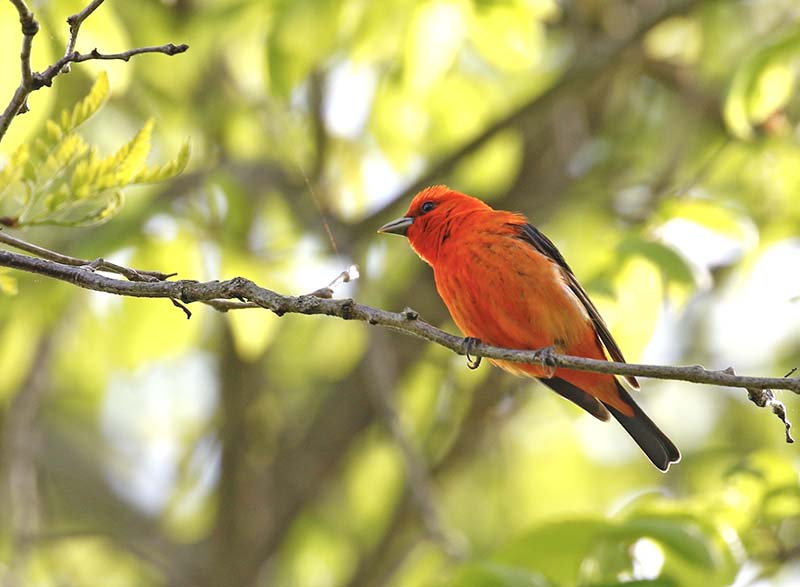
According to Birdcast, 14,526,300 birds crossed Ohio from 8:40 p.m. on May 11, 2025 through 6:40 a.m. on May 12. From 9 to 11 a.m. that Monday, participants in the annual Spring Bird Migration Hike followed the pointing fingers of Deb Weston and David Smith to catch a glimpse of brilliant spring plumage. That morning, the group documented 46 bird species in the wetlands, pollinator gardens, and upland forest of The Quarry Farm nature preserve. An enormous Question Mark Butterfly warmed its wings long enough for a good view as well.

It seems that migration peaks earlier each year as the planet tries to right itself, and Deb and David try to schedule a hike date that happens before all of the migrators pass us by or settle in to nest under dense canopy. To get a good idea of what might pass through for a crowd, Deb walked the trails for days leading up to May 12 hike. She took notes…and brilliant photos.

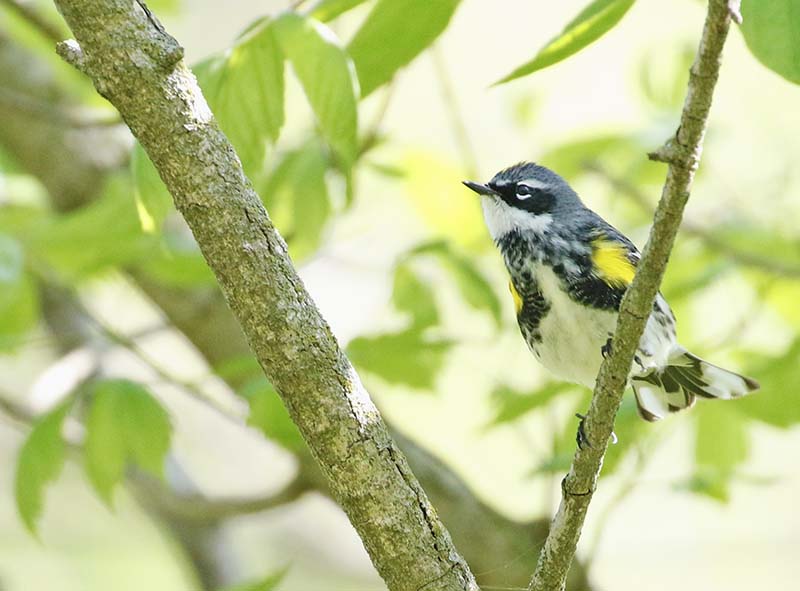
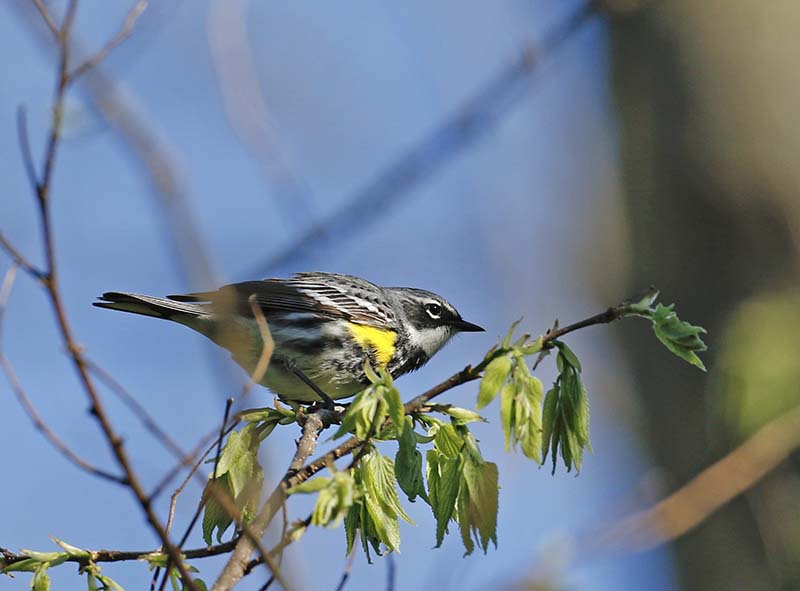
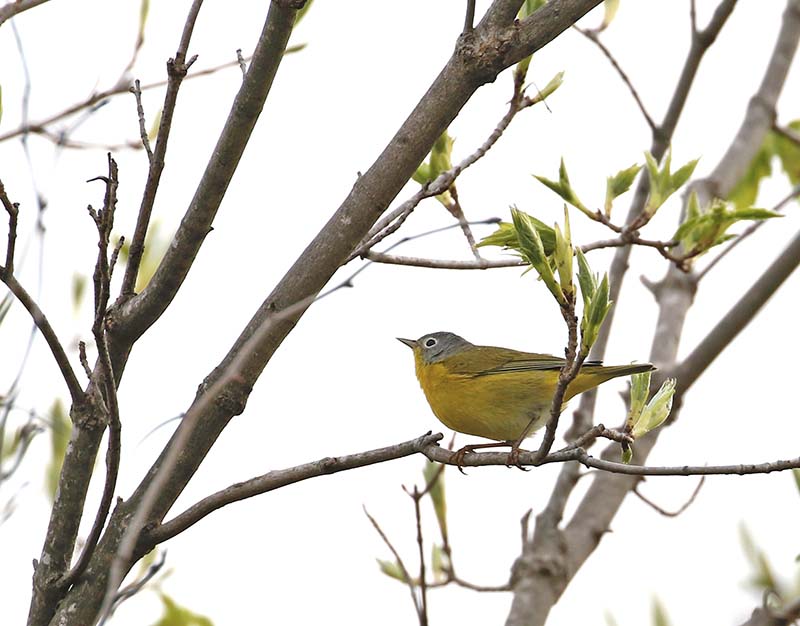
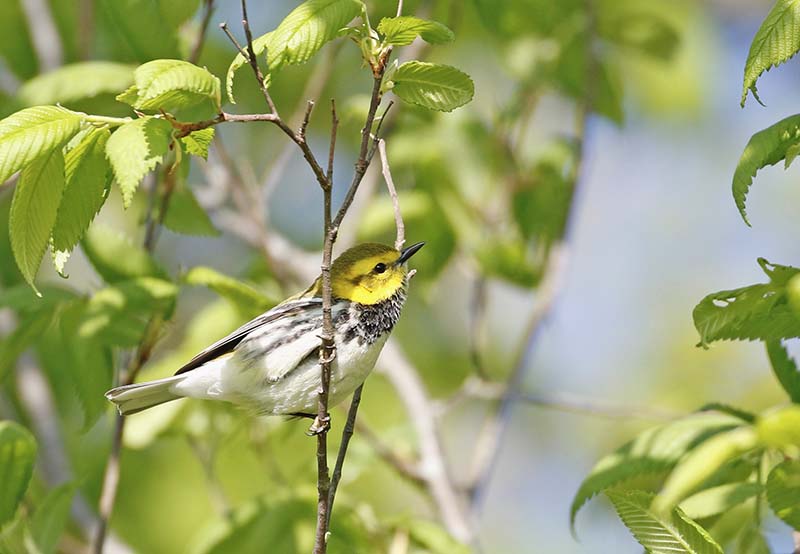
April 30: 47 species today. A juvie Bald Eagle flew over the prairie, Yellow-rumped Warblers all over the place. One Yellow-breasted Chat, 3 Orchard Oriole, Tennessee Warbler, Nashville Warbler, Yellow Warbler, Palm Warbler and Black-throated Green Warbler. Rose-breasted Grosbeak, Great Crested Flycatcher, Warbling Vireo and 13 Double-crested Cormorants flying over in a perfect V.
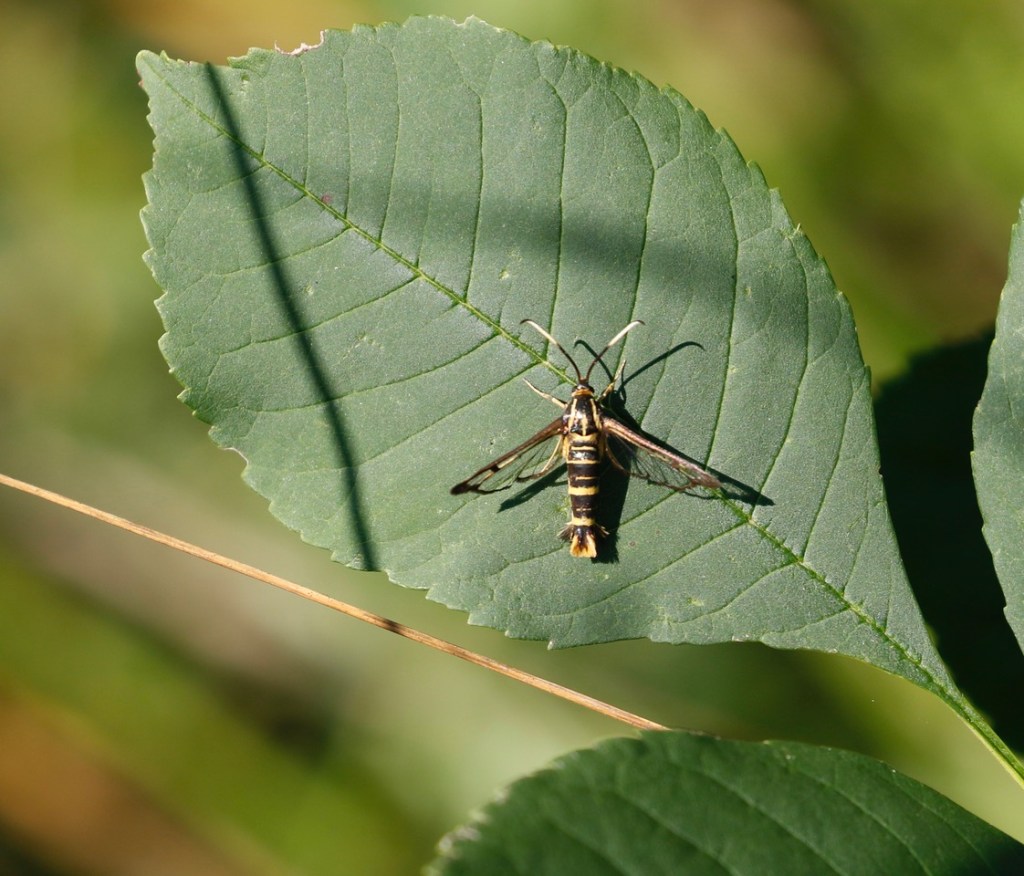
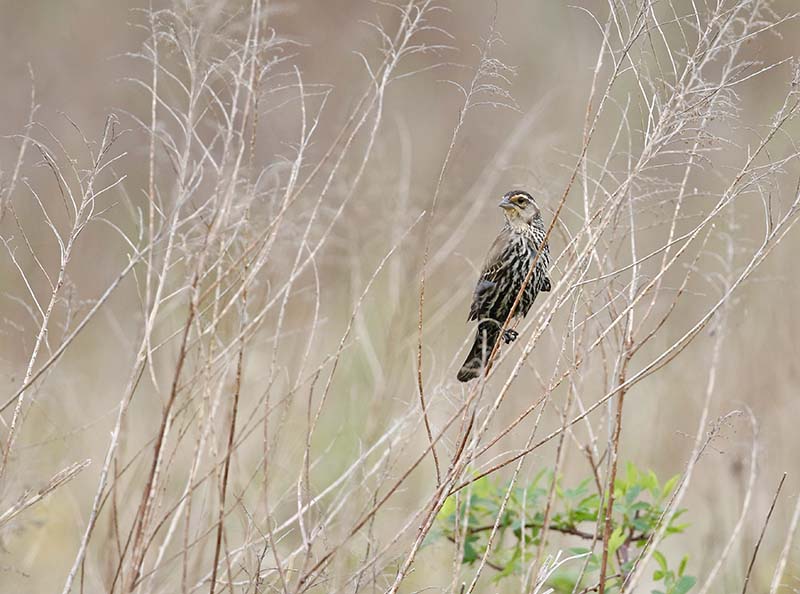
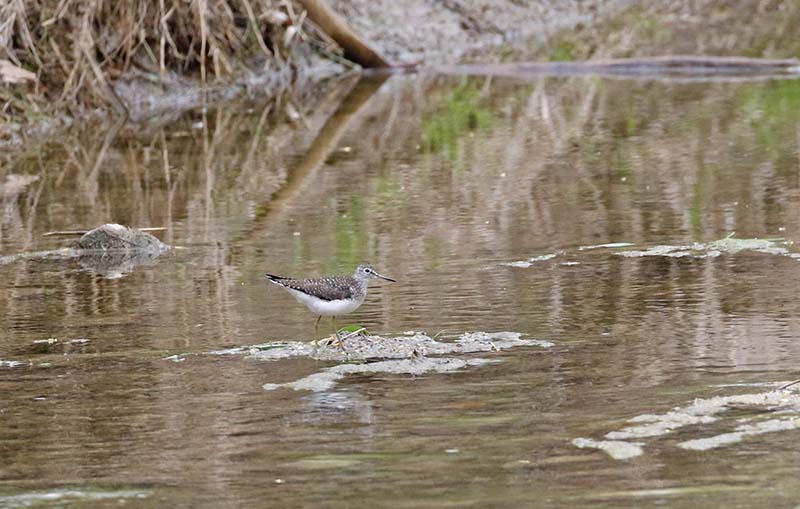
May 1: 52 species today. There was a Gray-cheeked Thrush in the garden area.  Don’t see them often and it escaped photo day.  Female Red-winged Blackbird, Nashville Warbler and Solitary Sandpiper were not so shy. 

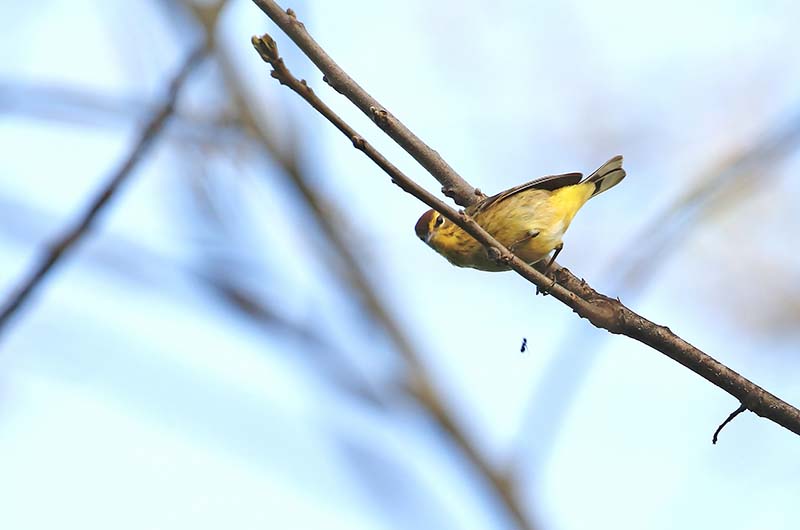
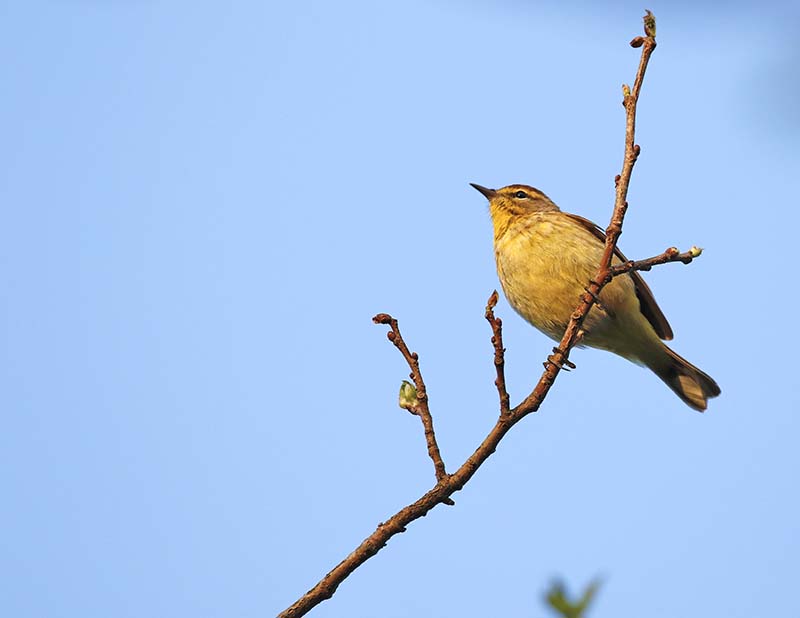
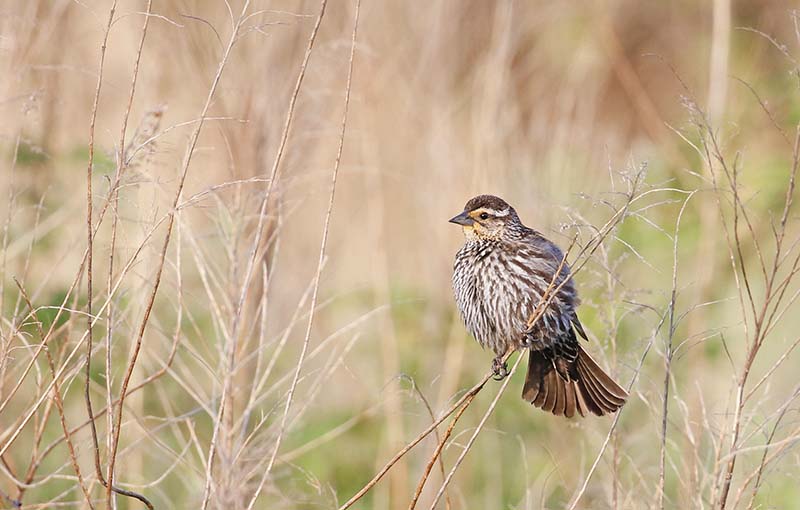
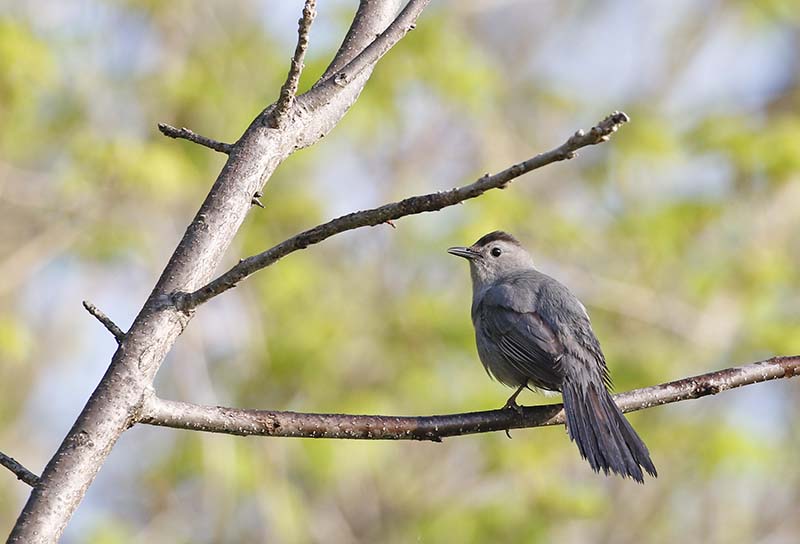
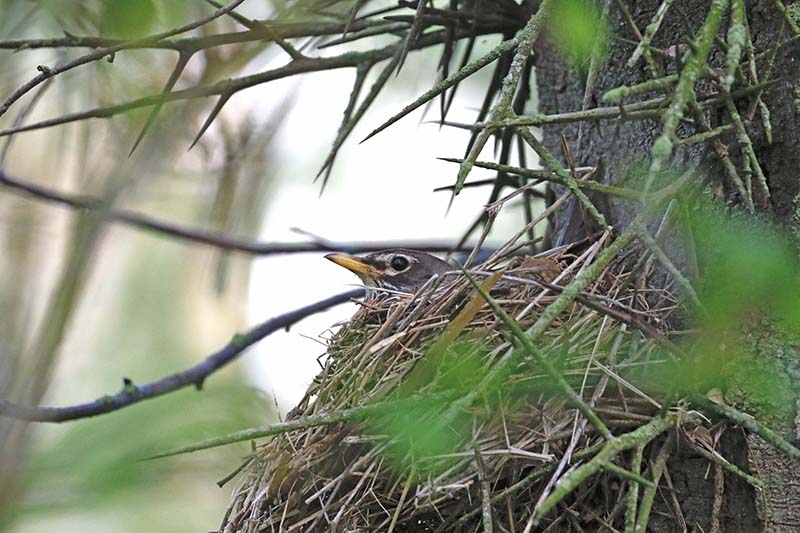
May 2: 50 species today. An American Robin on her nest every day.  2 pics of a Palm Warbler; the first one dropped its food when it saw me. Another female Red-winged Blackbird because they’re so pretty and a Gray Catbird. 3 Wild Turkey, 2 in different sections of the prairie flushed when I walked by even though they were out in the middle. Sounded like helicopter blades. Not sure if they were sitting on nests, but baby turkeys would be cute. 1 Ruby-throated Hummingbird and the biggest surprise was an Osprey sitting in a tree at the lookout point.  It took off before I could get my camera up, but was excited to see it.  Last sighting was in 2021. Warblers: Orange-crowned, Nashville, Common Yellowthroat, Northern Parula, Yellow, Palm and Yellow-rumped.

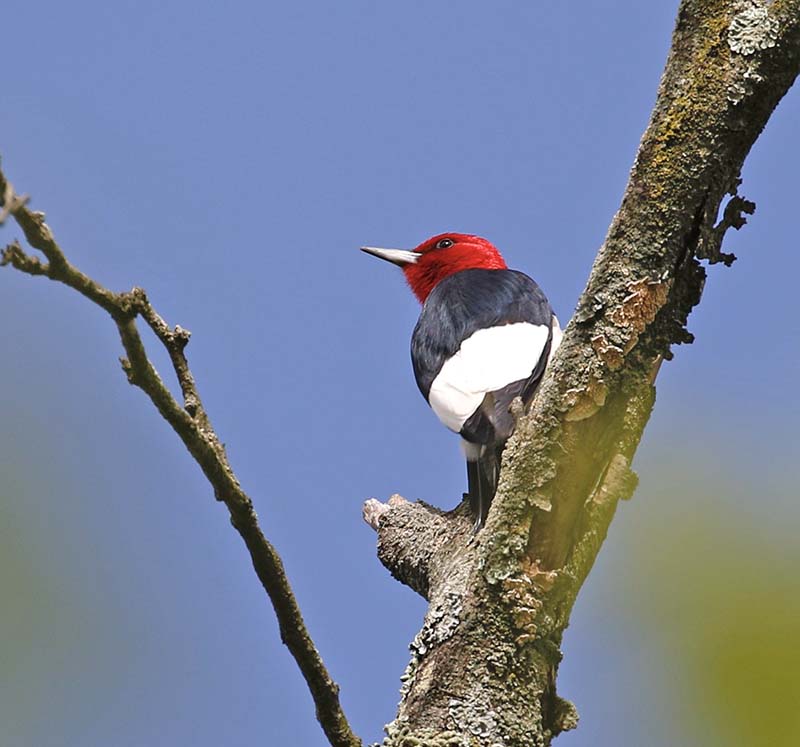
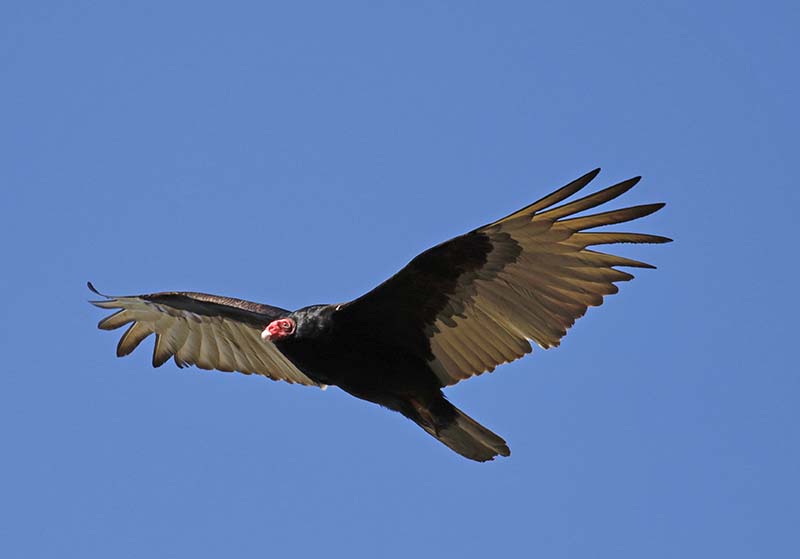
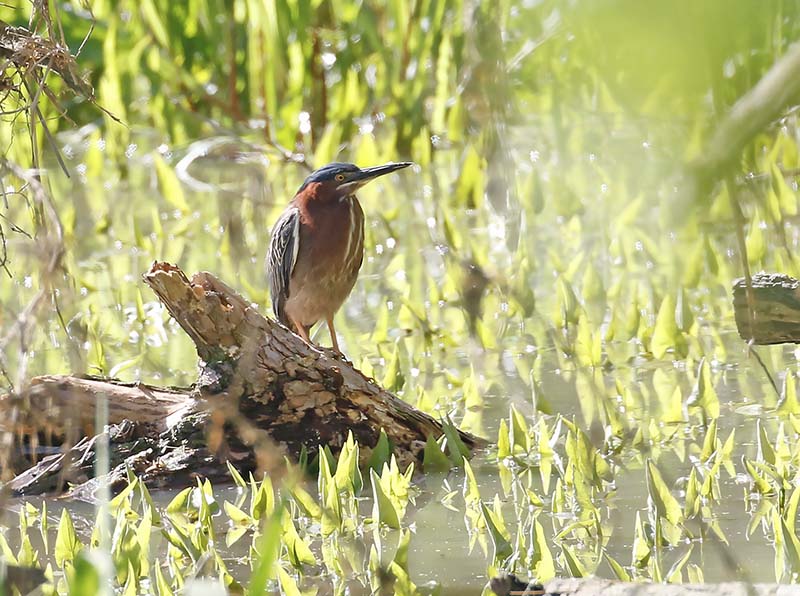
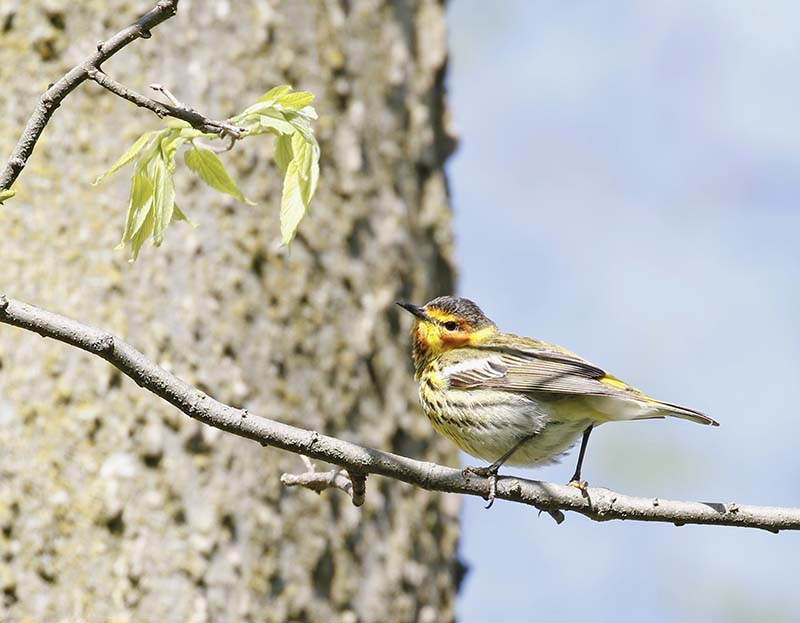
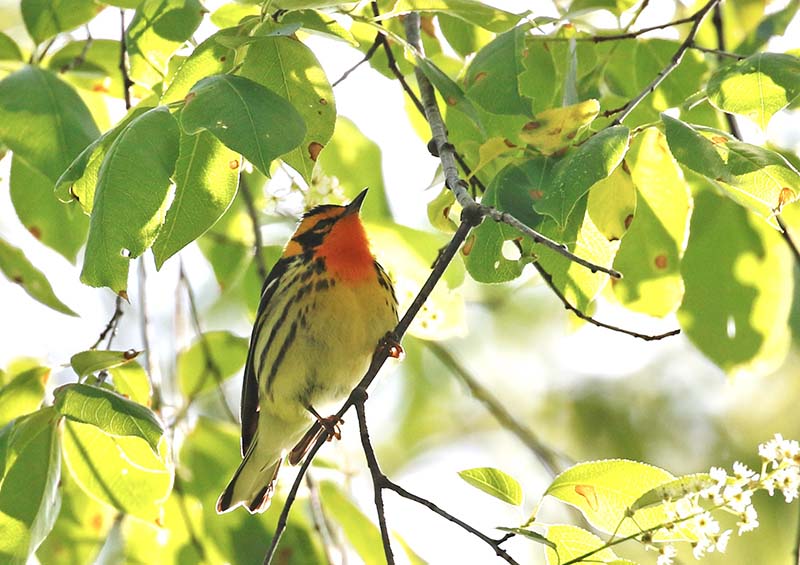
May 9: 53 species today (14 warblers) Canada Goose, Wood Duck, Mourning Dove, Green Heron, Turkey Vulture, Red-headed Woodpecker, Red-bellied Woodpecker, Downy Woodpecker, Northern Flicker, Least Flycatcher, Yellow-throated Vireo, Blue-headed Vireo, American Crow (YAY—they’re back!), Carolina Chickadee, Tufted Titmouse, White-breasted Nuthatch, Northern House Wren, Carolina Wren, Gray Catbird, Eastern Bluebird, Wood Thrush, American Robin, House Sparrow, American Goldfinch, Chipping Sparrow, Field Sparrow, Savannah Sparrow, Song Sparrow, Lincoln’s Sparrow, Swamp Sparrow, Eastern Towhee, Orchard Oriole, Baltimore Oriole, Red-winged Blackbird, Brown-headed Cowbird, Common Grackle, Ovenbird, Nashville Warbler, Common Yellowthroat, American Redstart, Cape May Warbler, Northern Parula, Magnolia Warbler, Blackburnian Warbler, Yellow Warbler, Black-throated Blue Warbler, Palm Warbler, Yellow-rumped Warbler, Black-throated Green Warbler, Wilson’s Warbler, Northern Cardinal, Rose-breasted Grosbeak, Indigo Bunting.

Birdcast noted that 24,564,200 bird species flew over Ohio last night. We will be listening for new song as they make their way north to Magee Marsh Wildlife Area where Deb will be watching with her camera and 89,999 other people.

birds and burr-d

The birding team of David Smith and Deb Weston are stepping up their Quarry Farm game again in anticipation of fall migration. As we watered and fed the farm animal sanctuary residents, Deb’s car passed the front gate sometime around 7 this morning. Shortly thereafter, a large heron-ish bird flew up from the nature preserve and overhead. To say that it flapped its great wings in its journey southwest just doesn’t sound like the correct adverb for such a graceful movement.

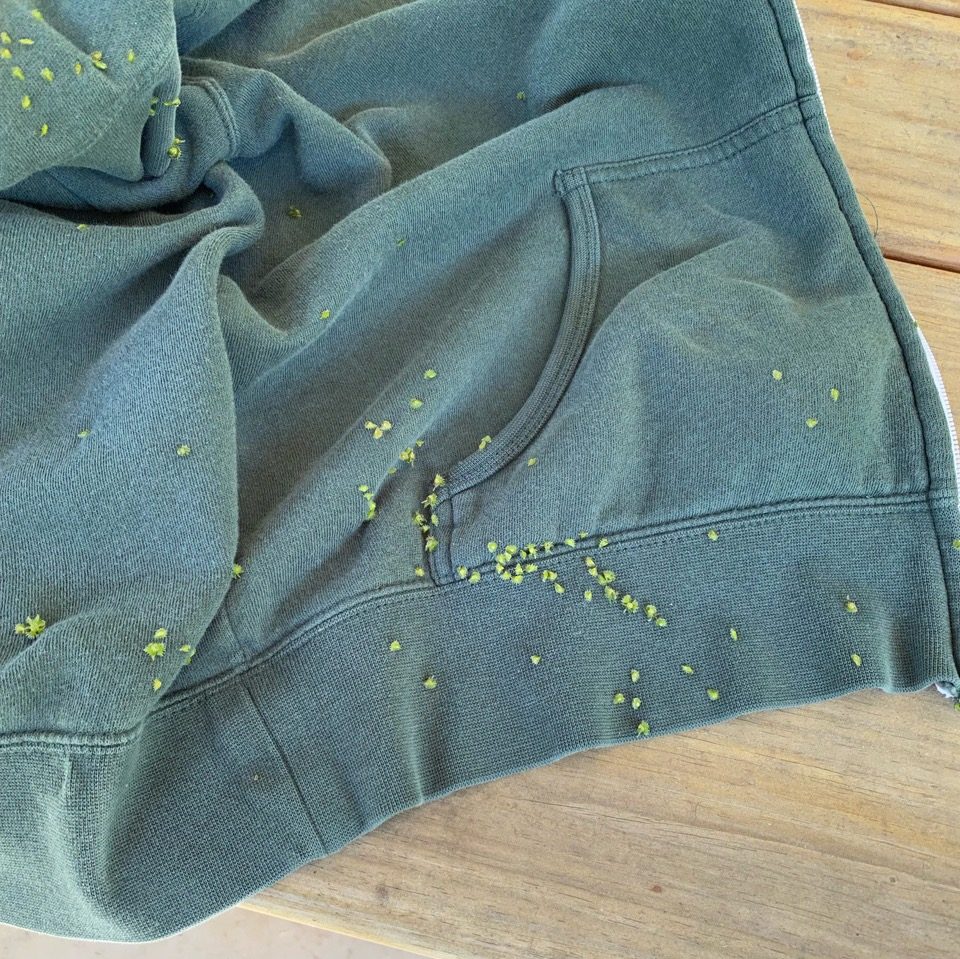
Stick-tights hitched a ride with Birder David.

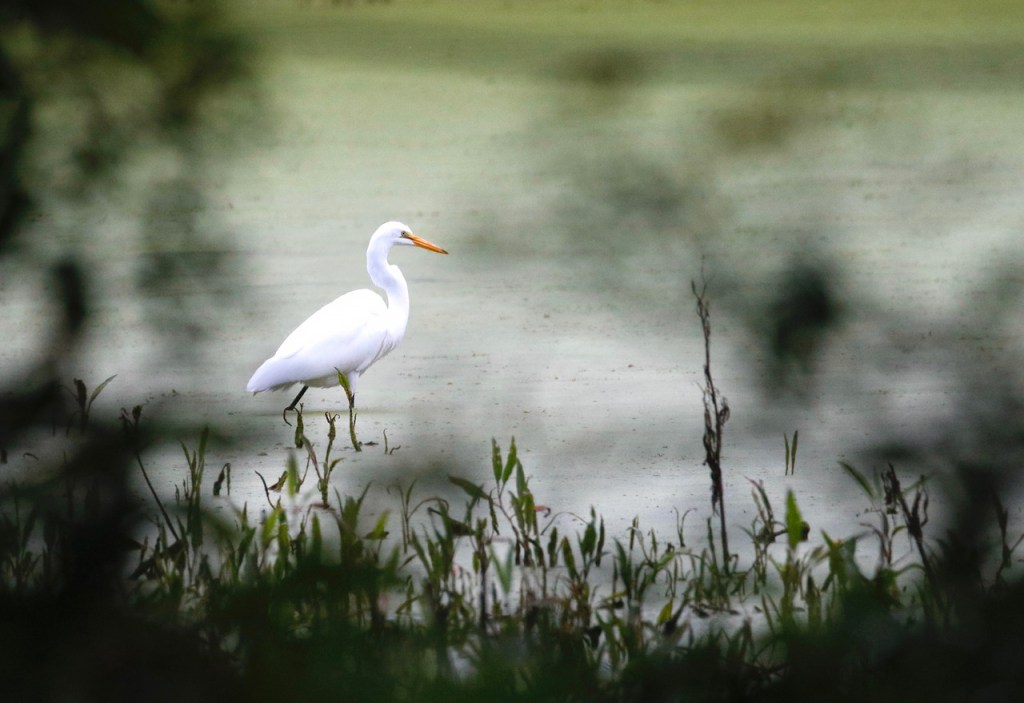
“So jazzed to see the Great Egret,” texted Deb from the trails. She said that David and his wife Julie have seen them in Putnam County. “But it was super cool to see it in the quarry actively hunting—until it saw us.”

There was a Great Blue Heron stalking the quarry wetland, not far from the egret, and one lone female Wood Duck.  They heard but didn’t see the Red-breasted Nuthatch and were pretty certain that they saw an Ovenbird but neither of them felt confident enough to add it to today’s ebird list. Today’s list also included nine warblers: Black and White, Tennessee, Nashville, Common Yellowthroat, American Redstart, Northern Parula, Magnolia, Bay-breasted and Blackburnian.  

“Our record for fall from last year is 42 and that’s what we got today,” Deb added.  

The Quarry Farm tally on ebird is now at 138 species.

As Deb waits in the leafy shadows for landing birds, she trains her hefty camera on insects. Gerald O. Coburn would be thrilled. He photographed and documented most of the dragonfly and butterfly species noted here, as well as many birds. Deb told me last week that she would have really liked my dad. I told her that I think the admiration would be mutual. Dad would have seen her car pass by his own driveway, fired up his ATV and firmly directed her to grab her camera and hop on, wasting no time to see everything that sought warmth and breakfast with the sunrise.