
Last month we flew over Kansas on a flight west. As the plane passed over the western part of the state, we noticed big swaths of charcoal land, many field acres still actively burning. You could see smoke rising from 30,000 feet above. Cousin Mark sent me a link to an article about those fires and subsequent evacuations. A few days later we scouted for breakfast before tidepooling at Point Lobos State Nature Preserve in Central California. There was a light mist and maybe one or two drops that landed on skin. I commented to the coffeeshop owner that rain was forecast. He said, “It is raining.”
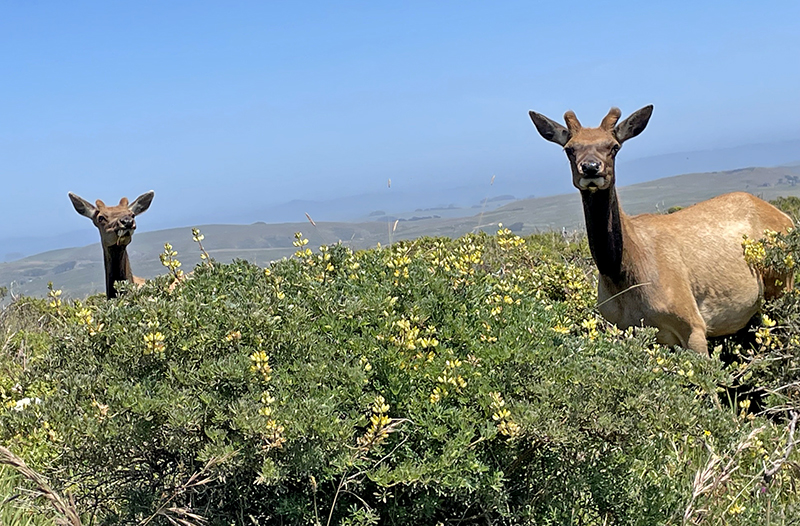
We drove between the Coastal Ranges where the vegetation of the subranges indicated quite clearly which would climb fastest on the posted fire-risk meters. The western-most subranges were dotted with green, even on the slopes with their back to the Pacific Ocean. To the east, the mountainsides were golden straw grasslands. The region’s native Monterey Pines and coastal willows bore burn scars but survive in their respective microclimates. Flowering radishes and other agricultural escapees are subject to rapid burning while native California Poppies, Seaside Daisy, Coast Indian Paintbrush, grasses and sage brushes step in reclaim their footing through intense restoration efforts. I was excited to see Ice Plant covering sand dunes. flowering pink and yellow. You can buy this succulent here in pricey greenhouses. Then I found out that Ice Plant was introduced to Central California for erosion control. That effort didn’t work and now Ice Plant is a west coast scourge. We have introduced aggressive Amur Honeysuckle; they have Eucalyptus trees that explode in wildfire events. We both have Poison Hemlock.
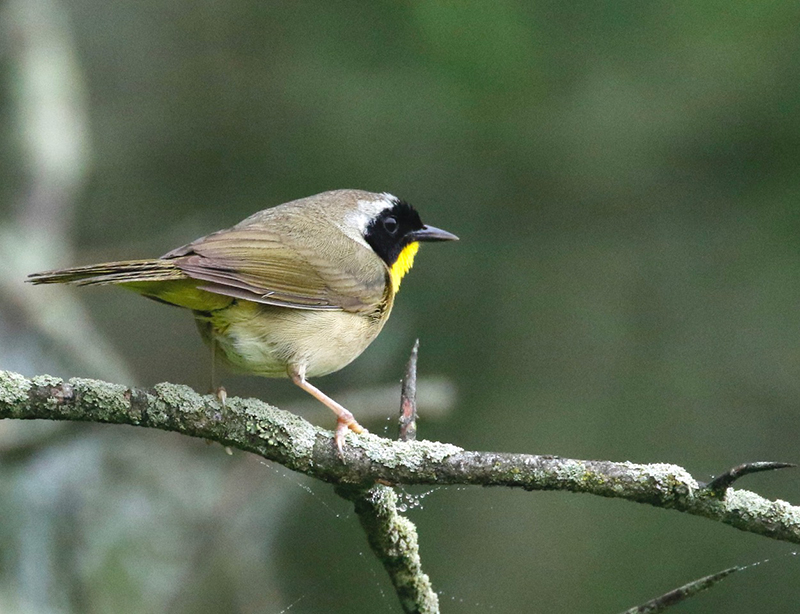
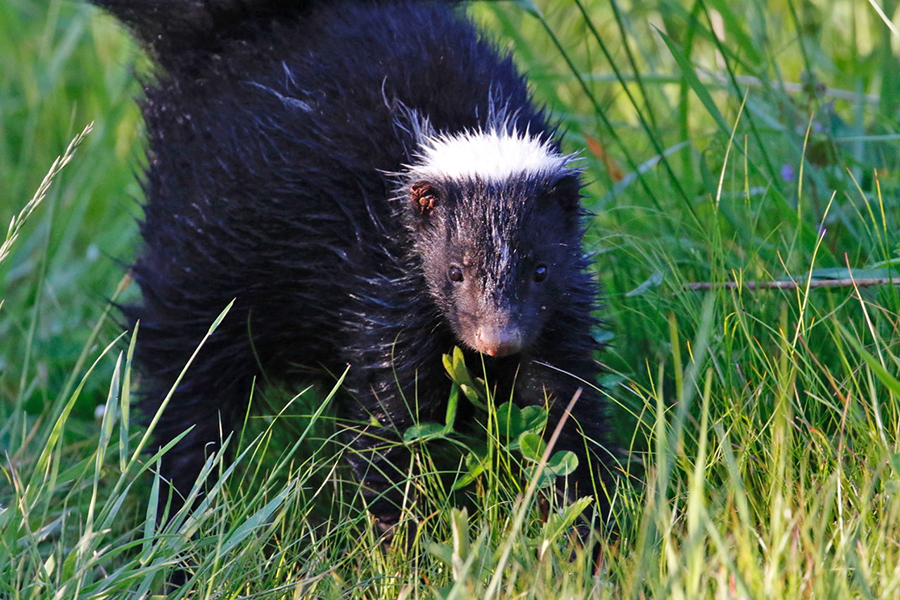
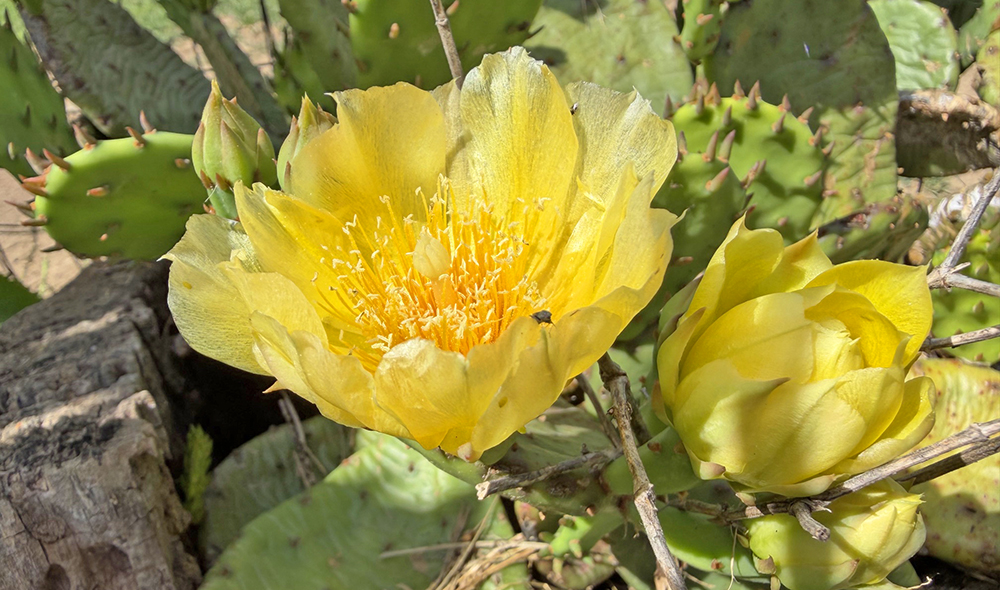
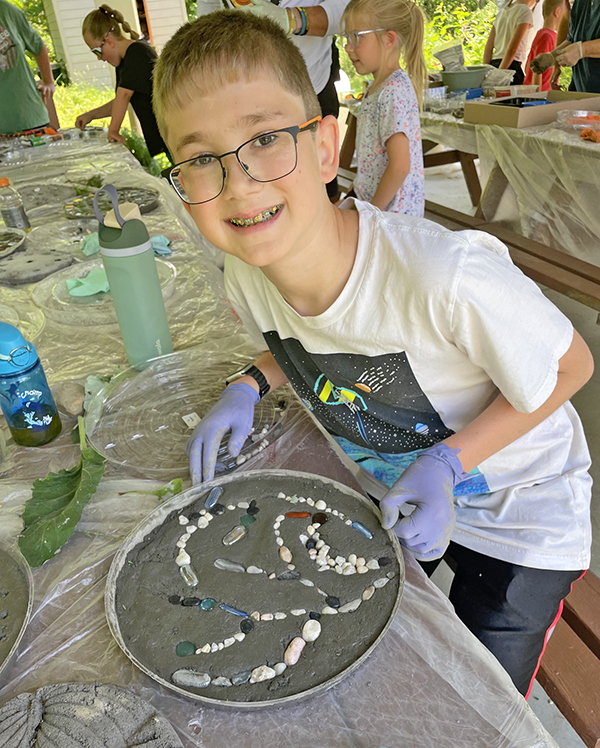
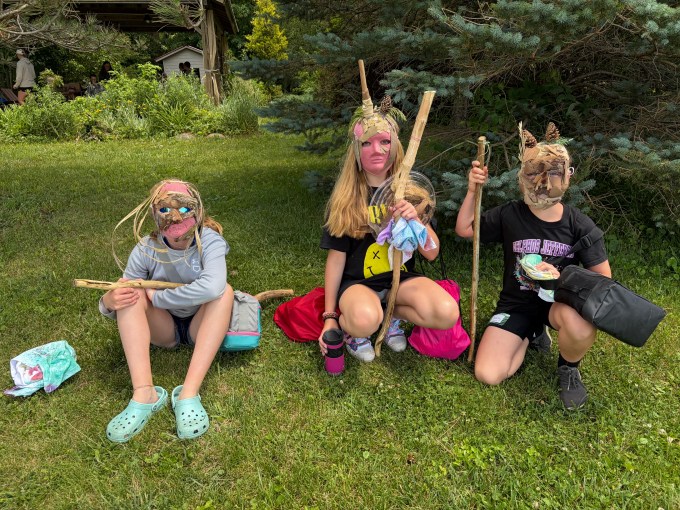
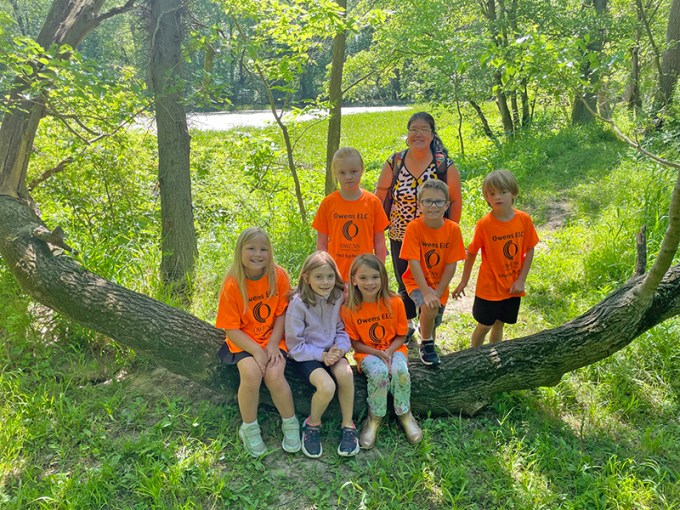
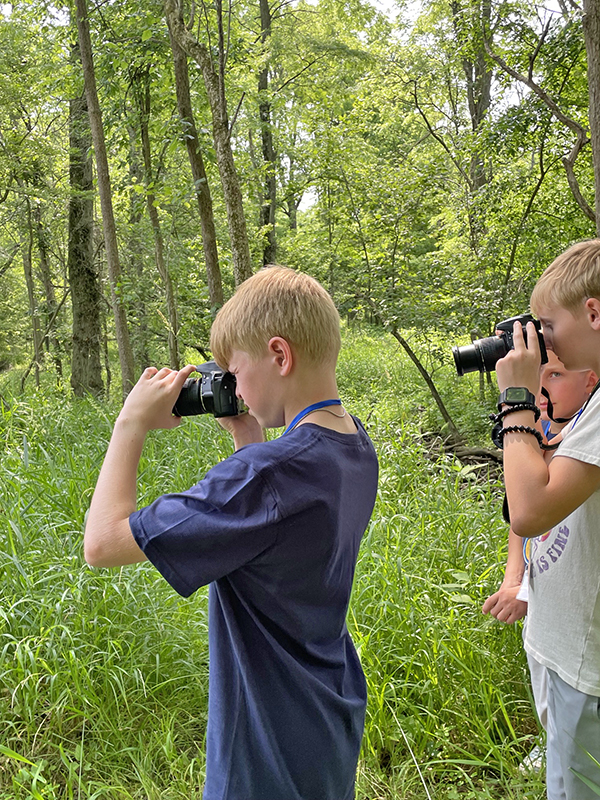
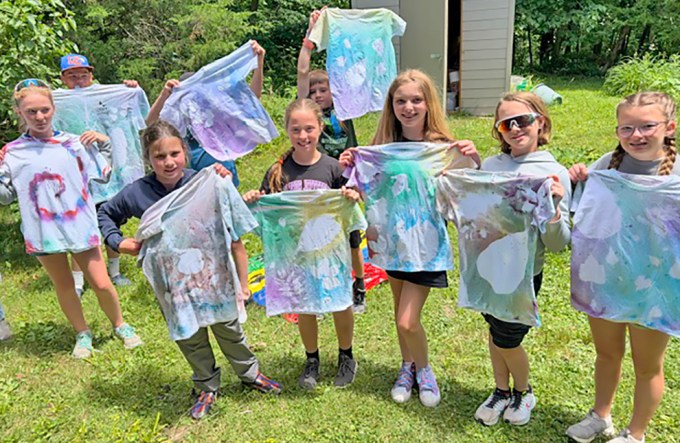
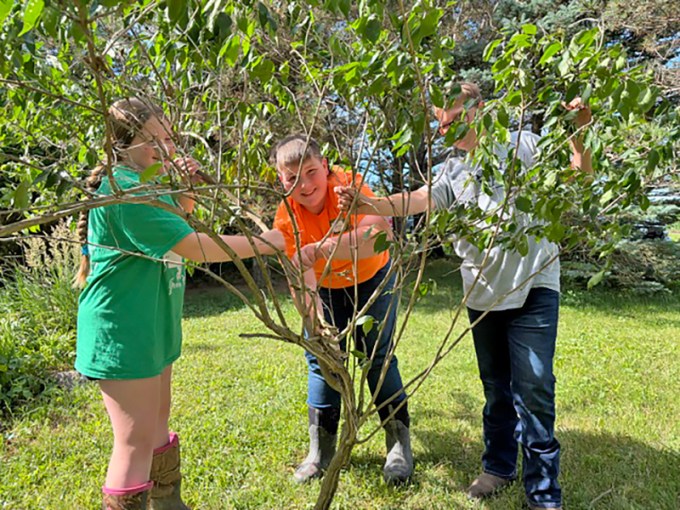
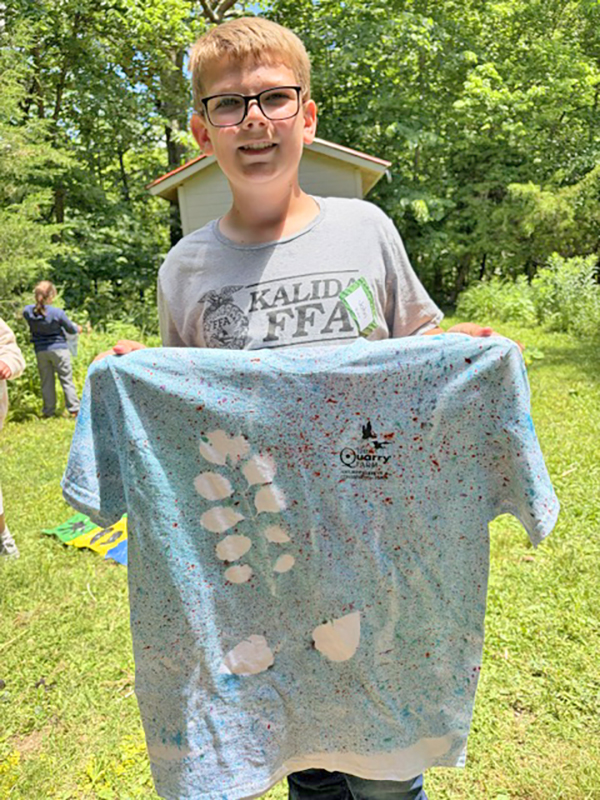
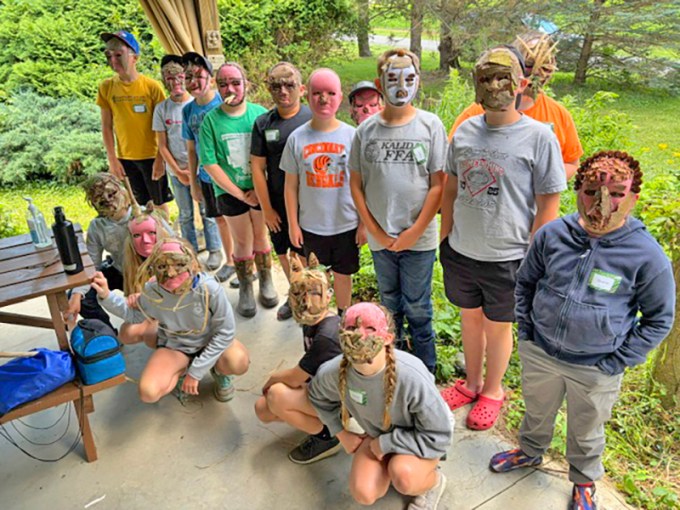
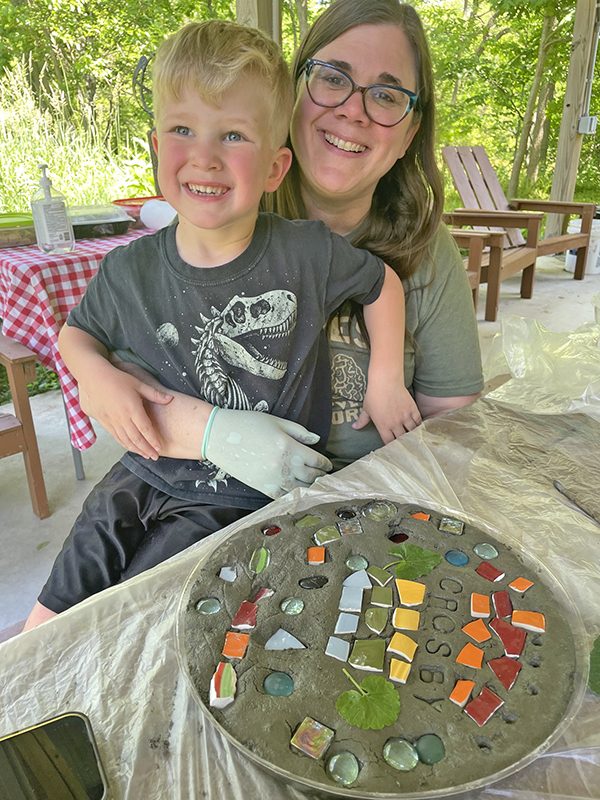
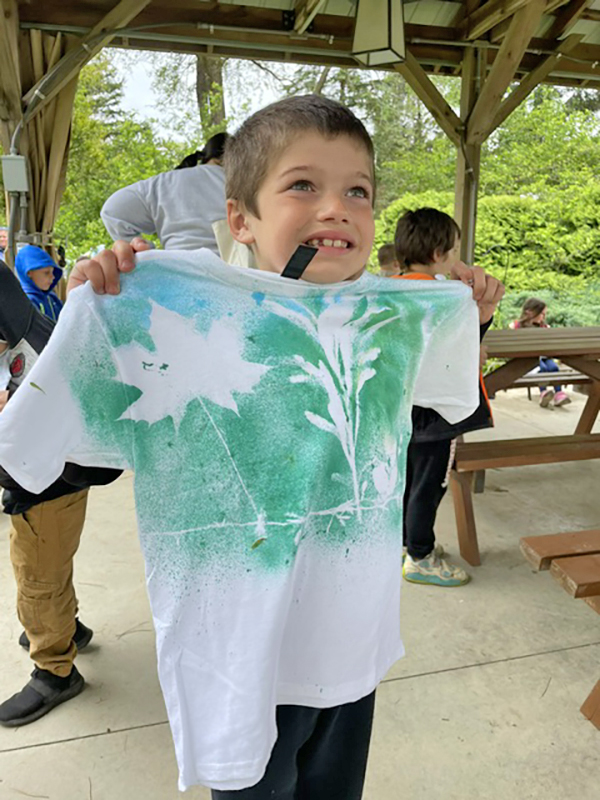
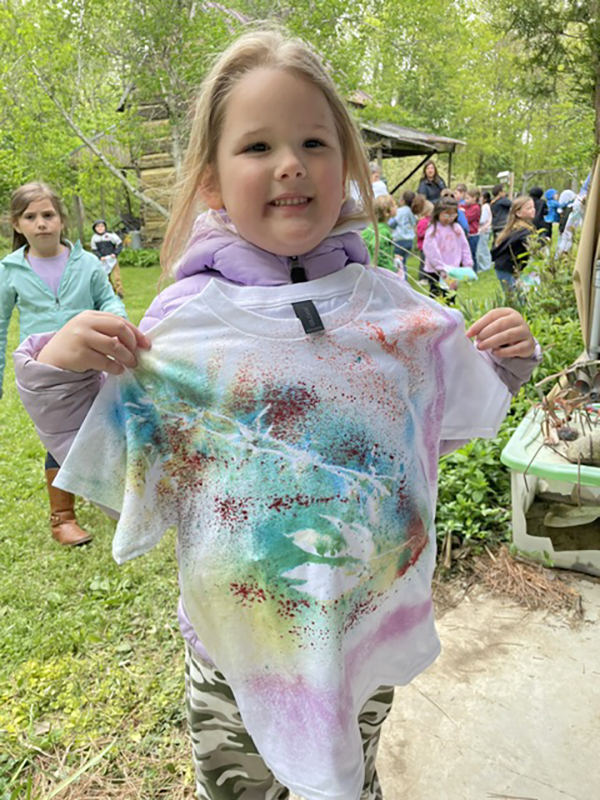
Ohio has the fresh water that California and other states covet. While we were away, our part of home received lots of rain. The vegetable garden sprouted. The Prickly Pear Cactus bloomed. The lush green that we returned to was a sight for sore eyes. The birds here squeal, chirp, and warble under cover of glossy leaves fully veined with moisture. Some show their Springtime faces long enough for Deb Weston to take photos of them. There is a skunk that sometimes joins her on the nature preserve trails. Ottawa Elementary students and Owens Community College Early Learning Center collected some of the green leaves and grasses to paint shirts with rainwater and Rit Dye. Findlay Art Camp walked the trails, took photos, and planned art projects on the trails and in the pollinator gardens. Putnam County students mixed water with vinyl patch to create steppers. Cranberry Run was full and flowing for the Putnam County Educational Service Center Summer Camp. Campers did their annual wade through the Run after hiking with honeysuckle staffs and making t-shirts and bark masks.
Last week, I visited Fort Wayne’s Foellinger-Freimann Botanical Conservatory. While others lined up to watch butterflies strain their net enclosure, I enjoyed the Desert Garden. I don’t know that I would have prior to hiking in Central California, across the sandy fissured trail of Tamales Point and appreciating the riotous succulent walled yards in Seaside. Almost every inch of California coast that we hiked, from Carmel north to Inverness, was draped in blue sky and rolling Reseda Green beauty and a wild salted Pacific. It is a different color palette for this Northwest Ohioan. A young Californian boy who was volunteering at a park restoration event overheard me say that I was visiting from Ohio. “I love Ohio!” he exclaimed. Back home, I breathe in waves of rain on this June night and know that I do, too. This place is worth staying home (most of the time) and fighting for.

