Just add fresh water

Last month we flew over Kansas on a flight west. As the plane passed over the western part of the state, we noticed big swaths of charcoal land, many field acres still actively burning. You could see smoke rising from 30,000 feet above. Cousin Mark sent me a link to an article about those fires and subsequent evacuations. A few days later we scouted for breakfast before tidepooling at Point Lobos State Nature Preserve in Central California. There was a light mist and maybe one or two drops that landed on skin. I commented to the coffeeshop owner that rain was forecast. He said, “It is raining.”
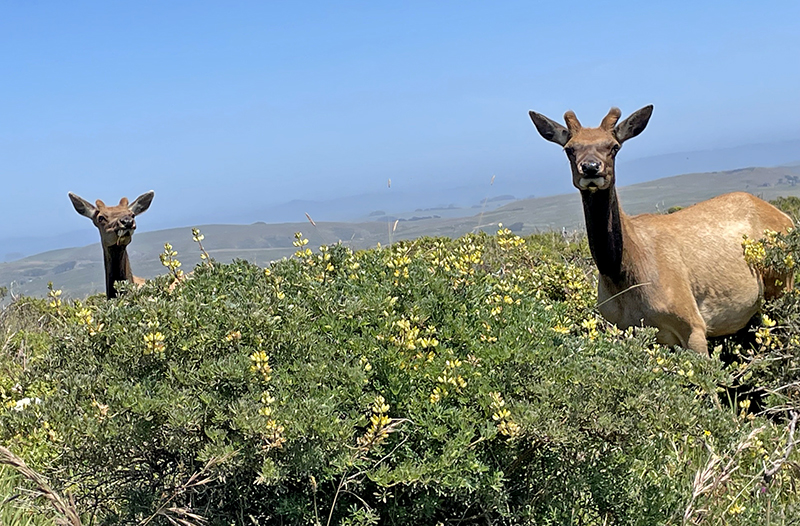
Tule Elk at Tomales Point, Point Reyes National Seashore

We drove between the Coastal Ranges where the vegetation of the subranges indicated quite clearly which would climb fastest on the posted fire-risk meters. The western-most subranges were dotted with green, even on the slopes with their back to the Pacific Ocean. To the east, the mountainsides were golden straw grasslands. The region’s native Monterey Pines and coastal willows bore burn scars but survive in their respective microclimates. Flowering radishes and other agricultural escapees are subject to rapid burning while native California Poppies, Seaside Daisy, Coast Indian Paintbrush, grasses and sage brushes step in reclaim their footing through intense restoration efforts. I was excited to see Ice Plant covering sand dunes. flowering pink and yellow. You can buy this succulent here in pricey greenhouses. Then I found out that Ice Plant was introduced to Central California for erosion control. That effort didn’t work and now Ice Plant is a west coast scourge. We have introduced aggressive Amur Honeysuckle; they have Eucalyptus trees that explode in wildfire events. We both have Poison Hemlock.
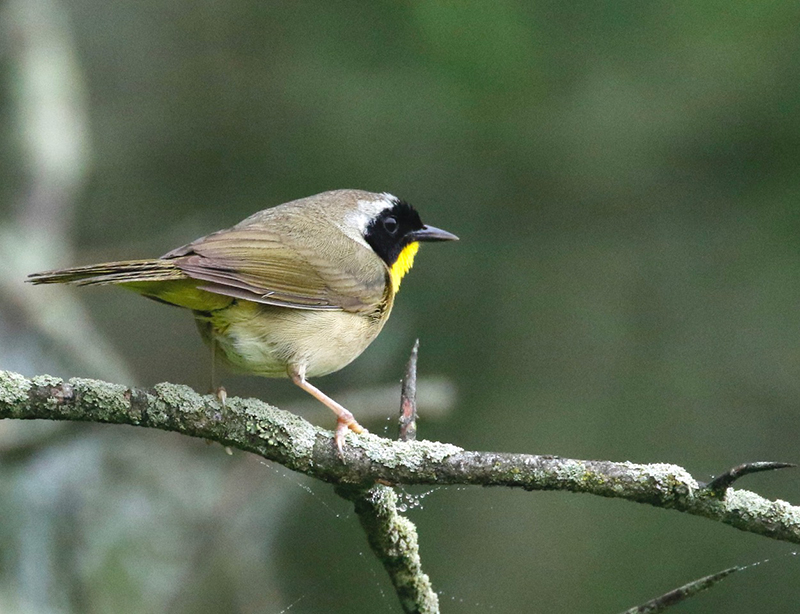
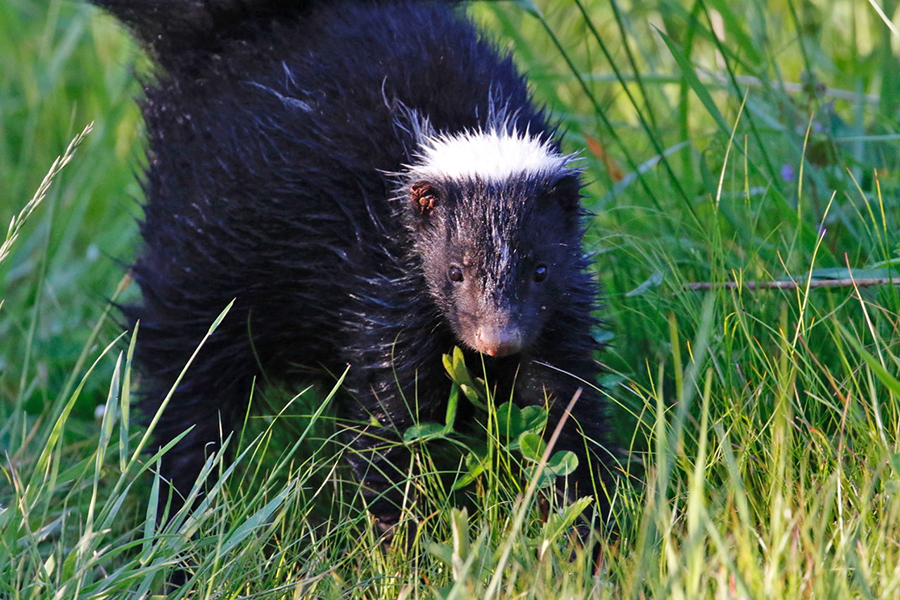
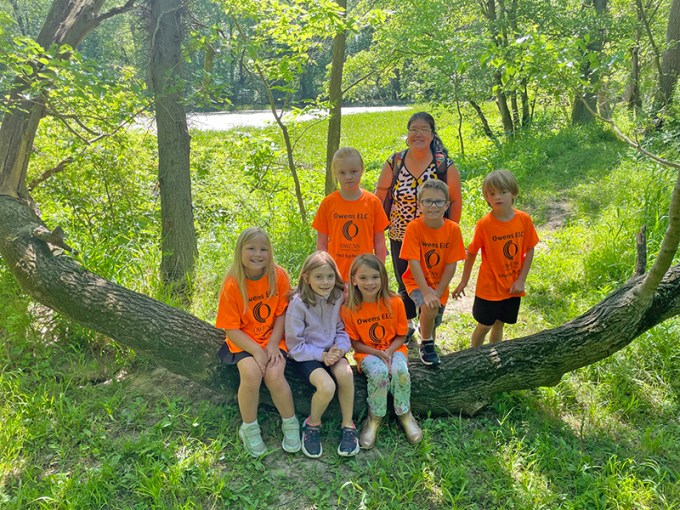
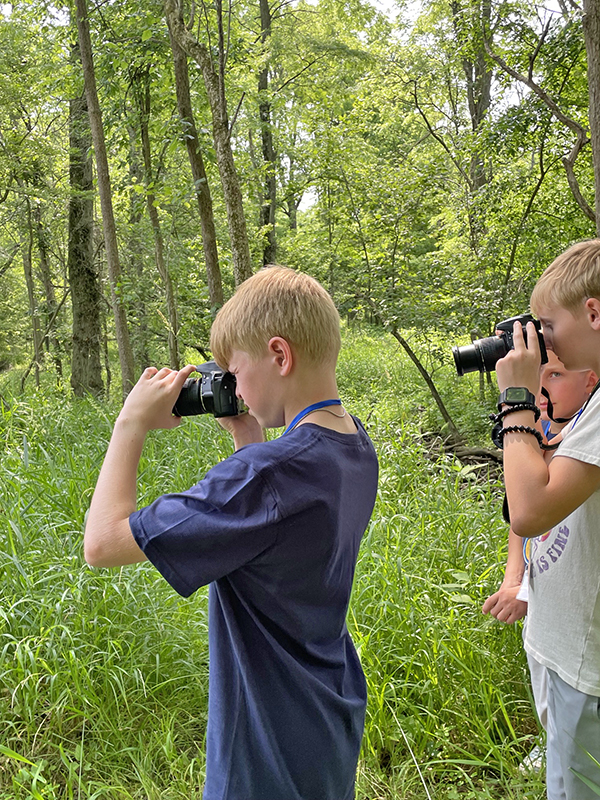
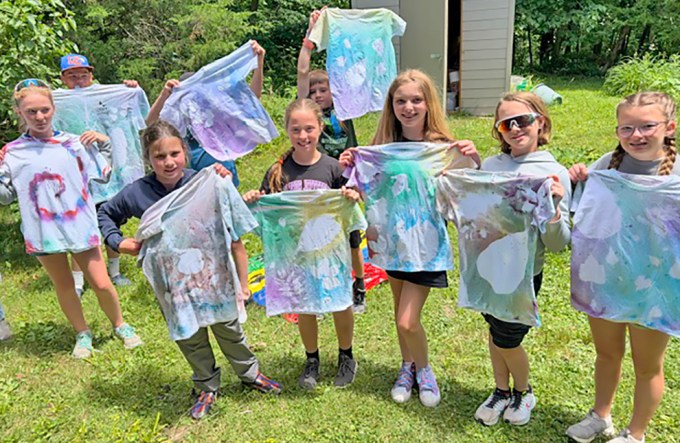
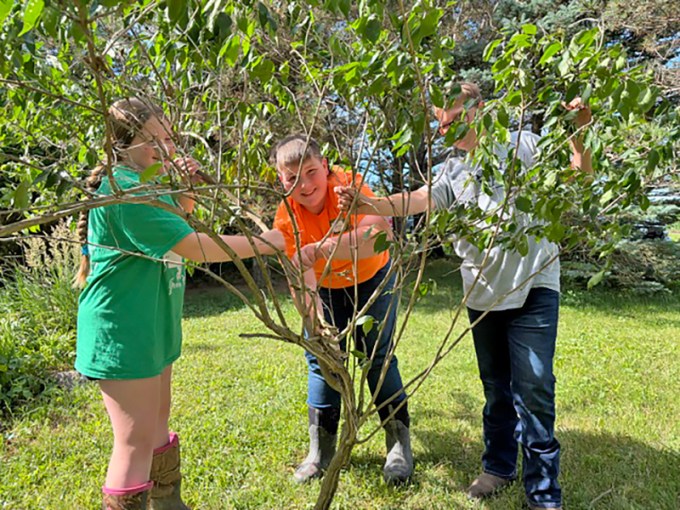
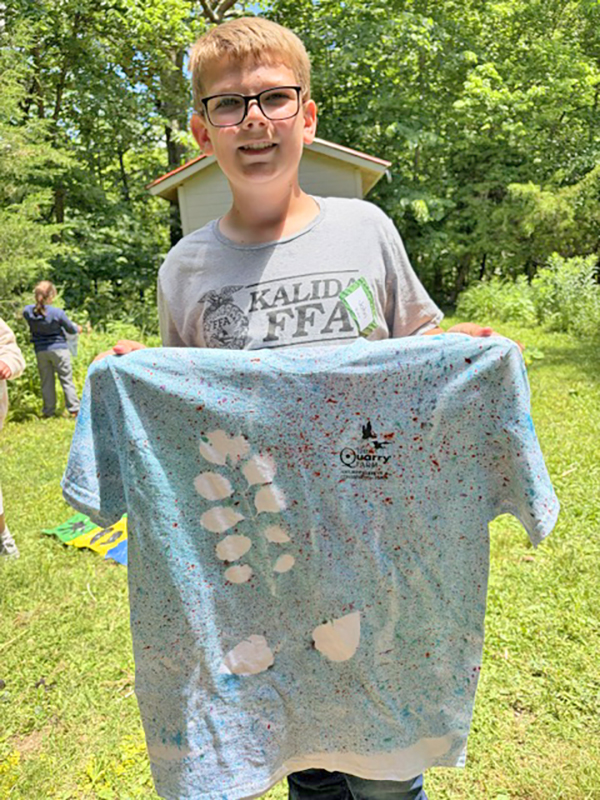
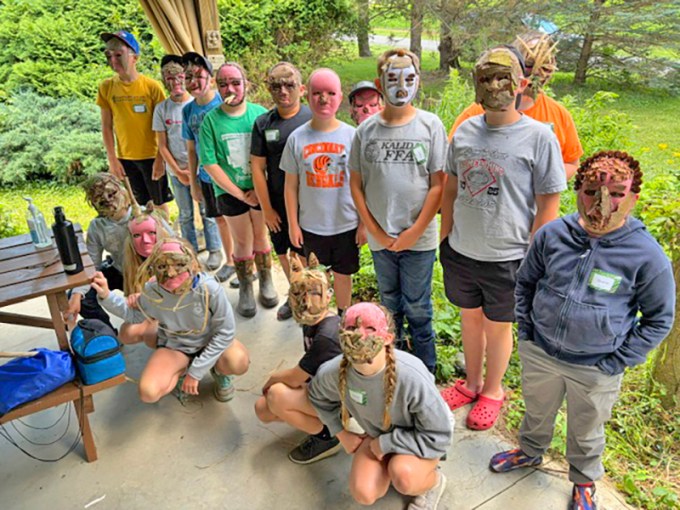
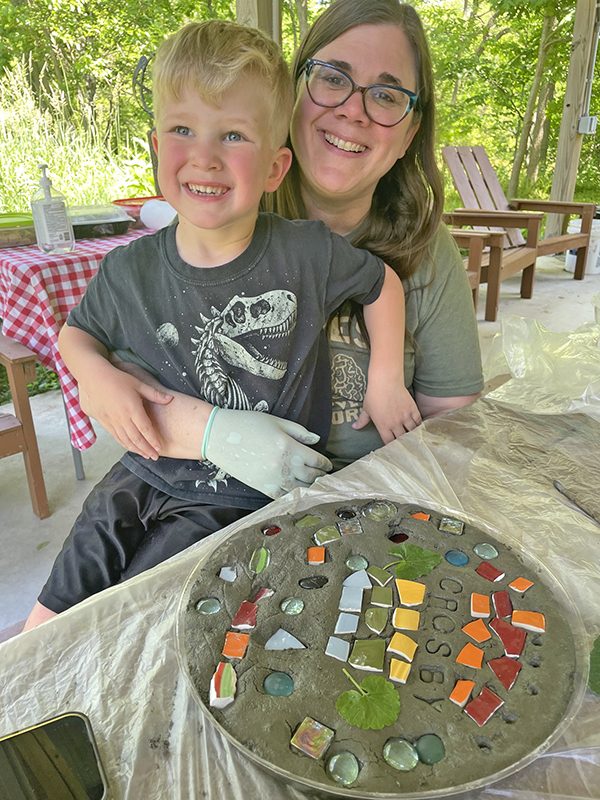
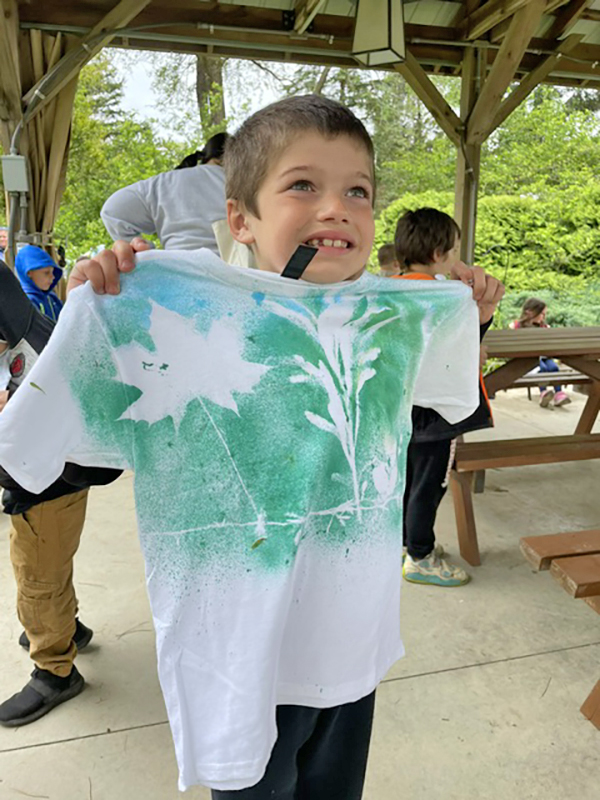
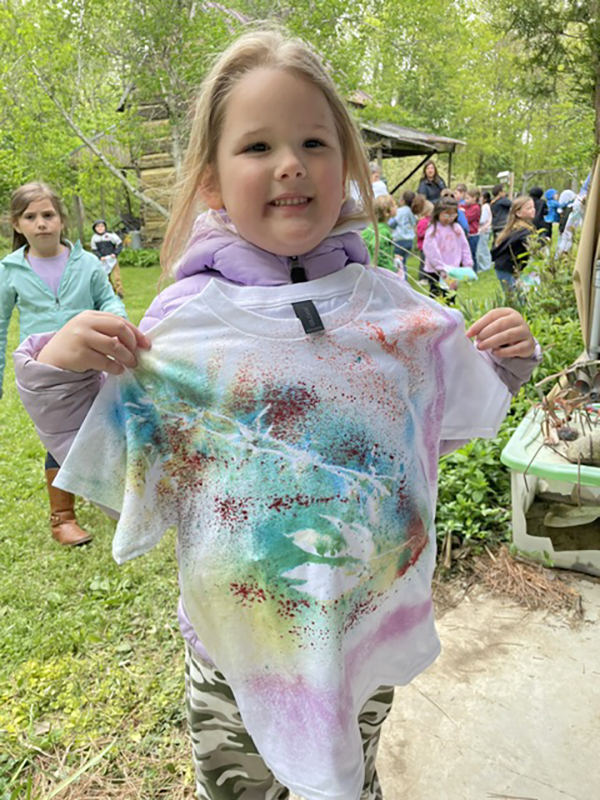
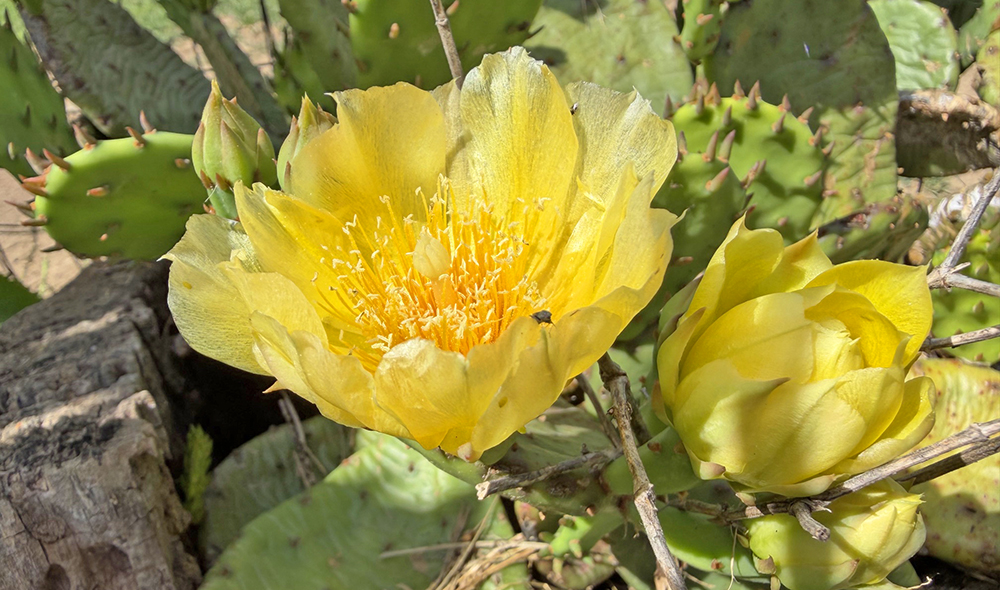
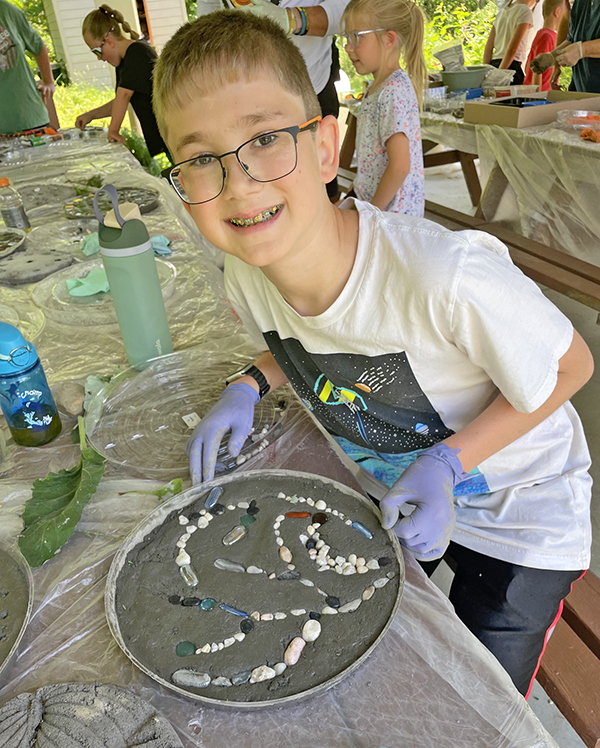
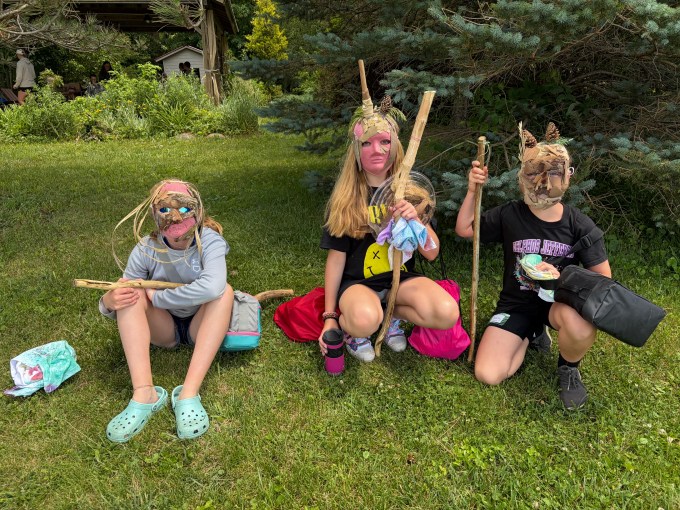
Ohio has the fresh water that California and other states covet. While we were away, our part of home received lots of rain. The vegetable garden sprouted. The Prickly Pear Cactus bloomed. The lush green that we returned to was a sight for sore eyes. The birds here squeal, chirp, and warble under cover of glossy leaves fully veined with moisture. Some show their Springtime faces long enough for Deb Weston to take photos of them. There is a skunk that sometimes joins her on the nature preserve trails. Ottawa Elementary students and Owens Community College Early Learning Center collected some of the green leaves and grasses to paint shirts with rainwater and Rit Dye. Findlay Art Camp walked the trails, took photos, and planned art projects on the trails and in the pollinator gardens. Putnam County students mixed water with vinyl patch to create steppers. Cranberry Run was full and flowing for the Putnam County Educational Service Center Summer Camp. Campers did their annual wade through the Run after hiking with honeysuckle staffs and making t-shirts and bark masks.
Last week, I visited Fort Wayne’s Foellinger-Freimann Botanical Conservatory. While others lined up to watch butterflies strain their net enclosure, I enjoyed the Desert Garden. I don’t know that I would have prior to hiking in Central California, across the sandy fissured trail of Tamales Point and appreciating the riotous succulent walled yards in Seaside. Almost every inch of California coast that we hiked, from Carmel north to Inverness, was draped in blue sky and rolling Reseda Green beauty and a wild salted Pacific. It is a different color palette for this Northwest Ohioan. A young Californian boy who was volunteering at a park restoration event overheard me say that I was visiting from Ohio. “I love Ohio!” he exclaimed. Back home, I breathe in waves of rain on this June night and know that I do, too. This place is worth staying home (most of the time) and fighting for.
A winter newsletter gathers moss

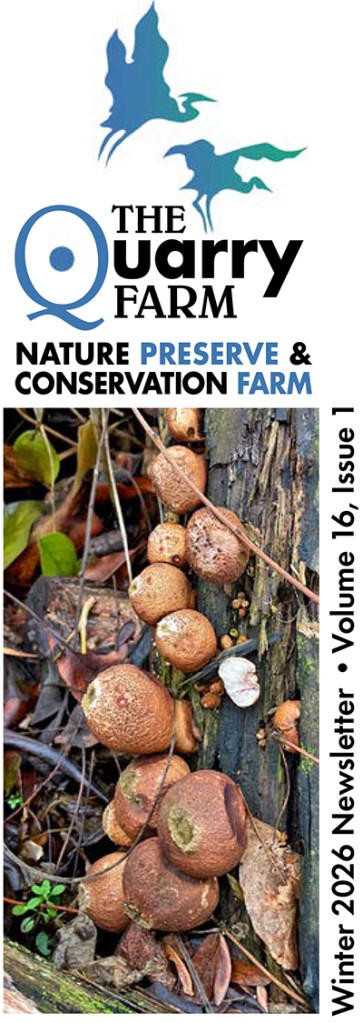
Truthfully, this Winter 2026 newsletter doesn’t include any moss. Click on the cover to download to the left to see what we did have room to include. The beauty of a blog is that there is room to add those photos and finds that don’t fit on a 2-sided, 11 x 17 piece of paper.

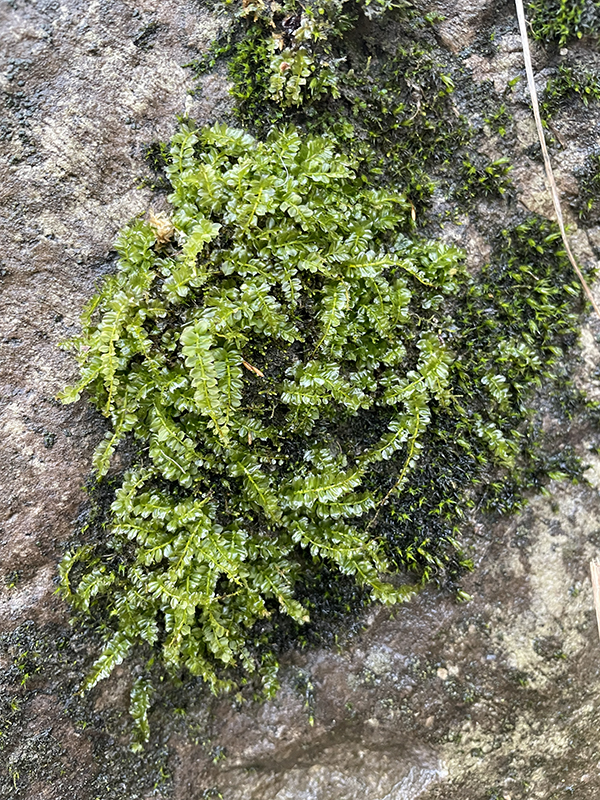
There is finally water in Cranberry Run after a drier-than-dry summer and fall. On a walk to treasure the leaf-tannin-rich flow, we saw a lovely quarry boulder sporting a moss that we hadn’t seen before. I turned to Bill Schumacher, former neighbor-over-the-creek and current mosses, lichens, and liverwort expert. Although Bill is busy with a water quality project in Bangladesh, he responded generously to my “What is this?”

Plagiomnium cuspidatum

“To confirm definitely would need to look at myself. But this one it looks to me like Plagiomnium cuspidatum (woodsy thyme moss or baby-toothed moss). Note the oval shape of the individual leaves. It has a costa (midrib) that goes to the top with a pointy end outside the leaf.  Also, the leaf should be toothed in the upper half but not in the bottom half. Plagiomnium cupidatum is a common moss that is in the woods and by the creek.  I saw quite a bit of it when we did the moss survey on The Quarry Farm.  Although common, it is one of my favorite mosses.  Think it is very beautiful, and greatly accentuates the forest system.”

Different stripes

There was an outdoor art festival on the shore of Lake Erie last weekend. The show was one with a 20-year history and inexpensive. The latest round of tariffs had plunged the S&P so we had no expectations for sales. However, we had the tent, framed pieces and prints, and a need to get away for a bit so we packed up and drove north. 

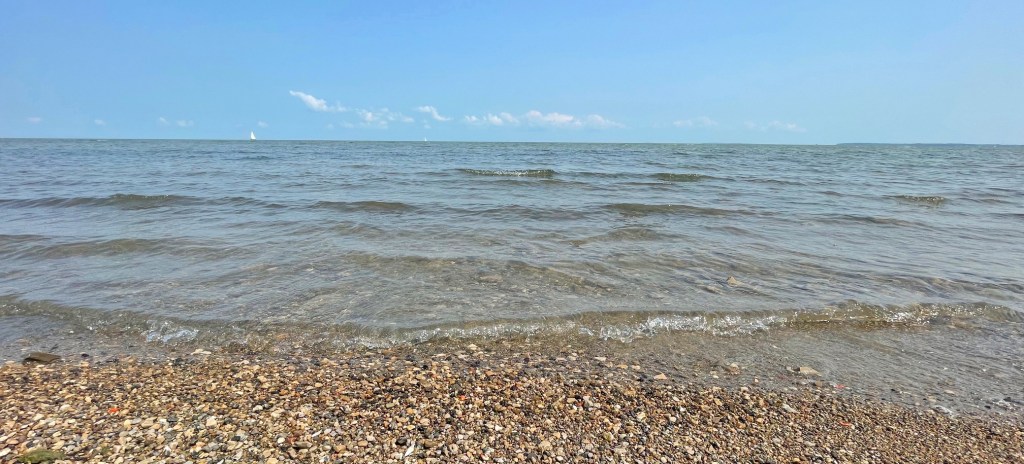
Except for smoky wildfire haze, the weather was lovely for August in the Midwest. Gulls and a pair of bald eagles cased the shoreline. White caps rolled, keeping the beach closed to swimming but open to big boats in full sail. A steady stream of people perused the festival, eating expensive flavored ices and walking major four-legged investments. I made the mistake of asking a man if his dog was a Brittany Spaniel. He looked at me like I had dribbled ketchup in his latte. 

“She is actually an Aussie.” I apologized, muttering something about just noticing the blue eye and freckles on her nose and wondering what was offensive about having a Brittany Spaniel even though they are not currently a trendy breed. There were Dachshunds, French Bulldogs, Golden Retrievers, a Great Dane, a Greyhound, a Jack Russel Terrier, Cavalier King Charles Spaniels, Corgis, Lhasa Apsos, Chihuahuas in strollers and backpacks, and many more Aussies. The only dog that was in the middle of one minor altercation was the Jack Russell. Steve and I laughed about how the two country canines in our family would (not) behave in a crowd. And we loved on the one mutt that we saw during the two full days at the lakeside.

Please don’t misunderstand me. I adore dogs of all stripes and spots. Just as there are with humans, there are jerks in the canine club. But by and large, dogs are open and honest with their feelings. Animal shelters are full of purebreds as well as mongrels, all in need of love and good, forever homes. There is a rescue for every breed.

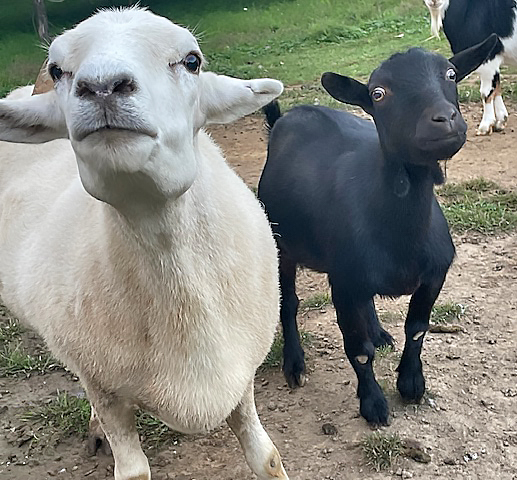
When we got home Sunday evening, we took a few minutes to listen and watch the variety of stripes and spots that mark the furred and feathered ones that share The Quarry Farm. We always do after being away for a time. There are mixed breeds and purebreds in the pastures and trees. Some are clearly of a certain pedigree, with the scripted markings, structure and gait of textbooks. Four of the goats faint when startled. Their limbs lock, sometimes causing them to fall over until blood flow returns. When this happens, the muttier goats stare at them and walk away. Some are “fancies” without the proper trimming, like Sidney the Silkie Rooster who lacks the curly feathered feet of snowbirds. Thank goodness for this because those luxurious boots bog down in weather and prevent the birds from walking. Bare-booted Sid is a fast force to be reckoned with no matter what the forecast brings.

Genetics is a wondrous field of study. Genetic modification can increase yields, lifespan, ear and nose shape, etc. I planted a golden Coleus in the garden this spring. This morning, I saw that the gold blooms were being replaced by a triumph of its magenta stock. Pockets, a marvelous red, brindle and white rooster of indeterminate parentage strutted through the plants on long, strong legs while Patches the Cow Goat (so named because he looks like the offspring of Holstein cow and a Nigerian Goat) munched on spent snow pea vines. 

Humans can play. Nature always finds a way.