Little feet feats

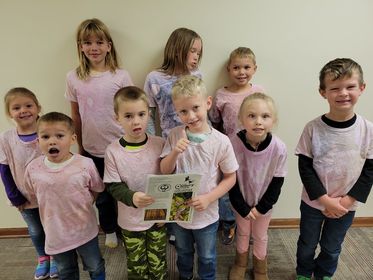
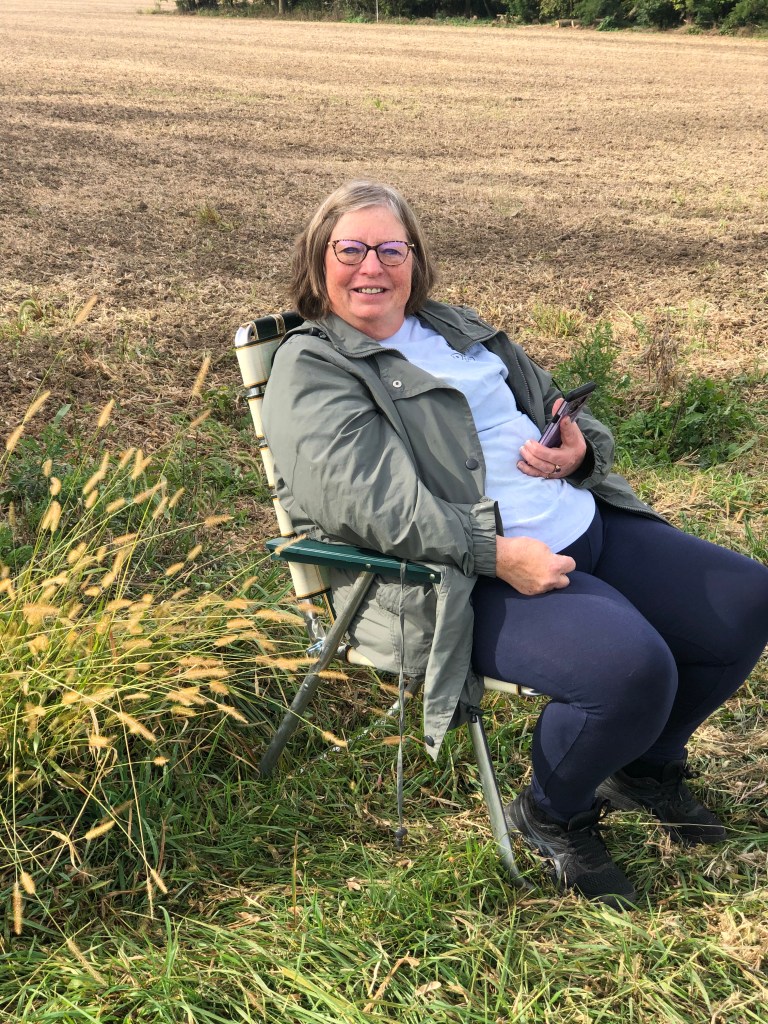
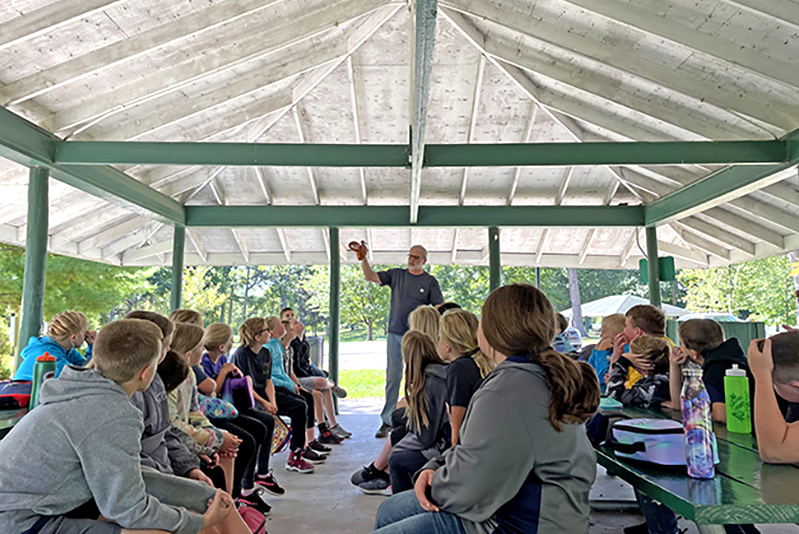
A homeschool group from the Pandora area came for a hike, black walnut tasting, and some good tree sitting.

The final (at least the last scheduled) fall field trips drove away this week. Each offers its own teachable moments. As I stood at along the front fence of the farm animal sanctuary with a preschool group from Dupont, one of the smallest boys stopped and called, ”Soo-wee! Soo-wee!” in hopes of calling forth pigs. I puzzled over that, wondering why he would think they would come.

“Um, that’s not going to work. They’ve never heard that before. Call them by name. Try calling Nemo, Beatrice, Bob…”

Adults might have been offended. Heck, I probably would have. After all, we are all told that turkeys gobble, donkeys hee-haw, geese honk, and pigs come running when you shout Soo-wee. That little guy never stopped to take a breathe before he called to Nemo and she trotted up and over the hill followed by Beatrice and Carlton. Clive, a much more cautious pot-belly, watched from a distance in the southern area of the pasture.

“What’s his name?” asked the boy.

“Oh, that’s Clive. But he won’t come. He’s very shy about people.”

“CLI-I-IVE!” called the small young voice of optimism. Here came Clive. The boy asked if Clive would eat the mint leaves that the boy had collected in the garden. I said no. But what do I know? Clive took it gently between his tiny front teeth, then allowed the boy and several classmates to pet his tufty fur.

Just when I’m feeling all wise and knowledgable, something raises a metaphysical eyebrow in my direction and suggests eh, maybe not so much.

R

5K 2021

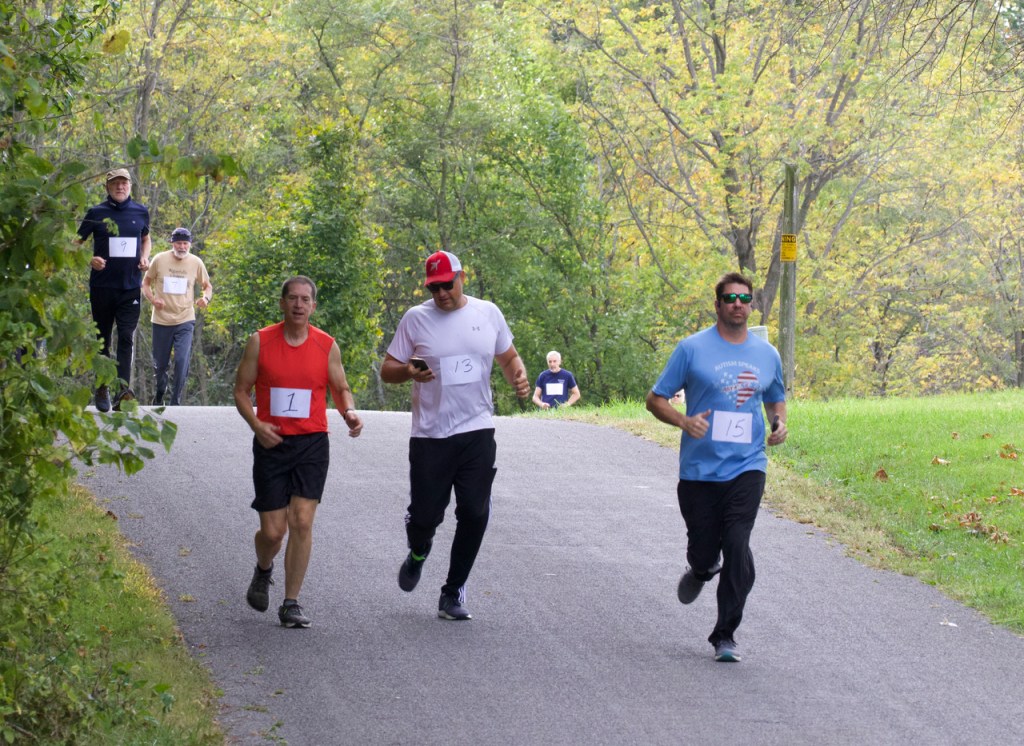
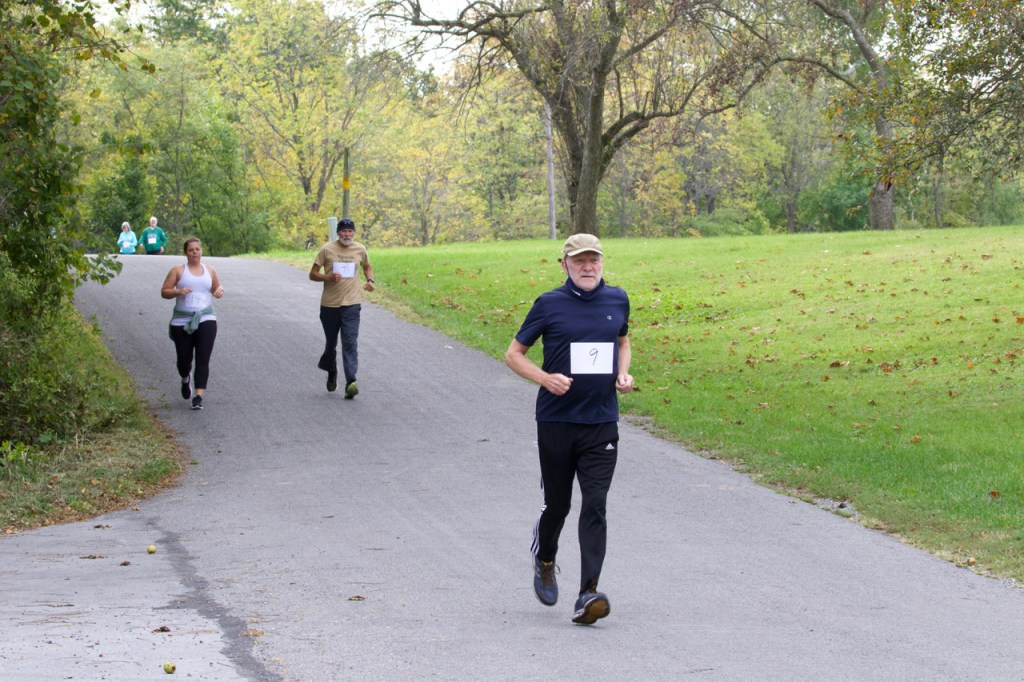
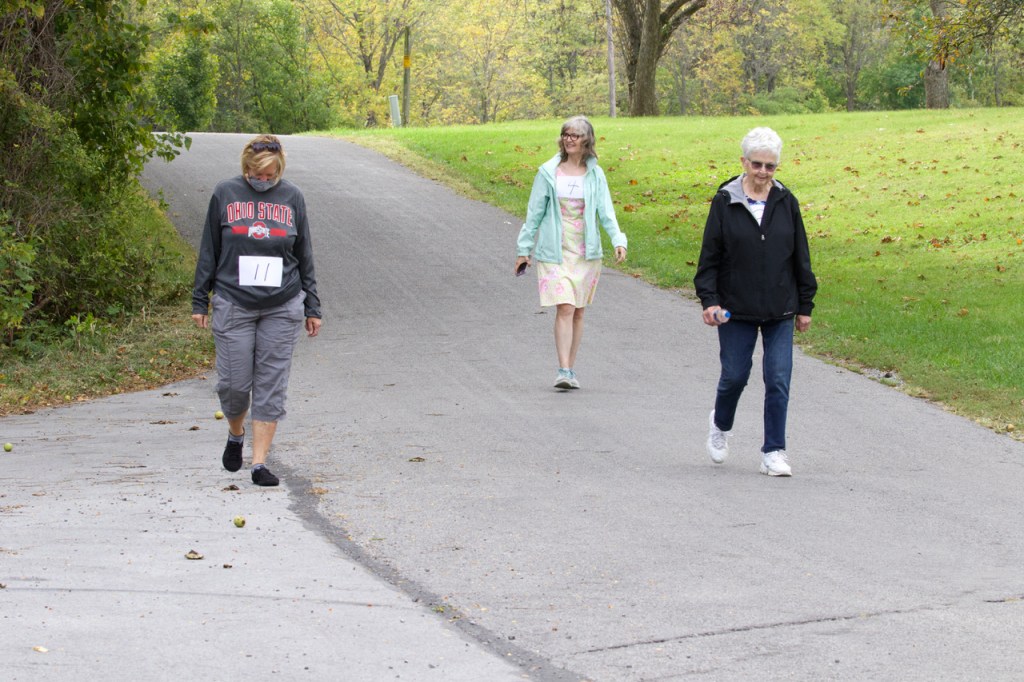
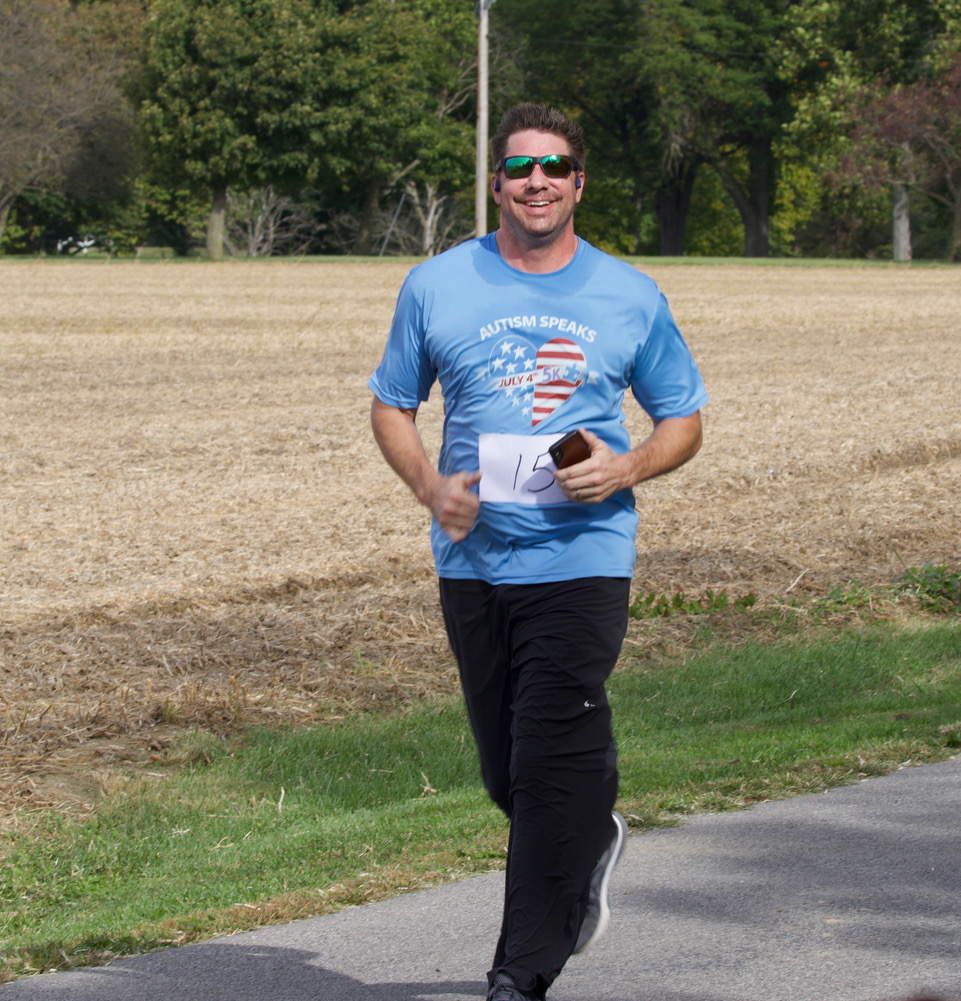
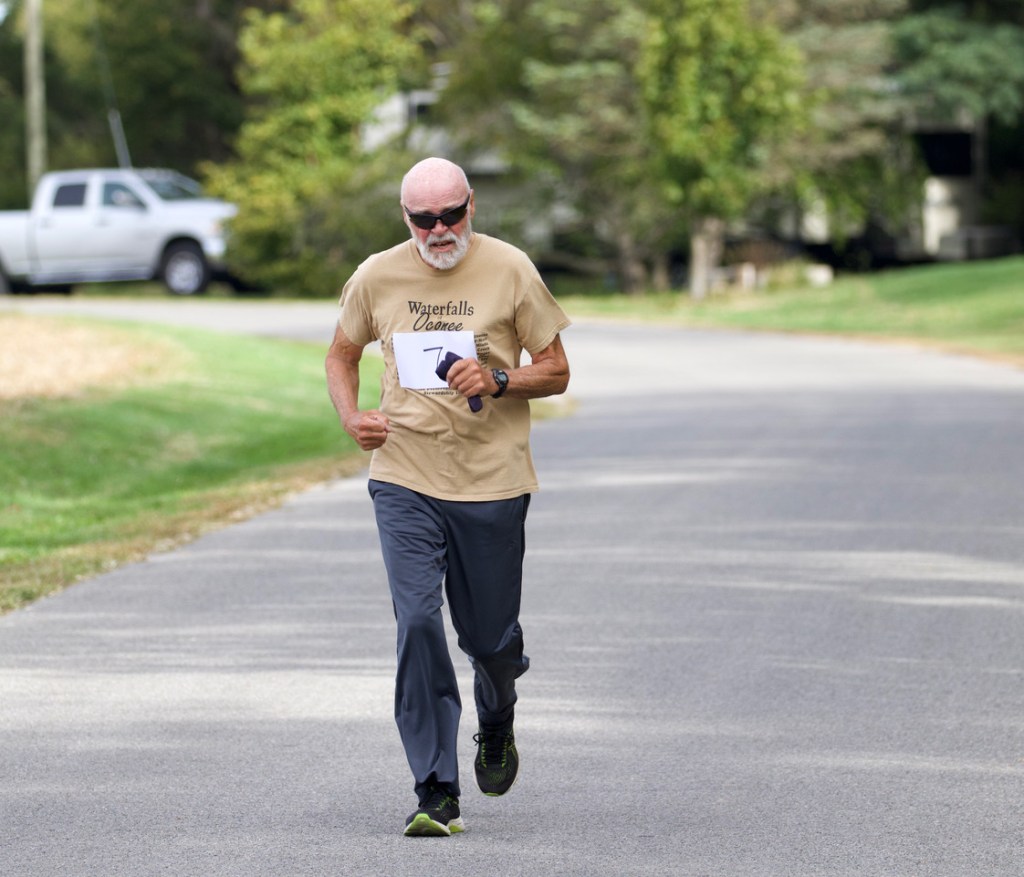
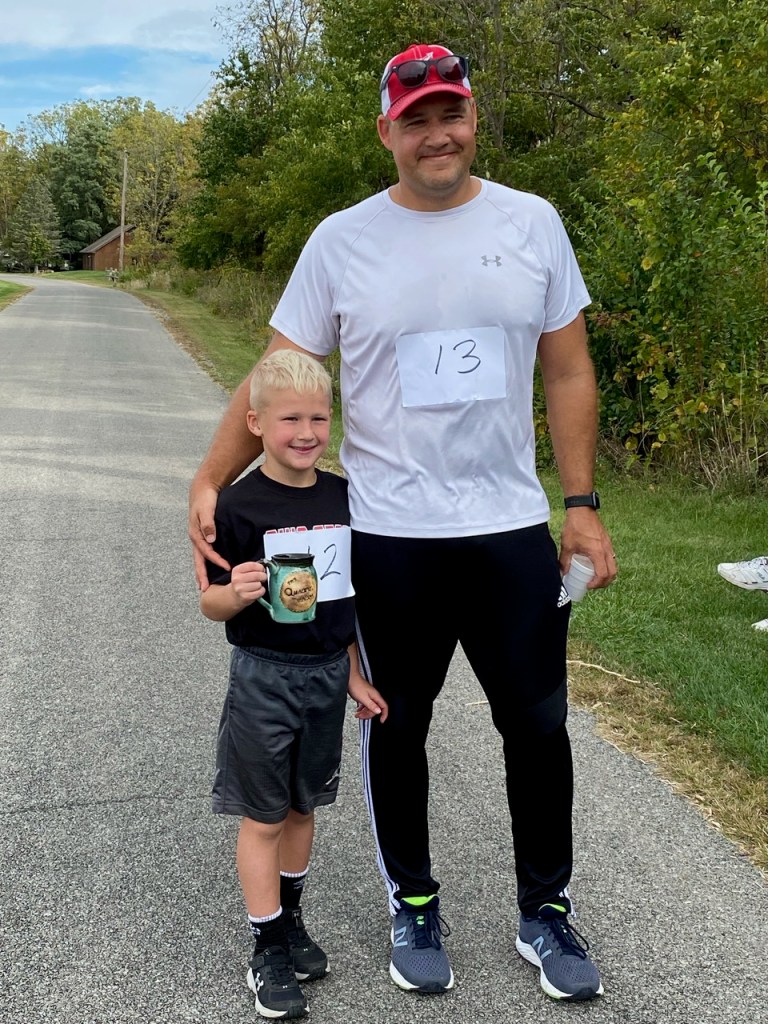
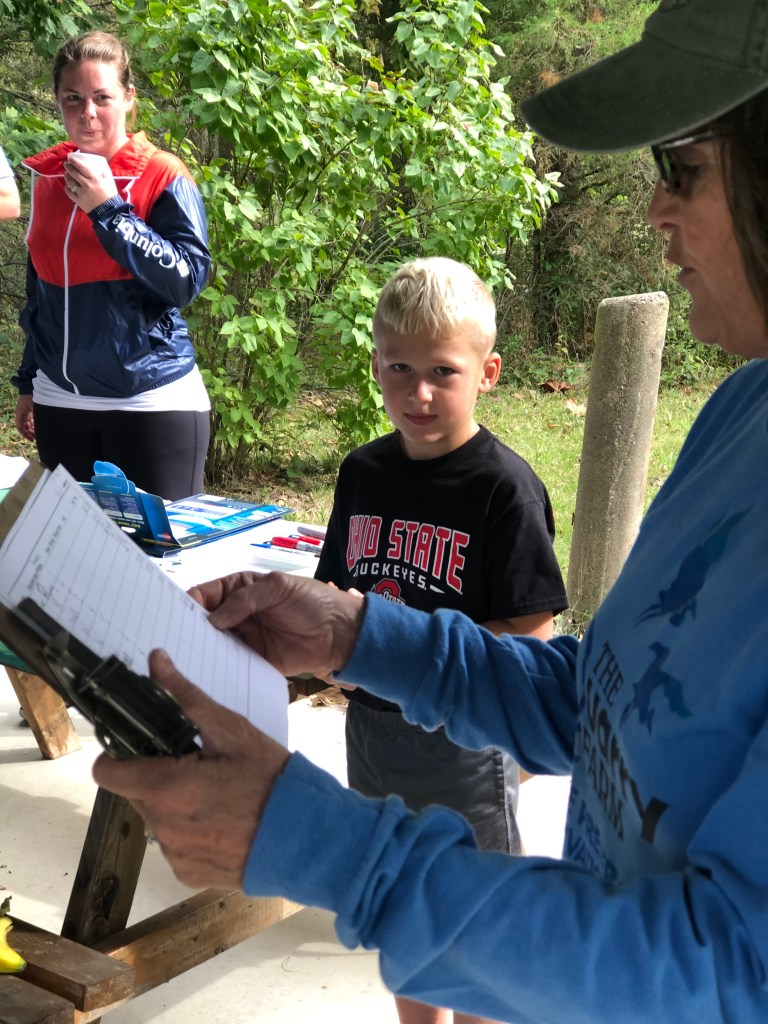
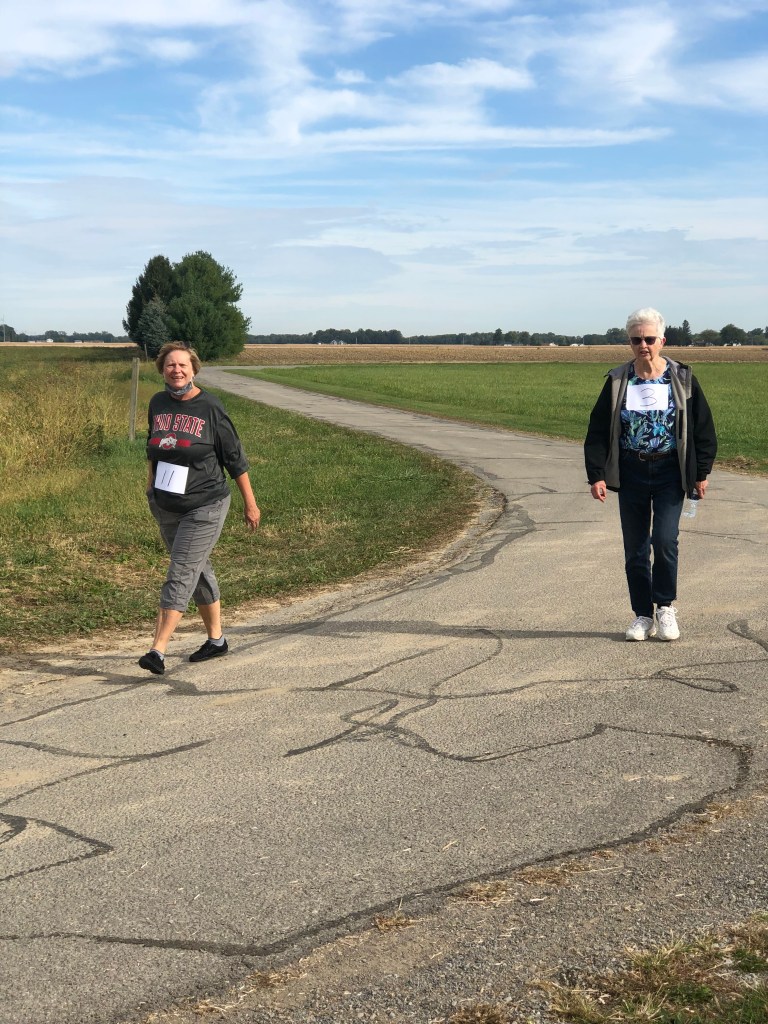
This morning at 10 a.m. EST, skies were blue and a west windy breeze made for good running/walking conditions for this year’s Quarry Farm 5K. Participants passed Birder Deb who played the theme from Rocky at the Mallaham Bridge. They navigated through one goodly gust of soybean dust kicked loose from a harvesting crew, turned around at the halfway point where Rita called out split times, then returned to cow bells at the finish line.

FIrst Run Finish, Men: Frank Ordaz
First Run Finish, Women: Erin Firch
First Walker Finish, Men: Jay Shapiro
First Walker Finish, Women: Lois Seitz
First Child Finish: Titus Haselman
First Team Finish: Lois Felkey, Phyllis Seitz, Susan Seitz

There is rain this afternoon to tamp down the bean dust. Still a few oatmeal/white chocolate/dried apricot cookies, too (but not many). Much thanks to everyone who came out in support of a beautiful day and what we do.

Opossum and Snake Go to School

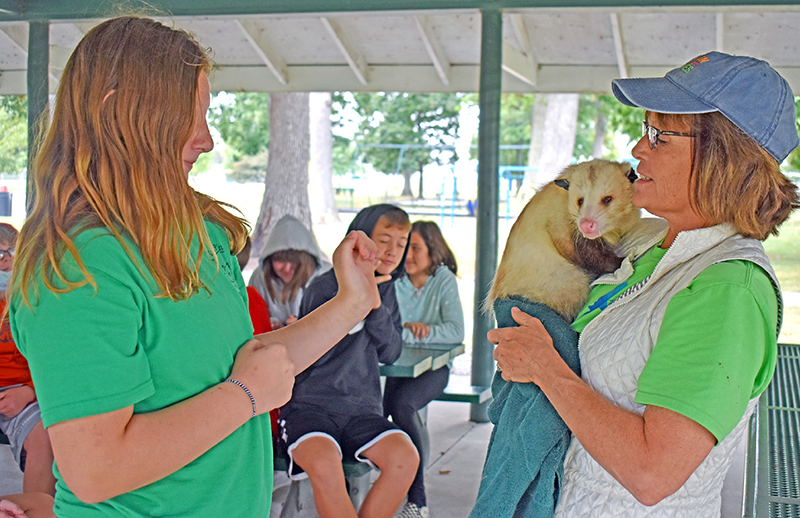
Tyree the Red Rat Snake (also called Corn Snake) and Sean the Virginia Opossum starred at the Wildlife station at the 49th Annual 5th Grade Conservation Tour in September.

Every now and then someone tells us about the Virginia Opossum that has lived under
their porch for years. If there is one thing that we learned while volunteering with
Nature’s Nursery Center for Wildlife Rehabilitation and during the years following is that
these individuals are probably not the same Virginia Opossum. While getting to know
educational ambassadors for this fascinating species, we have discovered that they are
nomadic creatures, moving from place to place to eat whatever they find in their path and
sleeping in the most convenient dry spot when they need to. Combined with the fact that
Virginia Opossums only live for two or (maybe, if we’re lucky) three years, the animal that
people see around their porch from year to year is actually a parade of several of North
America’s only member of the marsupial class of mammals.

Did you notice that I said “if we’re lucky”? There are a lot of reasons that it’s a great thing
to have Virginia Opossums around. These free-ranging omnivores consume a varied diet
that includes plant material, grasses and leaves, grains, fruits, carrion, snails, slugs, worms,
insects, rats, mice, snakes, amphibians, eggs, crayfish, and fish. They are nature’s garbage
collectors. We would be up to our eyeballs in offal without these animals coming and
going. We would also be dealing with more biting, disease-transmitting ticks. Research on
captive Virginia Opossums at Illinois’ Eureka College estimates that they eat, on average,
5,500 larval ticks per week. That’s nearly 95% of ticks that cross their path.

The biggest and best reason that we are lucky to have Virginia Opossums is that we just are…lucky,
that is. They have been around for a very long time—at least 70 million years—as one of
Earth’s oldest surviving mammals. Because they eat almost everything, they are disease-resistant. In fact, they will do just about anything to avoid direct contact. To appear
threatening, a Virginia Opossum will first bare its 50 teeth, snap its jaw, hiss, drool, poo
and stand its fur on end to look bigger. If this does not work, the Virginia opossum is
noted for feigning death (passing out) in response to extreme fear.

Here on The Quarry Farm, we are so lucky to have known a few non-releasable Virginia
Opossums. Sean is the current onsite educational ambassador of his kind. Sean was born
without eyes so can’t properly protect himself from predators. He is also agreeable to
human contact, which is why we have a State of Ohio education permit that allows us
to house him and introduce him to people who want to know more about him and the
world around all of us.