
At the start of the 2000s, after we breached the wave of Y2K and its potential mania, we weathered another onslaught. Well, we did, but not everyone made it through the ride. The farm animal sanctuary was not even a thought and wildlife rehabilitation training was still a phone call away. Instead, we planted 100 trees. Because the trees were small and the ground was traditionally a farmfield, a passerby in his cups mowed all but three of the grassed-in trees down. So we let the turf grow, transplanting native grasses like big bluestem, little bluestem, and switchgrass, all grown and gifted to us by Dennis Seitz. These, as well as wild asters and milkweeds, were slowly outpacing invasives like Canadian thistle. In the meantime, flocks of goldfinches cheered among the purple tops.
The pace wasn’t fast enough. One day, a township trustee arrived with a brushhog. He mowed through the thistle, Steve ran ahead of the blades. Praying mantis, adults and nymphs, clung to his hair, shirt and forearms. He stood in front of the driver, held his mantis-covered-arms aloft, saying, “See this? This is what you are doing.” With one tree still standing, insects and songbirds scattered, the tractor left. One neighbor asked us how this could have happened, here in America. It can and it did and we all lost.
 That was 20 years ago. “Drift Zone” signs populate the neighboring fields. Local nurseries carrying various types of milkweed—and people are planting them. Several neighbors grow almost-acres of native grasses, wildflowers and Canada thistles poke their spiky heads up here and there as the natives are allowed to reestablish. Even so, anger still festers in me, 20 years after we were made to stand by and suffer a fool’s errand. Few mantids have turned their mystic heads my way since then and the goldfinches are still shy.
Today, my mother sent me two photos. A garter snake was soaking up rays on a weeping spruce at Red Fox Cabin this morning. It’s safe on its sunny bed, free from hungry chickens at our end and away from the road’s racing vehicles. The other photo is a mantis nymph, its image captured by Beth Scheckelhoff of Ohio State University’s Putnam County Extension. She saw a lot of mantid nymphs in the gardens above Cranberry Run. This makes me happy—even feel forgiving—though I’ll never forget.
 This weekend is the 22nd Annual Great Backyard Bird Count, four days when, world-wide, people peer through binoculars and add apps to their phones (speaking from personal habit) to help them identify what birds are at their feeders or watering troughs from February 16-18, 2019. I can hear European starlings above our bathroom ceiling, so we started the count right off with that species. We really need to fix the cover on that vent.
 Saturday morning, two Debs, one Maya, one Terry and one Mandy joined in
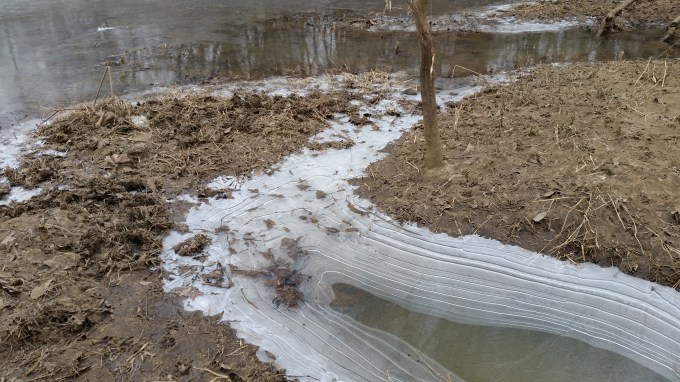
 A dozen squash and a bag of apples are all that remain from the December windfall from Hoehns Orchard. The fruits flash froze in the bed of the Ranger yesterday. They’ll thaw this weekend as temperatures jump from this morning’s -8°F to 52°F on Monday. Buddy and Lucy will love their sweet squashy pudding. Tonight, the geese will scavenge for apple bits after the pigs shred the applesicles.
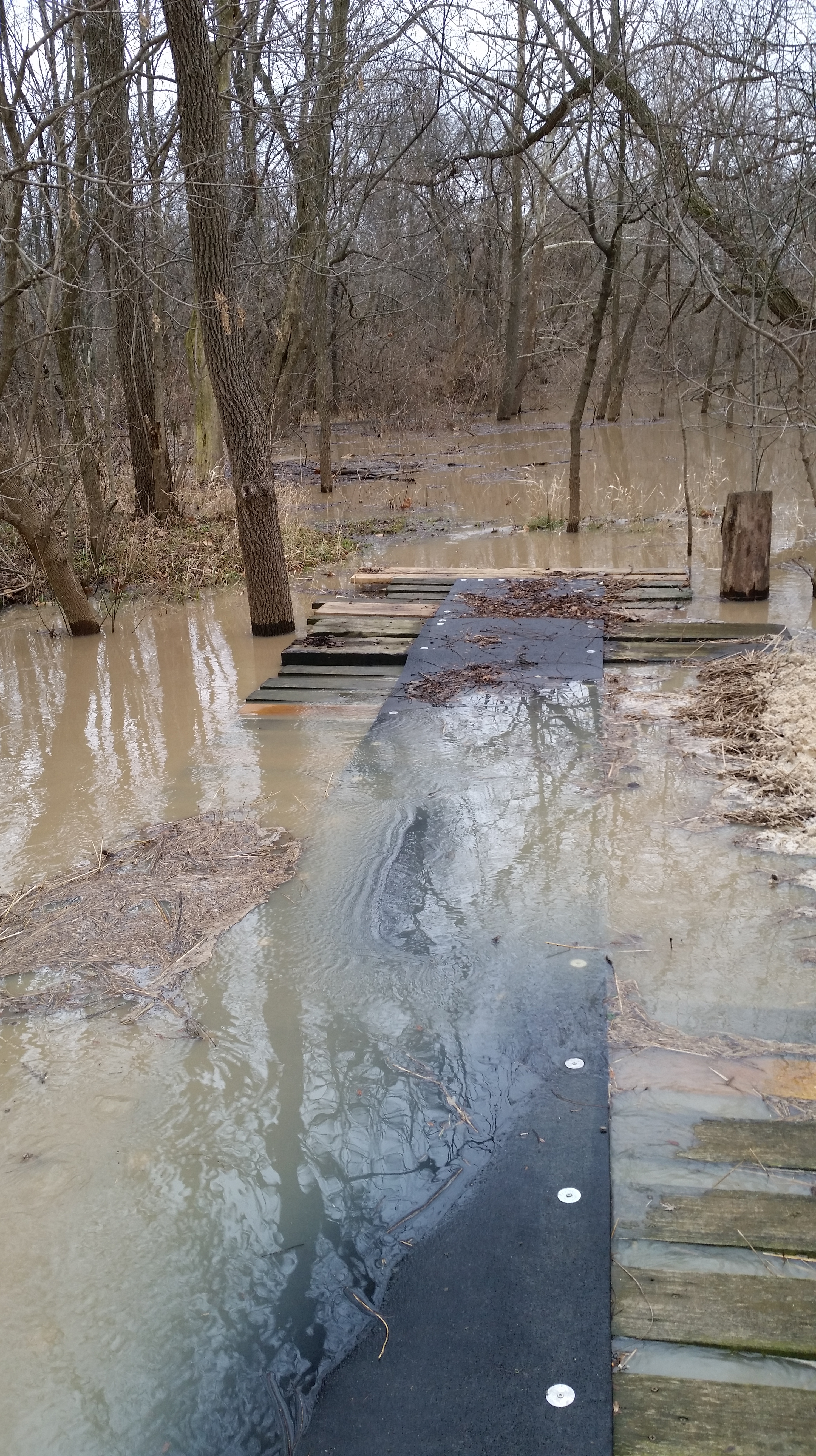
 For 36-hours, the wind bore a topsoil blown from tilled fields to the west, a haze so thick that it coated trees, cars and ground with a gray film. Rays of Wednesday sunrise shown amber. Even with wind chill warnings outside, our boots left muddy tracks in the foyer. I wiped brown frost from the skin left exposed by my face mask. Snow and rain are predicted to wash down hill and stream this weekend.





 Bill took to the increased menu with relish. After a week of antibiotics, he was strong enough to say no way to the syringe. He licked his bucket clean before joining the other goats to nibble tall goldenrod and mulberry leaves in the lowland. But there was more going on inside his barrel chest, after all. Several days ago, Billy couldn’t stand. It took two of us to walk him to a bed under the pines where he could be in shade and good company. Dr. Babbitt was scheduled for a Friday house call. The plan was to fill Bill’s red bucket with taste treats before a final injection and release.
 This is a year of dragons. Saddlebags, skimmers, twelve-spots and white tales dive-bomb the farm animal sanctuary yard, plucking mosquitoes before they latch onto exposed skin. It has been stupid-hot of late, enough to keep the dragonflies under cover at mid-day. But in the evening, their wings shimmer position for hovering and steep dives.


 My ears popped as we climbed out of the Mississippi River Valley and rolled through greening hills and fjords toward Rice County, Minnesota.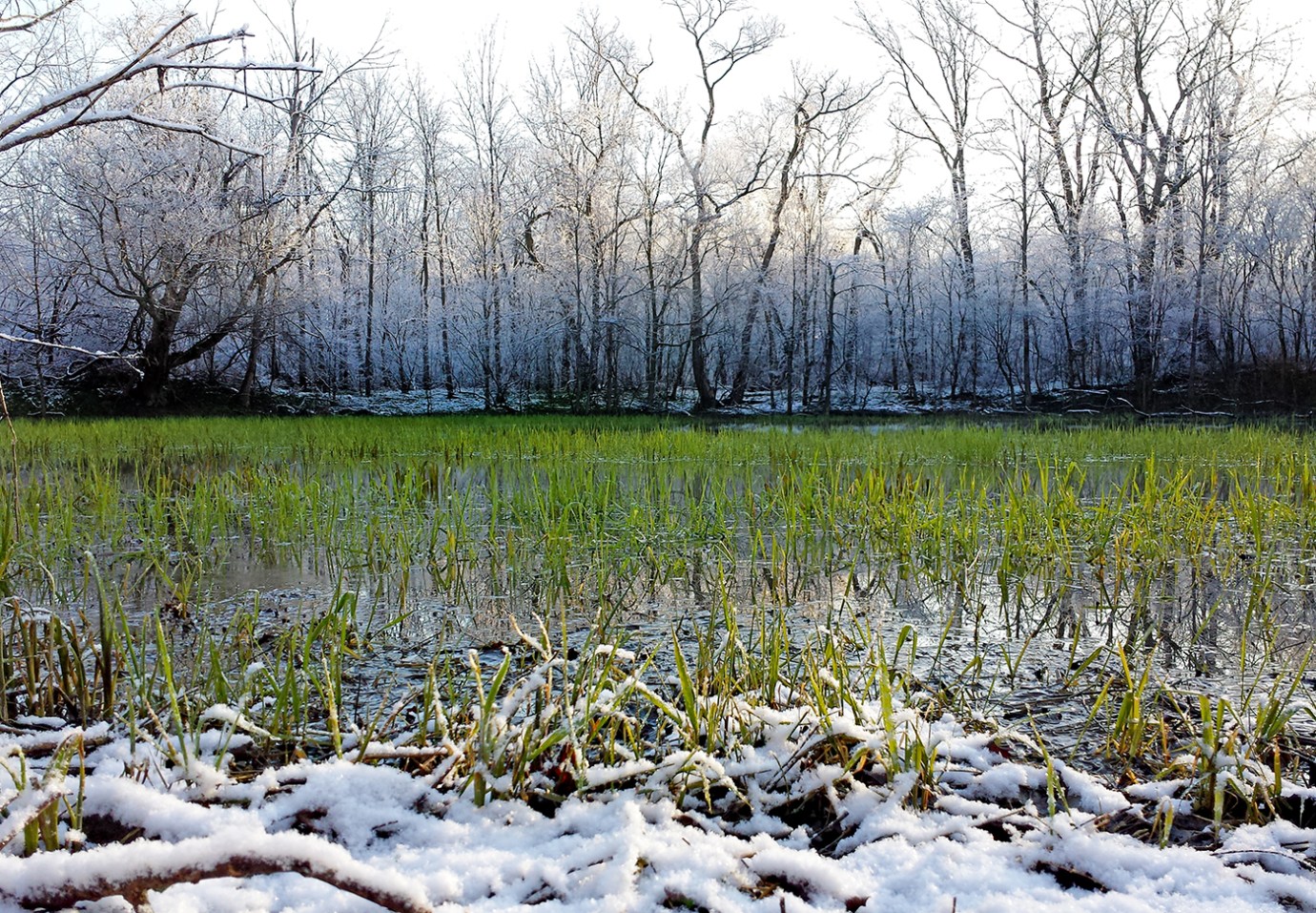
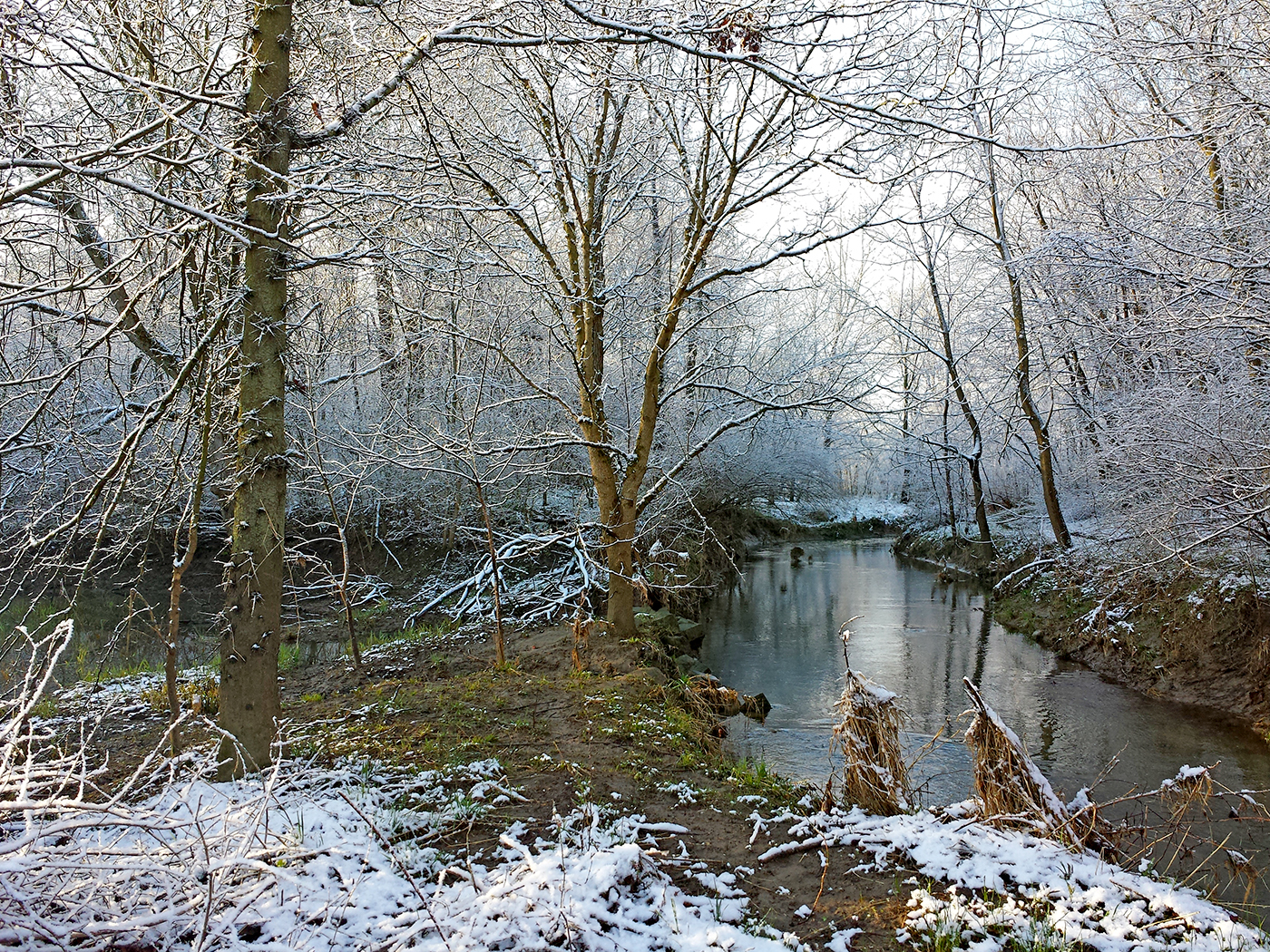
 In the cold shadows of the nature preserve, the colors are still blue, gray and purple. I cross the footbridge, going where a raccoon has recently come. Blue flag shoots and water grasses rise from wetlands, brilliant green contrasts to the white that coats the trees on the high bank and the land bridge between the old stone quarry and Cranberry Run. Thanks to Paul Nusbaum, the land bridge is clear of bush honeysuckle. This will provide a living lab for school groups to discover the differences between wetlands and running streams.
 The Boy Scouts that hiked the trails from 8 to 10 a.m. on February 17 used their ears and eyes to see a variety of woodpeckers. Audio recordings helped us identify other birds back at the shelter house. Overall, the birds we documented this year were different than those listed on past walks. We did see some of the same species but not in the quantities of years past.
