Have you noticed, as we have on The Quarry Farm, an absence of Woolly Bear caterpillars this fall? Typically, the fuzzy black and brown creatures are a common sight in late summer/early fall, crawling on the warm pavement of our country road. Not so this year. Here’s a brief look at the life of our fuzzy, bristly friend, to know it better and attempt to understand why its scarcity matters.
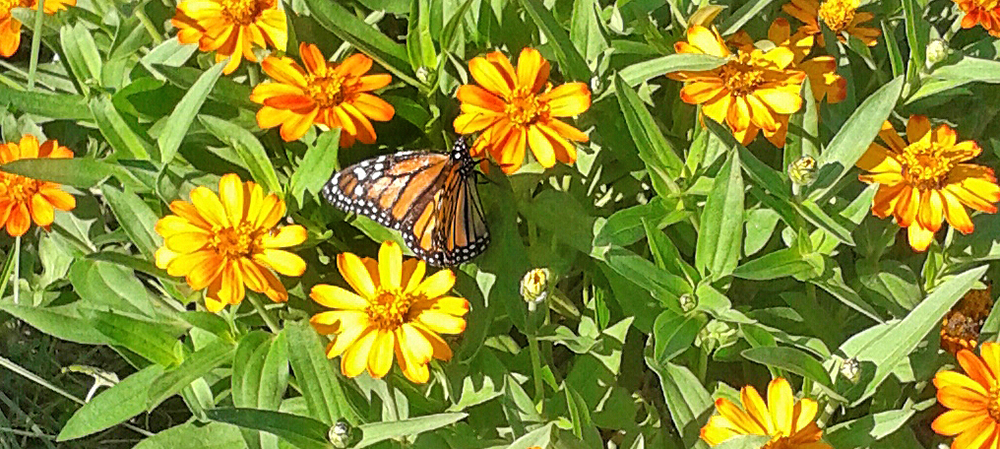
Woolly Bears are the caterpillar form of several related moth species, including the orange-yellow Isabella Tiger Moth (Pyrrharctis Isabella), which ranges across the U.S, and Southern Canada. The moth typically produces two broods a year. It lives about two weeks, nectaring on a wide variety of flowers. It mates, lays eggs, and dies. The caterpillars we see in the fall are the second brood. They’ve grown fat on leaves such as violets, nettle, sunflower, maple, and elm, and green grasses, and they may have shed five or six times while growing. When the fall brood is ready to pupate, it finds protective winter cover under leaf litter or logs or rocks. During the winter it pupates in a cocoon made from its bristly hairs and emerges as an adult in the spring. The cycle repeats to produce a summer brood.
The second-generation caterpillars that we see in the fall (in a normal year) have eaten their fill, are preparing to hibernate, and are out and about because they’re looking for cover. They are not going to poison us if we pick them up (although they can feel prickly). And sadly, they can’t predict our winter weather—by coloration or by size of the brown band around their middle. Those features are influenced by stage of development, belonging to a particular tiger moth species, and diet. There is no special little weather sensor embedded under the fuzz.
So why are we seeing so few Woolly Bears? First and foremost, no doubt, is the serious decline of many moth species worldwide—for all the reasons that we know too well and are struggling to deal with: climate change, habitat loss, light pollution in populated areas, pesticide and herbicide use. Also, we could look around us recently at a bleached, drought-ridden landscape and see little food for Woolly Bears preparing to hibernate. Their absence matters because, as pollinators and a major food source for birds and other animals, moths are an important link in the food chain that sustains us.
—The Gardener at The Quarry Farm
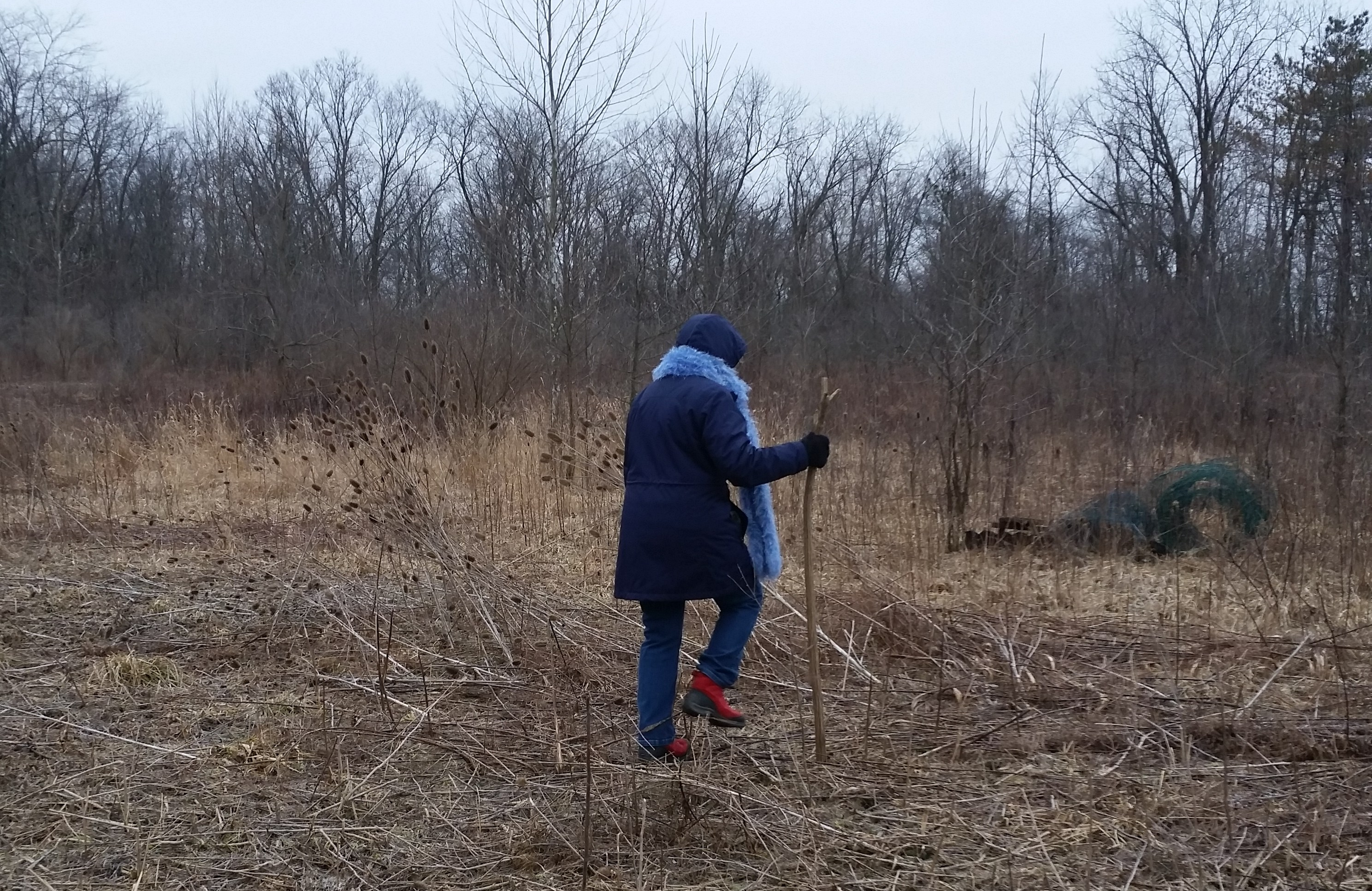 This weekend is the 22nd Annual Great Backyard Bird Count, four days when, world-wide, people peer through binoculars and add apps to their phones (speaking from personal habit) to help them identify what birds are at their feeders or watering troughs from February 16-18, 2019. I can hear European starlings above our bathroom ceiling, so we started the count right off with that species. We really need to fix the cover on that vent.
 Saturday morning, two Debs, one Maya, one Terry and one Mandy joined in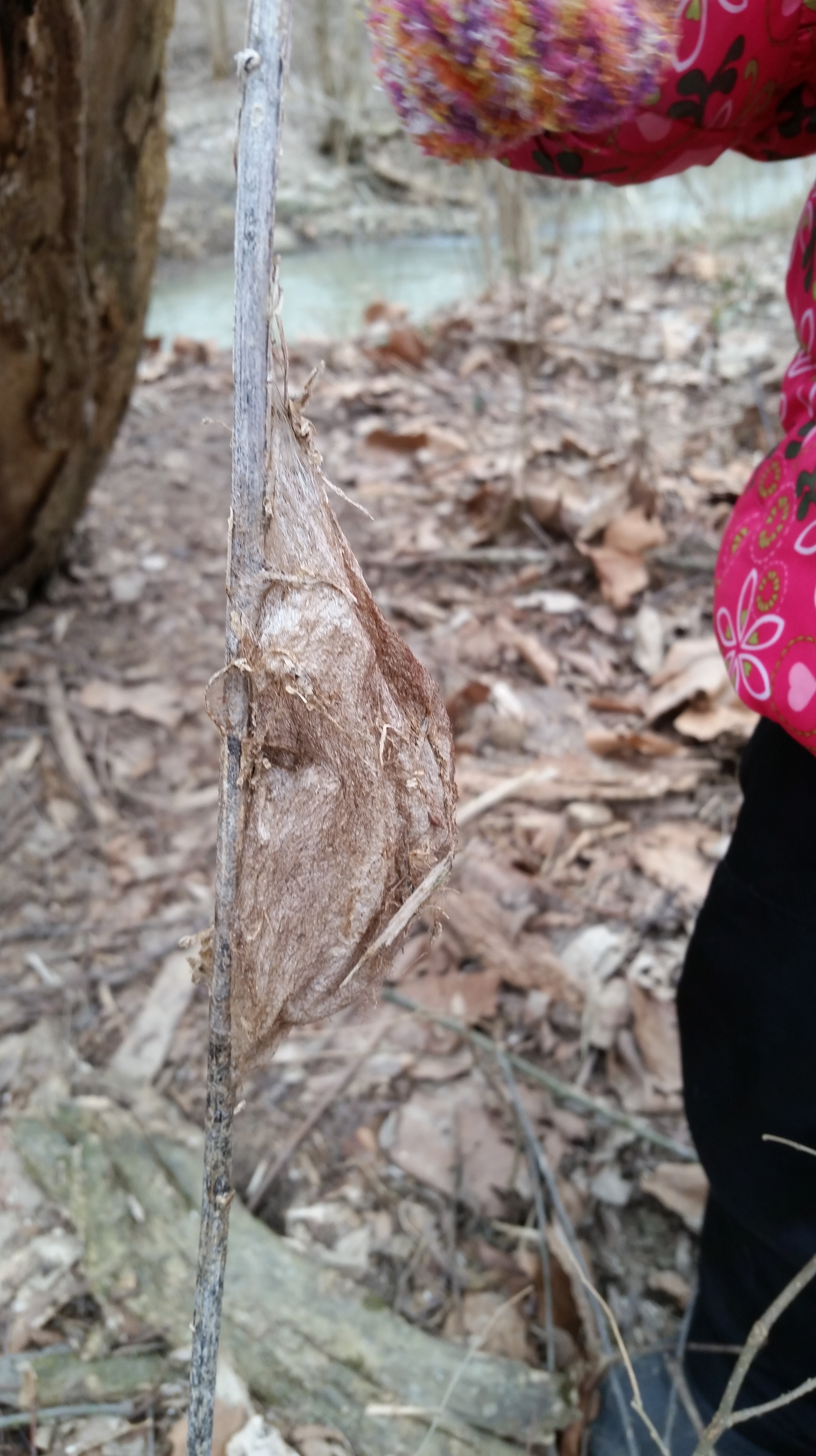
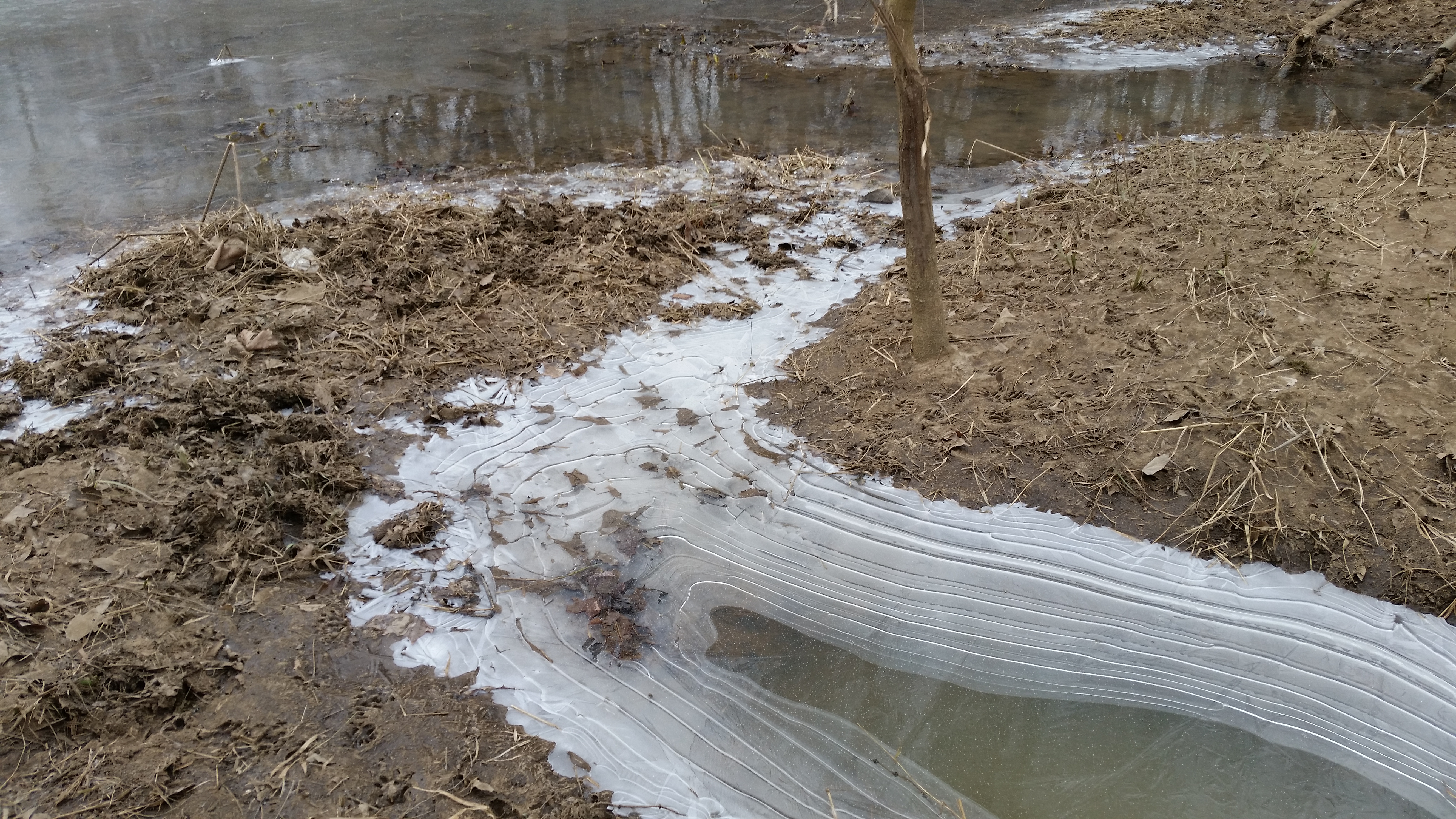
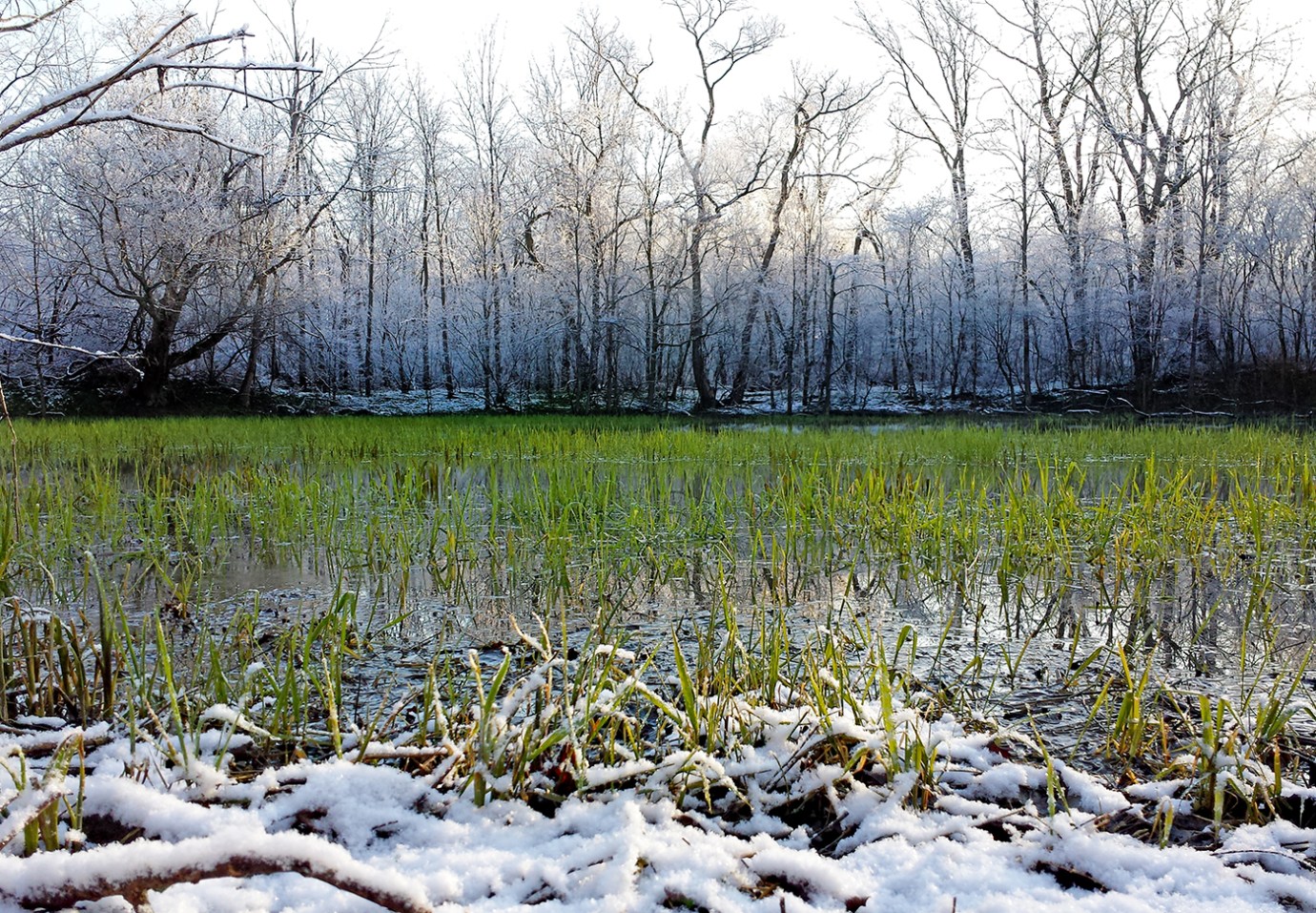
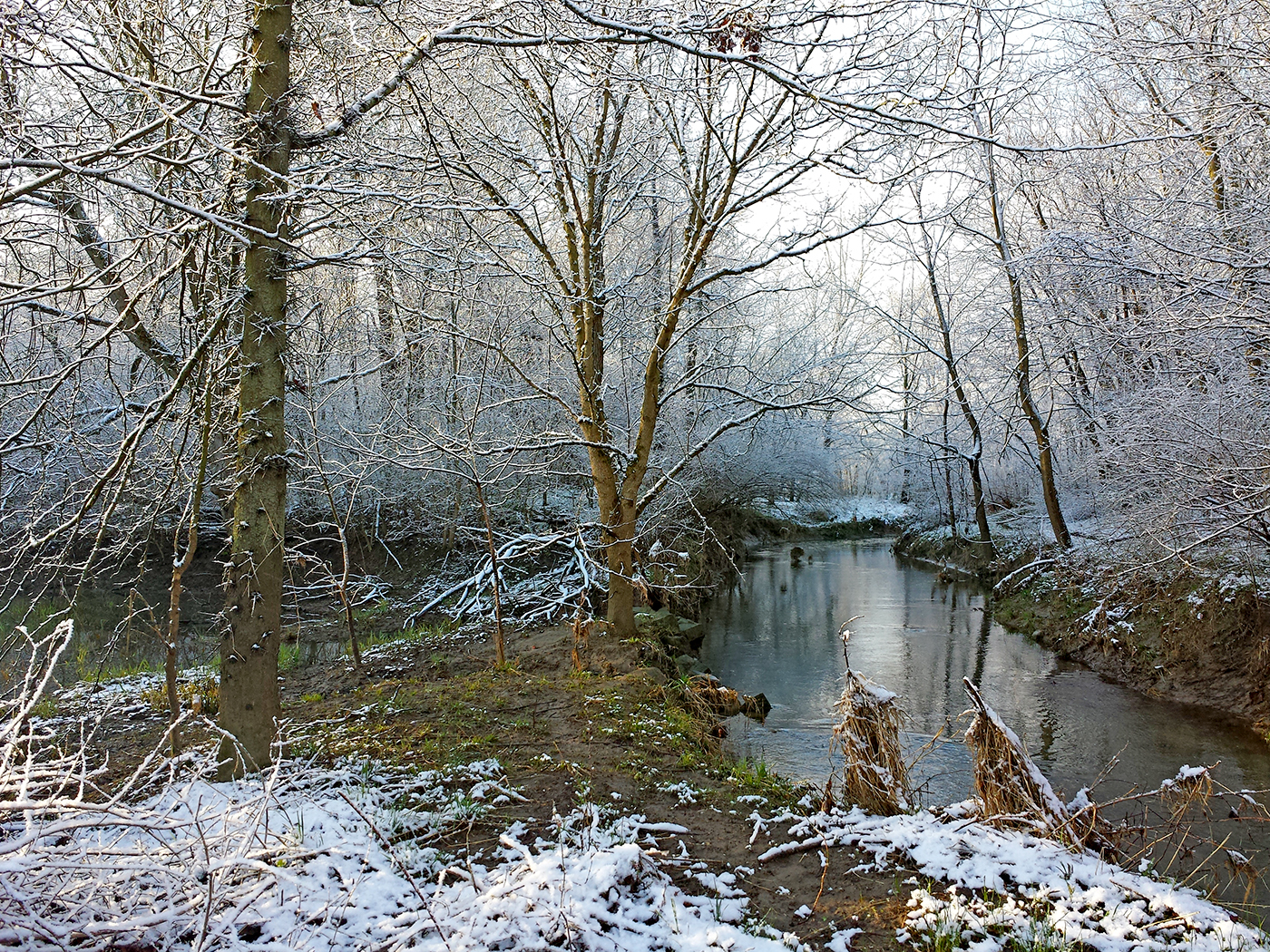
 In the cold shadows of the nature preserve, the colors are still blue, gray and purple. I cross the footbridge, going where a raccoon has recently come. Blue flag shoots and water grasses rise from wetlands, brilliant green contrasts to the white that coats the trees on the high bank and the land bridge between the old stone quarry and Cranberry Run. Thanks to Paul Nusbaum, the land bridge is clear of bush honeysuckle. This will provide a living lab for school groups to discover the differences between wetlands and running streams.