First polar snow

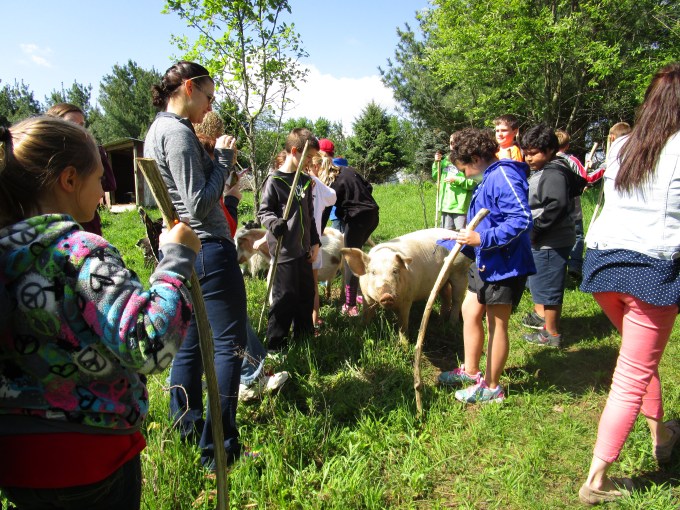
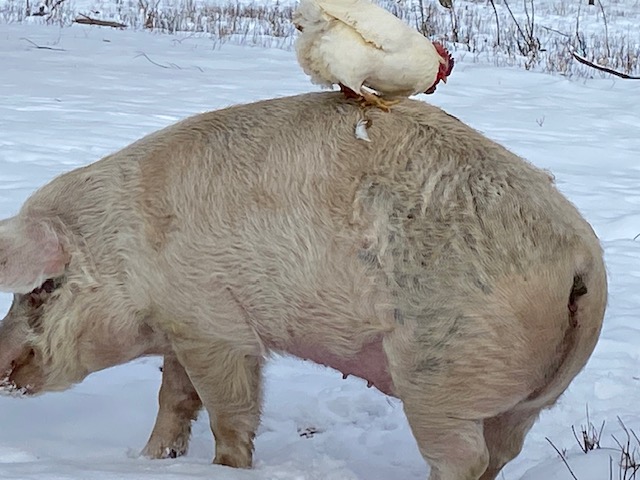
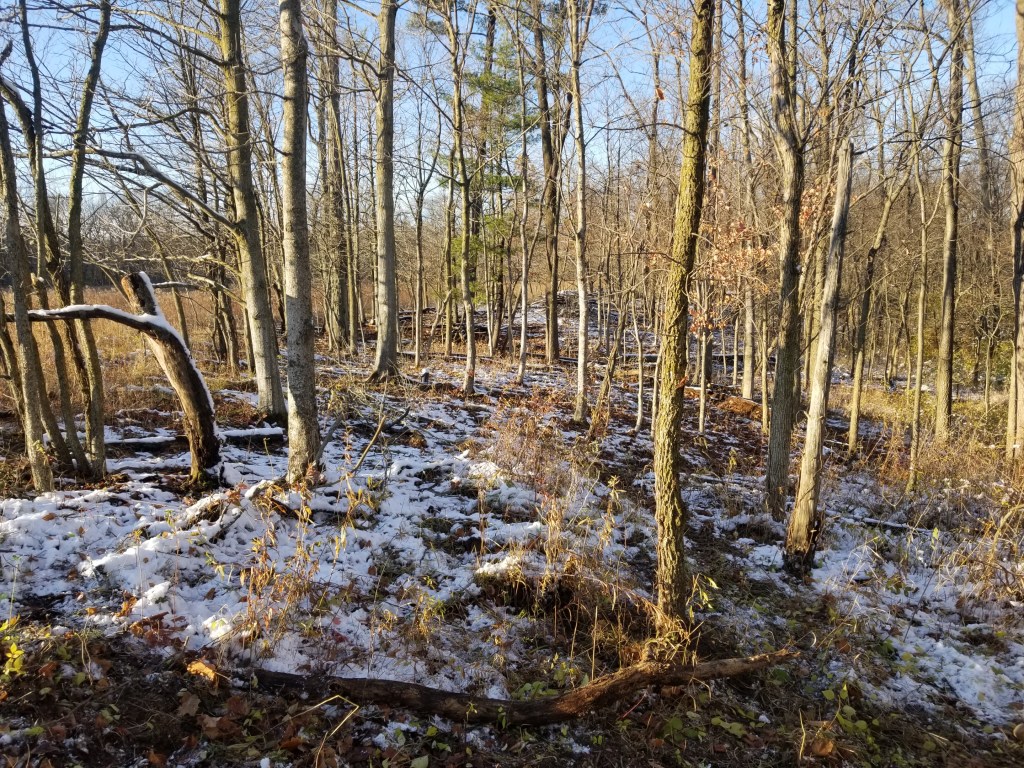
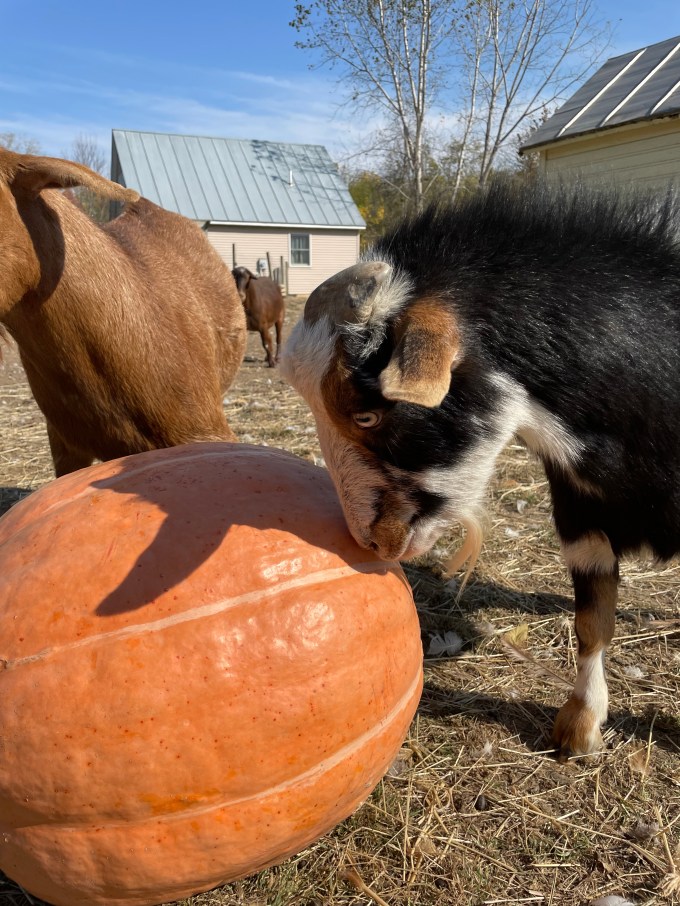
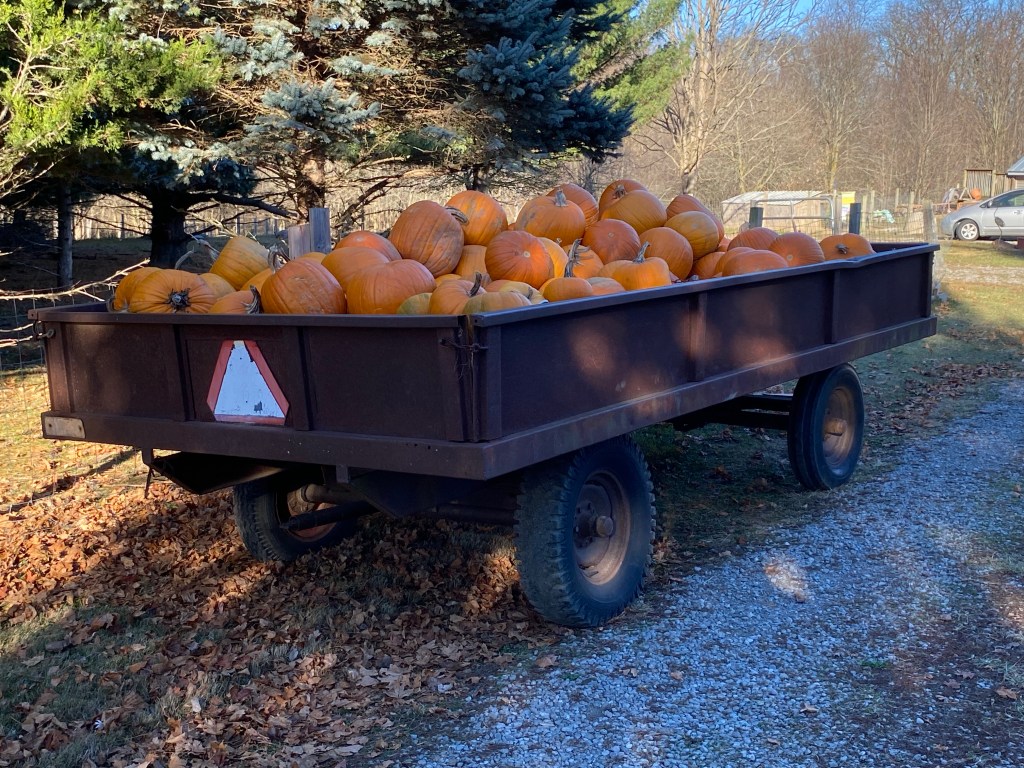
The water pans and buckets could still be filled by the outdoor hose two weeks ago. Yesterday, we woke to an inch of snow and a wagon full of frozen Hilty Farm pumpkins. Dave and Jane brought their juicy orange produce last week to rave donkey and pig reviews.

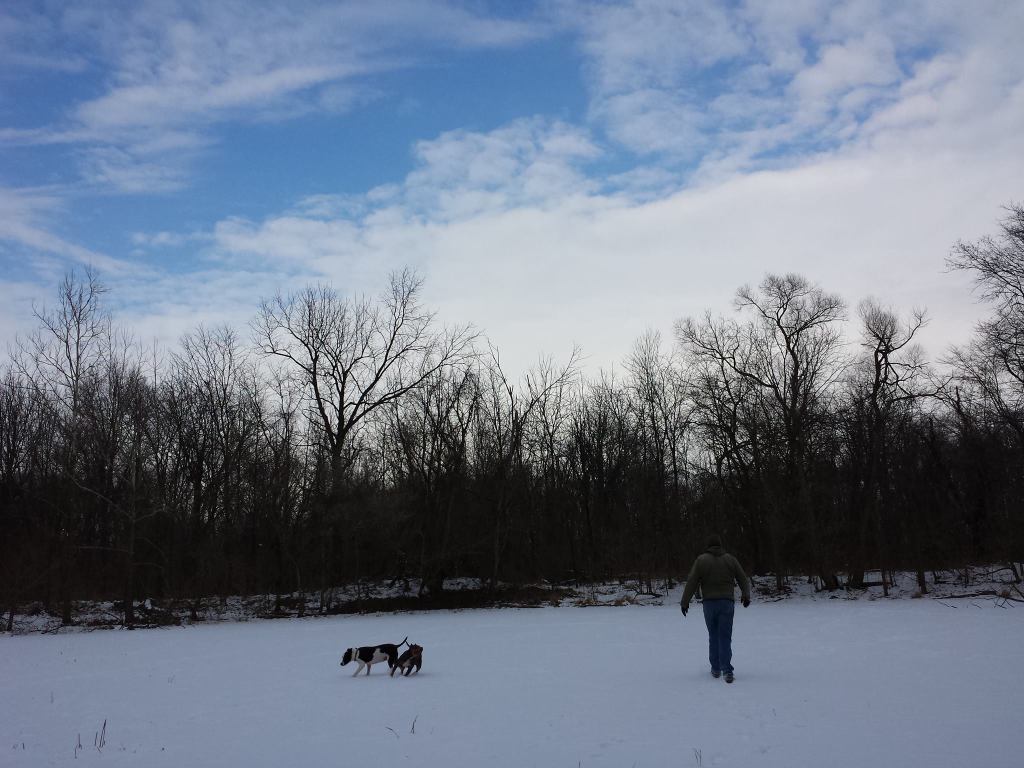
Today, snowmelt is pooling in the dry Cranberry Run bed and David Seitz is still removing invasive evergreen Amur honeysuckle from the southeast property line.

The wind is cold and blowing from the southwest open field across road 7L. In the forest, birds and squirrels scold in the calm of the trees. The wind won’t settle but temperatures are to rise. By Saturday’s “National Hiking Day Hike at Night”, temperatures will be in the 50s Fahrenheit as is fairly normal for November in Ohio. Put on good walking shoes, weather-appropriate clothes and join us on the nature preserve trails to enjoy the mental and physical health benefits of hiking.

Download your copy of the Fall 2025 Newsletter for a full calendar of events.

Cady Love, My Cady Love

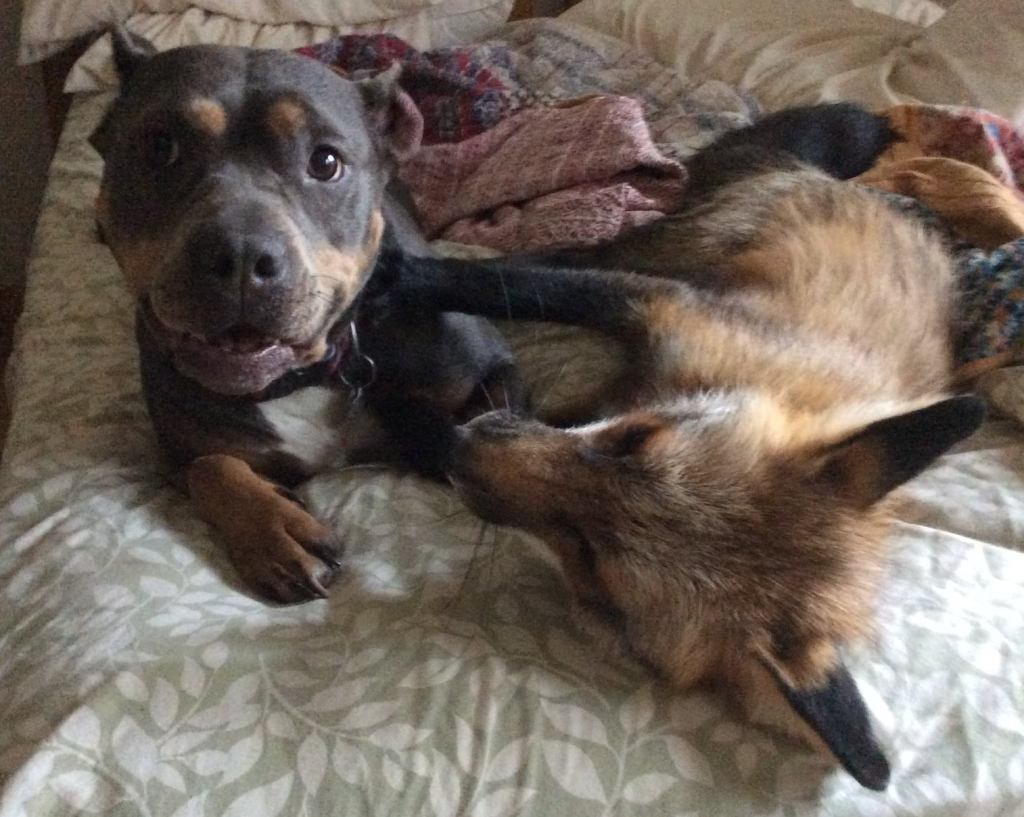
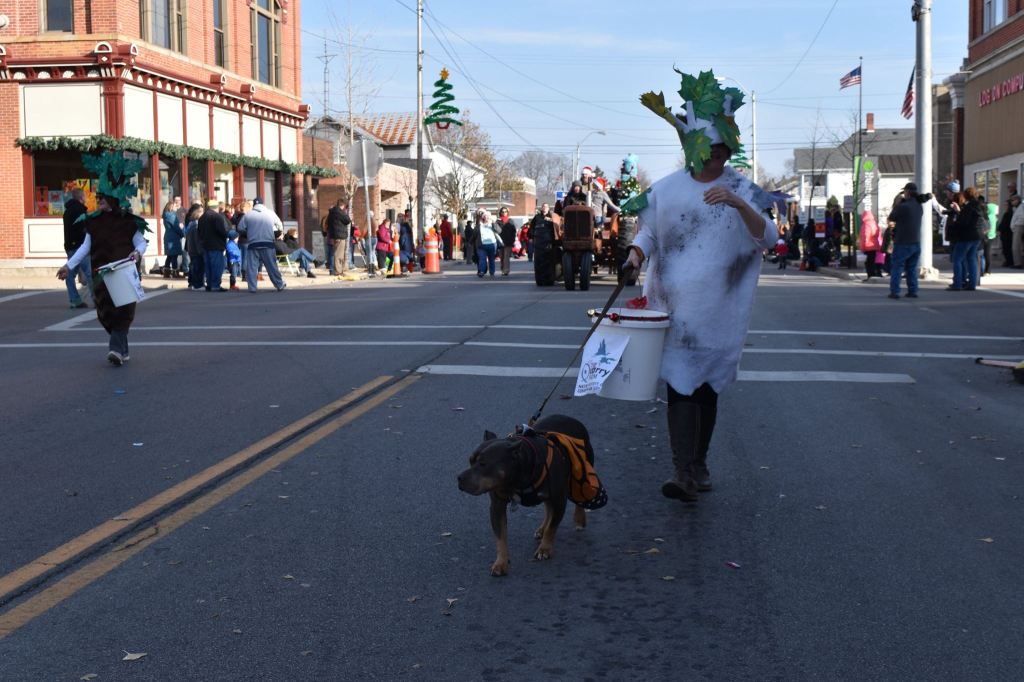
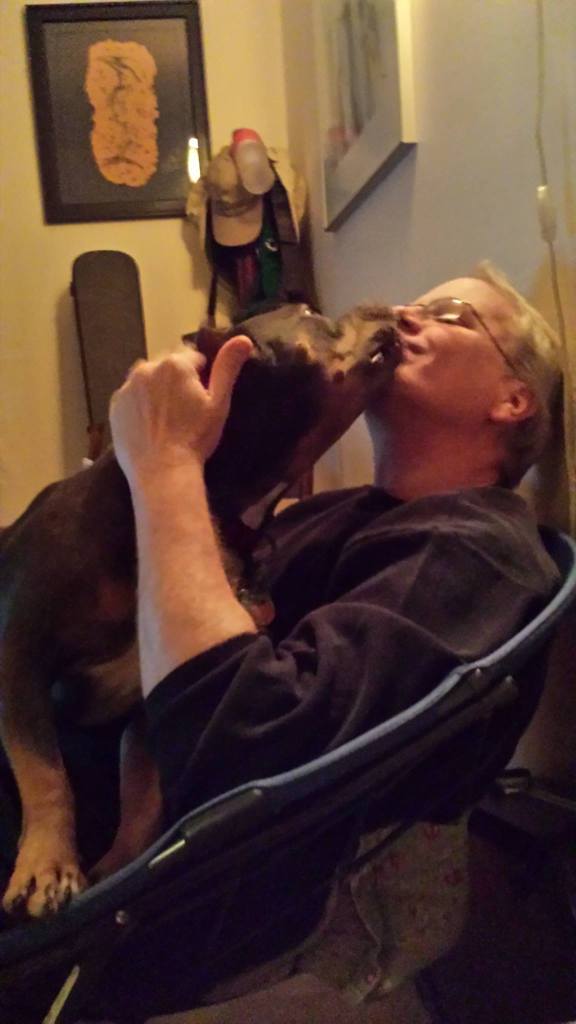
Over decade ago Cady joined our family. She had been found in an apartment, a bred to pieces and abandoned, her ears cropped close to her head and her beautiful “blue” coat stretched tight over her ribs. My Steven brought her home from the shelter to bond with all of us, most especially Lolly. Both walked in the Welcome Santa parade, left paw prints on the trails and impressions on the couch. Cady smiled and loved every face with kisses.

The worst part of loving Cady came today. But as Steven said, without that we wouldn’t have had all the good. We will miss her and remember.

Habitats on The Quarry Farm: The Prairie

The space that is our developing prairie habitat used to be called simply “the back field.” A trail heading downhill from Red Fox Cabin, across Cranberry Run, around the quarry, up a hill, and through the woods leads to eleven acres that were tilled until 1985. The tractor path to the field skirted Cranberry Run for a stretch, where it narrowed to inaccessibility due to erosion. Farming the field had to be abandoned. A new direction for The Quarry Farm took shape: to establish a nature preserve with several distinct habitats, including a prairie in the back field.

As seeds and rootstock in the soil sprang up and spread, the field began to look a bit like a grassy prairie. There were some food sources and cover for rabbits and small animals like field mice and voles. They in turn fed predators like great horned owls, red-tailed hawks, and foxes. Seed-eating and insect-loving birds could feed and nest. In early spring, a visitor might be lucky enough to witness a mating American woodcock rise explosively into the dusk.

That early resemblance to a prairie was deceiving though. Too much of the vegetation was non-native (teasel, for example), offering too little support for native birds, insects, and small animals. In no time, the field began to fill up with honey locust, hawthorn, and black walnut seedlings (native, but unwelcome outside the adjacent woods). Multiflora rose and Asian bush honeysuckle invaded. Clearly, if The Quarry Farm was to have the prairie habitat we envisioned, management would be necessary.

Recent years have been a learning process. We’ve tried to find the most efficient, least harmful ways to squelch invasives and non-natives so that we can eventually claim a true prairie habitat with a balanced ecosystem. Consultants have shared their expertise. Wonderful volunteers and skilled hirees have hacked, dug, and bulldozed trees; cleared ground and spread seeds of native prairie plants; and mowed spent growth to encourage the spread of native grasses and wildflowers. The search for best management practices goes on.

We know the work of developing and maintaining a distinct prairie habitat may never be done, but we’ll have the joy of providing the creatures that find a home there the best chance to thrive. And we can share it with visitors like you.

Early birds

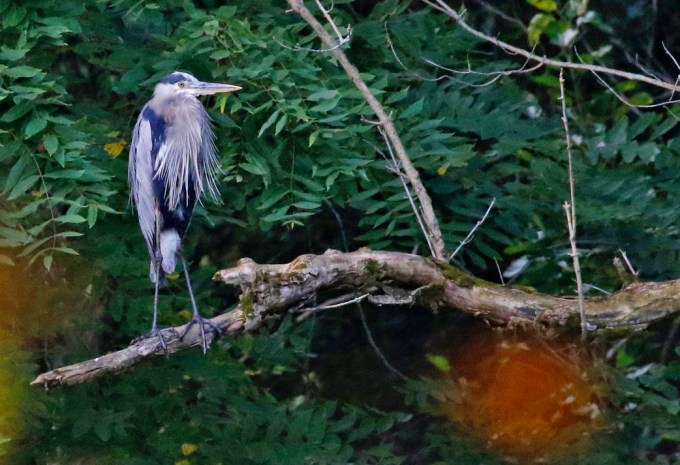
Great Blue Heron above the wetland
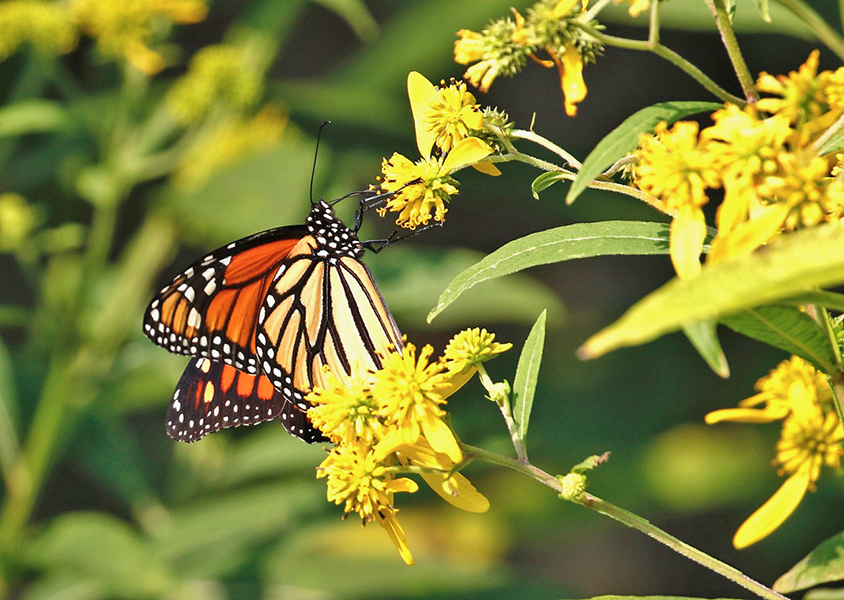
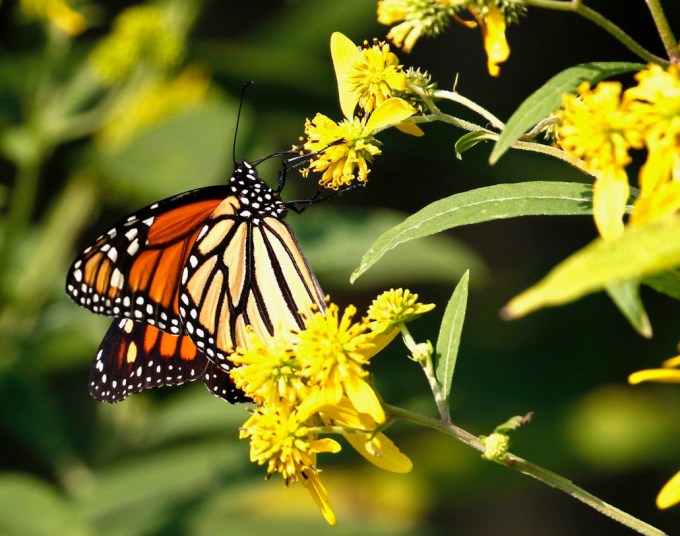
Monarch Butterfly

There is one lone cricket singing in the basement this week. The evenings are so cool now that the outdoor chorus have wrapped their bowstrings in scarves of dried grasses. Birds and butterflies are on the move, winging away early this year due to cooler temperatures. There will be no Fall Migration Bird Hike in the nature preserve this year because we missed the boat, or rather, the airship.

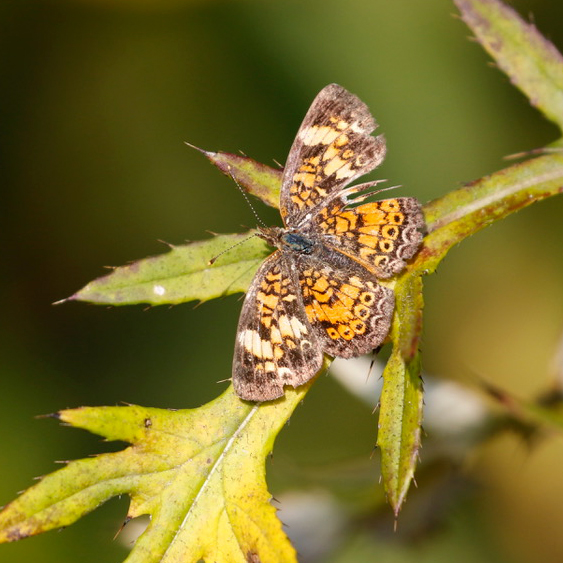
The good news is that Birders Deb Weston and David Smith grabbed their tickets in time to walk the trails and see who is passing through on their southern journey. What they found last week is that Monarch Butterflies (and one tired-looking Pearl Crescent Butterfly) were having a restorative back in the grassland prairie.

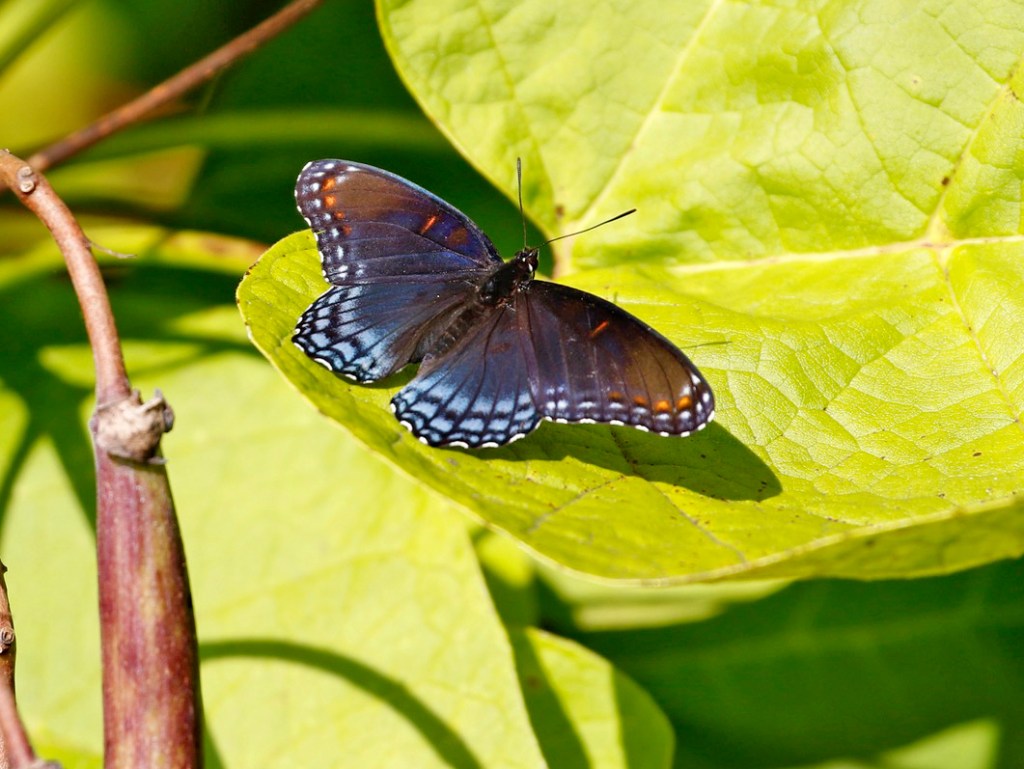
Pearl Crescent Butterfly

That same day, they documented 29 avian species, with David IDing all but a Great Blue Heron by their birdy vocalizations. Deb had her camera at the ready once David pointed them out.

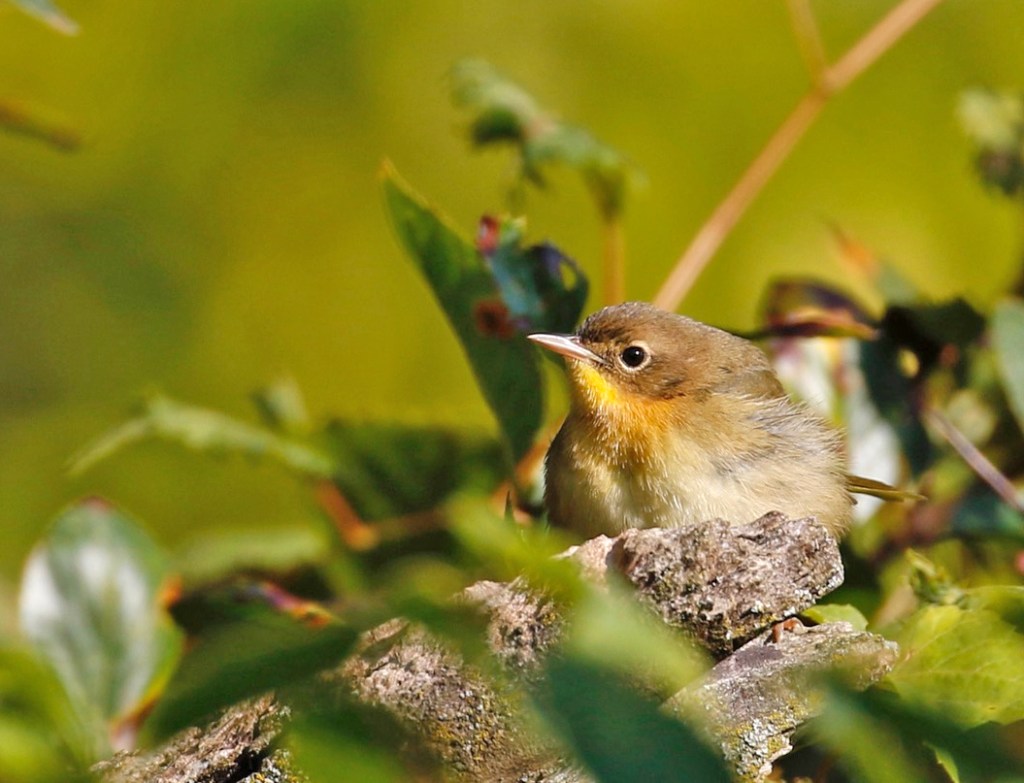
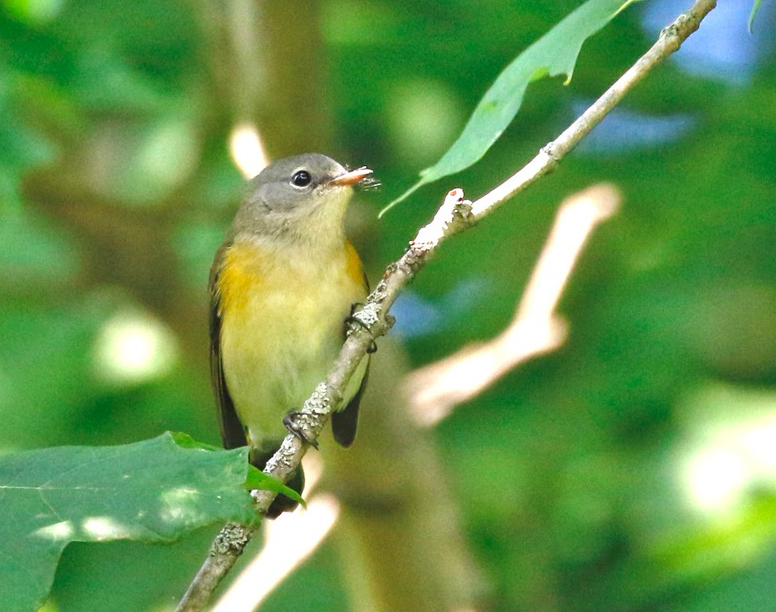
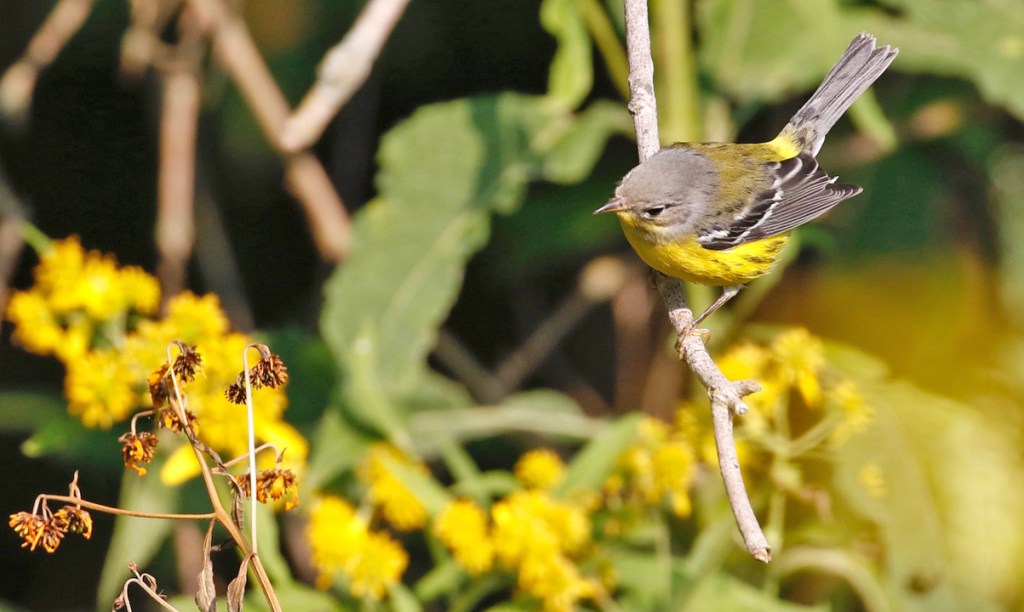
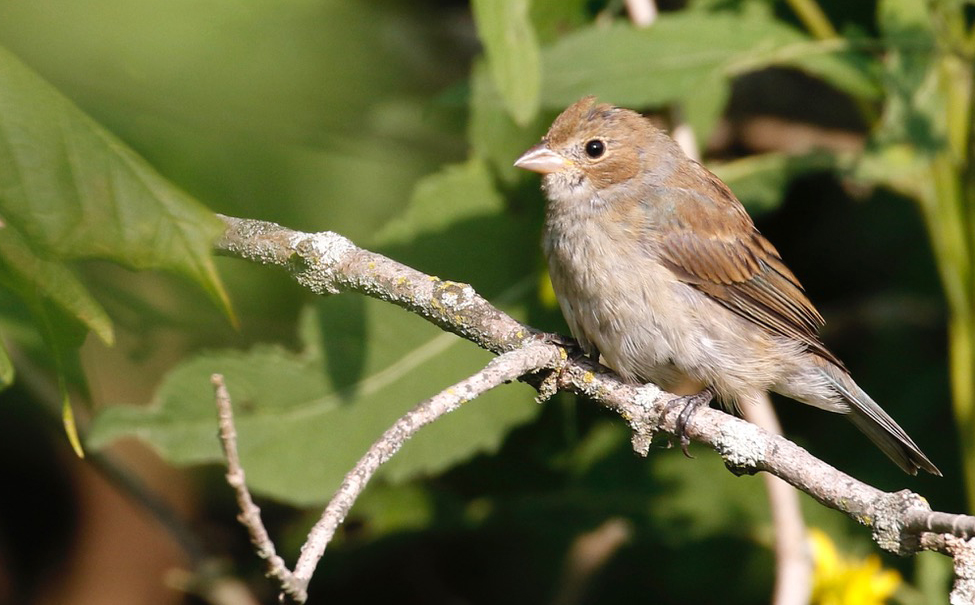
“Fall migration is completely different than spring. The birds aren’t singing and they don’t look the same,” she said. “For me, they’re in the “shakes head, beats me” category.”  In order, juvenile Indigo Bunting, Magnolia Warbler and female American Redstart. 

On Monday, the tally increased to 41 species, including short glimpses of 11 warblers. Deb is out there again today. The air is warm enough to remove a sweater now and the droughted grass crackles under foot. The Quarry Farm Birders are a stealthy bunch, though. Can’t wait to see what Deb and her camera found feeding in the goldenrod and ironweed.

Different stripes

There was an outdoor art festival on the shore of Lake Erie last weekend. The show was one with a 20-year history and inexpensive. The latest round of tariffs had plunged the S&P so we had no expectations for sales. However, we had the tent, framed pieces and prints, and a need to get away for a bit so we packed up and drove north. 

Except for smoky wildfire haze, the weather was lovely for August in the Midwest. Gulls and a pair of bald eagles cased the shoreline. White caps rolled, keeping the beach closed to swimming but open to big boats in full sail. A steady stream of people perused the festival, eating expensive flavored ices and walking major four-legged investments. I made the mistake of asking a man if his dog was a Brittany Spaniel. He looked at me like I had dribbled ketchup in his latte. 

“She is actually an Aussie.” I apologized, muttering something about just noticing the blue eye and freckles on her nose and wondering what was offensive about having a Brittany Spaniel even though they are not currently a trendy breed. There were Dachshunds, French Bulldogs, Golden Retrievers, a Great Dane, a Greyhound, a Jack Russel Terrier, Cavalier King Charles Spaniels, Corgis, Lhasa Apsos, Chihuahuas in strollers and backpacks, and many more Aussies. The only dog that was in the middle of one minor altercation was the Jack Russell. Steve and I laughed about how the two country canines in our family would (not) behave in a crowd. And we loved on the one mutt that we saw during the two full days at the lakeside.

Please don’t misunderstand me. I adore dogs of all stripes and spots. Just as there are with humans, there are jerks in the canine club. But by and large, dogs are open and honest with their feelings. Animal shelters are full of purebreds as well as mongrels, all in need of love and good, forever homes. There is a rescue for every breed.

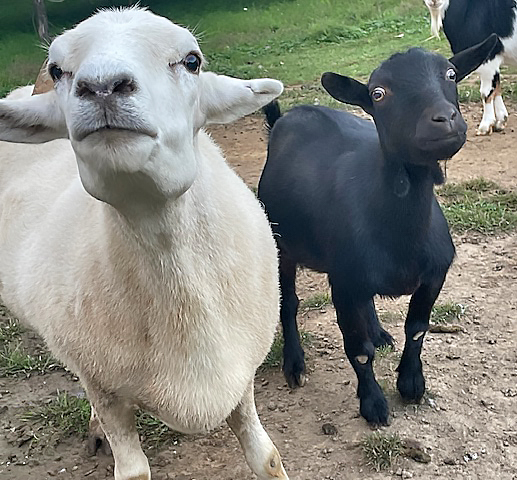
When we got home Sunday evening, we took a few minutes to listen and watch the variety of stripes and spots that mark the furred and feathered ones that share The Quarry Farm. We always do after being away for a time. There are mixed breeds and purebreds in the pastures and trees. Some are clearly of a certain pedigree, with the scripted markings, structure and gait of textbooks. Four of the goats faint when startled. Their limbs lock, sometimes causing them to fall over until blood flow returns. When this happens, the muttier goats stare at them and walk away. Some are “fancies” without the proper trimming, like Sidney the Silkie Rooster who lacks the curly feathered feet of snowbirds. Thank goodness for this because those luxurious boots bog down in weather and prevent the birds from walking. Bare-booted Sid is a fast force to be reckoned with no matter what the forecast brings.

Genetics is a wondrous field of study. Genetic modification can increase yields, lifespan, ear and nose shape, etc. I planted a golden Coleus in the garden this spring. This morning, I saw that the gold blooms were being replaced by a triumph of its magenta stock. Pockets, a marvelous red, brindle and white rooster of indeterminate parentage strutted through the plants on long, strong legs while Patches the Cow Goat (so named because he looks like the offspring of Holstein cow and a Nigerian Goat) munched on spent snow pea vines. 

Humans can play. Nature always finds a way.

A Connecticut Warbler in Deborah’s Court

Birder Deb had a first yesterday, for herself and The Quarry Farm. Among the 52 bird species that she reported on eBird, “I heard and saw a Connecticut Warbler on the trail before the creek overlook,” noted Deb. “I have a friend in California, Tim. He told me before we moved to try and see a Connecticut Warbler.  They are tough. They sing, but rarely show themselves.  A few years ago one was reported at the Bluffton Preserve.  It was hotter than fish grease and I stood in the sun for an hour trying a catch a glimpse of it while it sang and sang. Zero, zilch, no luck on a visual.  I won’t count a bird for the first time unless I see it. So today when I heard it, I couldn’t believe my ears.” 

The app Merlin confirmed the Connecticut Warbler’s song as it sang over and over again. Deb scanned with her binoculars and finally the elusive bird popped up for 2 seconds and disappeared again. Deb stood with her camera ready for about 20 minutes, but it never came out again and eventually stopped singing. 

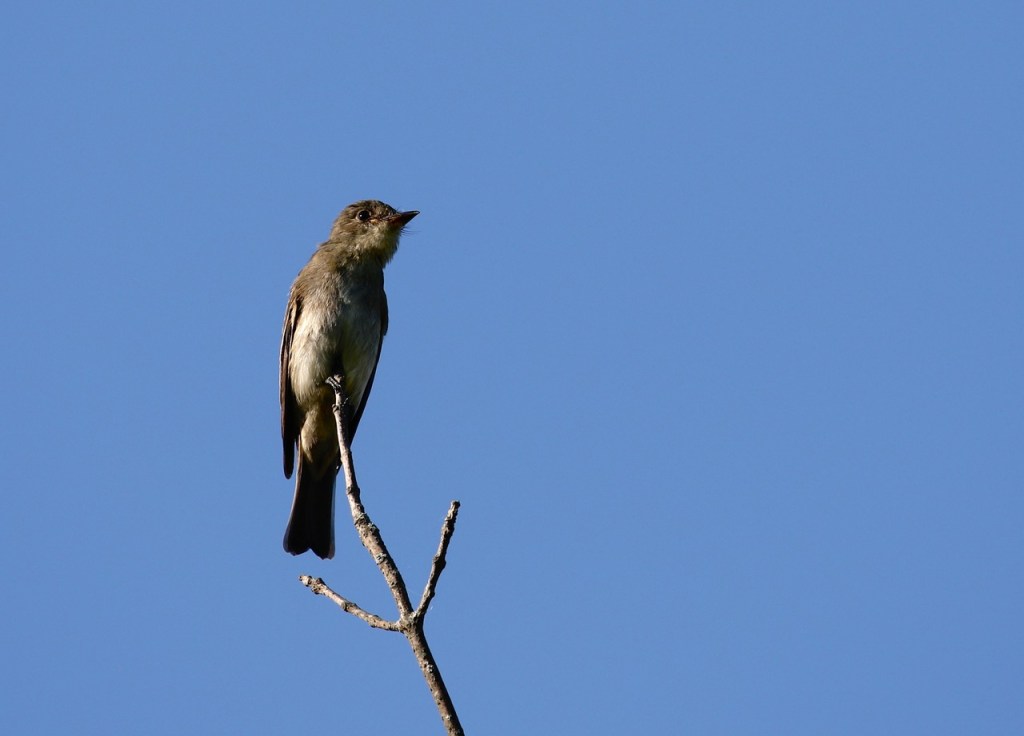
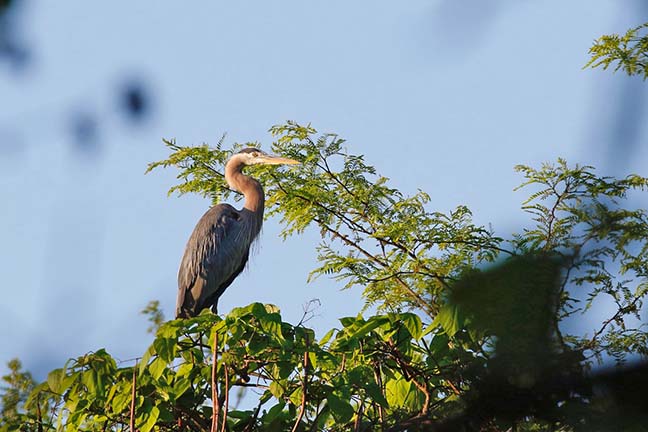
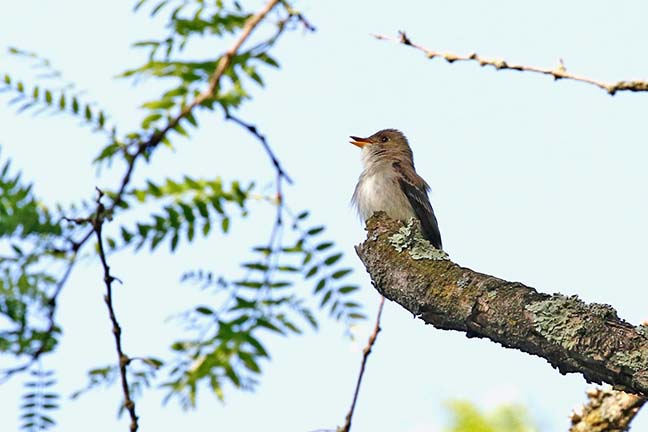
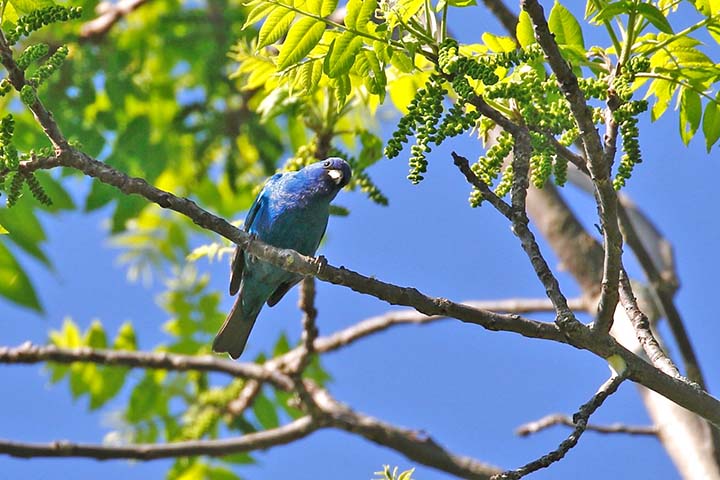
Deb and David Smith are in the nature preserve this morning. Maybe the Connecticut Warbler—TQF Bird #151 on eBird—will pose. According to Deb’s friend Tim, these $%$@ birds are hard to spot. Deb did capture some portraits of more cooperative avian species: Great Blue Heron in a tree on the far side of the quarry, an Eastern Wood-Pewee and an Indigo Bunting who seemed amazed to see a Deb below its tree. 

This side of the fence

Two Canada geese named Johnny and Stella introduced us to the richness of a life shared with wildlife educational ambassadors. I would say the introduction was a gentle one, and it was, until we found Stella’s body floating in their water tank. No one could tell us why. She looked fine externally. Wild animals naturally fight tooth, nail, beak, bill, and claw to stay away from humans, probably because humans are at the top of the food chain and every other species knows to keep their distance. If wild things allow humans to approach, there is something not quite right internally, in their nature or nurture. Their most natural state of being has made them vulnerable to our opposable thumbs, our intelligence, or lack thereof. A lifetime of living with other species makes me certain of the latter, especially as I write this there are military maneuvers going on in the sky outside my window.

Estella

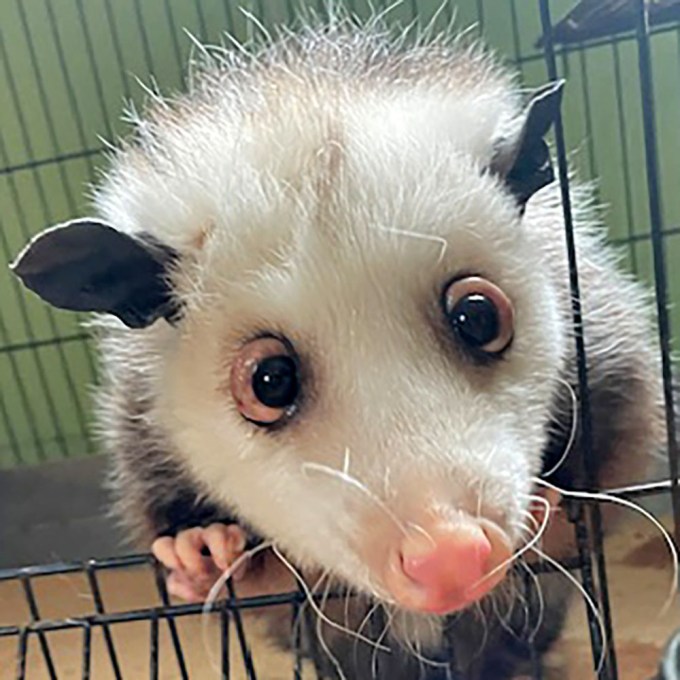
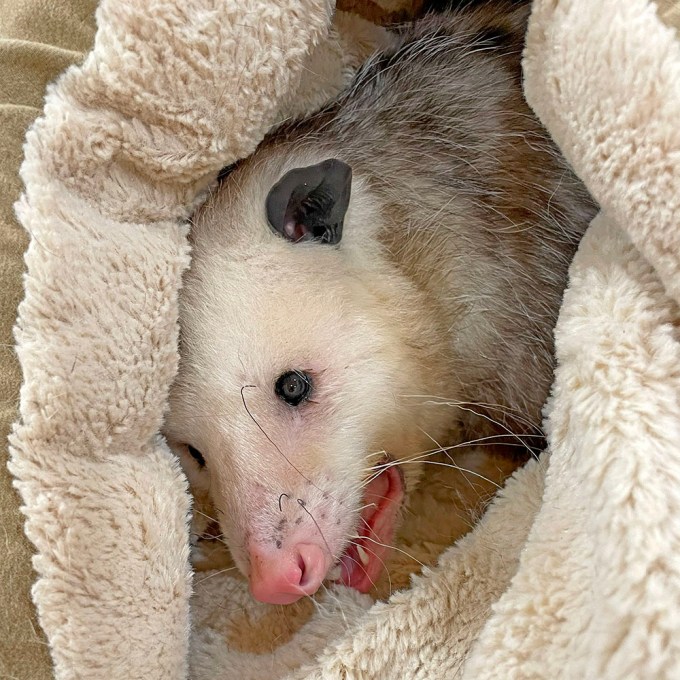
Although it is tragic thing when a wild animal can’t live safely in wildness, it is a gift to spend some part of one’s human lifetime in their company. Some live for a few years. Others for a decade or more. Right now, we often tearfully refer to the farm animal sanctuary as the geriatric home. It’s been 14 years since Johnny and Stella moved in. Many mammals and birds have lived what remained of their lives here. The last 12 months have been hard on our hearts as several friends have, as we say, “gone over the fence.” This month, as we planned for an all-day offsite event about living side-by-side with wild creatures, we intended to feature Estella the Virginia Opossum. Estella was almost 4 years old, pretty ancient for this marsupial. She died in her sleep on Sunday.

Winston

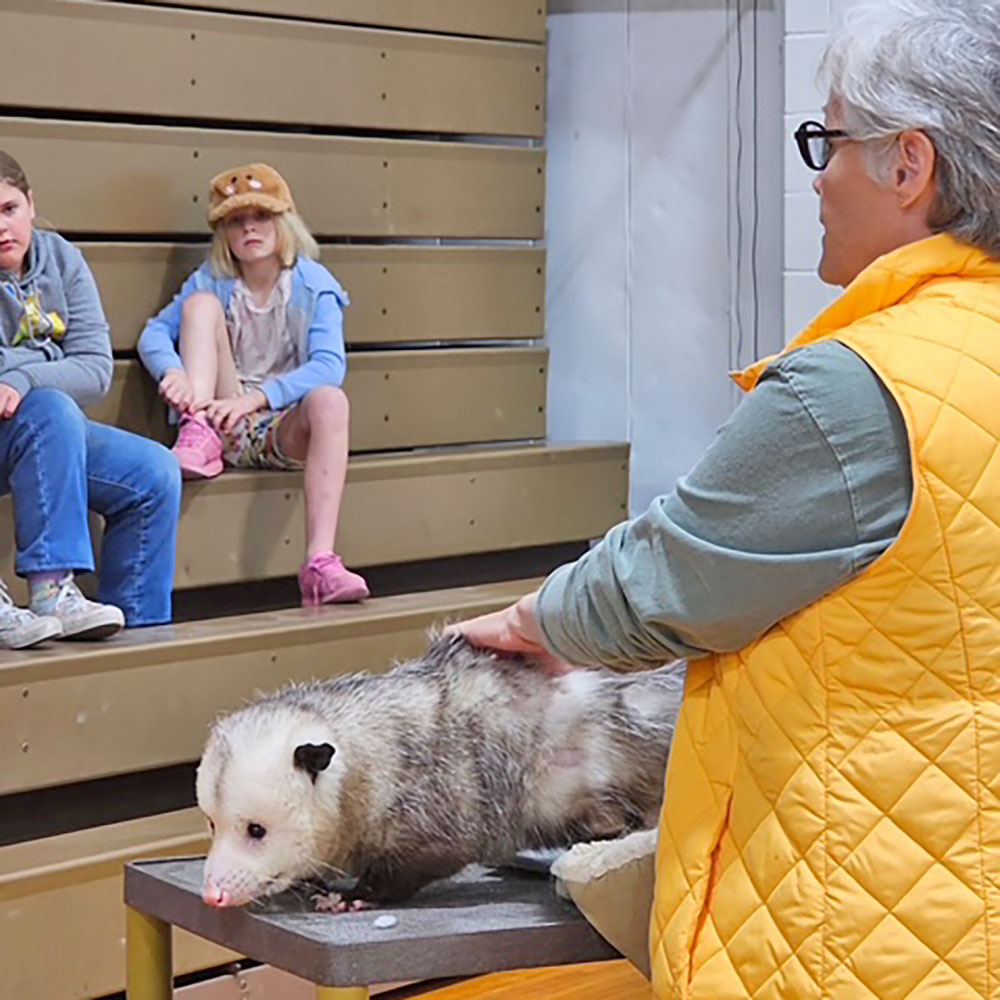
In February, while I was in Columbus for a conference, my phone pinged with a text regarding an adult male, caught-by-dog Virginia Opossum. A Proctorville wildlife rehabilitator rescued him in the Fall. Angie named him Winston, and healed his severe wounds and fought infection. He weathered several veterinary appointments and possible pneumonia. But Angie got him through. Because Winston has mobility issues and hairless scarring on his hindquarters due to his injuries, it was decided that he could have a good future as an educational ambassador. Three weeks ago, I met Angie and Winston in Columbus for adoption.

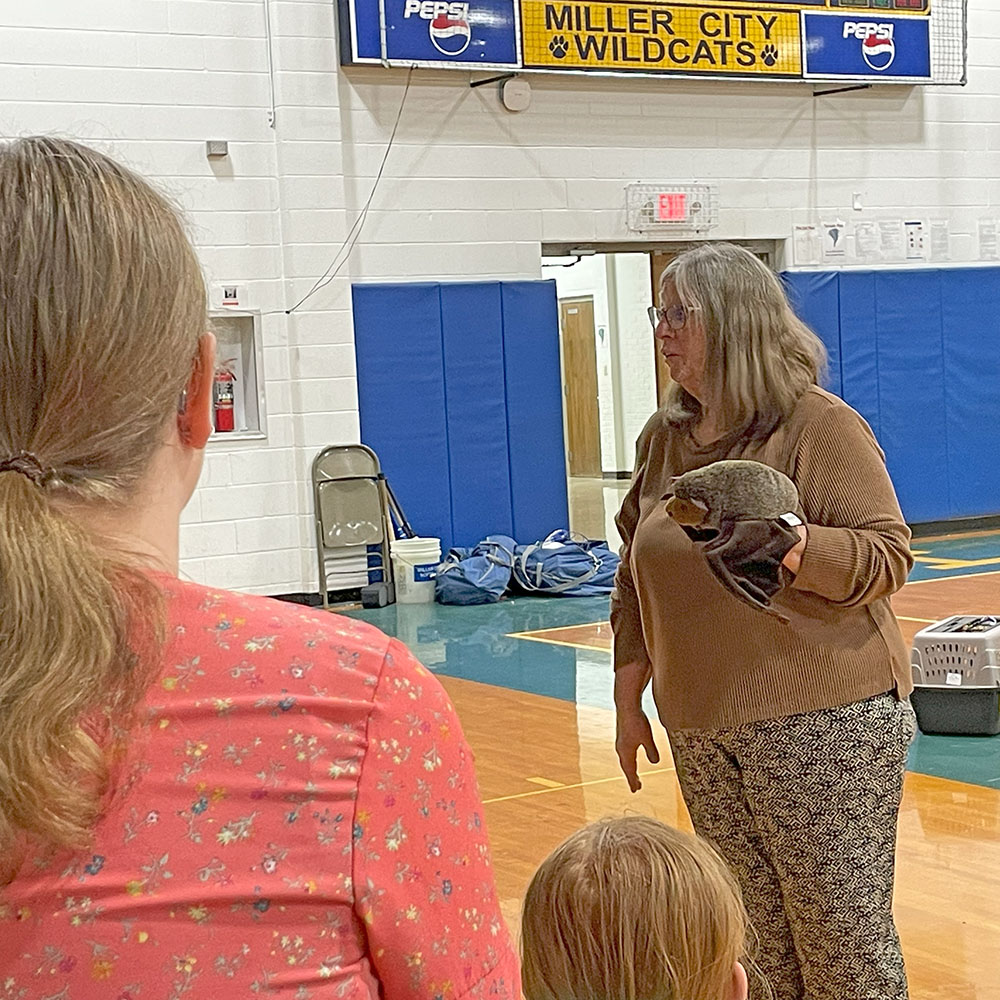
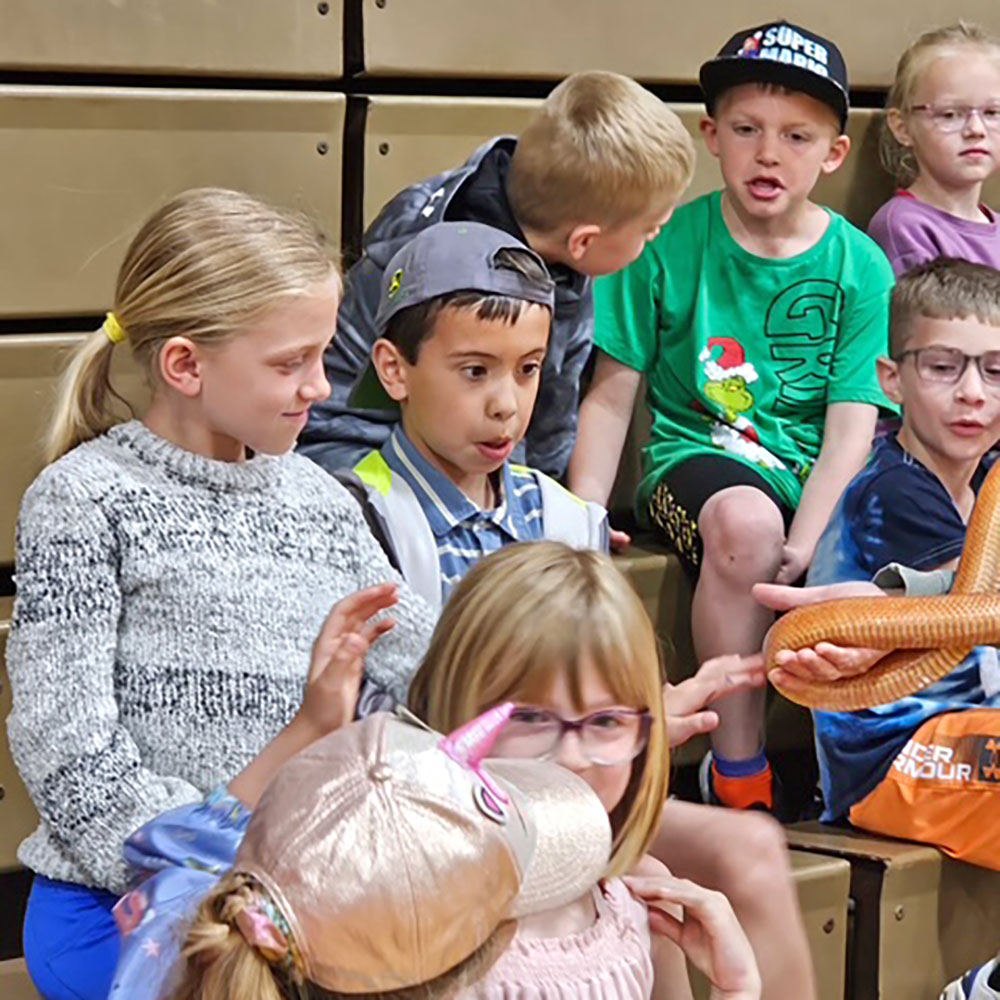
On Tuesday, May 13, Winston represented his amazing, vital species at Miller City-New Cleveland Elementary School’s “School is Cool” event. Board Member Rita used owl and bat puppets to demonstrate the horrors and harm of using traps and poisons to control wildlife. Tyree the cornsnake, all shiny coral from a recent shed, represented the benefits of encouraging snake residents on a farm and in your garden. Winston growled a bit at first, but his scars are itchy. With ongoing scritches, he settled into his ambassadorship. No one knows exactly how old Winston is, but he will be comfortable and at peace at The Quarry Farm for as long as he will give.

The Great Pumpkins return

I learned this week that a blog post should always tell a story, beginning with, “Once upon a time.”

Once upon a time, there was a four-acre hillside that housed seven potbelly pigs, one potbelly pig, three donkeys, eight goats, two turkeys, nine geese, eight ducks, and an indeterminate number of chickens because that number seem to fluctuate every morning when new roosters appeared. Very mysterious. All of these animals were disgruntled. They didn’t get second breakfast.

No matter how sad they looked when a car passed their fence, when the house people that they just knew could hear them disgruntling didn’t give them their second breakfast, and the door to the hay mow didn’t open no matter how hard they banged on it, food did not appear.

November nights were sometimes warm and sometimes cold. The animals buried into the straw on cold nights and dream that the next day’s breakfast would multiply until suppertime.

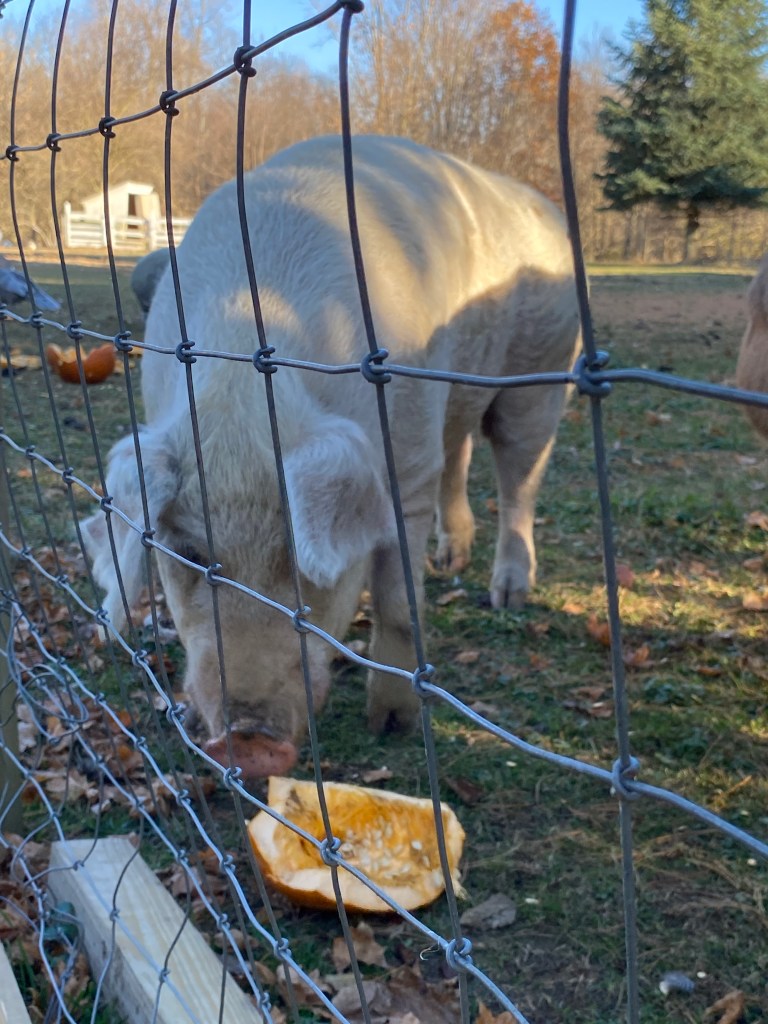
On November 7, a car did stop. Only it wasn’t a car. It was a truck. It was a truck pulling a wagon. The wagon was full of pumpkins: big round juicy seed-and-pulp-filled pumpkins. Magic Dave and Jane had arrived! Dave and Jane were the best people in the whole world. When these Great Pumpkins visited, squash rained from the sky. Orange fruits hit the ground and burst open with squashy orange goodness.

The animals ate until their bellies dragged on the ground. The sun warmed the chilly November ground and their full bellies. When evening came, they ate their supper and finished what juicy bits were on the ground for dessert. Donkeys kept watch over the wagon. Pigs snored, dreaming of lip-dripping squash threads. Fowl purred contentedly in their roosts. Goats burped (they always burp.) The people in the house sang songs of praise for peace, delivered by Great Pumpkins.

Upside-down Bird Day

No, you didn’t miss an event at The Quarry Farm. There was no official activity today to commemorate avian acrobats. There was, however, a walkabout in the nature preserve to see who is flitting about in the lead up to the October 9 Fall Bird Migration Hike. Birders Deb and David were on the trails bright and early to document birds that are either back “in town” for the cold months or who are passing through on their way further south. They identified 36 species.

Highlights on this gorgeous day included:

2 Yellow-bellied Sapsuckers

5 Ruby-crowned Kinglets

1 Red-breasted Nuthatch

2 Winter Wren

3 White-crowned Sparrows

10 White-throated Sparrows

2 Lincoln Sparrows

1 Tennessee Warbler

3 Nashville Warblers

1 Common Yellowthroat

6 Yellow-rumped Warblers

1 Painted Lady Butterfly

Lucky for all of us, Deb was packing her camera.

Where are You, Woolly Bear?

Have you noticed, as we have on The Quarry Farm, an absence of Woolly Bear caterpillars this fall? Typically, the fuzzy black and brown creatures are a common sight in late summer/early fall, crawling on the warm pavement of our country road. Not so this year. Here’s a brief look at the life of our fuzzy, bristly friend, to know it better and attempt to understand why its scarcity matters.

Woolly Bears are the caterpillar form of several related moth species, including the orange-yellow Isabella Tiger Moth (Pyrrharctis Isabella), which ranges across the U.S, and Southern Canada. The moth typically produces two broods a year. It lives about two weeks, nectaring on a wide variety of flowers. It mates, lays eggs, and dies. The caterpillars we see in the fall are the second brood. They’ve grown fat on leaves such as violets, nettle, sunflower, maple, and elm, and green grasses, and they may have shed five or six times while growing. When the fall brood is ready to pupate, it finds protective winter cover under leaf litter or logs or rocks. During the winter it pupates in a cocoon made from its bristly hairs and emerges as an adult in the spring. The cycle repeats to produce a summer brood.

The second-generation caterpillars that we see in the fall (in a normal year) have eaten their fill, are preparing to hibernate, and are out and about because they’re looking for cover. They are not going to poison us if we pick them up (although they can feel prickly). And sadly, they can’t predict our winter weather—by coloration or by size of the brown band around their middle. Those features are influenced by stage of development, belonging to a particular tiger moth species, and diet. There is no special little weather sensor embedded under the fuzz.

So why are we seeing so few Woolly Bears? First and foremost, no doubt, is the serious decline of many moth species worldwide—for all the reasons that we know too well and are struggling to deal with: climate change, habitat loss, light pollution in populated areas, pesticide and herbicide use. Also, we could look around us recently at a bleached, drought-ridden landscape and see little food for Woolly Bears preparing to hibernate. Their absence matters because, as pollinators and a major food source for birds and other animals, moths are an important link in the food chain that sustains us.

—The Gardener at The Quarry Farm