
Over the years we’ve written in this space about the long-term focus on pollinators at The Quarry Farm and ways our related gardening practices have evolved. We’ve talked about selecting butterfly-friendly plants for our garden at Red Fox Cabin and beyond. We’ve talked about conditions that butterflies, bees, bats and hummingbirds need to survive or that threaten their existence, and we’ve shared photos of some of the beauties that have graced our garden.
Our concern for pollinators really began during the 1990s when Gerald Coburn began photographing and studying the butterflies on The Quarry Farm. As his inventory grew (eventually to around 55), we learned about preferred host and food plants and began choosing plants accordingly. Our plantings of popular annuals and “Perennials of the Year” transitioned to mixed beds of plants and flowers known to support butterflies, bees and hummingbirds. We planted pollinator-friendly native grasses like Indian Grass and Big Bluestem. We put up bee blocks where native bees could lay their eggs. When we learned of the deadly impact of pesticides on butterflies and bees, we stopped using Sevin in our large vegetable garden at the time and became organic gardeners.
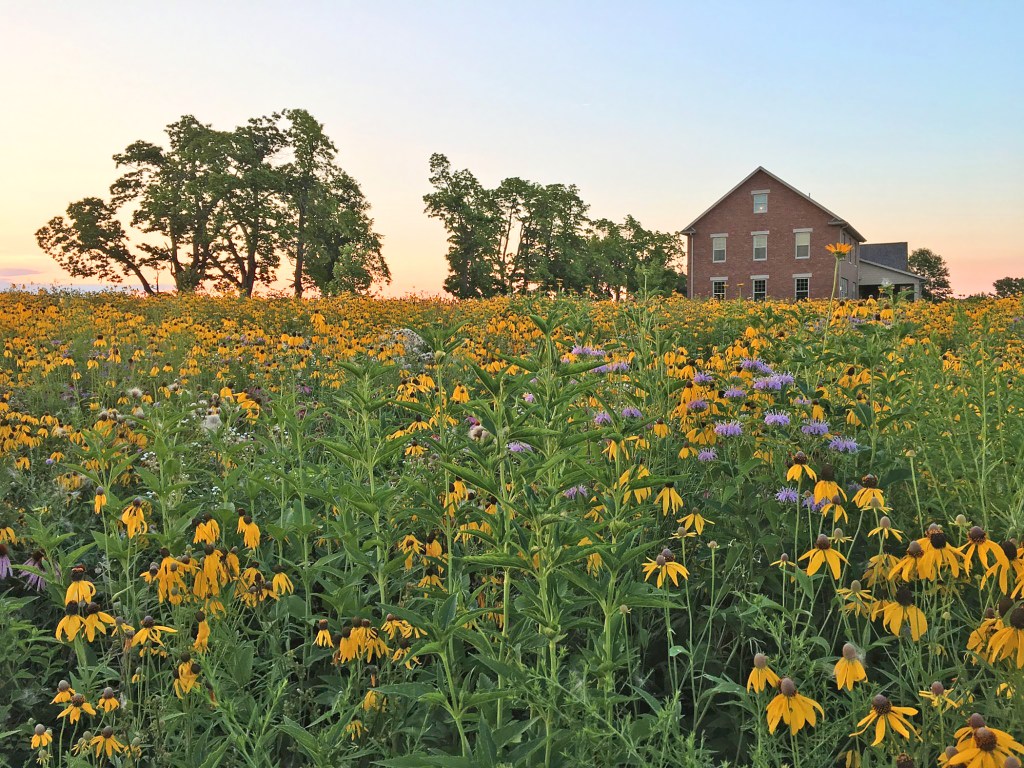
As reported in previous issues, an exciting new chapter in our history of gardening for pollinators opened five years ago when, as an educational project, the Putnam County Master Gardeners designed and planted a pollinator habitat garden next to Red Fox Cabin. The dedication and hard work of the Master Gardeners have made the site a model in miniature of what a pollinator habitat garden should be—not rigidly structured, mulched and manicured, but purposefully planned, nevertheless. It’s become a diverse riot of plants that offer food and shelter for a stopover or home for an entire life cycle. It’s fenced in and has a handsome gated entrance, decorative hardscaping and informative signage.
Before the Master Gardeners turned the first shovelful, they studied pollinator issues—who the pollinators are, their vital ecological importance, the features of a pollinator habitat, and devastating environmental challenges to survival, including pesticide use and habitat loss. Because land is increasingly polluted, paved over, robbed of diversity, and otherwise made unsupportive, the distances between food and rest sources may be too great for long-distance migrators—for instance, bats and Monarchs—to survive their journeys.
Some concerned environmentalists have proposed creating pollinator corridors to support migratory pollinators throughout their journeys. The idea is for people living along migratory routes to make a concerted effort to offer habitats with food, water and shelter—even if they’re only a few square feet of garden space—at intervals necessary for life-saving stopovers.
An intriguing “what if?” is this: what if people living along interstates, highways, or even country roads like the one that runs past The Quarry Farm were to join in common cause to learn about pollinator issues and then plant habitat gardens, uncontaminated, big or small, along their “corridors.” Several residents on our country road have already established pollinator gardens and larger habitats. What might happen if we organized, gave our cause a name and spread the word?
—The Gardener at Red Fox Cabin
 This is a year of dragons. Saddlebags, skimmers, twelve-spots and white tales dive-bomb the farm animal sanctuary yard, plucking mosquitoes before they latch onto exposed skin. It has been stupid-hot of late, enough to keep the dragonflies under cover at mid-day. But in the evening, their wings shimmer position for hovering and steep dives.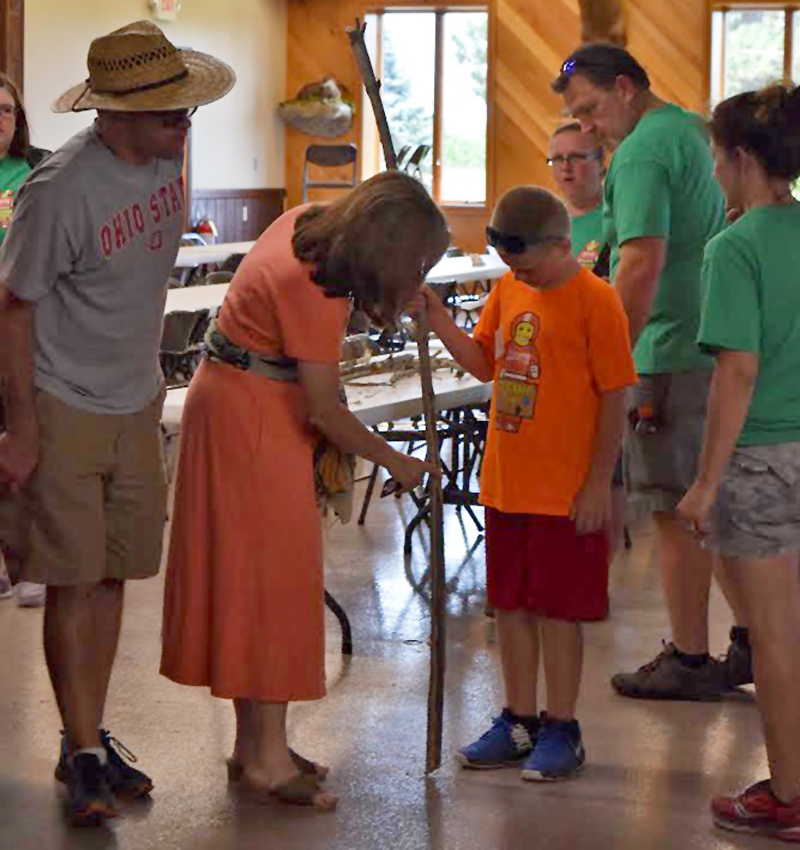
 This land that we two-leggers call The Quarry Farm has been in family hands for a long time. I remember walking up the trail toward what we still call ‘The Cut-Off.’ My Uncle Carl led the way. He was a teenager and I was pretty sure he would get us home. This wetland, an oxbow severed by 1950s-era engineers from the free-flow of Cranberry Run, was the outer reaches for me. I had faith that teenage Carl, a grown-up to grade-school me, would know the way back.
 Around the time that Carl and I took that walk, I decided that my mission was to preserve this 50-acre island. I know how lucky I am to have this memory. After adult years of looking for my purpose in life, I realized that my small self was right. I came to my senses in time for my child to create her own memories among the native flowers, trees and cricket frogs that sing of wild spring here. Luckily, My Steven agreed.
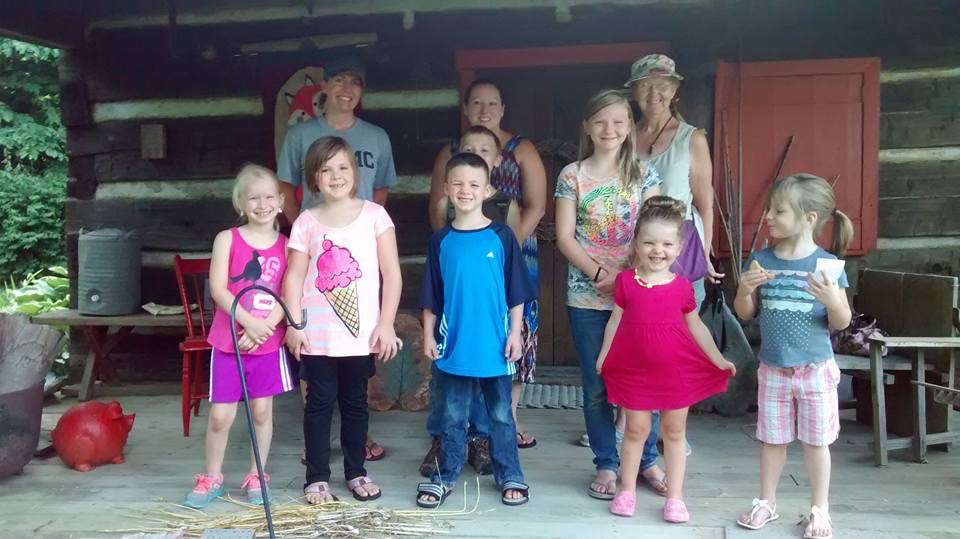
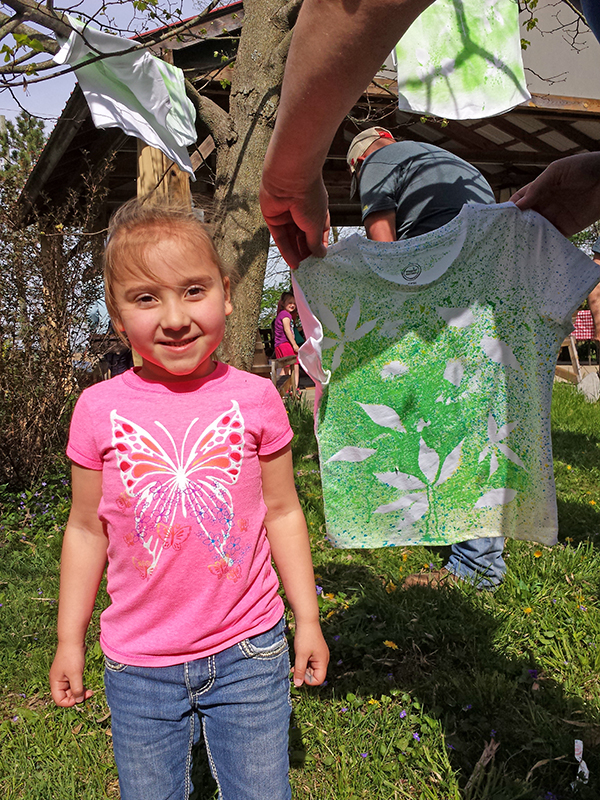 Last week, we introduced The Quarry Farm to children, teachers and parents from Patrick Henry Preschool. On May 9 and 10, they made lasting leaf shirts from the foliage of blooming buckeye trees. They took a “Smelling Hike” of Red Fox Cabin gardens to enjoy the scents of mint, costmary, and viburnum. They saw the inhabitants of Cranberry Run and were greeted at the farm animal sanctuary gate by pigs Nemo, Carlton and Beatrice.

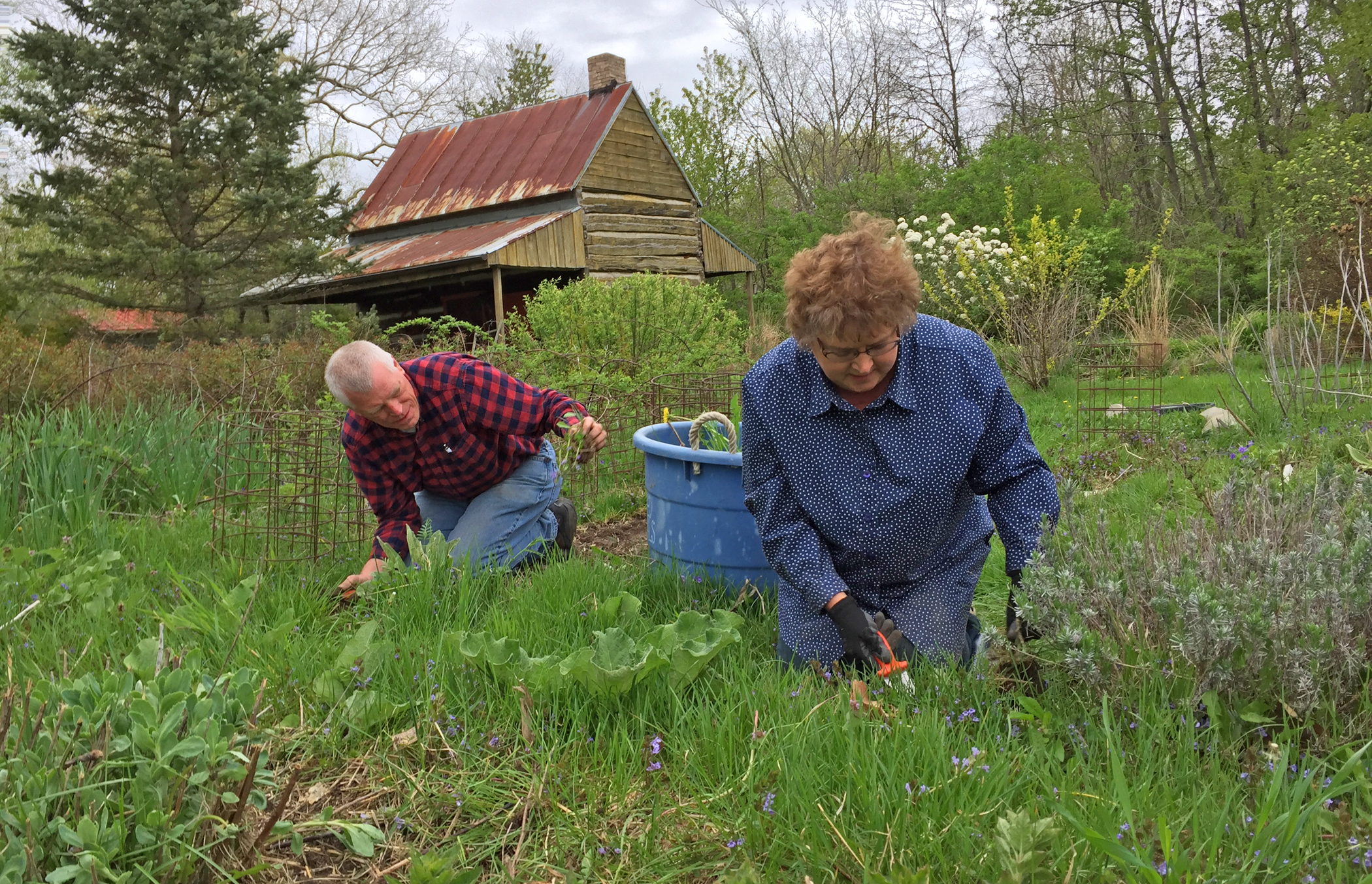
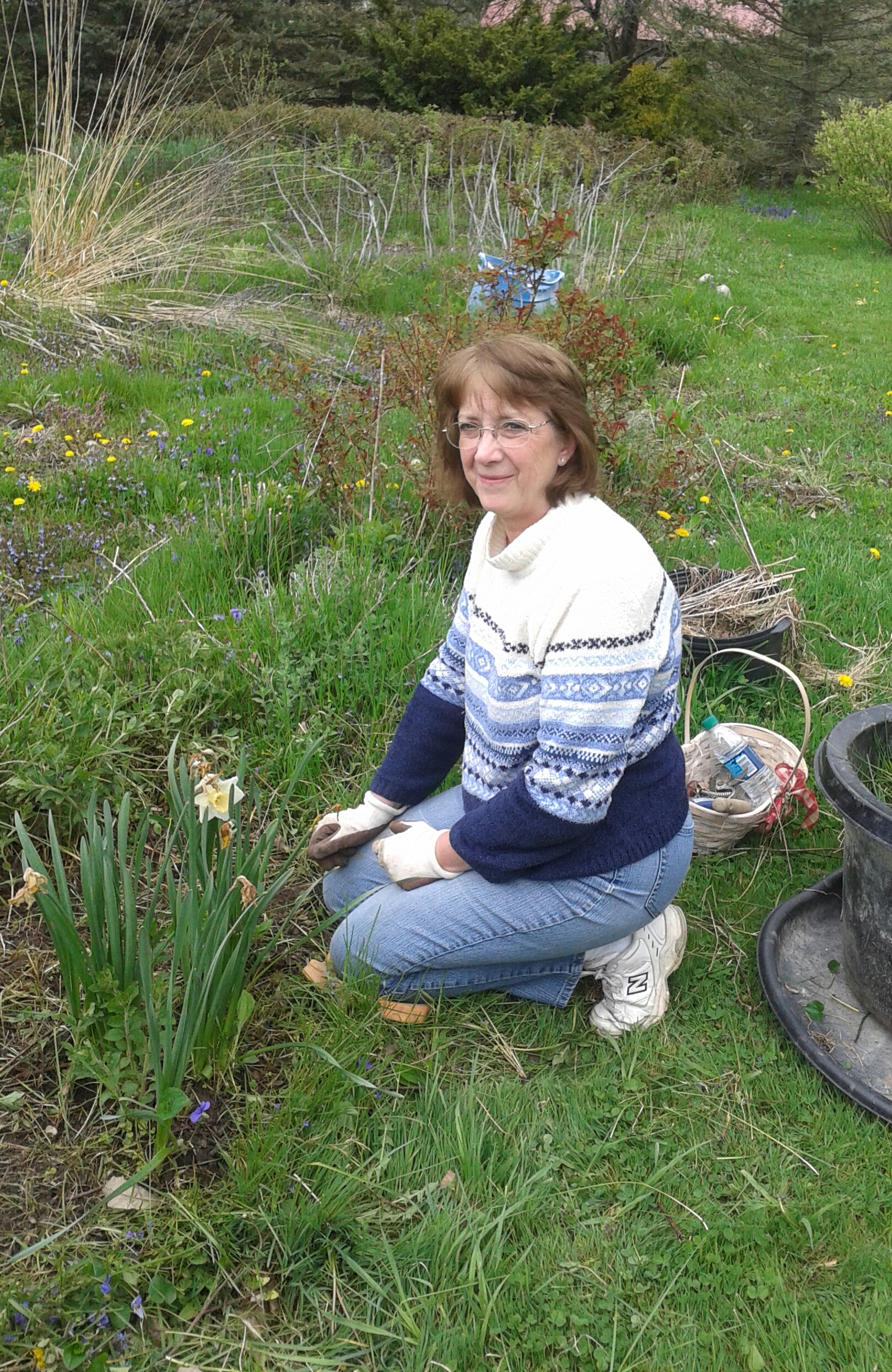 And the beat went on, with Holly Huber stopping by to dig in.


