I think it will always thrill me to overhear someone asking someone else if they have ever been to The Quarry Farm, for people to talk about the animals, birds, gardens and the clarity of the stream. Not everyone will turn over their yard to goats, roosters, and geriatric pigs, but gardens—the riotous kind filled with a variety of native flowering plants—and trees can make birds and clear water more common. This region’s native grasses and trees have long, branching root systems that hold the soil like a strong net. Have you ever pulled English Ivy? This non-native is tenacious and fast-growing but you can remove a large patch with one pull, so shallow-rooted and interwoven is this European transplant. In contrast, ever tried to pull a Common Milkweed in its entirety? Best of luck.
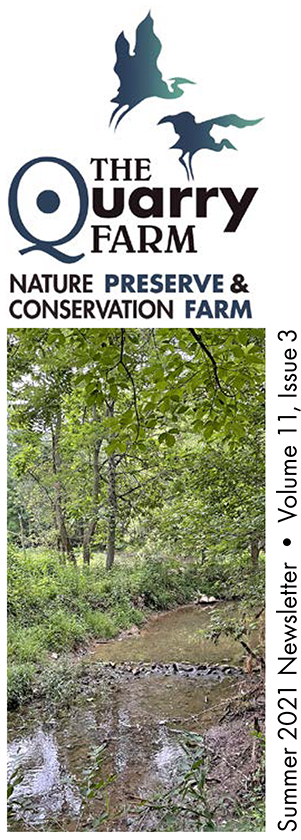
Old Man Sycamore in the north floodplain of the nature preserve has a hollow base that provides shelter to who knows how many creatures each night and during winter’s worst. As shallow-rooted landscapes topple across Northwest Ohio, he and the 300-year oaks withstand wicked flood currents and down-bursts. As the floodwaters recede, the forbs at his feet grasp run-off silt and soil. Within 36 hours, Cranberry Run is clear again.
You hear a lot about native plants these days. Big-box stores as well as local nurseries stock a variety of plants labeled as native. Keep in mind that native doesn’t always mean native to here. Also, ask your green-grower what kind of substrate your plants are potted in. Mass-marketed plants are often potted for long shelf lives, their roots sandwiched in neonicotinoid-laced soils that wreak havoc on bees and other beneficial insects.
Remember that part about riotous gardens? Variety is the spice of life. Some native plants can be invasive without other native plants to keep them in check. The Quarry Farm Gardener finds it necessary to parcel out starts of Coneflower every now any then, as well as Menarda (Bee Balm). Much is made of the benefits of keeping Common Milkweed for the Monarch butterflies. Without Ironweed, Coneflower, Asters, and Common Hackberry trees to watch over them all, who will feed and shelter Comma, Question Mark, swallowtails, and the Hackberry Emporer butterflies? And without Jewelweed and its orange orchid-like flowers nodding on the riverbanks and floodplains, how will I ever be rid of this confounded poison ivy rash?


 There’s a lot of history in and around The Quarry Farm, not to mention up the road.
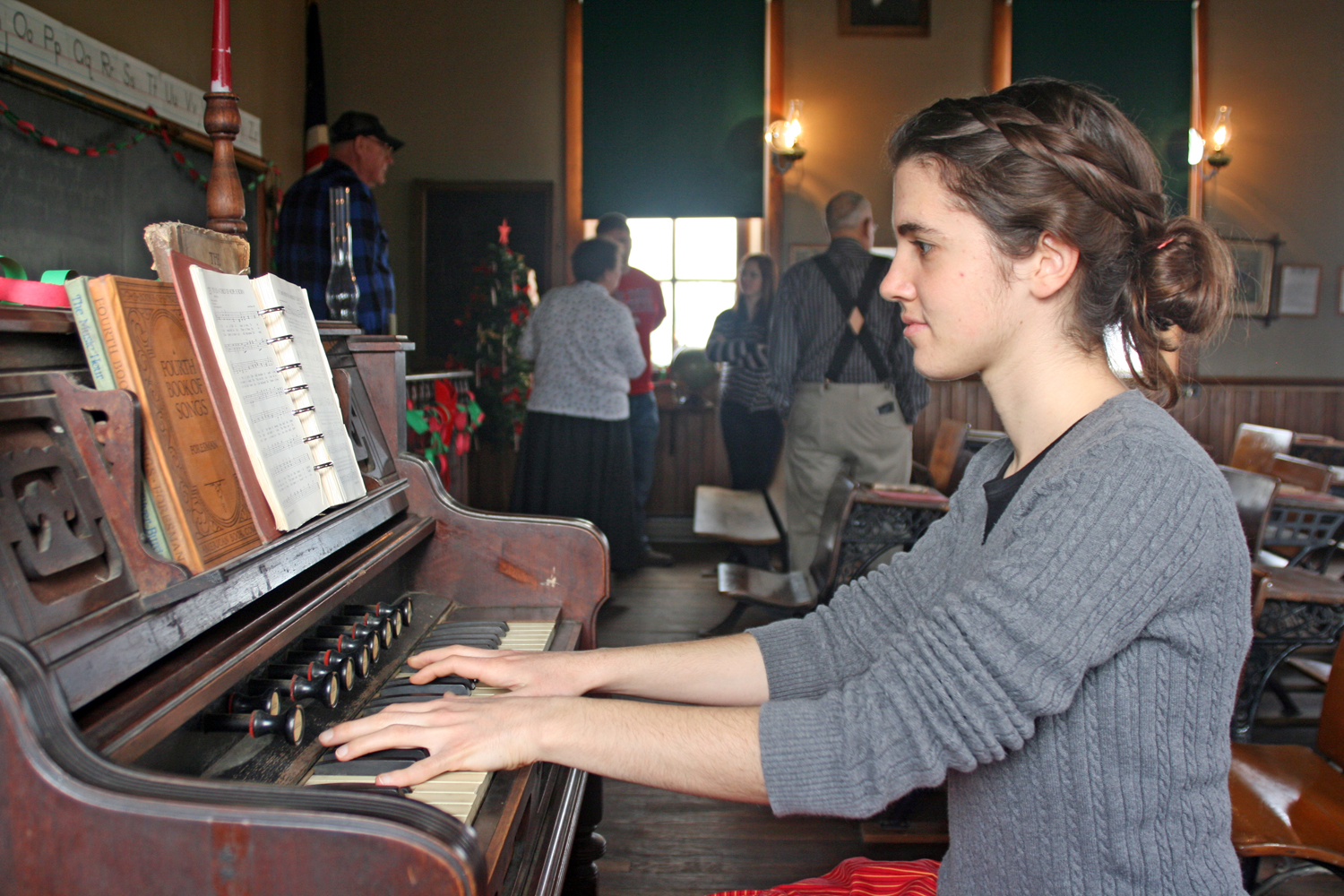 North on the same road and across Riley Creek is Bridenbaugh Schoolhouse. Imagine a one-room schoolhouse on every country mile and you will picture the education system as it once was in rural Ohio. In 1997, Dale Bridenbaugh restored the schoolhouse on his farm to what could have been its original 1889 glory.
 Cross the Riley on the c. 1876 M-6 bridge, itself listed in the Historic American Engineer Record as an example of “Morrison’s Patent Wrought Iron Arch Truss Bridge,” travel about a mile and a half north on 7L and sit in the stillness and peace of Riley Creek United Methodist Church. The church was founded in 1850 and is still active in one large, lofted room. Sun and moonlight filter through etched and stain-glass windows to pool on handmade wooden pews. The long upright-backed benches glow with the hand polish and years of congregational sitting, but the names of former youth break the smooth surfaces here and there.
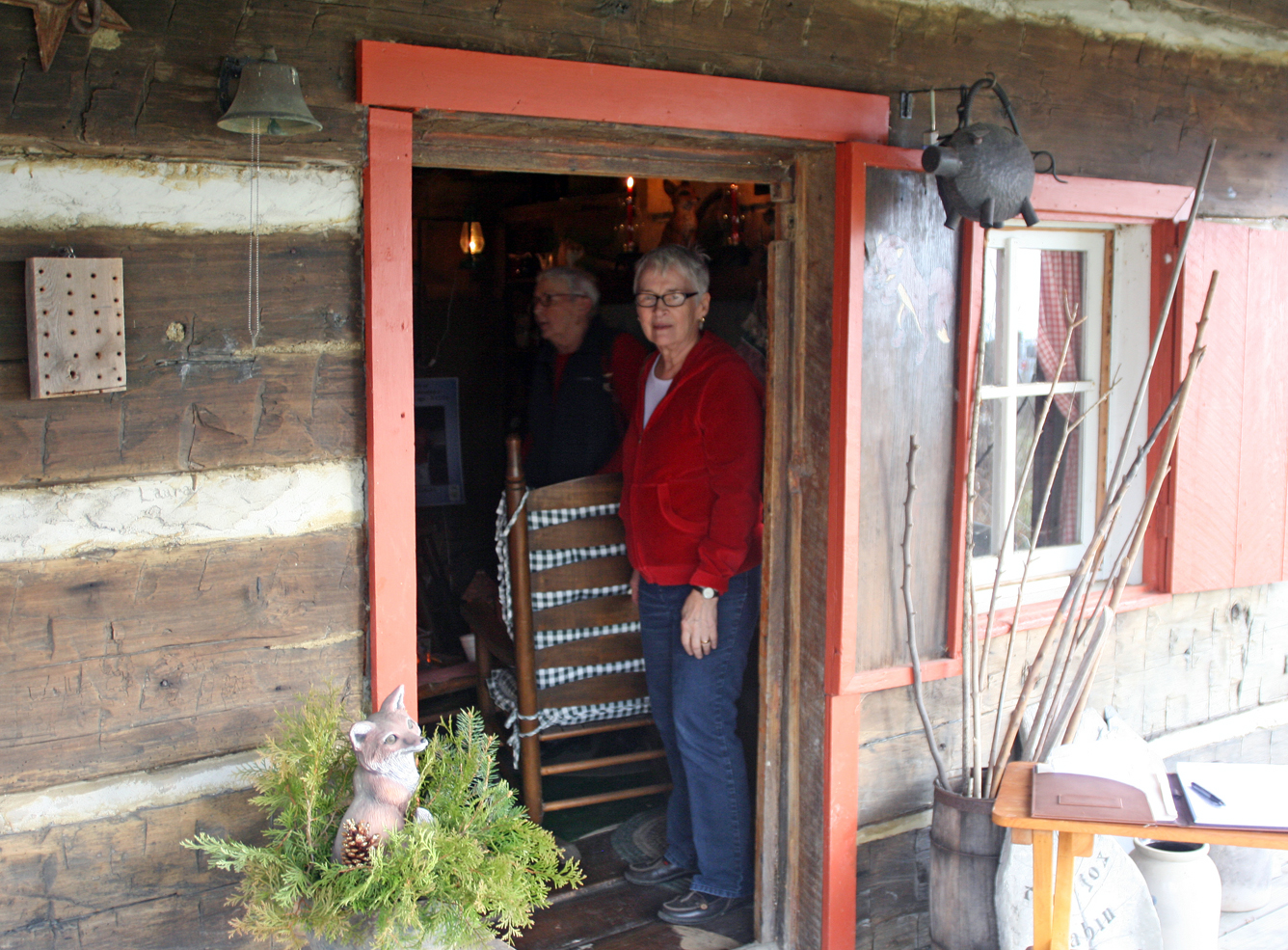 Saturday broke records for December warmth and, although we could use some rain or snow to soften the dry bed of the quarry, the weather was perfect for the first Old Time Riley Creek Christmas Tour. All of the above were stops on the route. All were decorated for the holidays, most as they may have been long ago. Riley and Pleasant Township saw plenty of driving tourists as a result. One of the visitors was Pandora’s Dr. Darrell Garmon. He walked up the path through the Red Fox Cabin gardens and introduced himself as Dr. Garmon and as the person who poses as Sea Captain James Riley.
 Next door, Carlton, Beatrice and the other potbellies, a speckling of chickens and Johnny Goose gathered at the farm animal sanctuary fence corner closest to the hubbub. Lucy’s foghorn bray paused more than one conversation. Two tourists left the cabin and stopped at the gate where the turkeys were on full display. Buddy took issue with the attention the boys were getting, so he grabbed a mouthful of tail feathers, spit them out and smiled. True story – the couple took a photo and promised to share it with us.