bending the rules

Earlier this week, we received a call from a friend of ours, Natalie, at Nature’s Nursery Center for Wildlife Rehabilitation and Conservation Education. It was, she informed us, time for a release, something that we’re always up for. So Nat came down with four Virginia opossums, a woodcock and a juvenile blue jay.

The release of the opossums went off without a hitch (though one did cling to the top of my shoe and hiss at me for all he was worth before finally scrambling off toward Cranberry Run). The woodcock’s release was equally uneventful, but exciting, even so. We regularly see and, more often, hear them here in the spring. But, to the best of my knowledge, this is the first time we’ve released one at The Quarry Farm.

The blue jay, on the other hand…

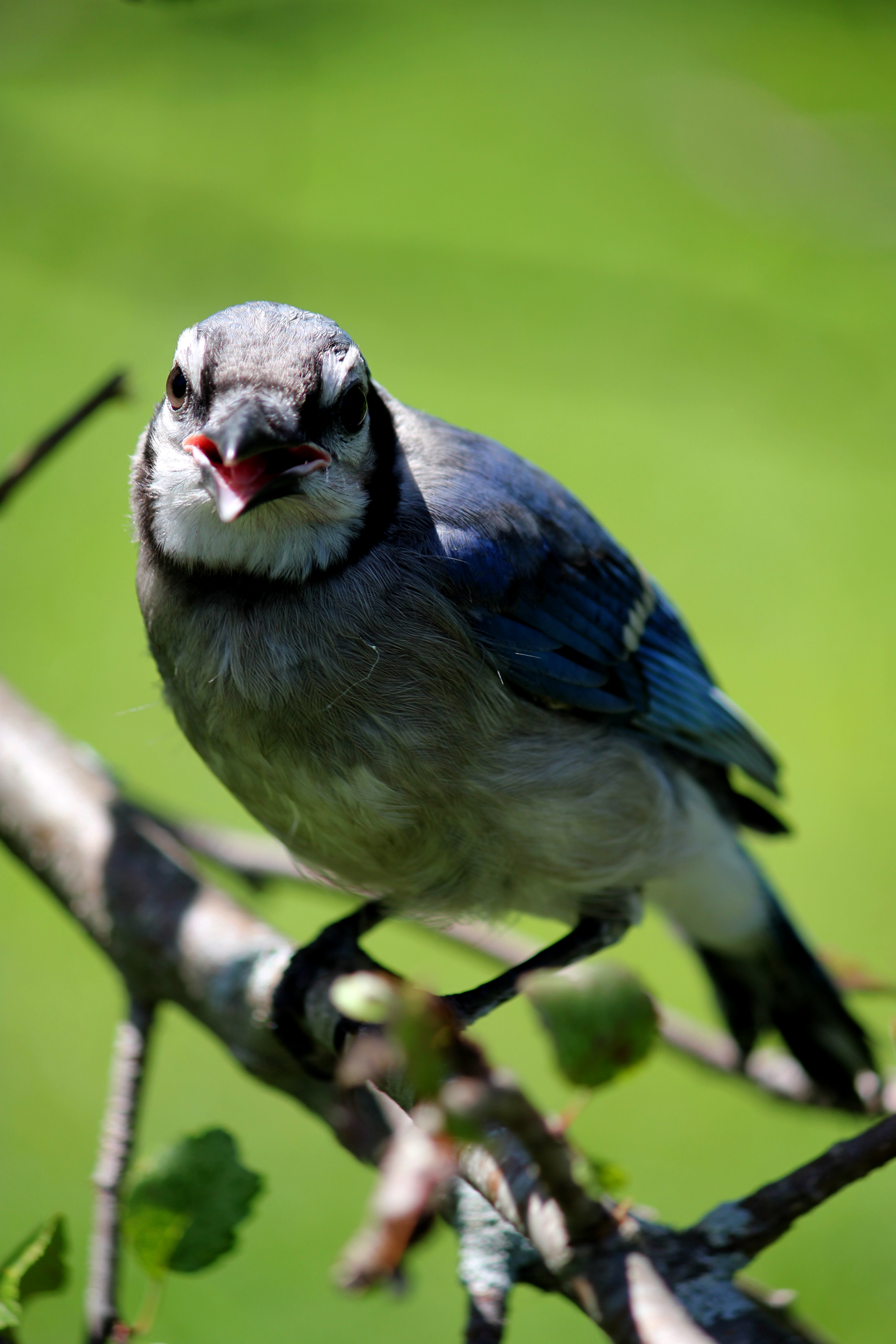
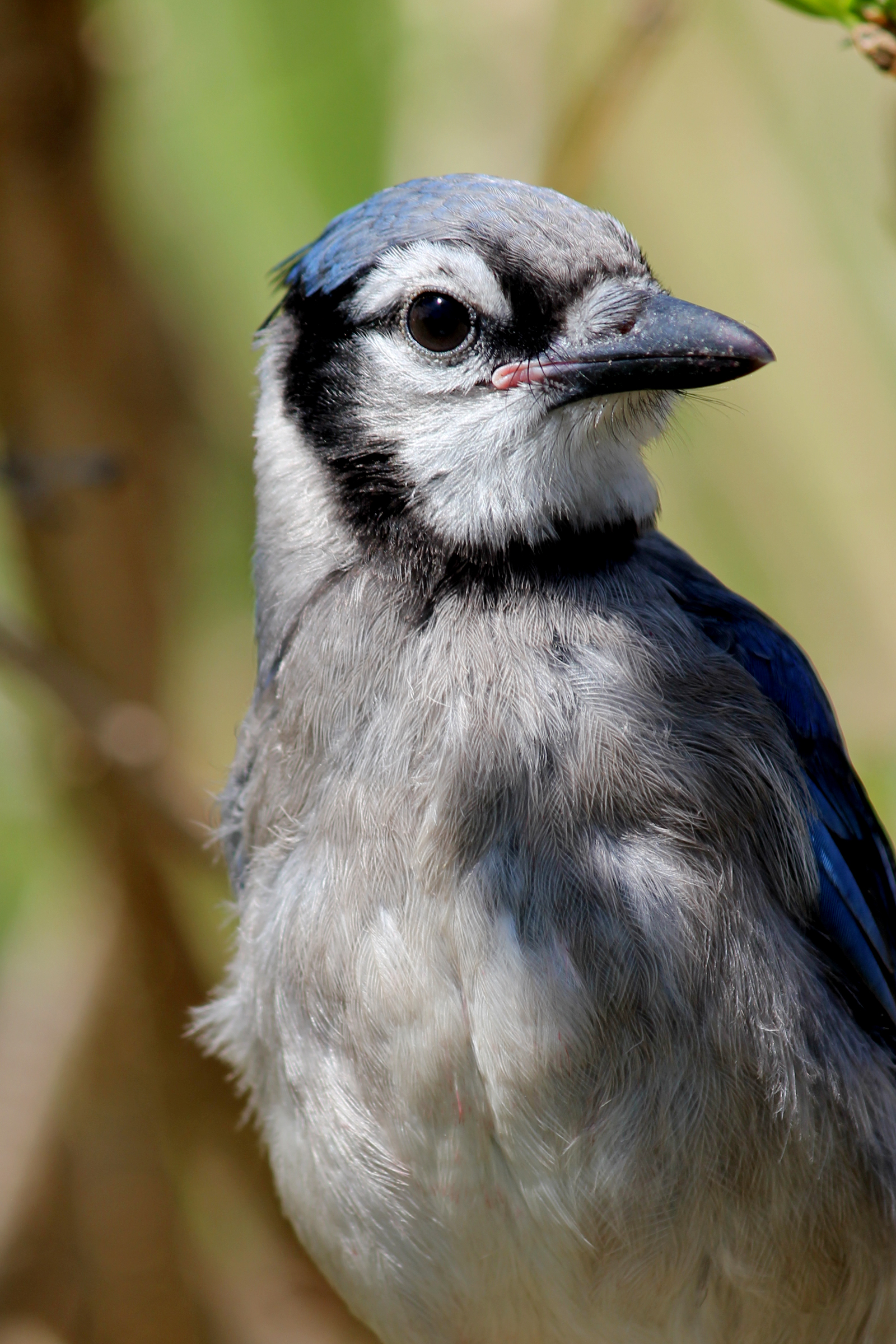
jay bird 3A release, in most cases, is a relatively simple affair: you transport the animal to a suitable location, open the door of whatever is containing the animal, the animal exits its containment and then, ideally, it has the whole of the world to explore,  or at least as much of it as it can reach. It is free, beholden to and dependent on no one and nothing. The jay nearly made it. Nearly. He was brought here, the door was opened, he flew out and…he stayed.

Blue jays are corvids, cousins to crows and ravens, and like their cousins, they’re complex, intelligent birds. They’re also communal, living in extended family groups in the wild. Both of these factors, their intelligence and their sense of community, help them to survive Out There. Both of these factors also make them easy to imprint, particularly when they’re raised alone, as this jay was. With no family to turn to for help, he stays in the only community he’s ever had, with the only company he’s ever known: people.

We had the usual concerns when we released him and began the process of moving him toward self-sufficiency, predation being at the top of the list. Blue jays are slow fliers and as such, easy pickings. Along with a number of cats that treat The Quarry Farm like their own private larder, there are the wild things that prey on jays: raccoons and Cooper’s hawks and screech owls, primarily, but weasels and even the blue jay’s cousins, the crows, as well. We’re even a little concerned about the chickens; a few of the Jersey giants have developed some unusual feeding habits…but that’s a different story for a different day.

What we didn’t see coming, though, what has proven to be this jay’s greatest challenge, are the cedar waxwings.

calling waxwing

accusing waxwingThey found him nearly right away, the waxwings, and they’ve kept an eye on him, and occasionally a beak or talon, ever since.  When one spots the jay in the open, it will call the others with short trills, glaring all the while. They harass him in groups of two or three or four. It’s startling to watch. Where jays are slow and somewhat awkward fliers, waxwings are sleek and fast and the coordination that they exhibit as a flock is nearly military in its precision. But the jay is smart and takes cover in the dense foliage of apple or coffee trees, hugging the trunk and keeping branches between him and his attackers. Which is not to say that they don’t occasionally get to him, that he doesn’t sometimes need help, protection. Three pinpoint spots of blood on his neck and face tell tales of brief melees that haven’t gone his way. So I watch, now, a little more closely and step in when the odds are too dramatically out of his favor. Either I drive them off, or he comes to me, alighting on my shoulder and hiding in my admittedly thinning hair.

hiding jay

This is where the gray area of my participation in this wild thing’s life has the potential to turn black. Because it’s beguiling, this trust he shows in me, this faith. When he sits on my shoulder, when he tucks his head behind my ear, I am, in some small way, connecting with the heroes I read about as a boy. Jean Craig Shepherd’s Sam Gribley and the peregrine falcon, Frightful. Ursula LeGuin’s Ged and his otak companion. Rudyard Kipling’s Mowgli with his family and mentors: Raksha and Bagheera and Baloo.

jay bird 2Even so, contrary to what some conventional wisdom suggests, what some rehabbers would insist on, I refuse to drive him away. And not only do I refuse to drive him off, I encourage him to stay. I call him to me and present him with food and, when necessary, I protect him. I justify my behavior with the knowledge that, if he’d been raised by other jays, the adult birds would still be a part of his life, defending him from predators and competitors and helping him find food. The fundamental truth is that he’s a young juvenile in a strange place with no other means of support. As rationalizations go, this one is exceedingly rational. Because he needs it, support. Without it, his chances for survival drop alarmingly.

Just like Cat Stevens said, “It’s a wild world.”

jay bird


Spot the frog

Over the past few weeks, we’ve spent a fair amount of time kicking around the wilder areas of The Quarry Farm, traipsing about under an increasingly dense canopy of hardwoods and skirting the edges of the quarry where what appears to be solid ground is, more often than not, more akin to thick, black soup. At this time of the year, the one common element of every off-the-map habitat, whether it’s in the woods back by the Cut-Off or wading through Cranberry Run, are the mosquitoes. They rise in humming clouds so dense that the beating of their wings creates a perceptible breeze. Even so, the very habitats that give rise to this scourge also foster a teeming number of solutions. There are dozens of species of dragonfly and damselfly patrolling the property. During the day, acrobatic swallows and other small songbirds cut the air, while at night, bats chitter a welcome swath of destruction under the stars.

And then there are the frogs.

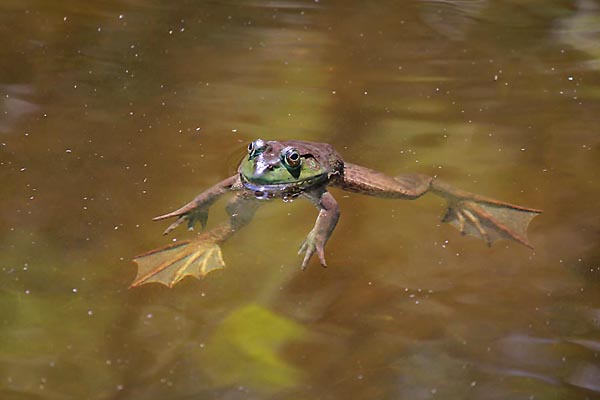
Northern leopard frog Lithobates pipiens

Northern leopard frog
Lithobates pipiens

American bullfrog Lithobates catesbeianus

American bullfrog
Lithobates catesbeianus

Globally, frogs and other amphibians have suffered dramatic population declines over the past three decades. Even here, on the quarry, we’ve seen specific species numbers, like the American bullfrog, dwindle. Where there were once multiple waves of small bullfrogs racing into the duckweed-covered water of the quarry, now there is a fraction of that number, their individual voices discernible as evening progresses into night. Even so, they are here, though in limited numbers, as are Northern leopard frogs, the Northern green frog, the Northern spring peeper and the gray treefrog. And one more…Blanchard’s cricket frog. Its presence is cause for celebration.

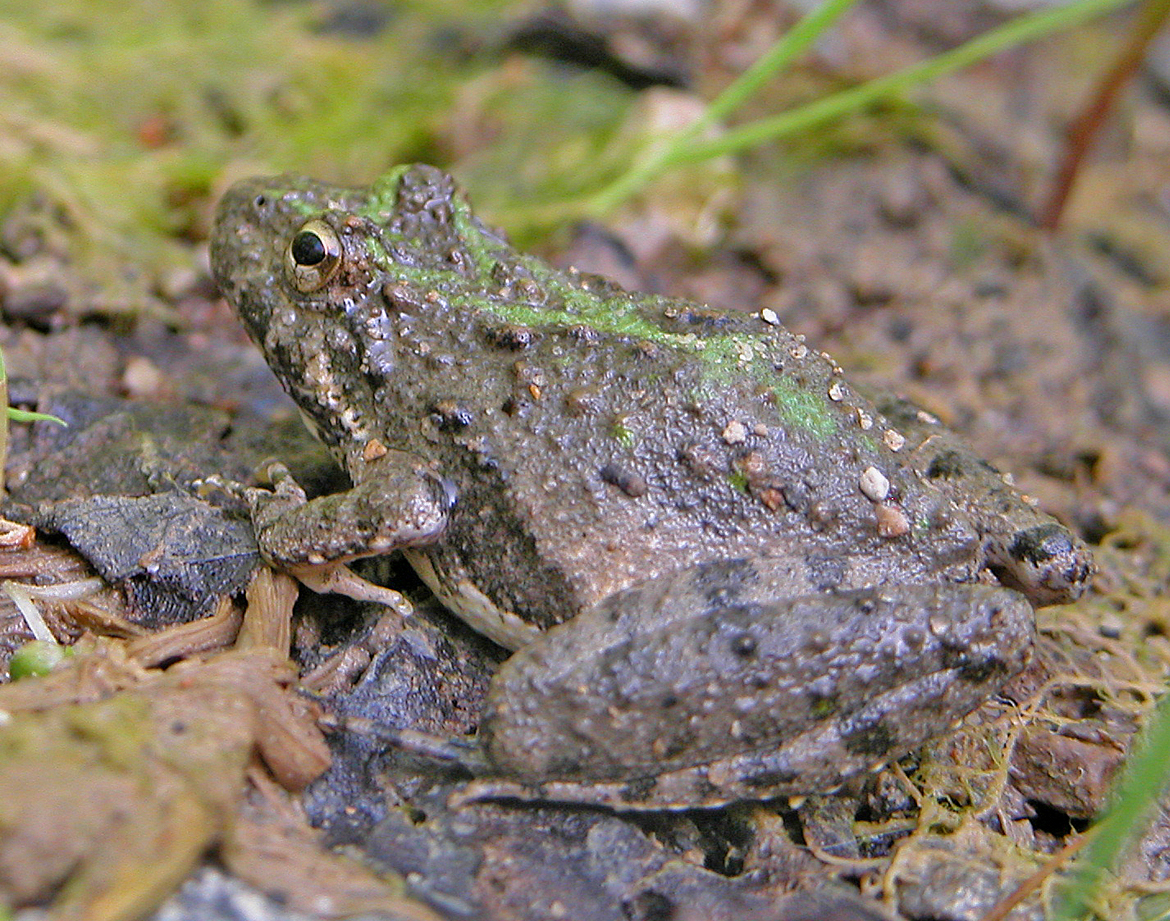
Blanchard's cricket frog Acris crepitans blanchardi

Blanchard’s cricket frog
Acris crepitans blanchardi

Twenty years ago, Blanchard’s cricket frog was so common that it was frequently referred to as “ubiquitous” in reports detailing amphibian populations in North America. Now, the species is considered endangered in Wisconsin, of special concern in Minnesota and Indiana, protected in Michigan and extinct in Canada. Universally, throughout its range, Blanchard’s cricket frog is suffering. Although it fares better in Ohio, even here, radical population declines have been reported. Thankfully, on the quarry, their numbers are not only persisting, but arguably growing. While part of the nighttime chorus for at least the past ten years, the voices of the indigenous population of cricket frogs are becoming dominant.

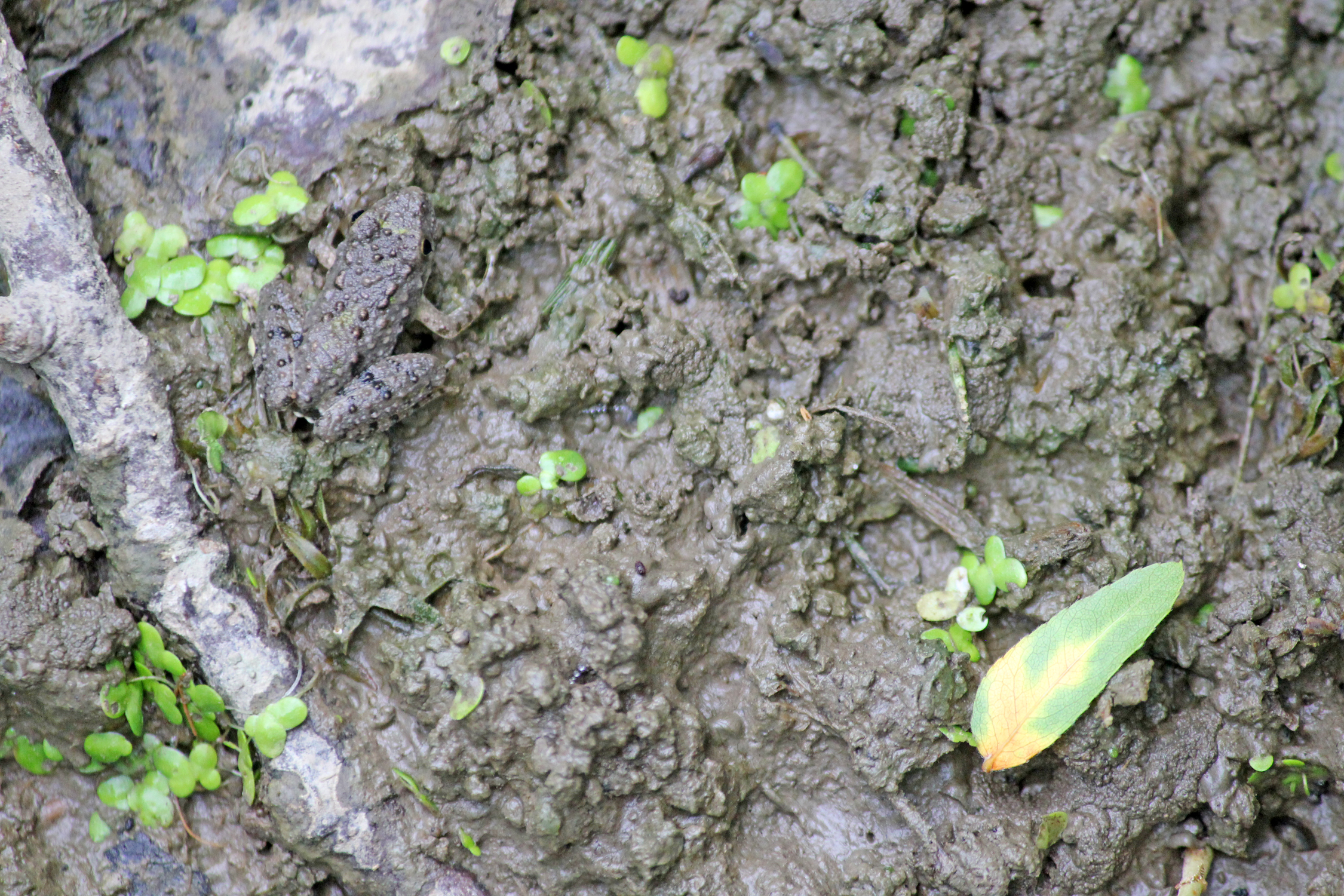
So, in celebration of this little frog (it’s less than an inch-and-a-half in length) and its very big impact on the mosquito population, it’s time to play Spot the Frog. It’s a simple enough game with just one basic goal. So, without further ado…

                                                                  SPOT the FROG

On the quarry

For those who aren’t already aware, we didn’t come by The Quarry Farm name through sheer chance. It wasn’t a challenge presented by an odd acquaintance – “Hey, you know the letter Q’s not used all that much…Think you can come up with a ‘Q’ name?”

No.

The Quarry Farm is what the Seitz clan all called this particular branch of their dairy operation, this specific geographical spot. It was here that the family grazed cattle and Jersey calves, ponies Cookie and Babe, and cultivated hay. And, because they’re not all completely arbitrary in their actions, they had a compelling reason for calling The Quarry Farm “The Quarry Farm.”

In the late 19th and early 20th centuries, there was a string of quarrying operations throughout the area and along Riley Creek and Cranberry Run. Flagstone and limestone, plentiful in this part of the state, were the primary objectives. One such operation was located here and, though several small springs forced its closure, here it remains.

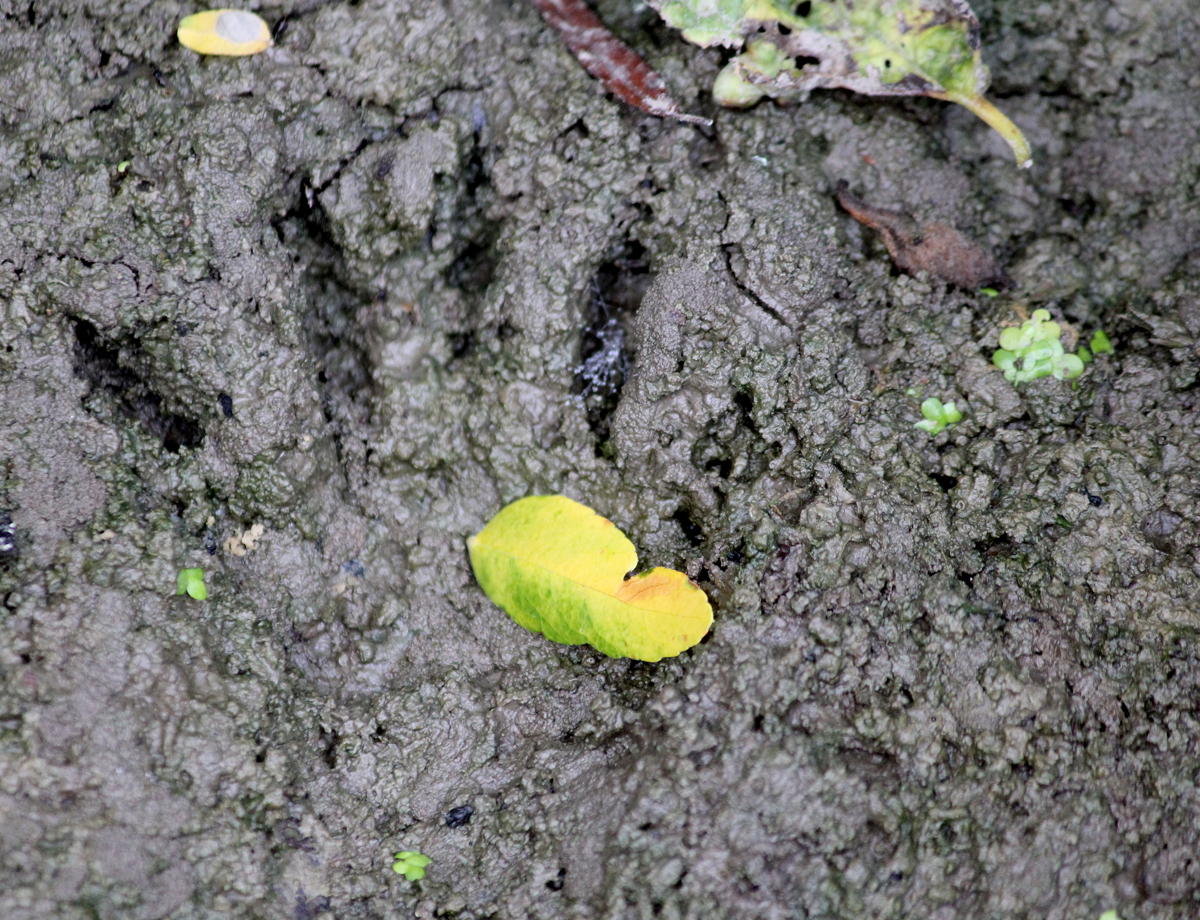
Raccoon PrintWhile at one time well known for sizable fish, the quarry underwent yet another change when, in the 1950s and again in the 1980s, local governments opted to dredge and straighten Cranberry Run in an effort to abate flooding in Putnam and Allen Counties. The spit of land separating the two bodies of water eroded to the point where the stream steadily deposited silt into the quarry until, nearly three-quarters of a century later, the quarry bears more resemblance to a wetland than to a pond or lake.

Twelve-spotted skimmerAs such, it’s home to a host of animals. There are dragonflies and damselflies in abundance. Water fowl feed and nest here and there is a treasure trove of amphibians, including a thriving community of Blanchard’s cricket frogs. Recently, we’ve discovered salamanders in the area and, this past spring, spotted what we suspect was a river otter in the one area of the quarry that still retains some degree of depth, though it’s failed to make a more recent appearance.

Here it is then, the quarry from which The Quarry Farm earned its name. And, while photos are fine, such as they are, the experience is more satisfying first-hand. So give us a call. We’ll be happy to show you around.

This slideshow requires JavaScript.

violet jelly, Mother’s Day and a walk in the woods

Violets We’re always looking for a reason to celebrate, here on The Quarry Farm, teasing out any excuse to pull together with friends and family for food and song and conversation, but particularly food. Today, we didn’t need to look far; Mother’s Day is a perennial favorite. So we set up camp in the Seitz Pavilion, the shelter house on the north end of the cabin grounds, and laid out the spread ‘til the tables groaned. There were cold-cuts and salads and chips and dips and condiments, but for the Seitz family, the meal is what you have to wade through in order to get to dessert. Never was there a single family with so many talented bakers. Today’s menu included strawberry cake and rhubarb, cherry and black raspberry pies. Here, then, was one of the many faces of bliss.

When we were done, Anne and I took a short walk back on the quarry so that Anne could pick violets. For the past several years, we’ve made it a habit to make violet jelly and this year is no exception. I hobbled along behind, determined to work off some of the weight I’d just packed on. And while Anne worked, I played, taking quick photographs of anything I found myself looking at.

Painted TurtlesThe quarry itself is one of my favorite places. It rarely fails to offer up something worth watching, a moment worth recording. Painted turtles, sunning themselves on a log, sat still jFrogust long enough for a single image capture. Ranging along the shore, a solitary sandpiper picked its careful way around the quarry while a pair of wood ducks coursed nervously back and forth. A green frog, or possibly a bullfrog, just barely broke the water’s surface, .

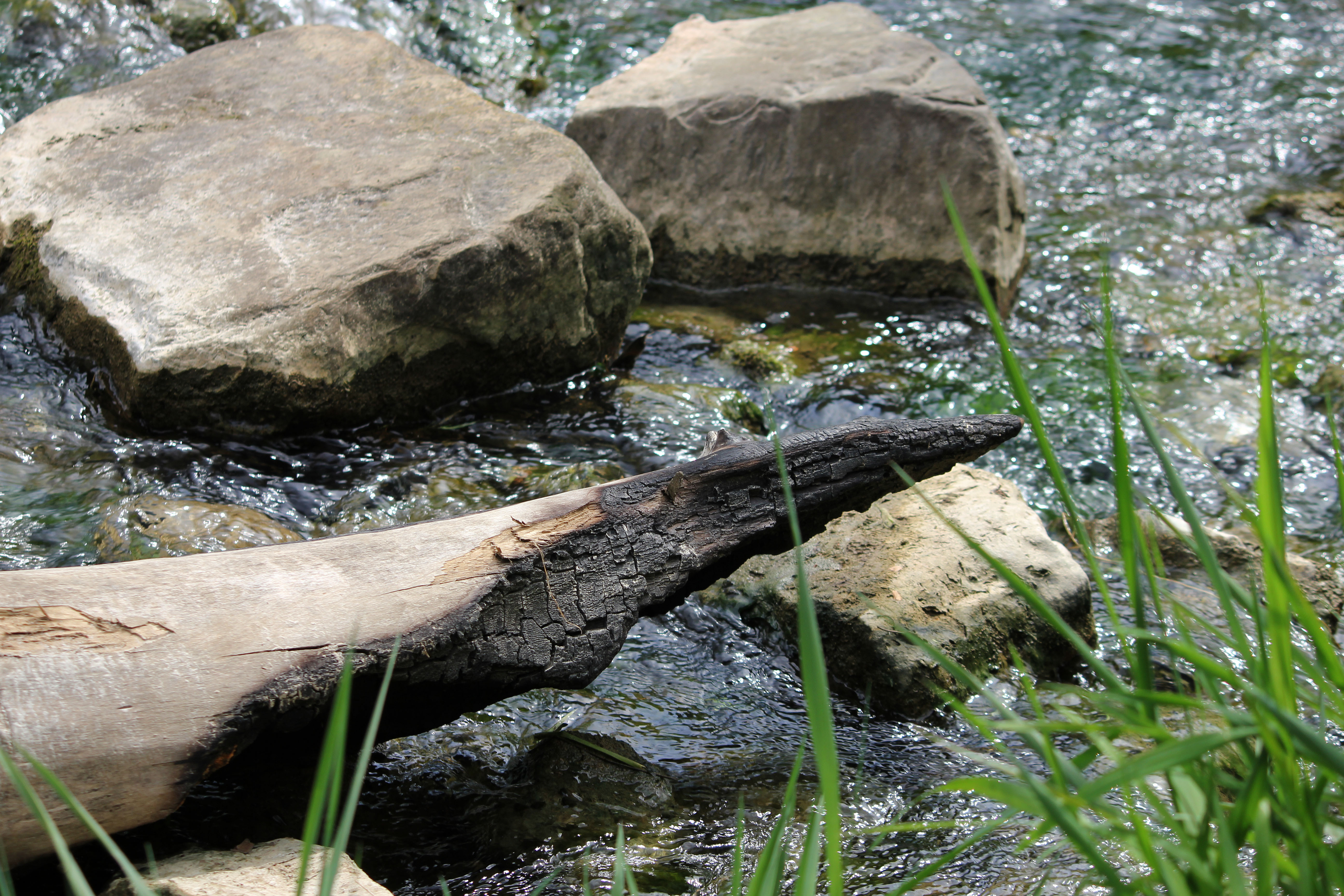
While any body of water is tantalizing, moving water is even more so. Cranberry Run, the stream that courses through the Riffleproperty that makes up The Quarry Farm, is a source of constant fascination. At what we commonly call the ford, a partially burned log was caught up in the rocks that create a riffle there. While we didn’t bother looking, there are undoubtedly any number of aquatic insects and other macroinvertebrates sheltering beneath it and the stones that the Little Cranberry swirls over.

There are paths cut through the woods that make up The Quarry Farm. What was once pasture land for dairy cows has worked Virginia creeperits way through a succession of stages that have brought it to its present state, something that is more and more resembling the temperate, hardwood rain forest it once was. Where there were once scrub trees, shrubs and bushes there are now primarily sugar maple trees and black walnuts. Virginia creeper and poison ivy climbs these trees, using the bark as a lattice and creating a curtain of green and red.

Just slightly off the beaten path is the area we call the Cut Off. Sometime in the 1950s, in an effort to move water more quickly away from agricultural land, area waterways were straightened, or “ditched,” as was more commonly said. What is now the Cut Marsh MarigoldOff was an ox bow in Cranberry Run. The county simply recoursed the stream and blocked off the oxbow, isolating it from the stream. Even so, the Cut Off is an aquatic habitat on its own. The tile from a nearby field empties into the old ox bow and keeps it hydrated for most if not all of the year. Here there are all manner of plants and animals that survive despite the damage done to Cranberry Run. Dutchman’s britches and may apples grow along side ramps. Recently, after a trip north to a nursery that offers only native species, Anne returned with a sampling of marsh marigolds that she planted near the water and in a swale that helps to feed the Cut Off. We were pleased to find them thriving.

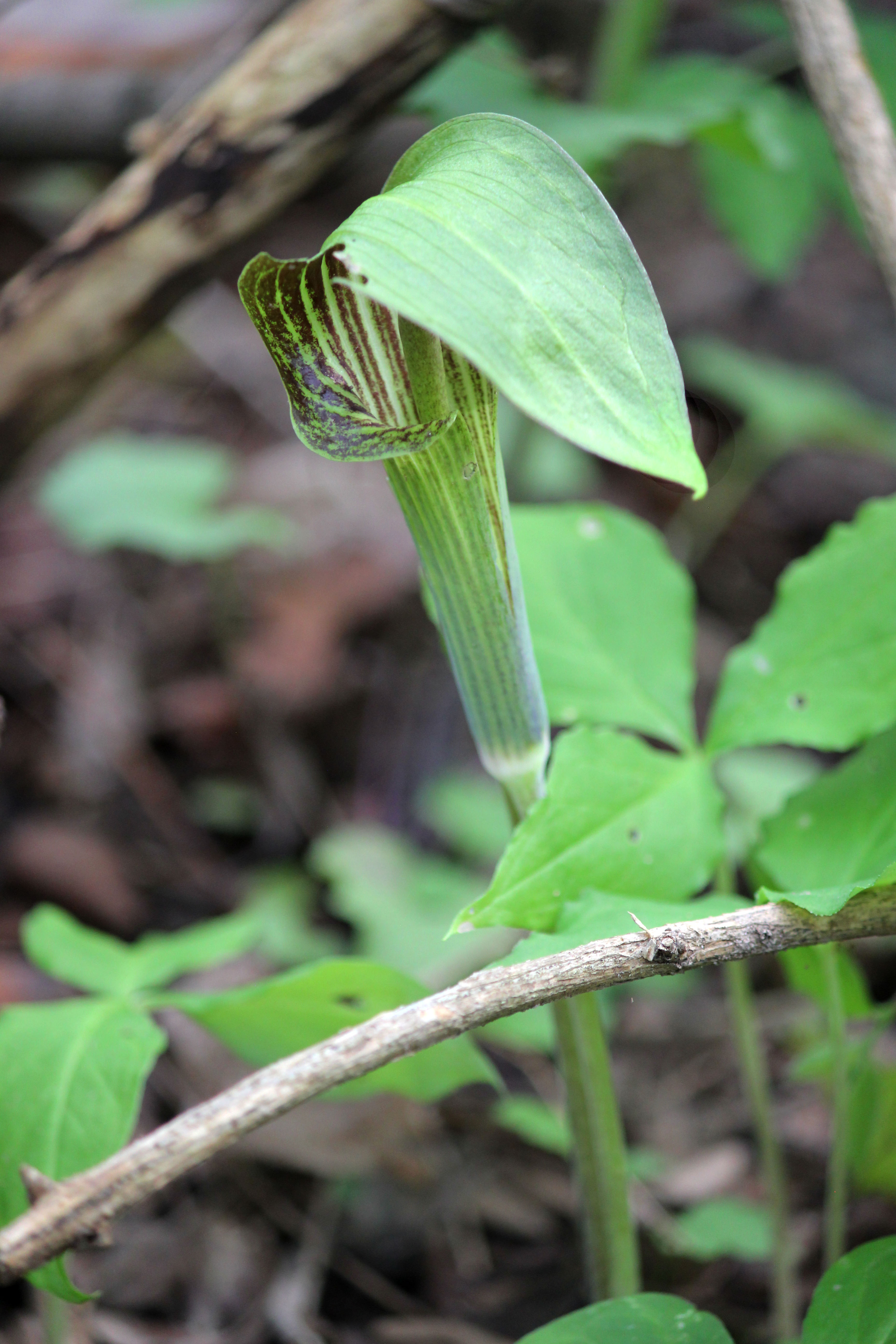
Jack In the PulpitWhat we didn’t photograph was at least as exciting: a rufus-sided towhee, a common yellow warbler and a black-throated green warbler. There were dragonflies and turtles and dozens upon dozens of plants, some flowering some not, that are only now gaining a toe-hold here on the quarry, plants that we’ve talked about transplanting here that have, instead, and thankfully, arrived on their own. Plants like wild ginger and dragon’s tongue, jack-in-the-pulpit and bloodroot. The plants and animals that make their homes here are, like the stream that runs through The Quarry Farm and the face of the land itself, constantly changing, Even so, it allows for a familiarity that breeds comfort. For that, we are forever grateful and excited by the new challenges and opportunities that every day presents.

Wood Ducks

Winter news

2014 Winter NewslettercoverS'moreWith temperatures above 0°F and sun overhead, the visuals are breathtaking on the banks of Cranberry Run today.

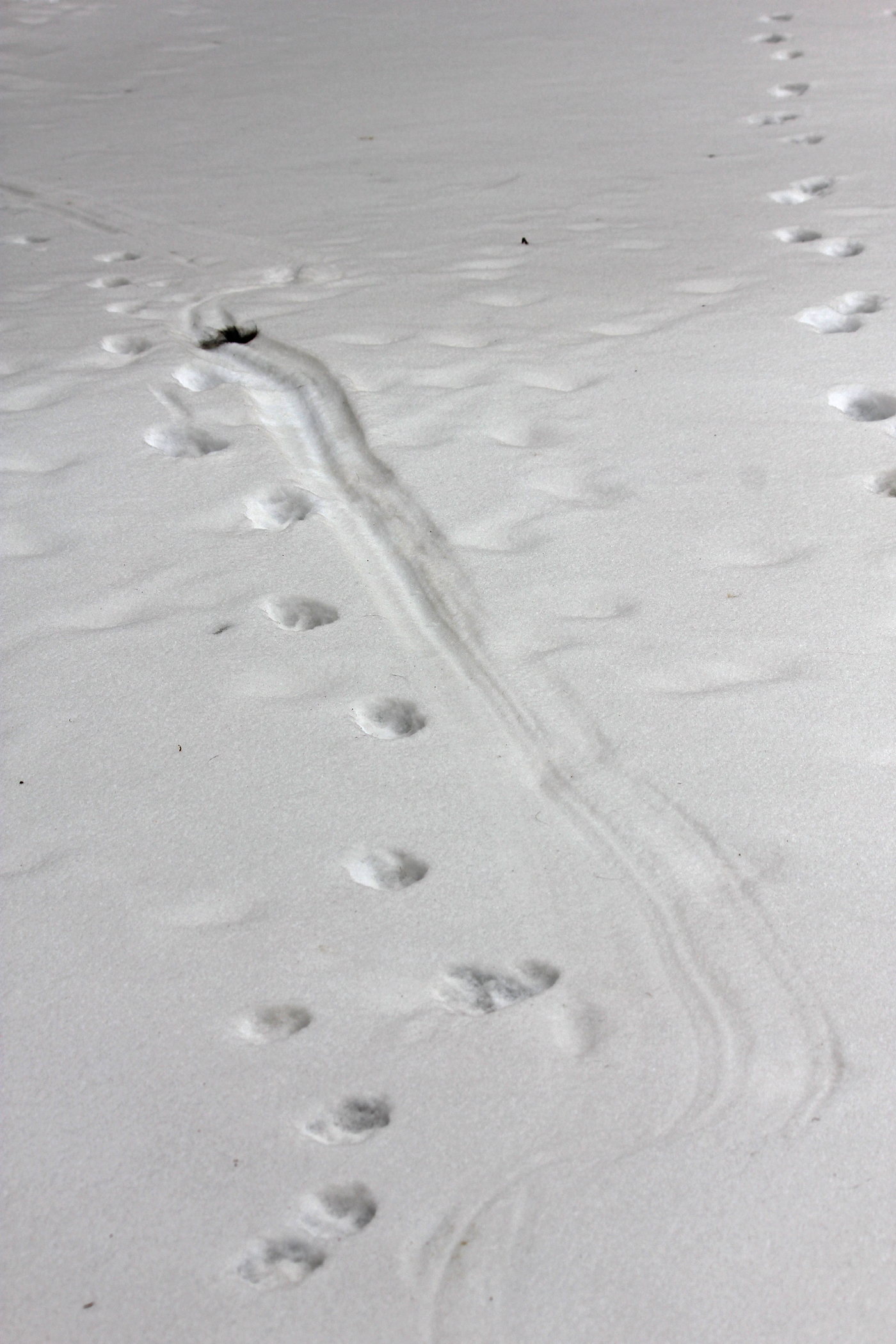
Turkey track

Goat-tracked corridors criss-cross the upland sanctuary. Wild turkeys are on the move on the paths as these elusive birds forage in the floodplain and on the cover of the 2014 winter newsletter. Click of the cover to the left to read more.

Hope to see you under the stars later this month. Don’t forget to RSVP.

You’ve got mail

2013 Summer Newsletter.inddThe 2013 summer edition of The Quarry Farm Newsletter is done.

Click on the cover to the left and see for yourself what’s coming up.

There are three events planned, so get registered while the getting’s good. Not all require preregistration, but still. Take a look.

Signs

I woke up this morning with this in my head:

[In Just-]
by e.e. cummings

in Just-
spring when the world is mud-
luscious the little
lame balloonman

whistles far and wee

and eddieandbill come
running from marbles and
piracies and it’s
spring

when the world is puddle-wonderful

the queer
old balloonman whistles
far and wee
and bettyandisbel come dancing

from hop-scotch and jump-rope and

it’s
spring
and
the

goat-footed

balloonMan whistles
far
and
wee

I have a passion for poetry and cummings is one of my favorite artists. Inevitably, this particular piece of work comes to mind at some point in March. While not the first sign of Spring, it is a significant one for me. Still, you needn’t look to the page, or even delve into the convolutions of my sleep-addled mind to find the artistry of onrushing Spring.

Fox Squirrel Geese CabinOf late I’ve seen the return of turkey vultures and red-winged blackbirds and American robins in arguing masses so large that they’ve painted an acre of the big back field nearly white with their droppings. I’ve heard the buzz of a woodcock and the whickering of its wings as it flew toward the moon to prove its worth to a potential mate. Skunks and ‘coons and squirrels quarrel and fight in the woods and Canada geese and mallard ducks, in flocks and individual pairs, holler from the quarry.

Fairy Shrimp CircleTracksIn the lowest lying areas of The Quarry Farm, back in the woods and well below the quarry itself, on the ground referred to by locals as Coburn’s Bottom, vernal pools have already formed. These temporary ponds serve as habitat for a host of ephemeral animals: fairy shrimp and salamanders and mayfly nymphs and dragonflies. Within a few months, the pools will have evaporated, but their inhabitants remain in burrows underground or as eggs, tiny packets of a potential future.

MossAnd then there’s the greening of the woods, with mosses already climbing up the trees and laying soft blankets on the ground. It’s easy to forget that this whole area was once rainforest. It’s easy to forget, that is, until you take the time to walk into an Ohio woods and take an honest look around. And if it’s not a matter of forgetting – if, in fact, you didn’t know – then the realization of where you are is an epiphany and you’ll never look at a stand of trees in Northwest Ohio in quite the same way again.
(e.e. cumming’s [in Just-] was originally published in The Dial, Volume LXVIII, Number 5: May, 1920)

And the Tally Is…

BirdingOver the course of a lifetime, we count any number of things: the number of cars we’ve owned, the dates we’ve had, the hours or minutes left before the end of the work day, the children in a school group we’re chaperoning and on and on and on. This past weekend, we counted birds. And it wasn’t just us, the folks who showed up at The Quarry Farm for this latest event. It was people all across North America and around the world participating in this year’s Great Backyard Bird Count.

Cooper's hawk

Cooper’s hawk

Sponsored by the Audubon Society, the Cornell Lab of Ornithology and Bird Studies Canada, this four-day annual event provides data about bird populations and migration to these giants in ornithological research. For us, the event has provided the opportunity to specifically record some of the birds that live here. The birds spotted and identified included: house sparrows, white-crowned sparrows, gold finches, white-breasted nuthatches, American crows, turkeys, great-horned owls, eastern screech owls, red-tailed hawks, Cooper’s hawks, juncos, American robins, Downy woodpeckers, red-bellied woodpeckers, hairy woodpeckers, northern cardinals, blue jays, horned larks, starlings, mourning doves, rock doves, brown creepers, Canada geese, mallards, great blue herons, black-capped chicadees, tufted titmice, song sparrows, dark-eyed juncos and one bird species that, a little over a year ago, perplexed more than a few of us.

Northern shrike

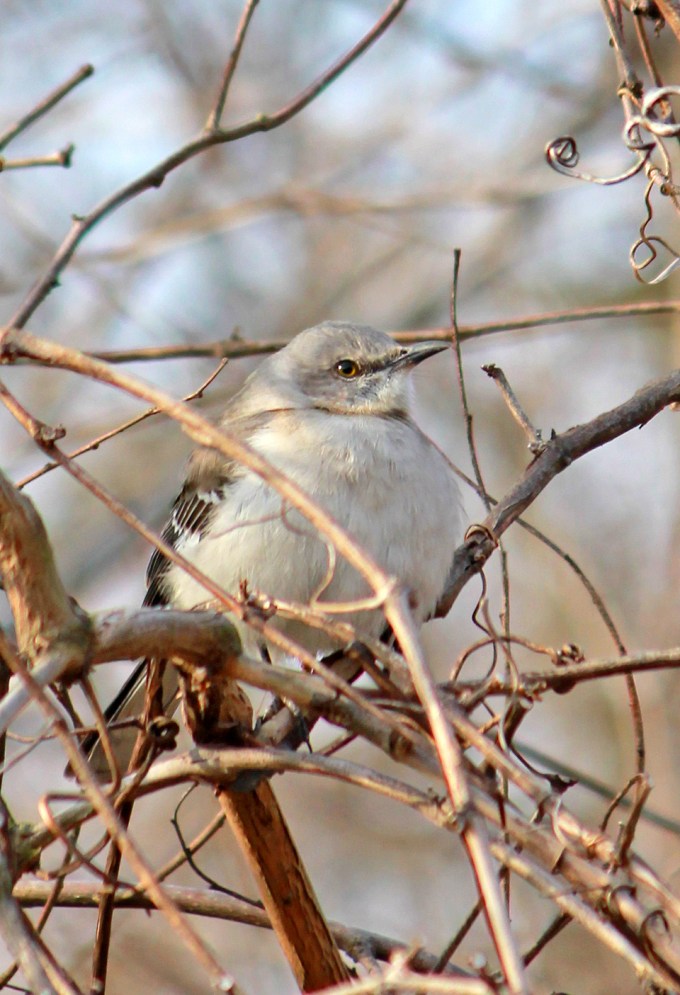
Northern mockingbird

Last year, on our annual Winter Walk, we discovered a vole skewered on a thorn in a hawthorn tree. At the time, none of us were sure how the vole came to be there, though we threw a lot of guesses around and came to the mistaken conclusion that a passing raptor had dropped its dinner and it was inadvertently pinned in the tree. Three seasons later, on yet another walk, a naturalist and amateur ornithologist told us that it was likely the result of a Loggerhead shrike pinioning the vole for later. Well, he was close. One of the birds we discovered on our walk was not the Loggerhead shrike, but the Northern shrike, a close cousin to the Loggerhead.

vole 1Although classified as a songbird, all shrikes share a behavior commonly associated with raptors: that is, they prey on small mammals, lizards and amphibians. Not only do they prey on these small animals, they store them away for later feasting by skewering their prey on thorns. So the cause of our earlier conundrum came clearly into view and was the highlight of our count this year.

It was a good weekend and a stellar bird count. In total, we identified nearly thirty different species of birds. That, and we definitively put to rest the bizarre and somewhat gruesome puzzle of the impaled vole.

This slideshow requires JavaScript.

Snow Day

This morning, bands of clouds the color of dust stretched from the horizon to the sky. I know that sounds strange: of course the clouds stretched to the sky. What I mean to say is that the clouds didn’t lay horizontally across the heavens. No. Instead they seemed to start at some point on the horizon and launch themselves into space, like rocket trails or streamers of toilet paper. And when I say that they were the color of dust, I don’t mean gray. They were more beige with a little bit of peach thrown in, somewhere between a very light brown and red. And even though they weren’t red, I couldn’t help but think, “Red sky in morning, sailor take warning.”

As it turns out, that was more than a little melodramatic. But even so, the day had its moments. Every little bit a snow squall would blow through with heavy flakes swirling about making it hard to see, or with small, hard, almost-pellets of snow that would sting your face and hands. And it’s been cold, and growing colder as the day progresses. Thankfully, we held our Backyard Bird Count event (and more about that tomorrow) before the worst of it rolled in. Short, hard snowfalls offer interesting opportunities photographically, so we decided to take a few shots of the animals that live close to the house. These, then, also give us the chance to relate an anecdote or two, to introduce you to some of the animals that live here.

So. Here we go.

Gigi

Gigi

Gigi and Louise are two of four geese that live here on The Quarry Farm. Anne brought them home from Van Buren State Park near Findlay. She was there to give a presentation on water quality and macroinvertebrates about a year and a half ago when the naturalist who organized the event, Natalie Rossman Miller, conscripted Anne in an effort to trap two geese that were dumped at the park. Suffice it to say that, ultimately, they were successful, and Anne brought them here. Gigi is an Embden goose and, despite the name, entirely male (we’re not great at sexing birds at a distance; we once named a rooster Miss Kitty). Louise is an African goose and very much female.

Louise

Louise

These two, along with Henry, the other female goose (I know, I know) on the property, serve as our early warning system. On those occasions when the mail carrier has a package to bring to the house, or American Electric Power has come to read the meter, or someone has simply come to visit, these three make enough noise so that, even in the house we know that we have guests. And if we’re being completely honest, they make enough noise so that our neighbors a quarter of a mile away know that we have guests.

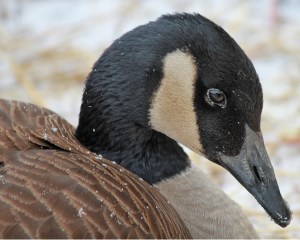
While we’re on the subject of geese, here’s Johnny. Johnny is a Canada goose. He was found oiled in Lima, Ohio. A local veterinarian took him on, cleaned him up and treated him for about a month before calling Nature’s Nursery Center for Wildlife Rehabilitation and Conservation Education. Over the course of that time, Johnny imprinted on humans.

Johnny

Johnny

In addition to that setback, Johnny also has a congenital wing defect; his left wrist never developed properly and consequently the end of his wing protrudes at a right angle to the rest of his body, precluding any possibility of flight. In Johnny’s plus column, however, is one of the sweetest dispositions of any animal, anywhere. This bird just doesn’t know the meaning of ill-tempered. When we pull into the drive, he greets us with a honk characteristic of all Canada geese, then rises up and beats his wings.

Little Red

Little Red

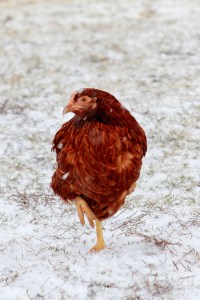
Nearly a month ago, we were provided with the opportunity to expand our flock of chickens.  A local farmer received an unexpected bonus shipment of pullets that increased his flock beyond his capacity to safely maintain. We took on fourteen of the hens, the most the farmer would allow us to acquire. In the overcrowded conditions to which the birds were temporarily subjected, they inflicted no small degree of damage to one another. Feathers were pulled loose until many of the birds were half-plucked. Their skin was raw and sore and, in some cases, infected. Despite our best efforts, four of the hens died. But, being the kind of people who believe that the glass is half full, ten survived and are thriving. One of them, a Rhode Island Red, is particularly friendly. She’s the first to bound out of the coop each morning and will run across the yard to greet us when we arrive back home. We call her Little Red.

(from left) Buddy, Marsh and S'more

(from left) Buddy, Marsh and S’more

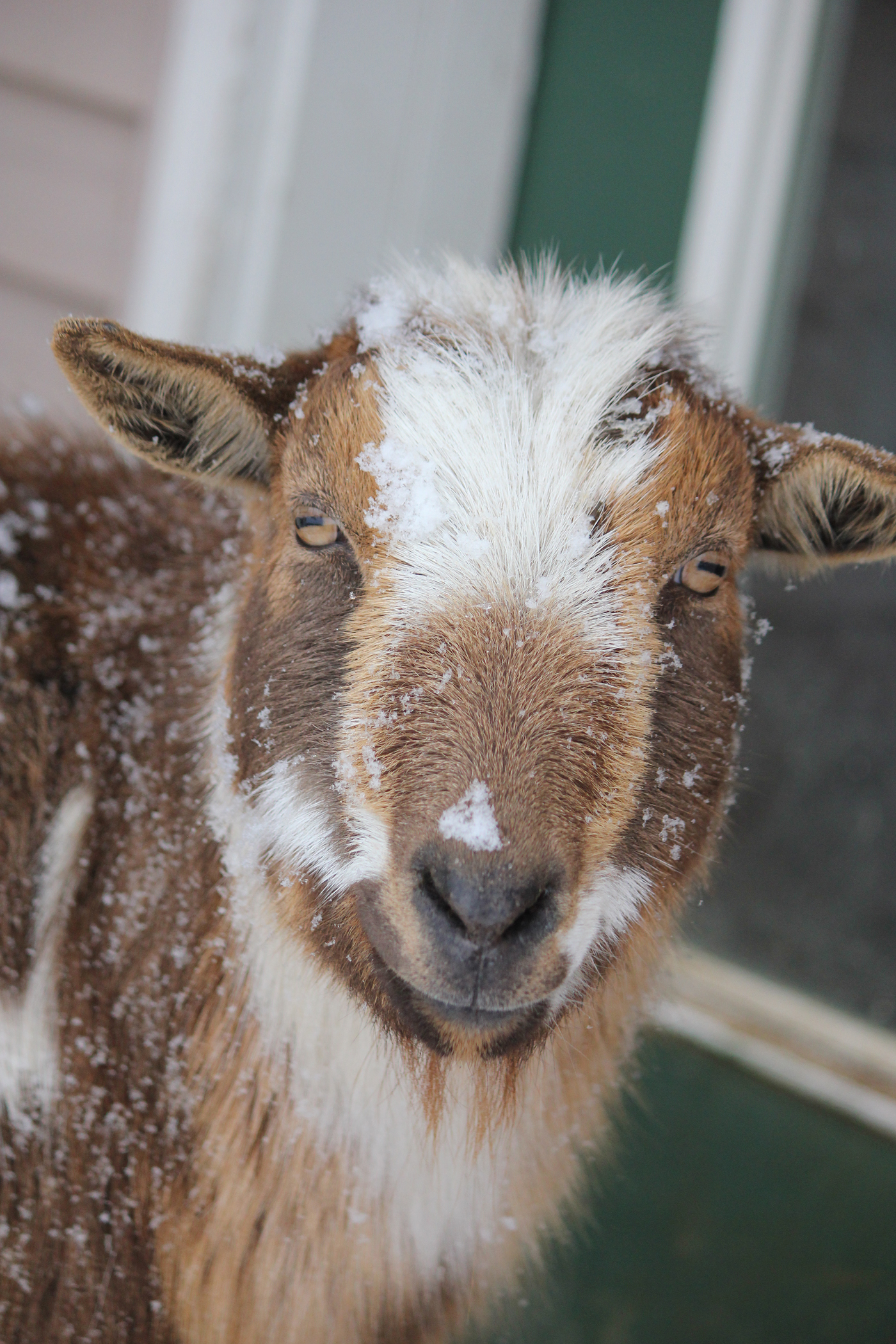
Finally, at least for the purposes of this post, there are the boys: Buddy, Marsh and S’more. Marsh and S’more, two Nigerian Dwarf goats, came to us first, arriving in July of 2o11. They came to us from a family in Cincinnati. Although the family loved them their two large dogs didn’t and made life miserable for the brothers. In seeking a home for them, they contacted the American Society for the Prevention of Cruelty to Animals, and through them, us. Buddy, a miniature donkey, came from closer to home. A Putnam County couple kept Buddy as a companion for their horse. When it became too difficult for them to continue caring for the horse, they found it a new home. Sadly, the people who took the horse weren’t interested in Buddy. According to his old family, without companionship, Buddy began to waste away. They contacted us and Marsh and S’more became Buddy’s new buddies. And while they get along phenomenally, that doesn’t mean that they don’t have issues. Jonelle Meyer, a young woman who volunteers here at The Quarry Farm, recently told us of one such incident. As she was currying Buddy, the goats kept wandering up looking for attention. Buddy grew increasingly impatient with this until finally, when S’more refused to take the hint, he reached out, took the brush from Jonelle’s hand, smacked S’more in the face with the brush, then returned it to Jonelle so she could get back to what was really important: taking care of him.
Name that Bird

There were undoubtedly many photos taken of this morning’s glorious sunrise over Northwest Ohio. I have seen a few already. However, none can compare to the west-to-east view of the Quarry Farm above the oxbow wetland. That’s the cut-off for those of you who are old friends and frequent wild raspberry scavengers.

November 19, 2012, from a vantage point west of the sun and east of the moon

Can you guess which silhouette is not like the other? Here are a couple of close-ups to assist.

Closer and closest