Every now and then someone tells us about the Virginia Opossum that has lived under
their porch for years. If there is one thing that we learned while volunteering with
Nature’s Nursery Center for Wildlife Rehabilitation and during the years following is that
these individuals are probably not the same Virginia Opossum. While getting to know
educational ambassadors for this fascinating species, we have discovered that they are
nomadic creatures, moving from place to place to eat whatever they find in their path and
sleeping in the most convenient dry spot when they need to. Combined with the fact that
Virginia Opossums only live for two or (maybe, if we’re lucky) three years, the animal that
people see around their porch from year to year is actually a parade of several of North
America’s only member of the marsupial class of mammals.
Did you notice that I said “if we’re lucky”? There are a lot of reasons that it’s a great thing
to have Virginia Opossums around. These free-ranging omnivores consume a varied diet
that includes plant material, grasses and leaves, grains, fruits, carrion, snails, slugs, worms,
insects, rats, mice, snakes, amphibians, eggs, crayfish, and fish. They are nature’s garbage
collectors. We would be up to our eyeballs in offal without these animals coming and
going. We would also be dealing with more biting, disease-transmitting ticks. Research on
captive Virginia Opossums at Illinois’ Eureka College estimates that they eat, on average,
5,500 larval ticks per week. That’s nearly 95% of ticks that cross their path.
The biggest and best reason that we are lucky to have Virginia Opossums is that we just are…lucky,
that is. They have been around for a very long time—at least 70 million years—as one of
Earth’s oldest surviving mammals. Because they eat almost everything, they are disease-resistant. In fact, they will do just about anything to avoid direct contact. To appear
threatening, a Virginia Opossum will first bare its 50 teeth, snap its jaw, hiss, drool, poo
and stand its fur on end to look bigger. If this does not work, the Virginia opossum is
noted for feigning death (passing out) in response to extreme fear.
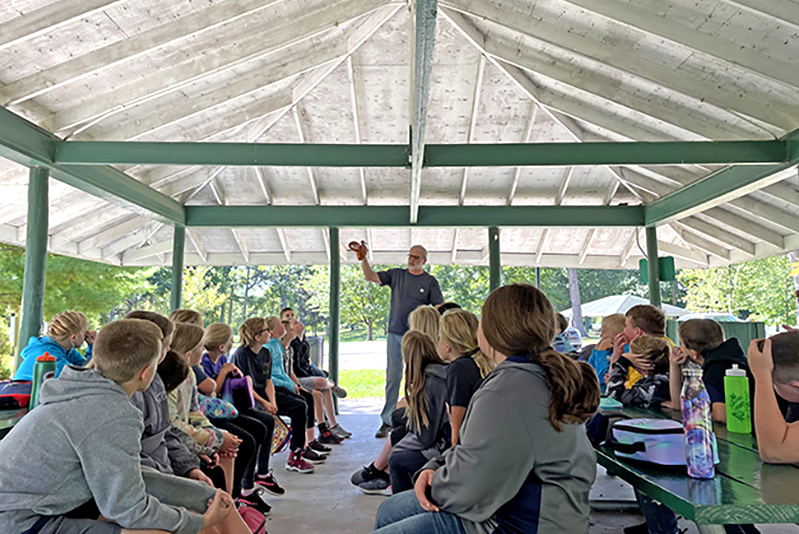
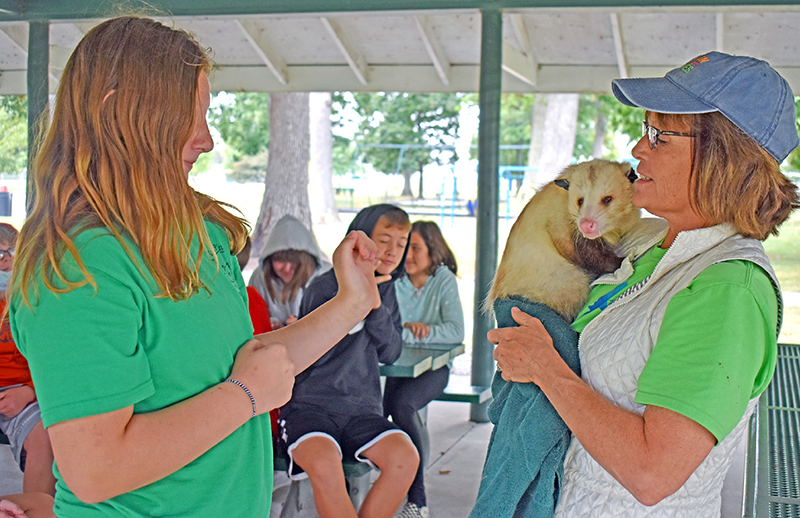
Here on The Quarry Farm, we are so lucky to have known a few non-releasable Virginia
Opossums. Sean is the current onsite educational ambassador of his kind. Sean was born
without eyes so can’t properly protect himself from predators. He is also agreeable to
human contact, which is why we have a State of Ohio education permit that allows us
to house him and introduce him to people who want to know more about him and the
world around all of us.



 Steve is wrestling with Mister Bill in the cool of the evening. This has become the routine this week after the temperatures fell out of the upper 80s and into the 60s by dusk. Bill scampers up the ramp and down the steps to mock charge. Steve holds the giant goat’s horns–lightly so as not to challenge–and Bill tosses his head and off he goes again on his gangly giraffe legs.

 There’s a lot of history in and around The Quarry Farm, not to mention up the road.
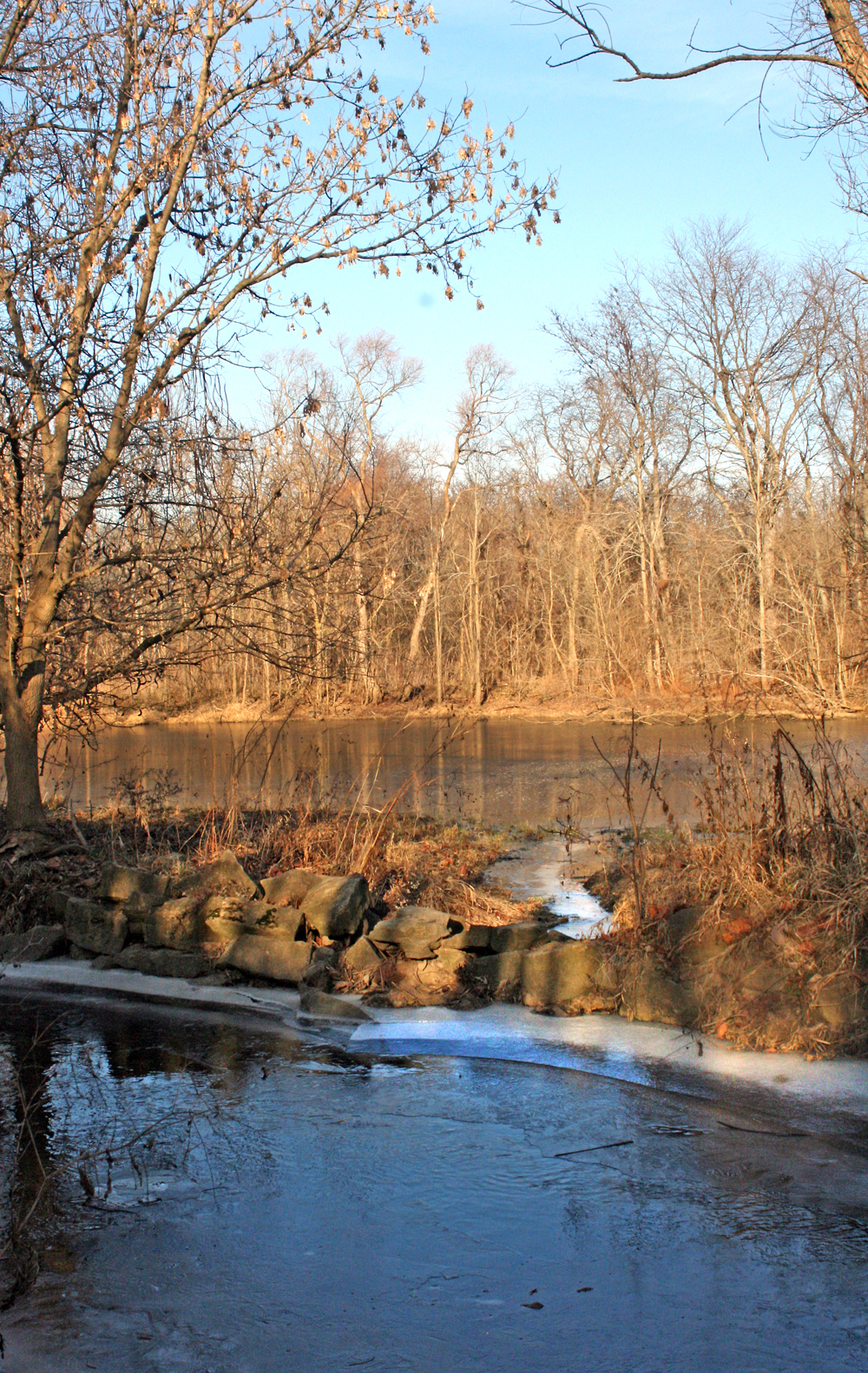
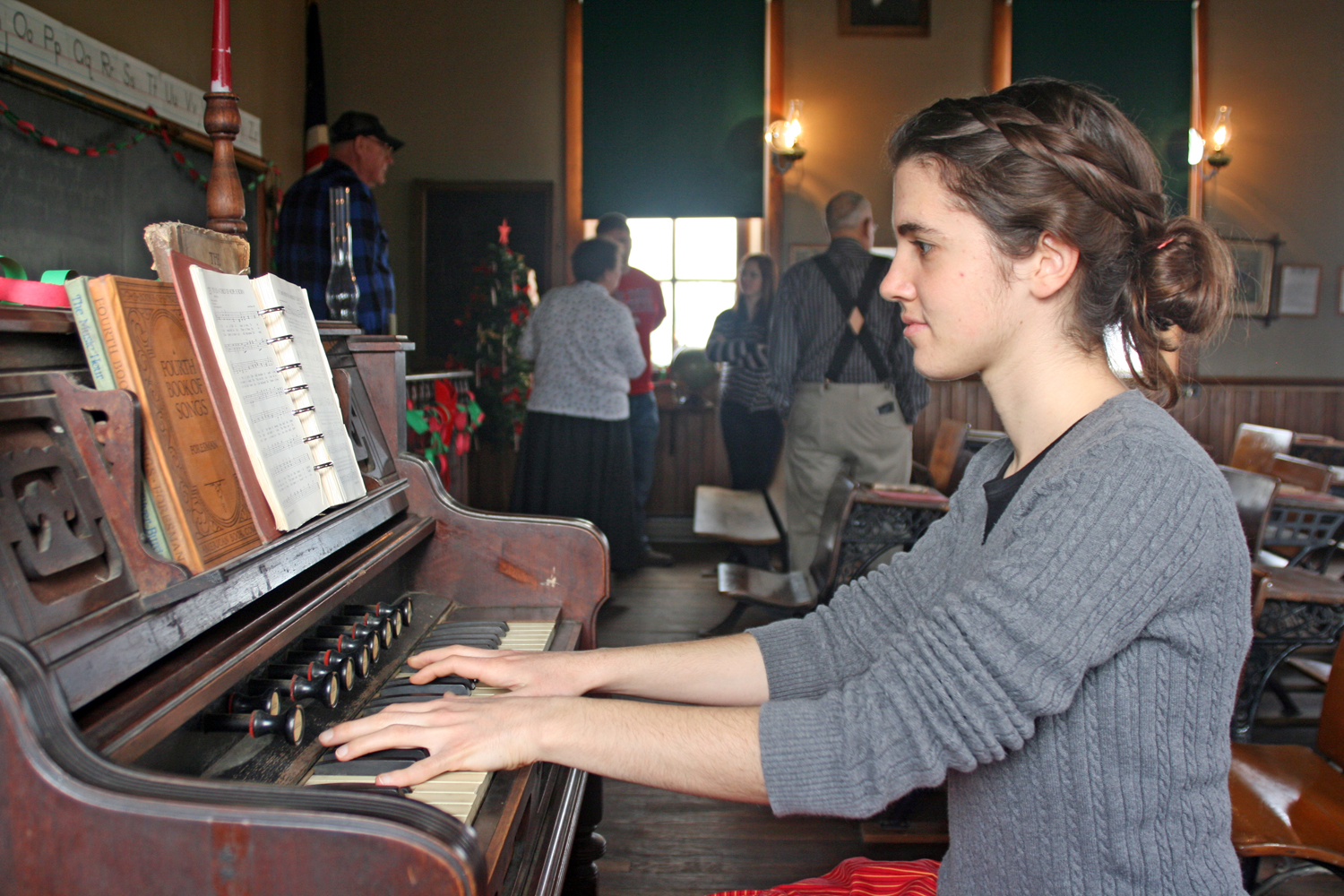 North on the same road and across Riley Creek is Bridenbaugh Schoolhouse. Imagine a one-room schoolhouse on every country mile and you will picture the education system as it once was in rural Ohio. In 1997, Dale Bridenbaugh restored the schoolhouse on his farm to what could have been its original 1889 glory.
 Cross the Riley on the c. 1876 M-6 bridge, itself listed in the Historic American Engineer Record as an example of “Morrison’s Patent Wrought Iron Arch Truss Bridge,” travel about a mile and a half north on 7L and sit in the stillness and peace of Riley Creek United Methodist Church. The church was founded in 1850 and is still active in one large, lofted room. Sun and moonlight filter through etched and stain-glass windows to pool on handmade wooden pews. The long upright-backed benches glow with the hand polish and years of congregational sitting, but the names of former youth break the smooth surfaces here and there.
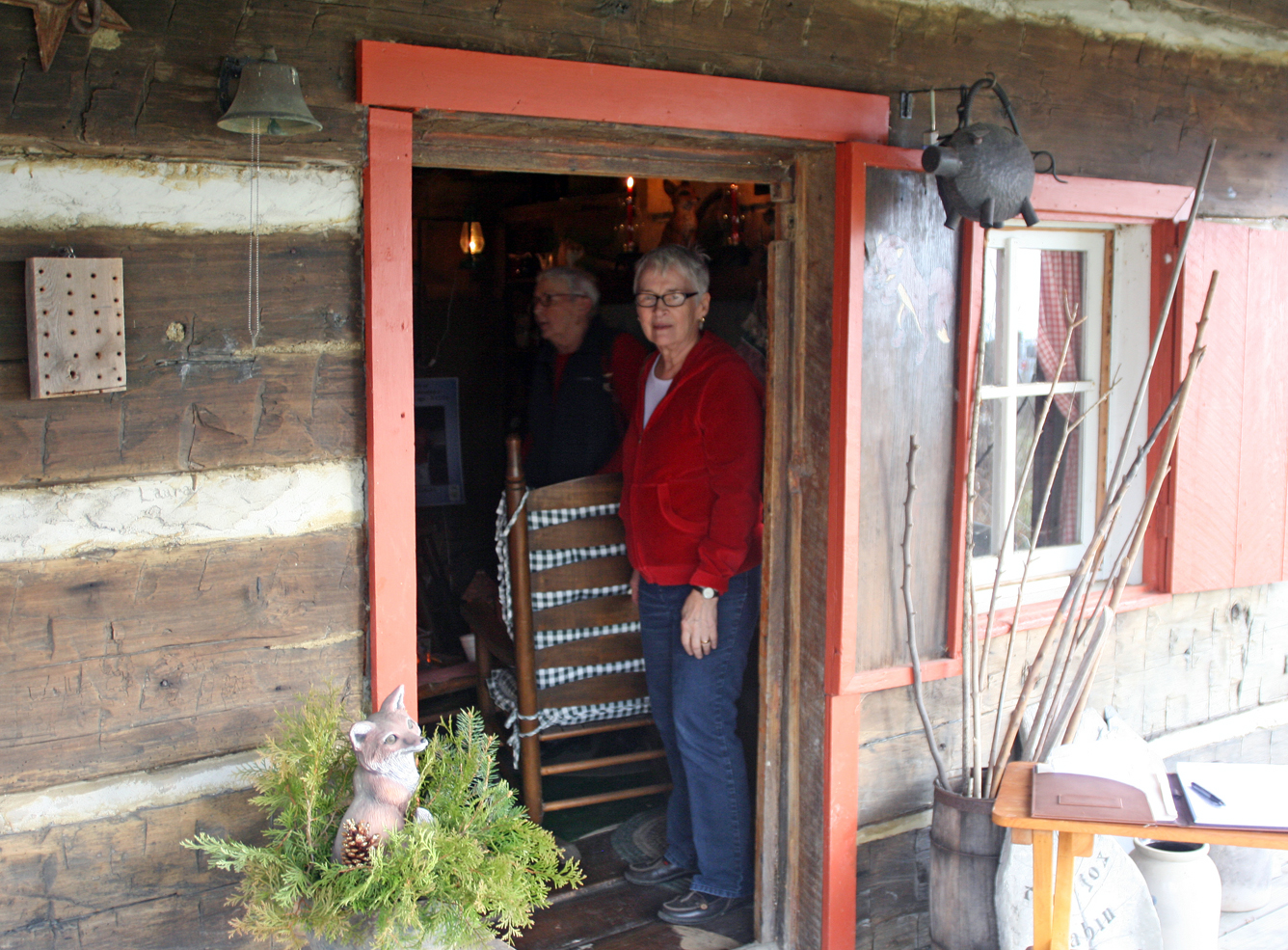 Saturday broke records for December warmth and, although we could use some rain or snow to soften the dry bed of the quarry, the weather was perfect for the first Old Time Riley Creek Christmas Tour. All of the above were stops on the route. All were decorated for the holidays, most as they may have been long ago. Riley and Pleasant Township saw plenty of driving tourists as a result. One of the visitors was Pandora’s Dr. Darrell Garmon. He walked up the path through the Red Fox Cabin gardens and introduced himself as Dr. Garmon and as the person who poses as Sea Captain James Riley.
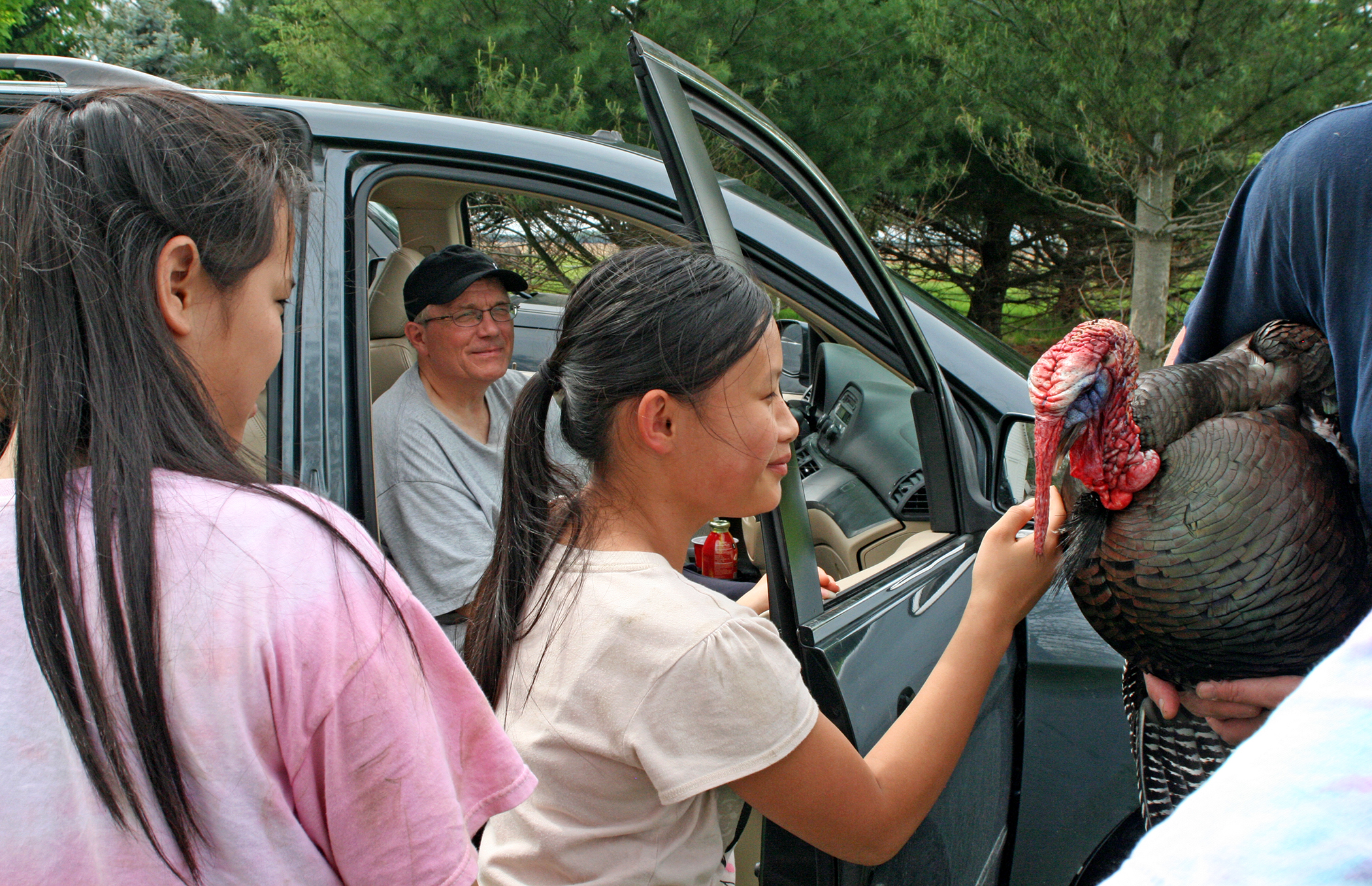
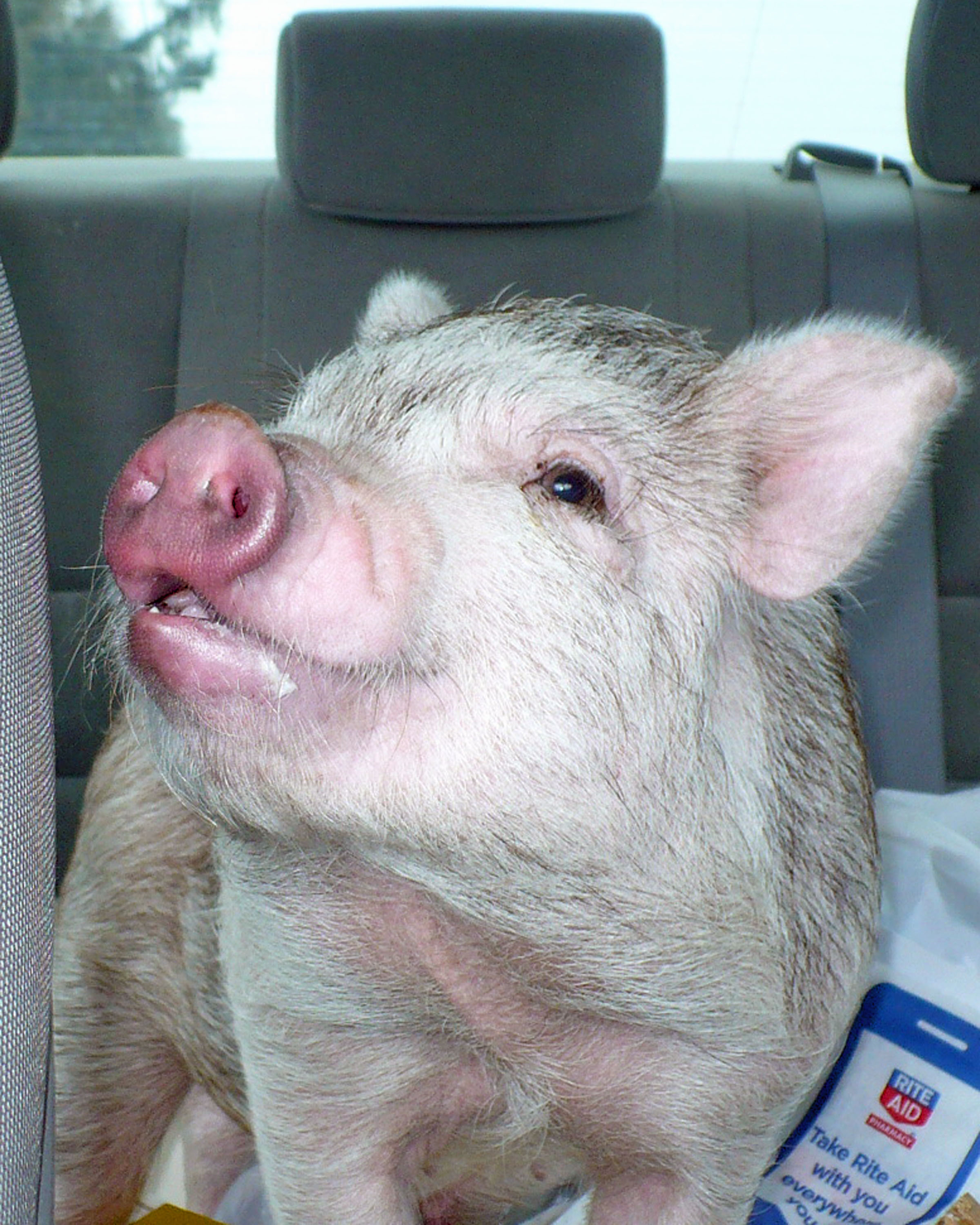
 Next door, Carlton, Beatrice and the other potbellies, a speckling of chickens and Johnny Goose gathered at the farm animal sanctuary fence corner closest to the hubbub. Lucy’s foghorn bray paused more than one conversation. Two tourists left the cabin and stopped at the gate where the turkeys were on full display. Buddy took issue with the attention the boys were getting, so he grabbed a mouthful of tail feathers, spit them out and smiled. True story – the couple took a photo and promised to share it with us.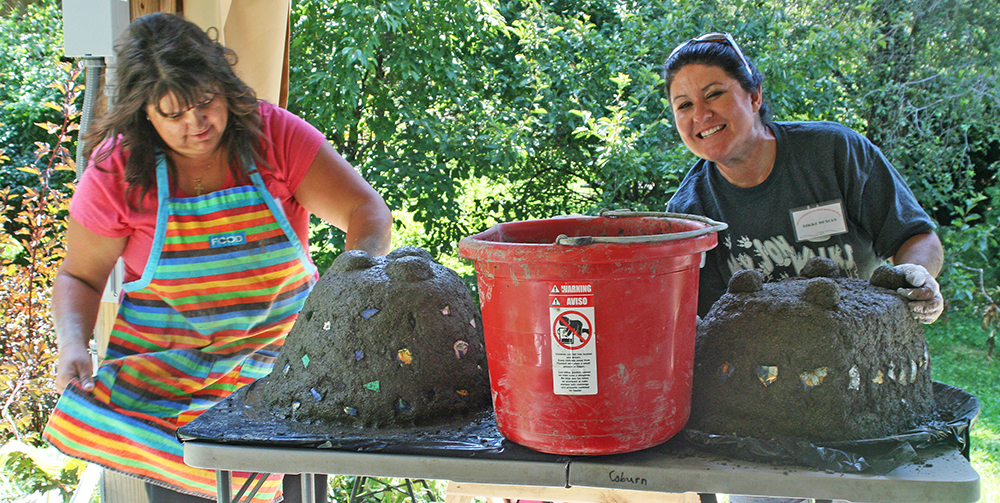
 Plastic buckets and pails of concrete were stirred with great big spoons and paddles to make steppers and then decorated with everything from glass beads to shells and aquarium stone. More concrete was pressed over leaves arranged on sand mounds to create leaf bowls.
 There were also marbles, glass pebbles, press letters and crockery bits with which to ornament the finished containers, if the students so chose. Unbeknownst to the group, these sparklies had been perused on Wednesday night by a couple of juvenile raccoons. I heard them chattering from next door as I was putting the chickens to bed.