You’re The Great Pumpkin, Dave Hilty

There’s a story that makes the rounds every autumn on farms and in fields, and especially here on The Quarry Farm, about the generosity and beneficence of The Great Pumpkin, who rises from the pumpkin patch some time during the month of October and gifts all the good chickens and ducks and donkeys, turkeys and geese and goats and pigs with succulent orange orbs packed full of seeds and strings and goo. And while it’s rumored that the legend of The Great Pumpkin is born of humans, that particular mindset gains little acceptance on the farm, for it’s as the goats say, Humans spend most of their brainpower just maintaining their balance. And for the few that still might think otherwise, the donkey’s argument always prevails, one which he delivers in the most solemn of voices: Schulz, or no Schulz, Peanuts are for eating.

This year, as in years past, the residents here all waited anxiously as the month wore on, staring to the south for a sign of His (though some say Her) coming. Baskets of apples were delivered and pears by the bucketful and truckloads of zucchini and they were greatly appreciated, certainly, and swallowed down to the very last seed. But of The Great Pumpkin, there was no sign. October came and went and…

Nothing.

It’s just as we thought, the geese cried. Great Pumpkin, piffle. Great Poppycock is more like it. To which comment there was general agreement, particularly among the fowl (birds of a feather, you know). The goats made do, browsing the trees and bushes. Buddy, the donkey, cropped grass and chewed hay and if, occasionally, he seemed a bit tearful, nobody said a word. Little Pig, though, kept her own counsel and spent a good bit of each day off alone, walking along the southern fence line, eyes on the horizon, waiting.

And so it was that Little Pig was the first to see him: The Great Pumpkin, sitting in the cab of his red and silver pickup truck and towing along behind him a veritable mountain of pumpkins. A whole week late, he was, the first full week of November having past, but those that live here on The Quarry Farm are quick to understand simple truths: Time is fluid and Better late than not at all, not to mention All that matters is what matters in the end, especially when it’s pumpkins in the end.

The Great Pumpkin pulled in through the gate and up the stone drive before stopping and hopping down from his perch. To either side of the squash-laden wagon he threw the great round balls of sheer joy. The pumpkins bounced and broke and spilled their treasure of seeds and strings and slippery orange goo.

Heaven! Little Pig shouted. Slippery orange heaven!

The pumpkins flew and flew and still they flew and, finally, when the ducks and chickens and turkeys and geese and goats and donkey and pigs were certain that he had finished, when the blue and gray sky was no longer streaked with orange, what they heard him say made them all stop and stare.

How ‘bout if I just leave the wagon, The Great Pumpkin said. I won’t need it again ‘til spring.

turkey

They all looked to the wagon and it was heaped with pumpkins, mounded with pumpkins, buried in pumpkins as if not a single one had ever soared and fallen and broken and exploded in great gouts of seeds and strings and (heavenly) slippery orange goo.

The Great Pumpkin fiddled about a bit at the front of the wagon and then hopped into his red and silver truck.

Give a shout when you’re through, they all heard him say. No hurry, though.

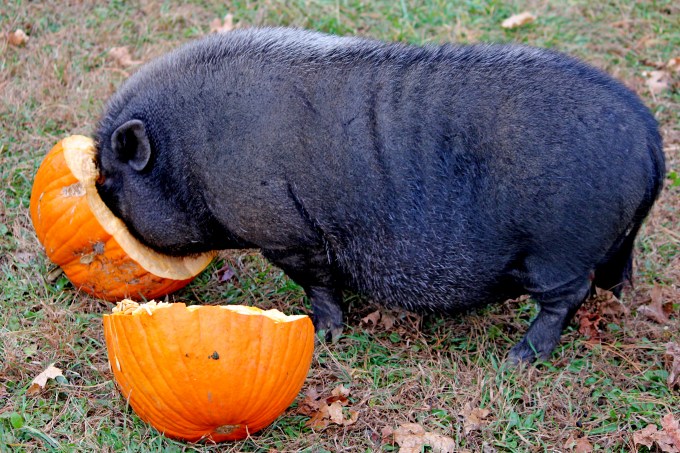
The Great Pumpkin waved as he pulled away and through the gate, moving south until he’d disappeared from sight. Every duck and chicken, goose and turkey, donkey and goat and pig thanked him a big thanks before tucking into their chosen pumpkin. And if Little Pig was a bit greedy, if she pushed aside a goose or three to suckle at the slippery orange goo, nudged out of her way a chicken or a turkey or a duck, well, then, maybe she could find forgiveness in the eyes of those who keep the faith, in the hearts of those who believe.
POSTSCRIPT:
Special thanks to Dave and Jane Hilty, who are this year’s Great Pumpkins at The Quarry Farm.

Thank you for the BIG check

quarry farms - laura coburn

We want all of The Quarry Farm friends, family and neighbors, near and far, to know that we received grant funding from the Operation Round Up program as part of the Paulding Putnam Electric Co-op Trust.

Here’s how it happened: Anyone who is a PPE member rounds up their bill to the nearest dollar amount and the funds are pooled. Periodically, organizations are able to apply for community programming. We did, and our educational programming was elected to benefit from the program.

Yesterday, Board President Laura drove over to Paulding to receive the grant check (actual check much smaller than indicated here) so that we could provide more outreach during this year. By the way, take a look at those presentations and workshops that we do offer and give us a call or send us an email at thequarryfarm@gmail.com.

What and impact that just a few cents each month can make on a community.

Fall 2014 newsletter

Fall 2014 TQF Newsletter-1


The temperature may be dropping, but the beat goes on here on The Quarry Farm. Click on the newsletter cover over to the left and keep up with what’s happening in the pavilion, the sanctuary, the Red Fox and on the trails.

And speaking of trails, hope to see you on them this autumn.

preparing puffball

Gerald Owen Coburn, the man who first set foot to the path that led to The Quarry Farm as we know it, was, at his very core, an artist. It was with an artist’s eye that he looked on absolutely everything, particularly the natural world; a recurring theme in the body of work that he left, whether in paper, canvas, wood or stone. He was relentless in his desire to understand the world that he took to representing, primarily with brush, methodical and nearly clinical in his efforts to that end. And why not? It’s a fundamental truth that among the very many things that art is, it is most certainly science, peeled and filtered and laid out sideways so as to permit viewing from a different perspective.

One of the first Coburn paintings I had the opportunity to see was a watercolor. It depicted a young boy carrying in his arms what I first mistook to be a large stone, bigger than the boy’s head. It wasn’t a stone, though. It was a puffball, a fungus in the division Basidiomycota. To put an even finer point on it, it was probably Calvatia gigantea, the giant puffball, specimens of which commonly grow to a foot or more in diameter. Even more impressive, when they’re immature they’re not only edible, but supremely tasty. Be sure, though, that you are indeed in possession of an edible mushroom before taking a bite. If you have any doubts whatsoever, caution is the word of the day.

While puffballs are agreeable to most types of preparation, I have a fondness for them cut thick, breaded and sautéed. It’s simple, it’s quick and the results are noteworthy. Here’s how:

  • sliced puffballCut the puffball into ½ to ¾ inch slices. An immature puffball, when cut, will have a uniform white appearance. If they’re turning yellow on the inside, they’re too far gone to eat. Make a slit in the tough, outer skin and peel it away. It should come free quite easily.
  • Heat 2 tablespoons of cooking oil (each imparts its own flavor; choose to your taste) in a skillet over medium heat. Alternatively, use melted butter, but do not brown it. Dependent on the amount of puffball you’re preparing, you may need to add more oil or butter to the skillet as you go.
  • breaded puffballIn a pan large enough to accommodate the puffball slices, combine one egg with 1 ½ tablespoons of milk. On a different plate, prepare a bed of breadcrumbs. I’ve developed a preference for making my own, but store bought will do nicely.
  • Dip both sides of the puffball slices in the egg mixture, then dredge them through the breadcrumbs.
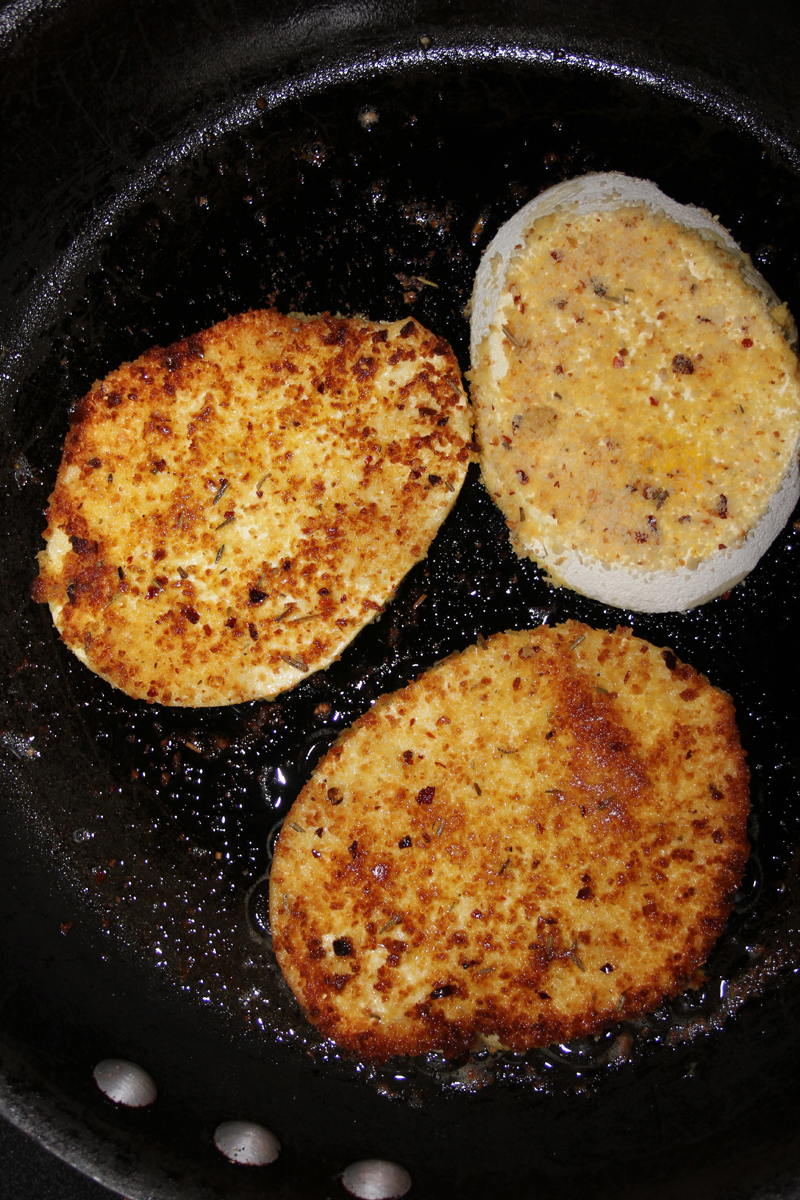
  • Sauté each side until golden brown, then drain momentarily on paper towels. Serve hot.

sautéed puffball

Unplugged at The Quarry Farm, second time around

Acoustic NightAbout the time that we spent a year visiting local classrooms and introducing students to aquatic health canaries like dragonfly nymphs and hellgrammites, yet before the first goat, pig or donkey had trotted onto the farm animal sanctuary —we hadn’t even thought of attempting a farm animal sanctuary — we pipe-dreamed of what might happen here on The Quarry Farm.Acoustic Night2

There is no state or even county park system in Putnam County, nor is there a nature preserve. As family and friends have long enjoyed the woods, stream, oxbow the old quarry itself, we began to develop a trail system that is more identifiable to those of us who just know the way.

With teachers in that circle of relationships, we began to plan educational programs. Visual artists are also part of the mix, so we crafted some 2- and 3-D workshops.IMG_1081

Then Steve said wouldn’t it be something to invite musicians/nonmusicians from all over to come here and play/listen for a night? So in October of last year we sent a few emails around, made a few phone calls, put out chairs, chips and cider and waited for people to show.

IMG_1082And they did. You may have read the post about Acoustic Night 2013. If not, it’s still in the archives. I will tell you that the photos are lovely, so lovely that we have gone annual with Acoustic Night.

On September 13, 2014, the skies were full of stars and cool temperatures kept the mosquitos away. Laura lit a fire in the Red Fox Cabin fireplace and kept hot coffee, tea and hot chocolate flowing. There were volunteer-baked cookies and muffins. I’m still not sure why she sent me to the store for Cheetos, saying, “Everyone likes Cheetos, even when they’re stale,” but I have to admit that I ate quite a few of the dusty fluorescent bits myself. I guess she was right.

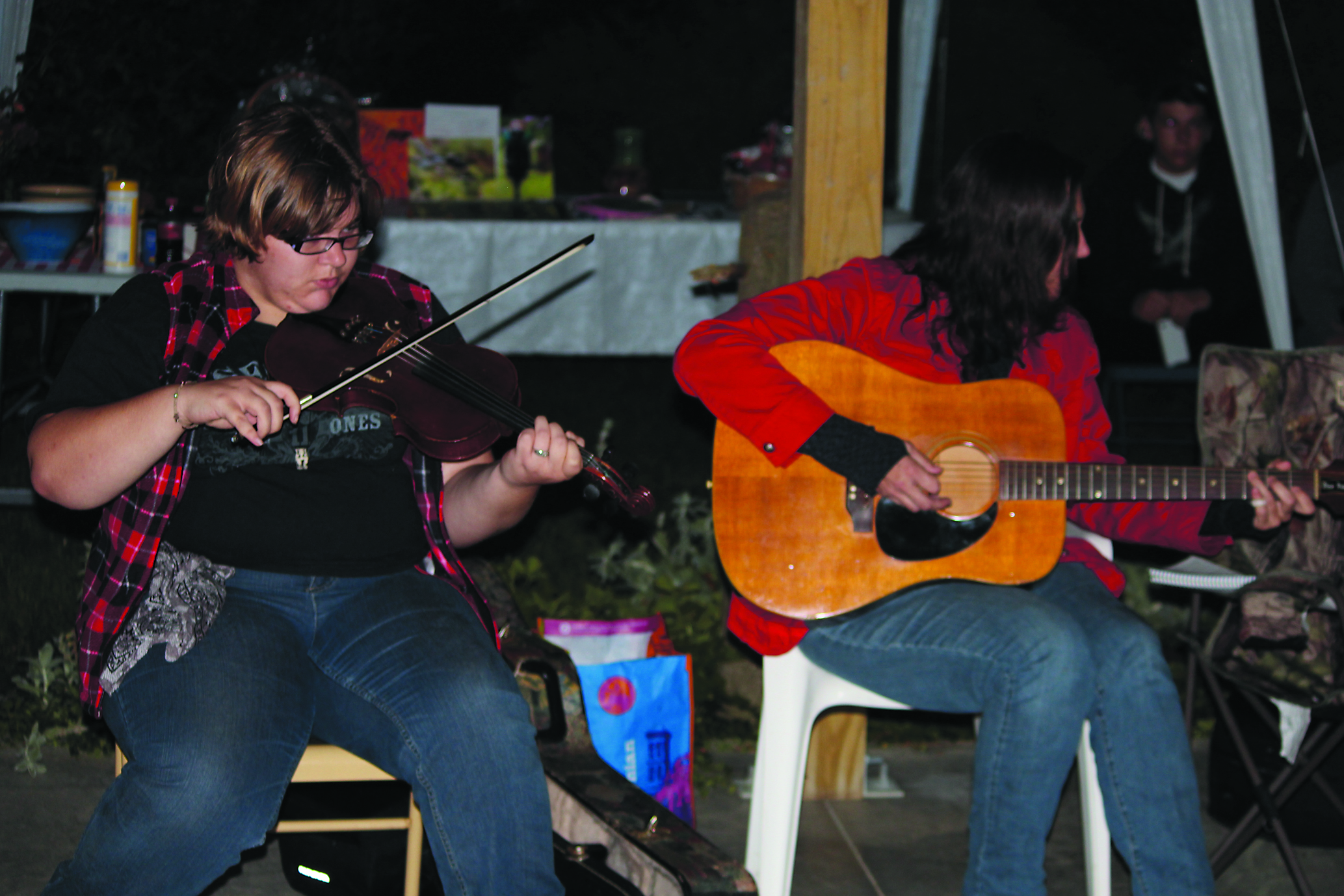
1908061_875195272492033_3010147628062901086_nAnd Steve was right about Acoustic Night. Musicians from 2013 returned, and others just kept coming. Erin Coburn (guitar and ukelele) and Mark Gallimore (guitar) were back. Bobbie Sue, Zoe (saxophone) Mike (trombone), another Mike (guitar) and Clara (violin) jammed from 6 to 10 p.m. A few other people came through carrying guitars but played off to the side. 10624884_875195359158691_4731297319852830606_n

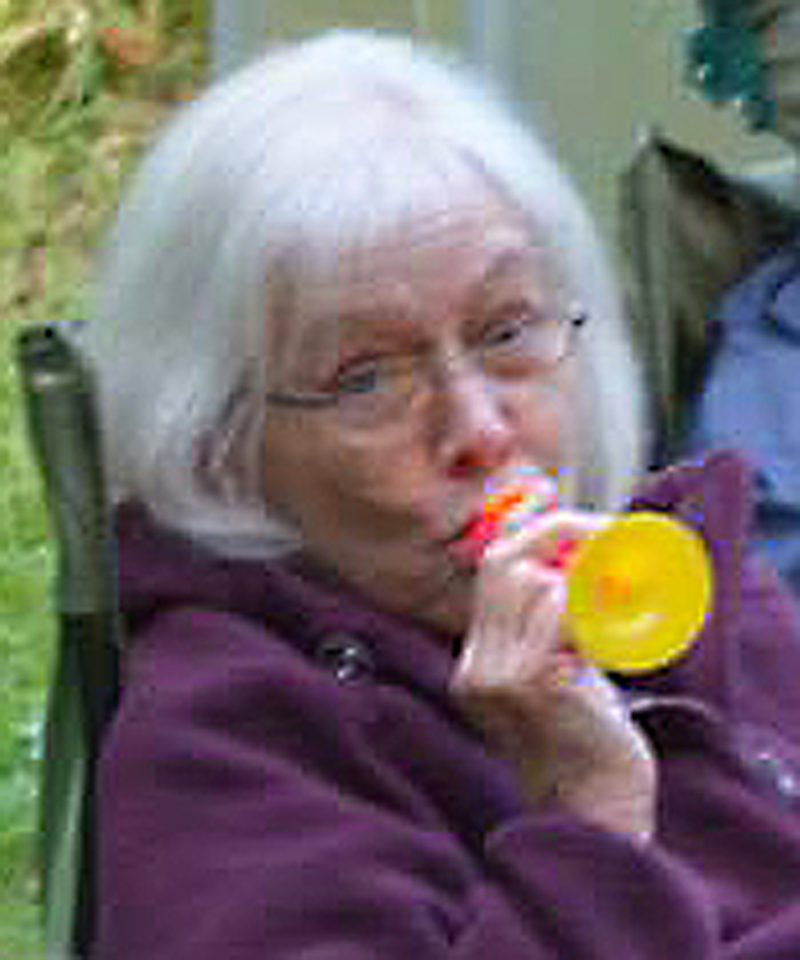
There were kazoos for the first 25 arrivals and I heard a few of those. Little Caroline became quite proficient, as a matter of fact. She was a hit with the bronze turkeys next door at the sanctuary.

If you made it out this year, thank you. I hope the Cheeto dust came off your pant legs in the wash. If not, we’re thinking Labor Day weekend for Acoustic Night 2015. The Cheetos will be fresh.

yesterday and today

Life in the DevonianBefore The Quarry Farm in its current incarnation, with Red Fox Cabin and the gardens and a forest and the sanctuary, there was the quarry farm, pasturage for cattle and two ponies. Before the quarry farm, there was a great forest of hardwoods, oak and hickory and maple, on the very southern edge of the Great Black Swamp. Before the forest on the edge of the swamp, there was a glacier that traveled inexorably south, planing everything before it flat. Before the glacier, there was a vast, shallow, warm sea boiling with life in what we’ve come to call the Devonian Period.

And we live there now, on the floor of a sea that died some four hundred million years ago. Even so, the reality of it remains.

crinoid segmentsThe Quarry Farm isn’t simply The Quarry Farm (though, to be honest, there is little simple about it). It is also literally our home. We built here fifteen years ago and when they excavated our basement, they pulled up all manner of wonderful things; bits and pieces of what once lived here that had turned, over time, into stone. There were round chunks of coral, too big to play softball, but too small for soccer, and flat sheets of dolomite speckled with clam-like brachiopods. Later, as we began to seriously explore Cranberry Run, we found smaller pieces of coral, smoothed by time and weather and water, and tiny stone discs and columns of discs: the individual segments and broken sections from the stalks of crinoids. And all of these things were evidence of what had once been, of an ocean with strange and fantastic animals that struggled for survival before ultimately, for some at least, making their way onto land to begin a whole new aspect of life.

Everything changes. Everything evolves.

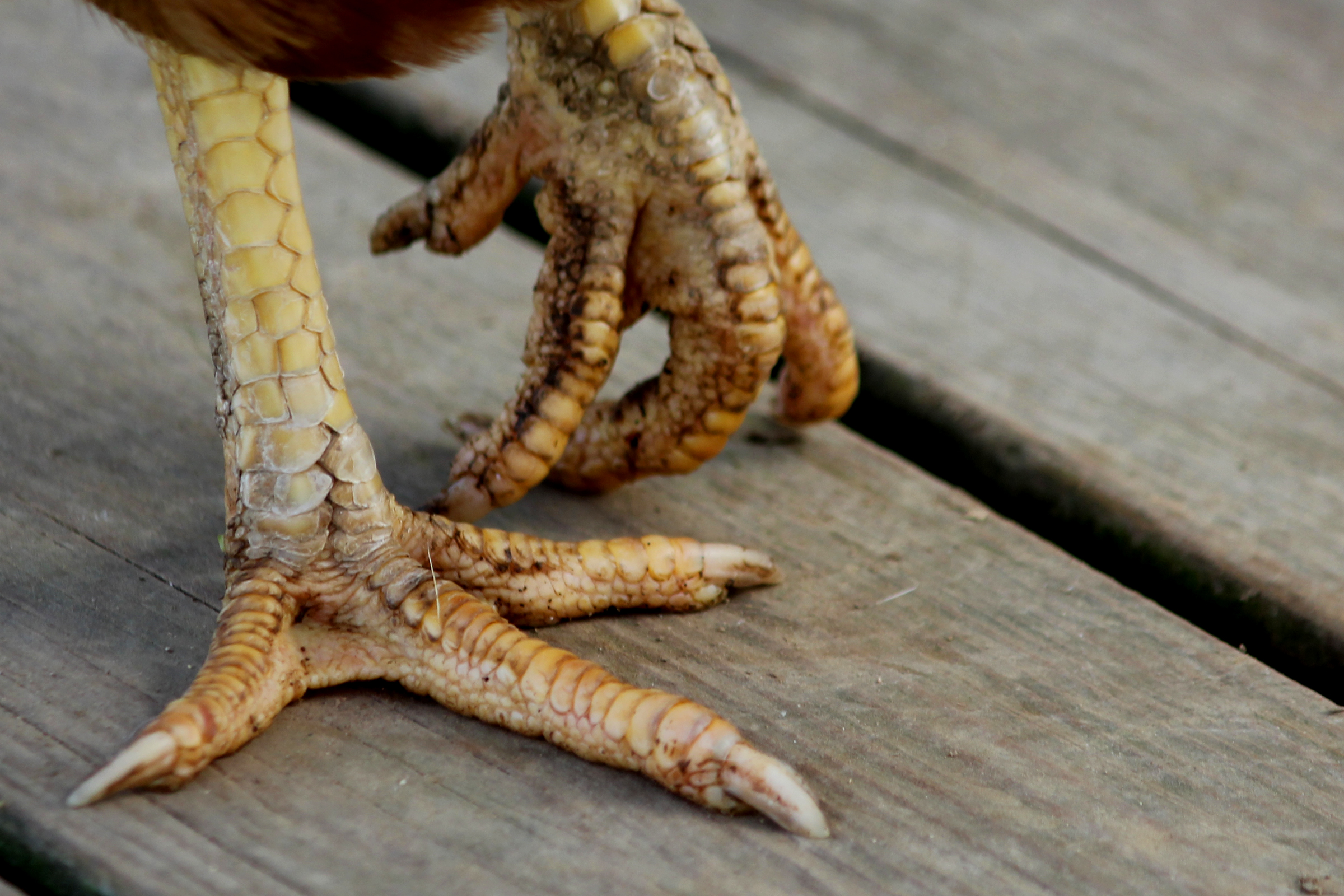
Turkey VulturesCurrent scientific theory is that present day birds are what remain of the dinosaurs, that over the course of some fifty million years, dinosaurs shrank in size and developed feathers in greater abundance (while it was once thought that only avian dinos had feathers, discoveries in the mid 1990s indicated that even non-avian species, including velociraptors, were feathered to some degree). So, the blue jay in the yard, the crows in the spare bedroom, the turkey vultures that soar over the quarry, the ducks and geese in the stream…all descended from dinosaurs. And, oh yes, the chickens.

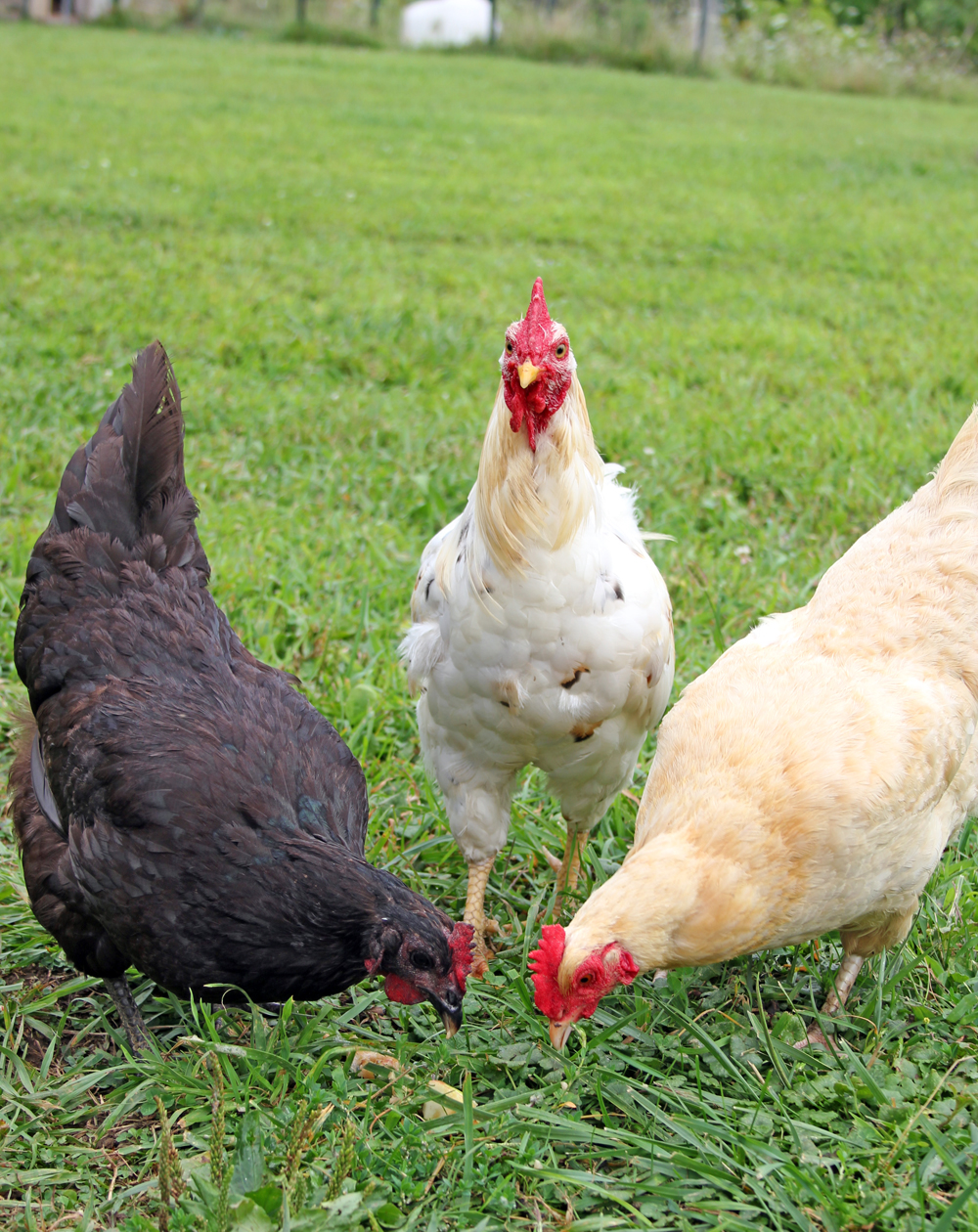
I spend a lot of time with the chickens that live here. There is something comforting about them; the nonchalant way that they roam the property looking for food, their quiet crooning. I enjoy their interactions Smart Girland I am particularly appreciative when one, or more, chooses to spend time with me, to sit beside me or in my lap and simply be. I find them calming and inspirational and a source of nearly endless fascination. As odd as it may sound, they bring me peace. Every now and again, though, they remind of me of where they come from, what they once were.

There is one hen in particular, an eighteen-month old Jersey Giant that, when we call her anything, we simply call her Smart Girl. Smart Girl will leap into the apple trees and throw fruit down. This isn’t some phenomenally new behavior; others have done it. But when she climbs, she always throws down enough apples to distract the other chickens, ducks, geese, goats and any other animal swirling about the base of the tree before throwing something down for her. She plans her actions. And, it’s possible, she hunts. On three different occasions, I’ve seen her run across the yard with a small adult bird in her beak. On a fourth, she was carrying either a small rat or a large mouse. It may be that she’s finding these animals, dead, on the ground or stealing them from a neighbor’s cat, but I can’t preclude the possibility that she is actively pursuing prey. Sometimes now, when I’m watching her as she roams the grounds of the sanctuary, I see her differently, her and the property she’s stalking.

Time travel, as it turns out, isn’t all that difficult. All you have to do is squint.

chicken feet 3

simple gifts

People never cease to amaze. As a species, well, let’s just say that I often prefer to spend my time in the company of others (chickens being the perennial favorite). As individuals, though, there are so many who shine. I met three such last Wednesday: Becki and Mustaq Ahmed and their granddaughter, Kennedy.

Not this weekend immediately past, but the weekend before, Anne and I set up at the Bluffton Farmers’ Market on behalf of The Quarry Farm. We really didn’t have anything much to sell – a basket of tomatoes, a dozen glass jars of jelly, some notecards – but farmers’ markets are great places to get the message out, to do a little self-promotion. And with the second annual Acoustic Night coming up (Saturday, September 13, from 6 pm to whenever), it seemed like a good time to make a personal appearance, be a bit more high profile. Becki and Kennedy were wandering through the market when they saw our table and picked up a copy of the latest newsletter.

On Tuesday, Becki called and asked if we’d like some of her “small and knotty” apples. She’d seen that we ask for apples in our wish list and hoped that hers would prove acceptable. From my experience, I assured her, goats and pigs and donkeys and chickens and ducks and geese and turkeys aren’t the most discriminating of gourmands; so, yes, please, apples.

The Ahmeds and their apples

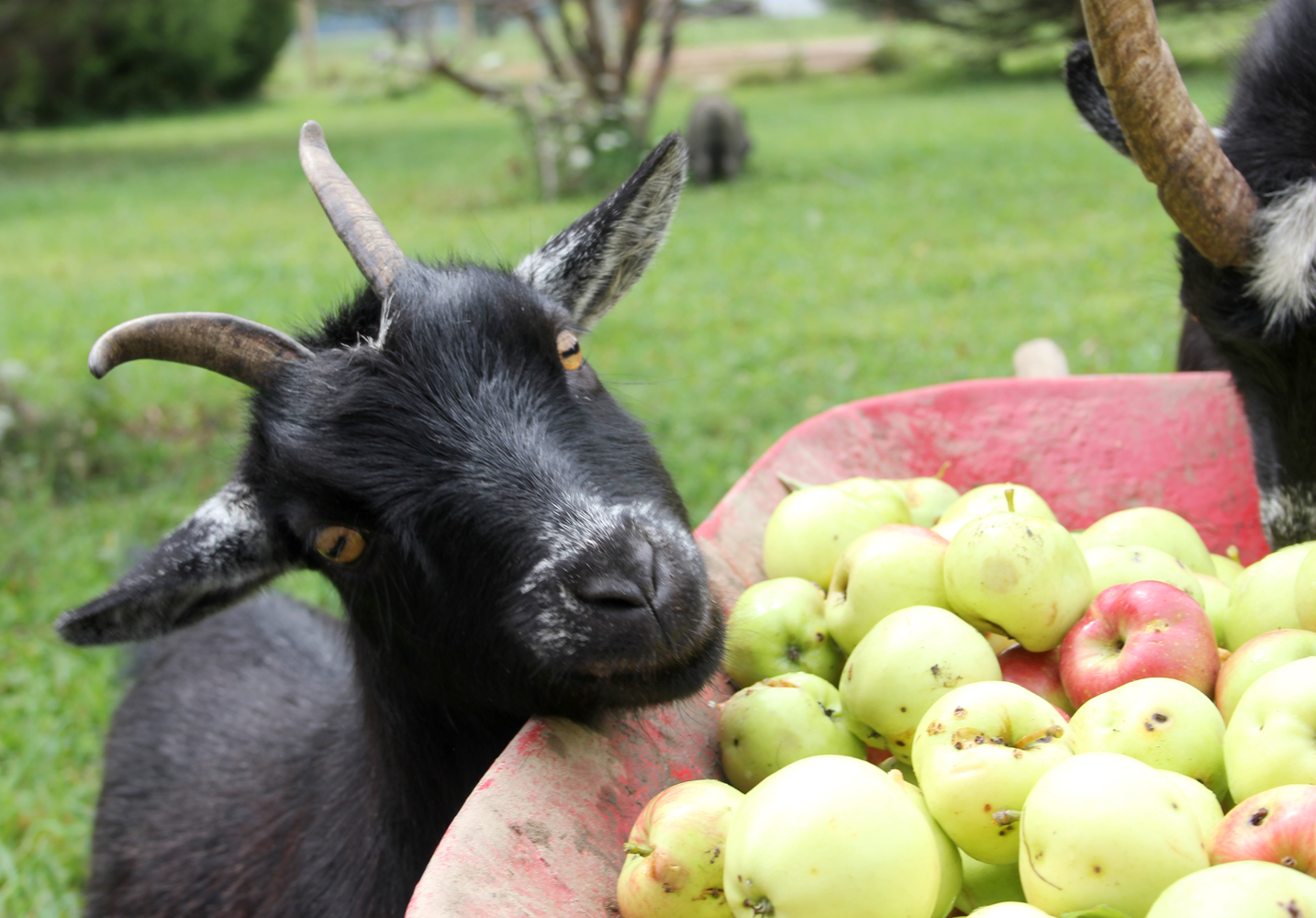
She and her family came out the next afternoon with two large containers full of fruit. We off-loaded the apples, enough to fill a large, red wheelbarrow typically used to transport hay and straw. It was an excessively humid day, as many have been of late; while there was precipitation, it was more of a sky-dripping, really, than rain. The wet had most everybody under cover: the pygmy and Nigerian goats under the pines, the turkeys and chickens at the base of the crab tree and under what remains of the forsythia, the pigs in their various shelters. The ducks and geese were gamboling about, too overjoyed with the quality of the day to bother with anything as mundane as visitors.

Elora

While we waited for the sanctuary residents to recognize their windfall, Kennedy, with Becki in tow, set out to deliver the good news and meet some of those about to benefit from their gift. Mustaq tagged along behind, photographing and filming their interactions.

078

Humperdink and AndiThe giving roosterMister Bill, a recently arrived Boer goat, was the first to discover the largesse. He set to with a will, scattering bits of apple and not-so-bits of apple in a wide arc before him. The geese and the ducks discovered the bits, which alerted the chickens and the turkeys, and they tucked in. The pygmy goats followed the Ahmeds and Kennedy to the feast, where they stood on their hind legs, front feet braced on the edge of the barrow, and bobbed for apples. The three pot-bellied pigs rolled up next (three hours later, you could have almost literally rolled them away). Finally, the two Nigerian dwarf goats and the miniature donkey caught wind of the event and made their way over. It wasn’t long before the wheelbarrow was on its side, the apples spilled across the ground, allowing everybody easy access and laying waste to the old expression, “Don’t upset the apple cart.” All in all, a most wonderful day.

Buddy and company

Thank you for that, Becki and Mustaq and Kennedy. From the bottom of our hearts, thank you.


Just add paint

117Watercolor is too real painting. As a painter who prefers this two-dimensional medium to most others, I have been in the position to argue this point. My argument accuses oil snobs of decorating their walls with off-the-rack roadside numbers that match a couch.

Boyfriends are broken-up with because of statements like this. But that was providence, it turns out, and a long time ago.

118And painting in oils is fine, if that’s what you like. But don’t tell me that a water-based work, one which requires the painter to give a measure of control over to their chosen medium, allowing light and whims of water, air and pigment to have their way, isn’t real painting.

So, with 94 percent humidity and a forecast of sun, the second “Watercolor for Beginners” workshop took place today under the earth-red roof of the Seitz Family Pavilion. Heavy fog kept a few distant registrants away, but hot black coffee, herbed shortbread and apple oatmeal cookies revived those that took up a brush.

146I love it when watercolor novices tell me, “I have no artistic talent.” These are the ones that are the first to let go; to pool water on their paper and break the surface tension of that pool with a loaded brush. It’s the ones that have painted before, using slow-to-dry, opaque, malleable mediums, that are reluctant let go of control. Because, in my opinion, that’s what you have to do with watercolor. You have to let go and see what water, paint, paper texture and weight and gravity can create when kind of, sort of left to their own devices. Once you have witnessed that, you can begin to take the reins and shape your work.

The seven people who floated through this morning’s fog, included some of the above. They chose their subjects from the Red Fox Cabin gardens, vegetables, flowers and leaves. You can see in the photos the tentative steps, the light lines of paint on cold press paper (I wouldn’t let them sketch their subjects with pencil first). Two hours later, we had a marvelous body of work, each of them showing promise and more than one worthy of exhibition at any art festival.

Of course that, along with my thoughts on how to begin painting with watercolors, is my opinion. I could be wrong.

But I don’t think so.

This slideshow requires JavaScript.

bending the rules

Earlier this week, we received a call from a friend of ours, Natalie, at Nature’s Nursery Center for Wildlife Rehabilitation and Conservation Education. It was, she informed us, time for a release, something that we’re always up for. So Nat came down with four Virginia opossums, a woodcock and a juvenile blue jay.

The release of the opossums went off without a hitch (though one did cling to the top of my shoe and hiss at me for all he was worth before finally scrambling off toward Cranberry Run). The woodcock’s release was equally uneventful, but exciting, even so. We regularly see and, more often, hear them here in the spring. But, to the best of my knowledge, this is the first time we’ve released one at The Quarry Farm.

The blue jay, on the other hand…

jay bird 3A release, in most cases, is a relatively simple affair: you transport the animal to a suitable location, open the door of whatever is containing the animal, the animal exits its containment and then, ideally, it has the whole of the world to explore,  or at least as much of it as it can reach. It is free, beholden to and dependent on no one and nothing. The jay nearly made it. Nearly. He was brought here, the door was opened, he flew out and…he stayed.

Blue jays are corvids, cousins to crows and ravens, and like their cousins, they’re complex, intelligent birds. They’re also communal, living in extended family groups in the wild. Both of these factors, their intelligence and their sense of community, help them to survive Out There. Both of these factors also make them easy to imprint, particularly when they’re raised alone, as this jay was. With no family to turn to for help, he stays in the only community he’s ever had, with the only company he’s ever known: people.

We had the usual concerns when we released him and began the process of moving him toward self-sufficiency, predation being at the top of the list. Blue jays are slow fliers and as such, easy pickings. Along with a number of cats that treat The Quarry Farm like their own private larder, there are the wild things that prey on jays: raccoons and Cooper’s hawks and screech owls, primarily, but weasels and even the blue jay’s cousins, the crows, as well. We’re even a little concerned about the chickens; a few of the Jersey giants have developed some unusual feeding habits…but that’s a different story for a different day.

What we didn’t see coming, though, what has proven to be this jay’s greatest challenge, are the cedar waxwings.

calling waxwing

accusing waxwingThey found him nearly right away, the waxwings, and they’ve kept an eye on him, and occasionally a beak or talon, ever since.  When one spots the jay in the open, it will call the others with short trills, glaring all the while. They harass him in groups of two or three or four. It’s startling to watch. Where jays are slow and somewhat awkward fliers, waxwings are sleek and fast and the coordination that they exhibit as a flock is nearly military in its precision. But the jay is smart and takes cover in the dense foliage of apple or coffee trees, hugging the trunk and keeping branches between him and his attackers. Which is not to say that they don’t occasionally get to him, that he doesn’t sometimes need help, protection. Three pinpoint spots of blood on his neck and face tell tales of brief melees that haven’t gone his way. So I watch, now, a little more closely and step in when the odds are too dramatically out of his favor. Either I drive them off, or he comes to me, alighting on my shoulder and hiding in my admittedly thinning hair.

hiding jay

This is where the gray area of my participation in this wild thing’s life has the potential to turn black. Because it’s beguiling, this trust he shows in me, this faith. When he sits on my shoulder, when he tucks his head behind my ear, I am, in some small way, connecting with the heroes I read about as a boy. Jean Craig Shepherd’s Sam Gribley and the peregrine falcon, Frightful. Ursula LeGuin’s Ged and his otak companion. Rudyard Kipling’s Mowgli with his family and mentors: Raksha and Bagheera and Baloo.

jay bird 2Even so, contrary to what some conventional wisdom suggests, what some rehabbers would insist on, I refuse to drive him away. And not only do I refuse to drive him off, I encourage him to stay. I call him to me and present him with food and, when necessary, I protect him. I justify my behavior with the knowledge that, if he’d been raised by other jays, the adult birds would still be a part of his life, defending him from predators and competitors and helping him find food. The fundamental truth is that he’s a young juvenile in a strange place with no other means of support. As rationalizations go, this one is exceedingly rational. Because he needs it, support. Without it, his chances for survival drop alarmingly.

Just like Cat Stevens said, “It’s a wild world.”

jay bird


so that’s what you call him…

The Quarry Farm is pleased to introduce Captain John Smith.

No Name Opossum

Thanks, Kim, for the suggestion, and thanks to everyone who offered up a recommendation. There were several that made the cut, but this, by far, was our favorite. Want to know why? Just follow the link: 

http://www.dnr.state.mn.us/mcvmagazine/issues/2014/jan-feb/young-naturalists.html