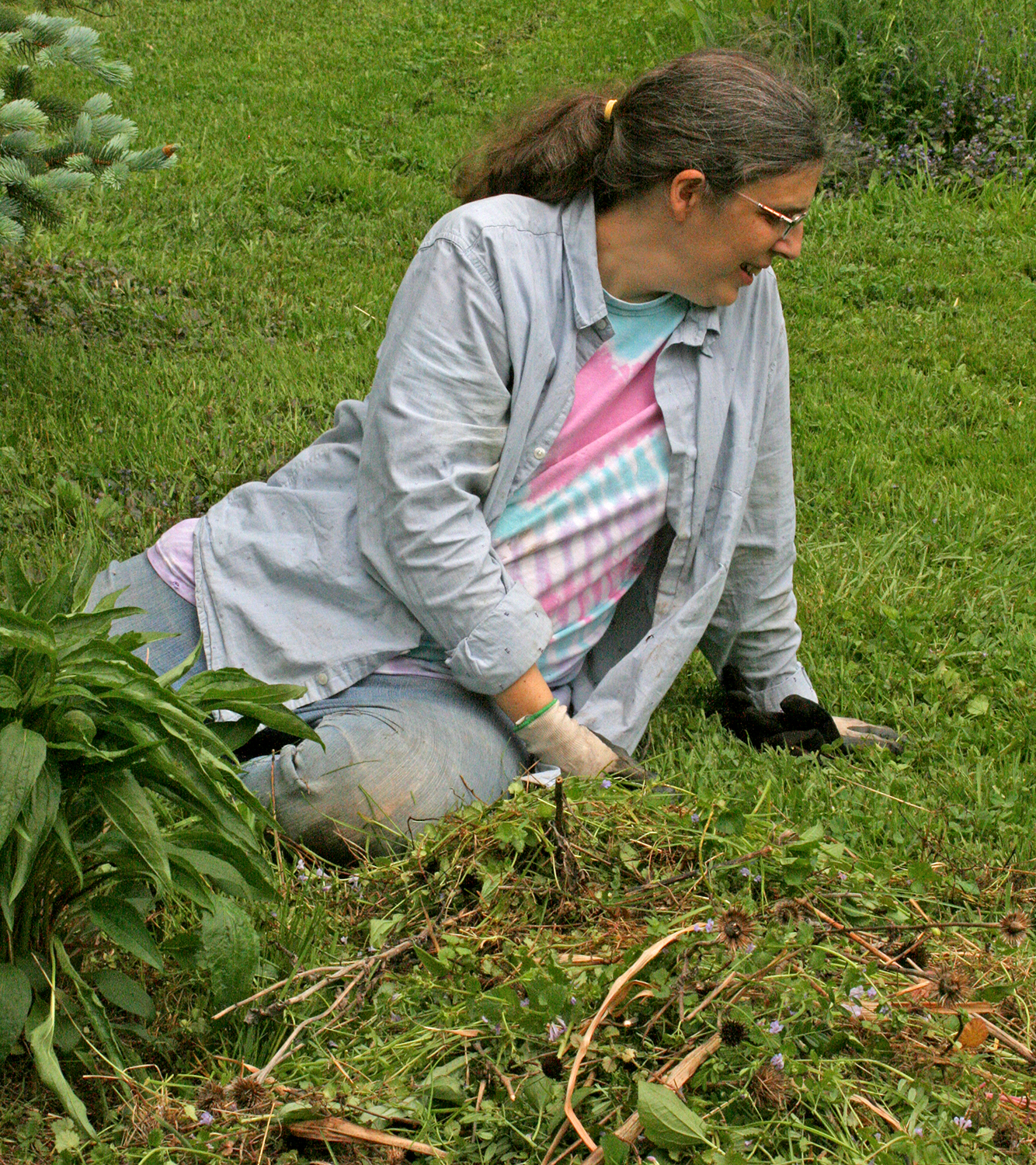
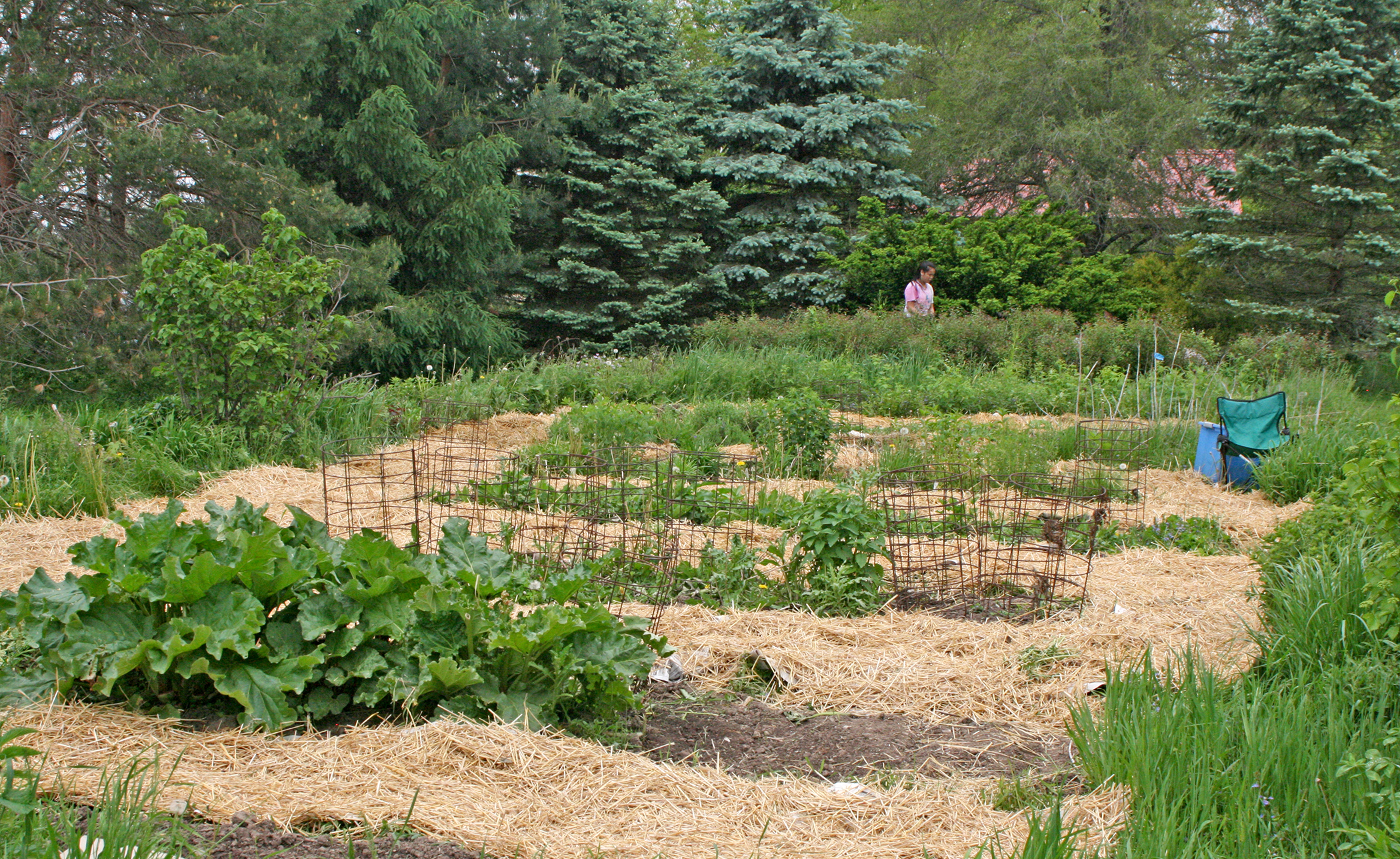
I think it will always thrill me to overhear someone asking someone else if they have ever been to The Quarry Farm, for people to talk about the animals, birds, gardens and the clarity of the stream. Not everyone will turn over their yard to goats, roosters, and geriatric pigs, but gardens—the riotous kind filled with a variety of native flowering plants—and trees can make birds and clear water more common. This region’s native grasses and trees have long, branching root systems that hold the soil like a strong net. Have you ever pulled English Ivy? This non-native is tenacious and fast-growing but you can remove a large patch with one pull, so shallow-rooted and interwoven is this European transplant. In contrast, ever tried to pull a Common Milkweed in its entirety? Best of luck.
Old Man Sycamore in the north floodplain of the nature preserve has a hollow base that provides shelter to who knows how many creatures each night and during winter’s worst. As shallow-rooted landscapes topple across Northwest Ohio, he and the 300-year oaks withstand wicked flood currents and down-bursts. As the floodwaters recede, the forbs at his feet grasp run-off silt and soil. Within 36 hours, Cranberry Run is clear again.
You hear a lot about native plants these days. Big-box stores as well as local nurseries stock a variety of plants labeled as native. Keep in mind that native doesn’t always mean native to here. Also, ask your green-grower what kind of substrate your plants are potted in. Mass-marketed plants are often potted for long shelf lives, their roots sandwiched in neonicotinoid-laced soils that wreak havoc on bees and other beneficial insects.
Remember that part about riotous gardens? Variety is the spice of life. Some native plants can be invasive without other native plants to keep them in check. The Quarry Farm Gardener finds it necessary to parcel out starts of Coneflower every now any then, as well as Menarda (Bee Balm). Much is made of the benefits of keeping Common Milkweed for the Monarch butterflies. Without Ironweed, Coneflower, Asters, and Common Hackberry trees to watch over them all, who will feed and shelter Comma, Question Mark, swallowtails, and the Hackberry Emporer butterflies? And without Jewelweed and its orange orchid-like flowers nodding on the riverbanks and floodplains, how will I ever be rid of this confounded poison ivy rash?
 You know that tingling excitement you get when you try something on for the first time, especially when it fits and what looks back at you in the mirror looks pretty good? Yeah, you know. That’s kind of what last week felt like.
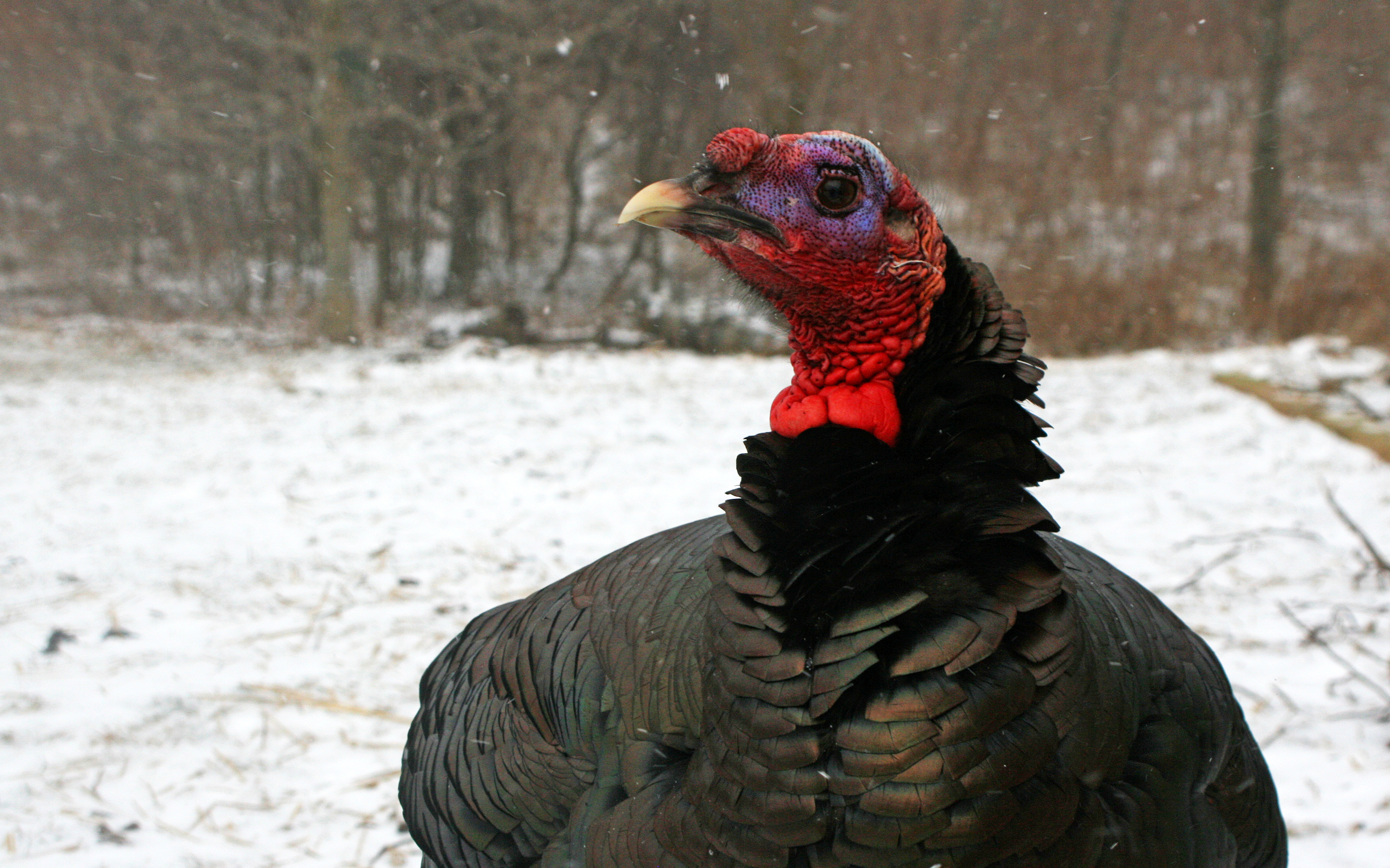
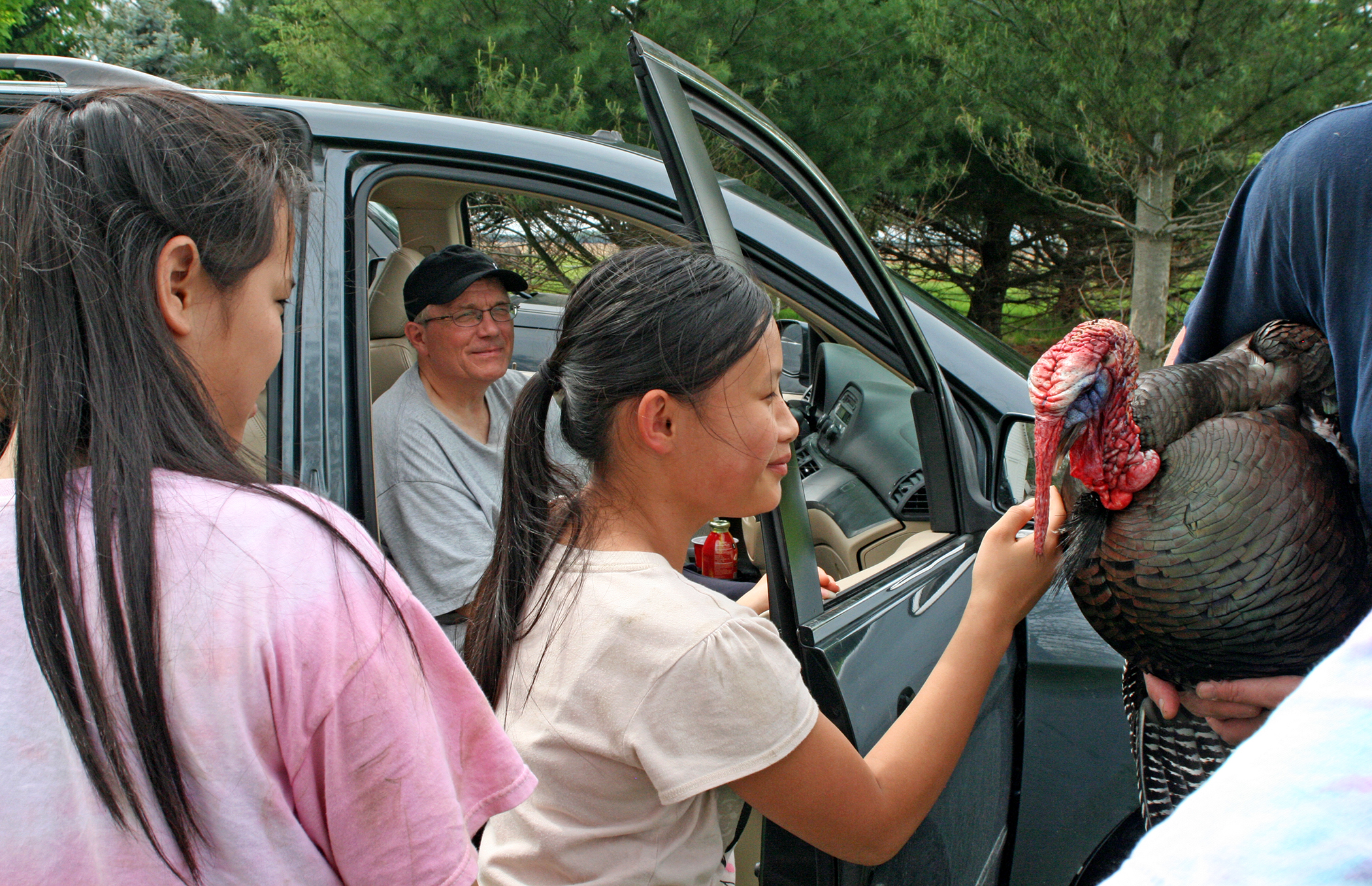
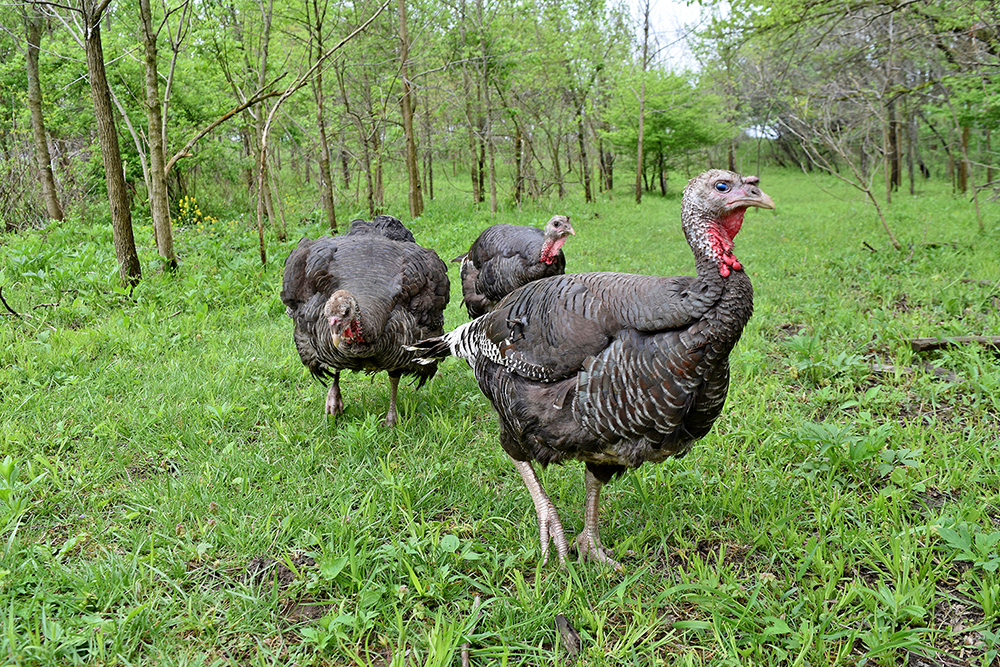
 On Sunday, we fortified ourselves with chocolate and other Easter basket contents. From Monday to Thursday, 218 Findlay preschool students, their teachers, parents and bus drivers made lasting-leaf t-shirts and followed the Cranberry Run Trail to meet the farm animal sanctuary residents before making the bus ride back to Hancock County. The mornings were cool and afternoons exceedingly warm, but Miracle Max the Bronze Turkey was always the gate greeter for every group even if the other animals dove for cover.


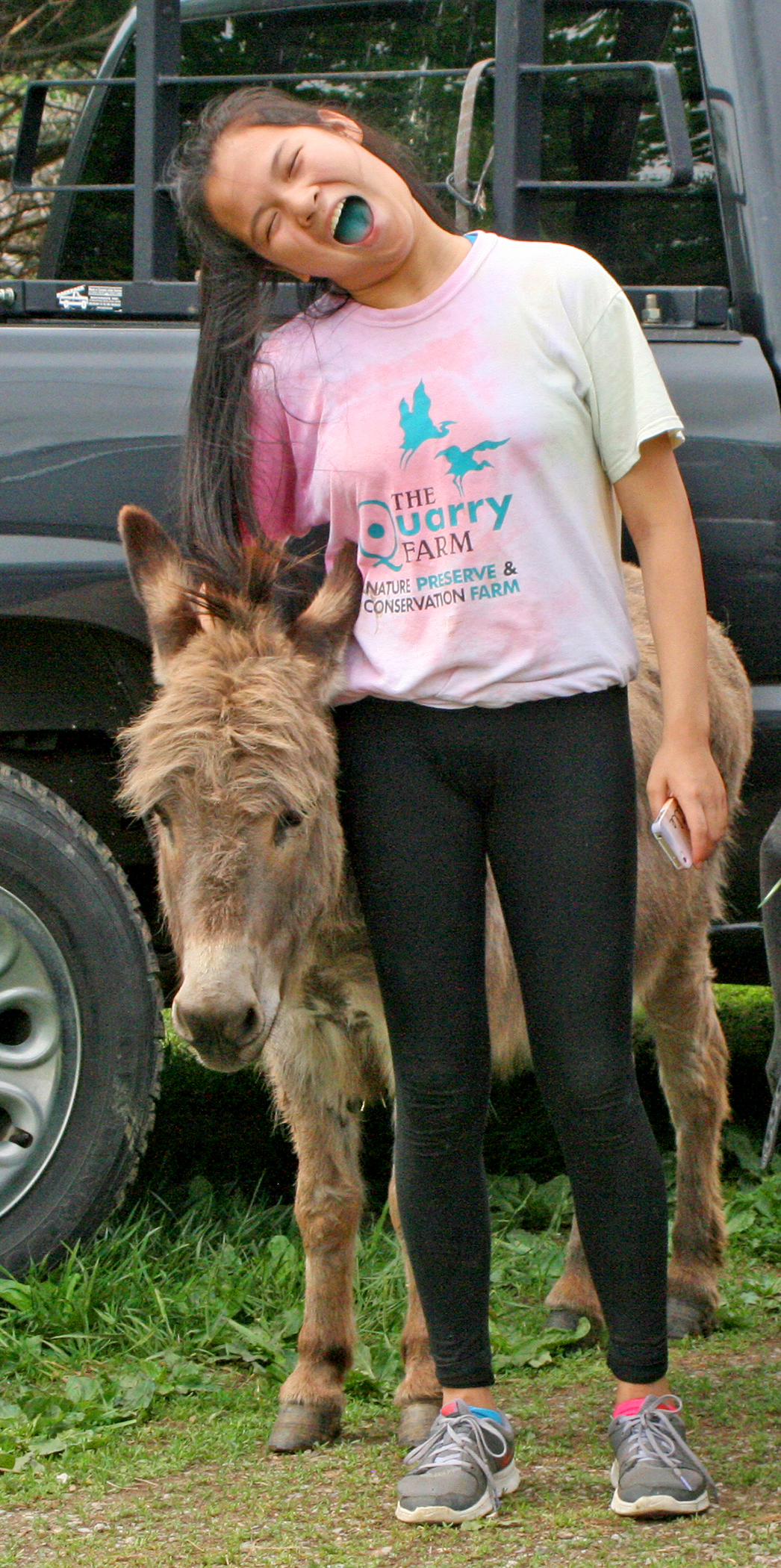
 Today we rest. So does Mister Bill. Looking in the mirror, or at the photos and videos on our cells, and through the perspectives captured by others who shared the stage of the day, we’ll still keep raising our hands.



 Haikus aside, who needs sunshine when you can turn a garbage bag into a raincoat, there are cookies in the pavilion and a lit fireplace in Red Fox Cabin?
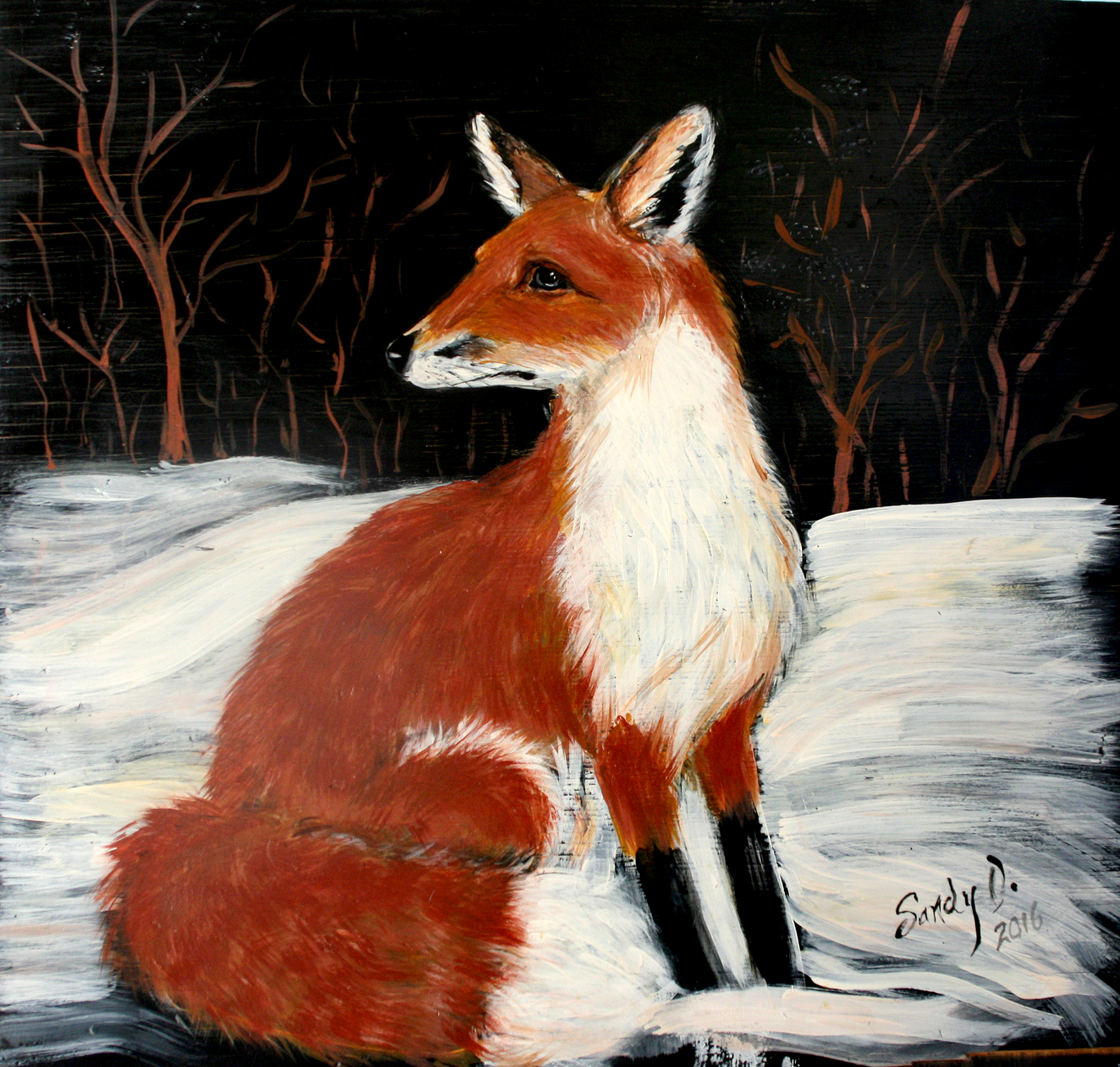
 Last summer, Sandy and Doug visited Mister Bill here on The Quarry Farm. They brought him treats, delectable items that he unwillingly shared with most of the other goats. While walking the gardens and sharing a human lunch outside Red Fox Cabin, we told Sandy about our intent to hang paintings around the perimeter of the sanctuary. The package that came in the mail was the size and shape of just such a painting.